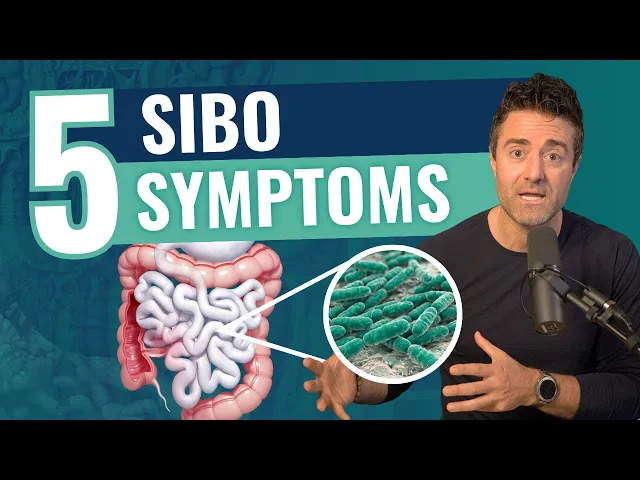
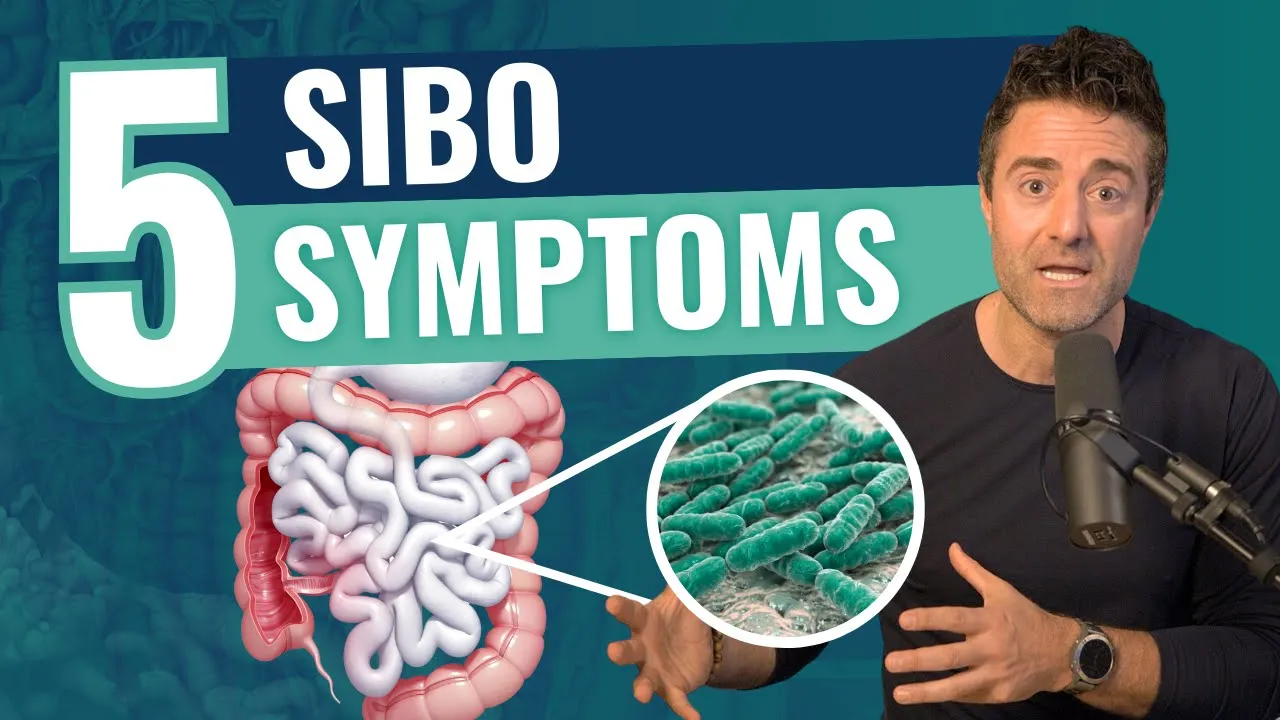
sibo or small intestinal bacterial overgrowth can cause digestive symptoms like bloating constipation diarrhea or reflux but it can also cause non-digestive symptoms such as fatigue brain fog mood disturbances and even a connection to thyroid problems it's crucial to understand this this far reaching impact of the gut because as i learned myself problems in the gut very much so including sibo can cause a wide array of symptoms and this can explain why some people are frustrated and not able to figure out where their symptoms are coming from this is dr michael roucho and let's detail this
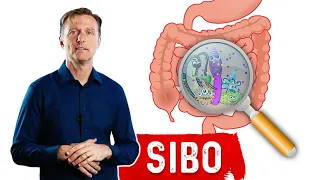
very important finding of small intestinal bacterial overgrowth and so what is sibo or small intestinal bacterial overgrowth well the name gives you a pretty good indication as to what it is but it's an overgrowth of bacteria in the small intestine now there should be some bacteria in the small intestine however compared to the large intestine or the colon there should be relatively few bacteria when these bacteria overgrow they can lead to excessive gas because remember kind of like people as bacteria eat food they sometimes release gas and that gas can build up in one's system
leading you to feel gassy and this can also explain why distension bloating and pressure are some of the other symptoms that are associated with and caused by sibo some evidence has also found that sibo can lead to damage of the lining of the gut or leaky gut similar to what's seen with celiac disease actually and can also lead to over-activation of the immune system and remember when the immune system reacts there's almost always inflammation that's wrapped into that so that's kind of the long short on sibo in terms of how it occurs there are two
main theories and they both have some evidence some possibility and it's probably one the other or both for some people bacteria from the top meaning the oral cavity and the stomach make their way down into the small intestine and then overgrow this can happen when people have lower levels of hydrochloric acid or at least presumably so this is something that a very elegant study by gastroenterologist richard mccallum was documented now the other hypothesis and way in which sibo can occur is from the bottom up remember we mentioned a moment ago that the large intestine has
a relatively dense colonization of bacteria and in some cases bacteria from the large intestine can reflux upward and seed and colonize and overgrow in the small intestine so it can occur in either direction not that that's incredibly relevant for the treatment per say there are some relevance but just to address some of how sibo occurs and why is sibo so problematic well as we outlined a moment ago you can probably infer a number of reasons why but to tie this or to tie those to a number of reasons why specifically because 90 of your calories
are absorbed in the small intestine most nutrients are absorbed in the small intestine and the small intestine again where sibo occurs is the most immunoactive and in fact the largest density of immune cells in the entire body resides in the small intestine and this is where leaky gut and the connection to autoimmunity come in so a lot is happening in the small intestine and when we have dysfunction like sibo there it can cause many problems now as a quick aside one fairly simple way to help quell sibo and reduce symptoms is an elemental diet reset
and we've put together a free guide if you wanted to obtain some advice on how to do this simple safe therapy at home and again that link is in the description okay so five of the more prominent symptoms of sibo would be digestive including ibs gas bloating constipation diarrhea abdominal pain but not limited to that fatigue mood disorders brain fog and thyroid function and let's detail these a bit more now with sibo it's very important to understand the connection to ibs and this will become more relevant in a moment but let's start with the connection
between sibo and ibs because sibo is a lab finding and we want to make sure to be careful that we tie a lab finding to have meaning in essence that this lab finding correlates with you feeling differently because there are lab markers that don't really have any meaning and one can get very easily swept up into running all these labs especially in progressive realms of medicine that aren't validated and really have no meaning and some of these labs sadly are even fraudulent and have been shut down by the fbi or the fda so in 2018
a meta-analysis which is a summary study examining over 50 studies published in the journal of clinical gastroenterology found that more than one third of ibs patients so these patients who have digestive symptoms tested positive for sibo and other data have found an even higher association between sibo and ibs so it's a moderately safe inference that if you have digestive symptoms you could have sibo if you have ibs you could have sibo and i want to make that connection because there's a lot of research on ibs and we'll borrow from some of that to draw another
inference in terms of what symptoms sibo may cause because there's more evidence on ibs and so again sometimes we can borrow from this to help you better understand what you can do to improve your health and to get rid of if it be brain fog or fatigue so that you can feel better now one other thing we should tie in here is the connection between sibo and gluten sensitivity this is very important to understand that celiac patients and this is the of course most severe intolerance even autoimmunity in reaction to consumption of gluten celiac patients
who were unresponsive to a gluten-free diet had two times the rate of sibo when compared to healthy controls and there's even other evidence that has found that treatment of sibo will lead to resolution of symptoms in those who are non-responsive to a gluten-free diet so if you've gone gluten-free and seen some result but not complete it could be that sibo is present and outside of ibs like we detailed a moment ago the gas the constipation the bloating the abdominal pain other evidence has also tied sibo to reflux and indigestion a 2021 study found that 60
percent of chronic reflux patients had either dysbiosis an imbalance in the ratios or sibo in overgrowth and another 2021 study found that 71.4 of dyspepsia or indigestion patients tested positive for sibo when compared to only eight percent positive in healthy controls so again sibo can associate to ibs to non-responsiveness or partial responsiveness to gluten-free dieting and also even to reflux and indigestion now what about non-digestive or extra intestinal manifestations of sibo well in another meta-analysis it was found that more than 50 percent of ibs patients had fatigue and this is not the only finding that
has associated ibs to fatigue very important understand that fatigue can come from your gut and many people who have digestive symptoms especially in the clinic will comment the worse my gut is digestive symptoms the worse my fatigue is the better it is the better i feel and importantly interventions that help with either sibo or ibs have been shown to improve fatigue namely a low fodmap diet has been shown to improve fatigue and ibs patients and in another study treating leaky gut reduce fatigue in patients with chronic fatigue syndrome now what about mood this is something
else that you watching this may have experienced when your gut flares your mood flares but keep in mind that you can have silent digestive problems and seemingly so your mood problems are coming from nowhere this is what i experienced myself i had brain fog fatigue and depression with no digestive symptoms coming from a problem ultimately in my gut but just a flag for you here that depression and anxiety are common in ibs and also thankfully gut treatments namely probiotics and gut friendly diets have shown the ability in interventional and clinical trials to improve depression and
anxiety perhaps the most robust and compelling evidence here is a 2021 meta-analysis remember this is a summary in this case of 16 randomized controlled trials the the pinnacle of scientific evidence looking at overall 1100 patients and they found that probiotics improve depression and anxiety the evidence is stronger for depression but a signal also exists for probiotics being able to improve anxiety and what about brain fog well brain fog is somewhat common in on either sibo or ibs and again more good news a randomized control trial found that probiotics improve cognitive performance in those with mild
cognitive impairment rifaximin an antibiotic that is fda approved to treat sibo has also been demonstrated to improve cognitive function and there's an interesting connection here in that this occurs predominantly in what's known as hepatic encephalopathy and what this means is that when the liver is burdened and can't adequately filter the blood toxins in the blood make their way into the brain and this causes cognitive impairment and rifaximin which treats sibo and improves gut health has been shown to reduce this whole cascade because the gut drains to the liver and if you fix a problem in
the gut you fix a problem in the liver and in this case gut affects liver affects toxins affects brain and this is how rifaximin has been shown at least in a handful of trials to improve this hepatic encephalopathy right it's the gut liver brain connection and what about hypothyroidism this is actually a bit of a newer finding over the past maybe three to four years you've been seeing this breadcrumb trail of evidence being published one of the more compelling studies was in a grouping of over 1800 patients and they found that hypothyroidism was the condition
most tightly associated with small intestinal bacterial overgrowth what was shocking about this finding was the researchers were expecting acid lowering drug use intestinal surgery to be the most tightly associated with sibo and what they found was being hypothyroid was the most tightly associated so this was a fairly landmark finding and another seminal paper in this regard found that probiotics may reduce the need for thyroid medication and to quote this paper tsh or thyroid stimulating hormone concentrations levothyroxine dose and fatigue severity all decreased after a intervention on probiotics so very compelling and likely what's happening here
is those who are taking thyroid hormone levothyroxine have a degree of impaired absorption of that medication in the probiotics through potentially addressing sibo and or at least improving gut health and therefore improving absorption as this study found reduced tsh while also needing less of a dose meaning you took less medication and the medication worked more effectively at lowering tsh and also you saw your improve or fatigue or sorry improvements in fatigue so very very interesting information here and i also wanted to draw your attention to this one graph this is a patient's tsh over time
now ideally when on thyroid hormone medication the tsh should be 2.5 or below and what you're seeing in this graph is i drew in a green line showing you the 2.5 cutoff and month over month over month over month this patient and this is a published case study by the way was unable to get their tsh into the normative range until they took rifaximin which again treats sibo and then they were able to see improvements in their tsh levels and finally see them normalized in fact just yesterday we went through the final draft of a
six patient case series that we will be publishing in a peer-reviewed medical journal if it's accepted showing this sort of thing in a number of cases where improving the gut was actually the final missing piece allowing a patient to then respond more fully to their thyroid care okay so in close remember that sibo can cause digestive symptoms bloating constipation diarrhea reflux etc but it can also cause non-digestive symptoms like fatigue brain fog mood disturbances and even thyroid problems and when we understand this we can hopefully uncover the root cause of our symptoms and then have
a path forward to address them i hope this helps and i'd also be curious to hear what your experience has been with sibo with gut health and if you have any other questions or are looking for advice on your path forward okay again this is dr michael roucho and i hope this helps [Music] [Music] you