I just love the beauty of it and the durability of it yeah it was definitely love at first sight it looks I think is good today as it did the day they put it in from thousands of years ago when man first started building things the use of natural stone has been a constant cultures from ancient to contemporary have used natural stone to build structures to worship their gods celebrate their beliefs memorialize their dead entertain their people and house their institutions of government today thanks to new technology the use of natural stone has expanded broadly
beyond its traditional use for exterior zand interiors of major buildings today natural stone is becoming a staple in homes of every size consumers have discovered the beauty luxury and sustainability of this unique all-natural material for countertops floors and other applications they like it because it's the real thing which cannot be duplicated in a factory or laboratory it's nature's own it comes in literally thousands of different colors and no two pieces are exactly the same nothing approaches the uniqueness durability and serviceability of natural stone countertops in kitchens bathrooms and other locations in the home it's so
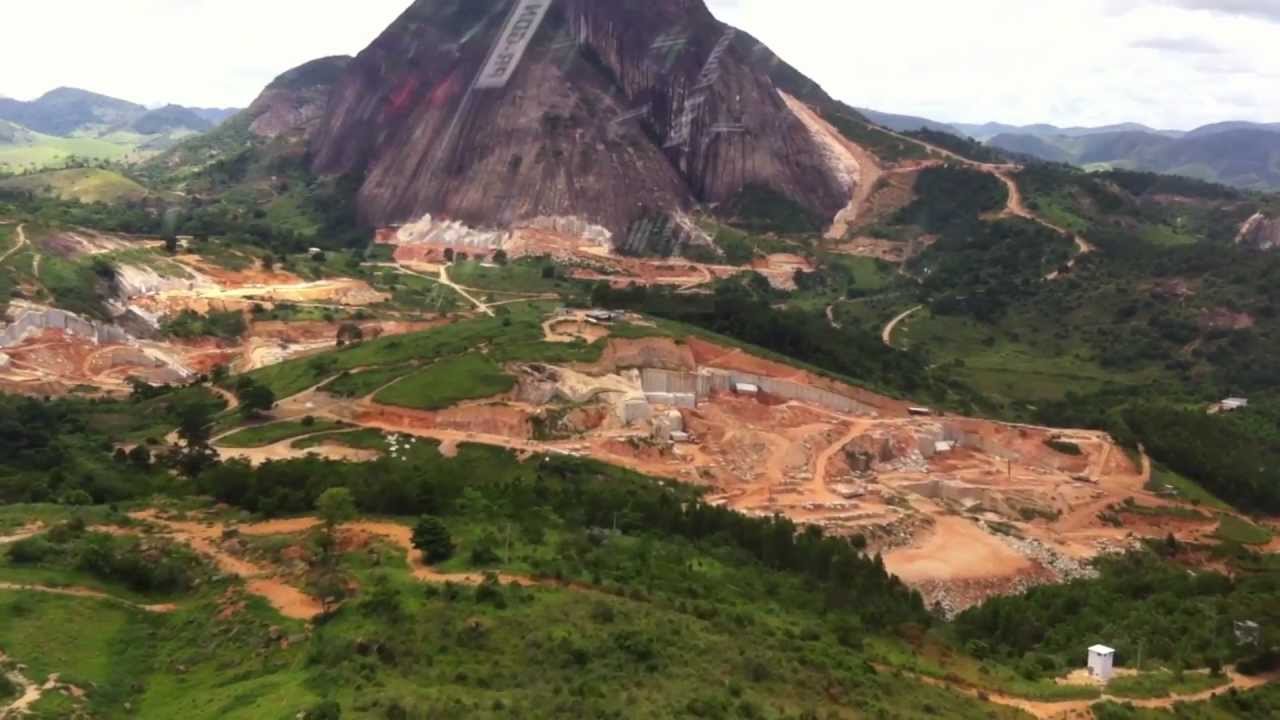
pretty and it lasts forever and real easy to take care of it's kind of like fine jewelry it sparkles and it's it just looks nice all the time there has always been a special allure to natural stone but what makes it particularly appealing now is a drastic reduction in prices over the last two decades the result of quantum advances in querying and fabricating technologies the journey from the quarry to your kitchen can begin right here in North America or inquiries around the world there's an enormous supply of natural stone and more is being discovered every
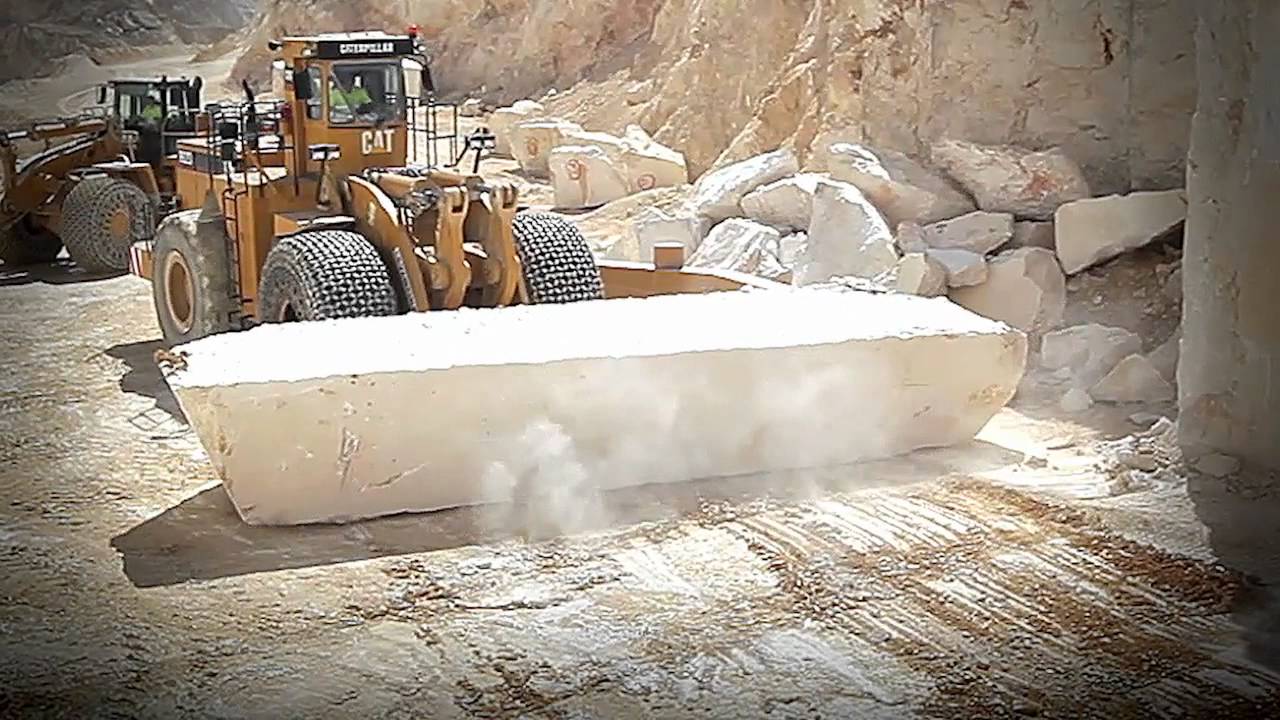
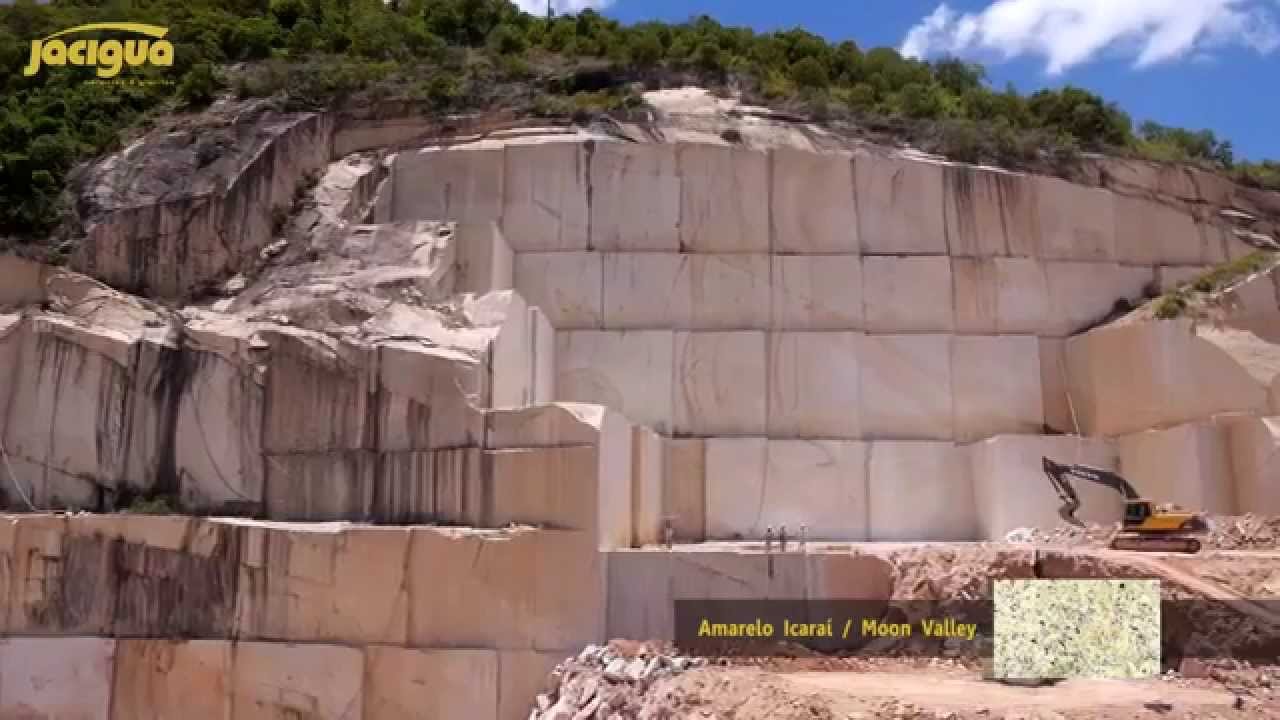
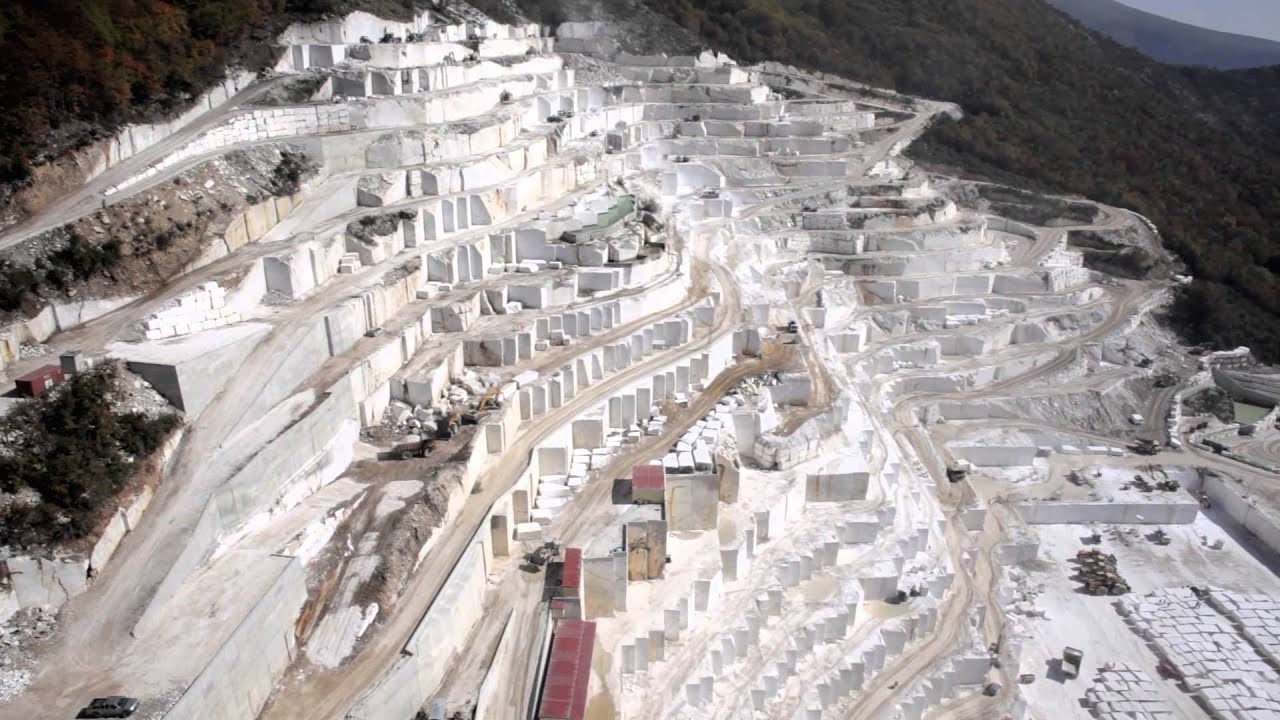
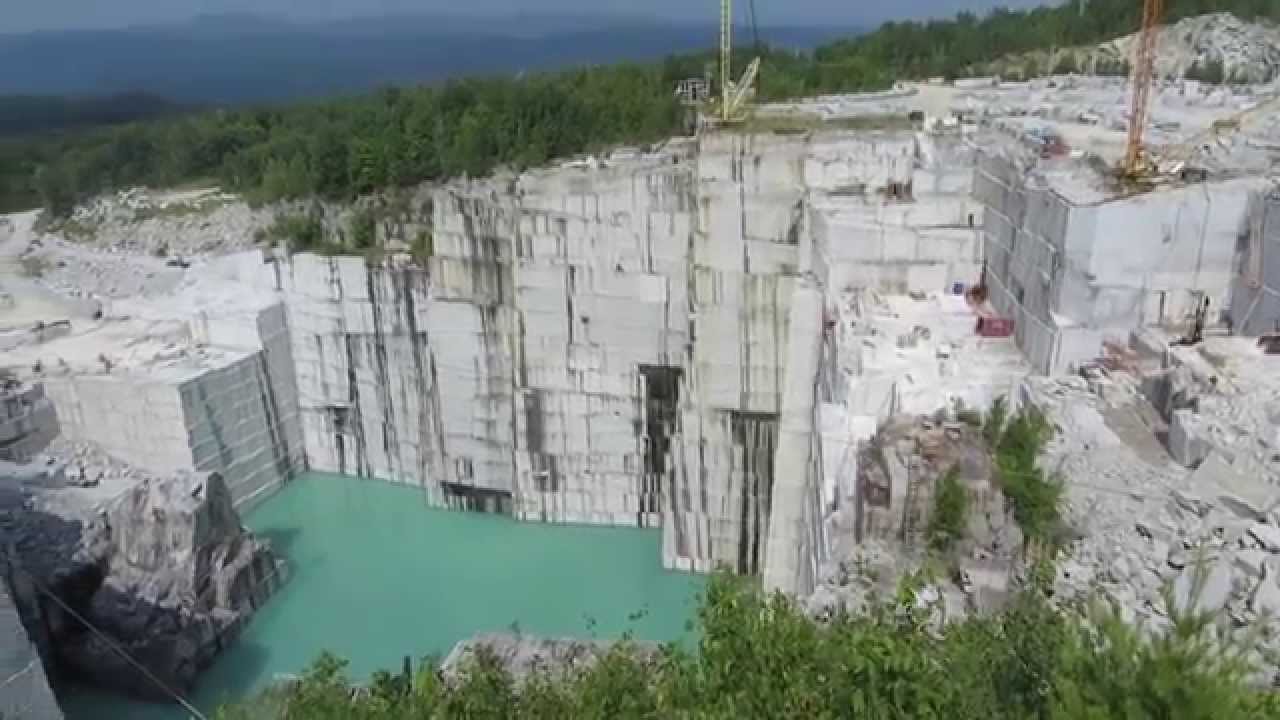
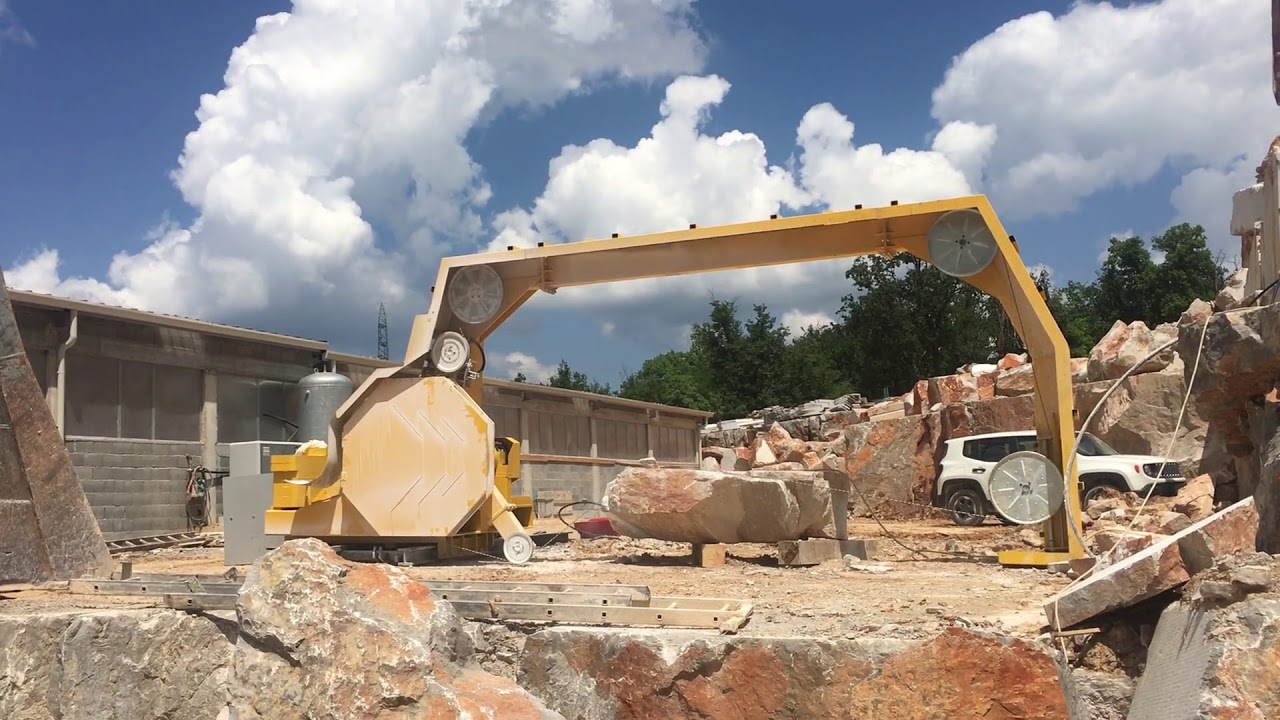
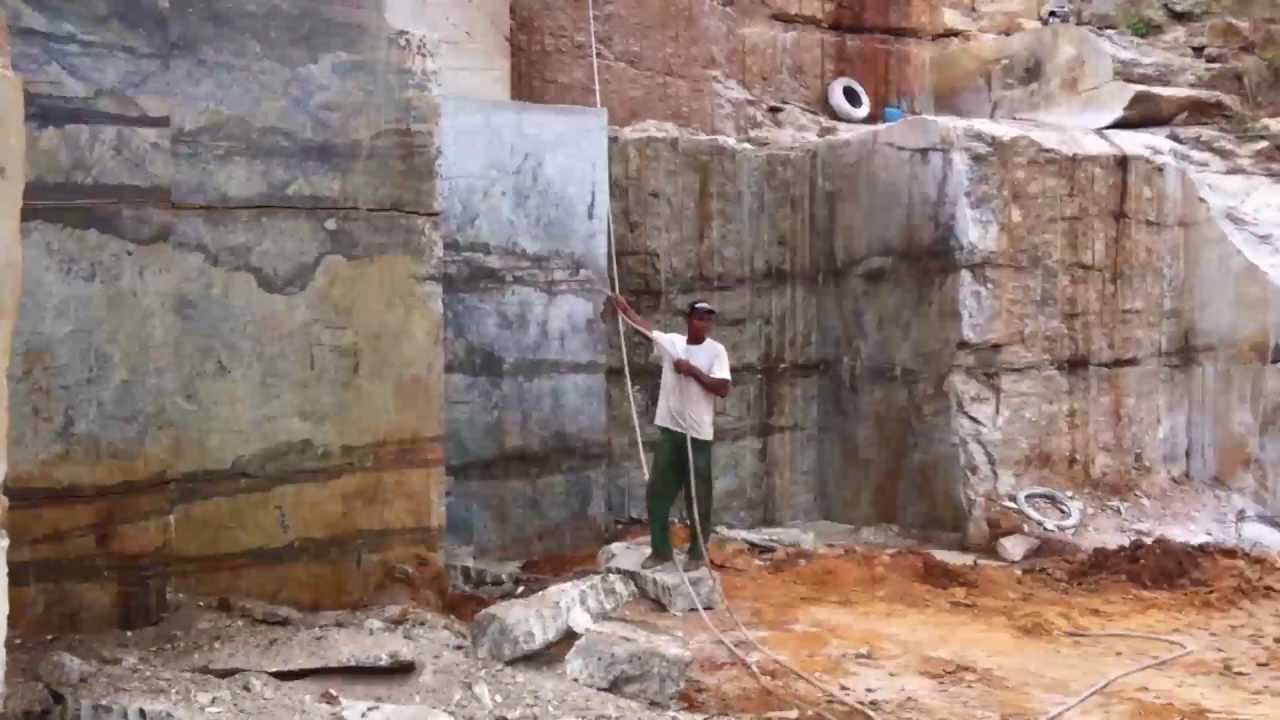
day this combination of supply and technological advancements makes natural stone very competitive with man-made materials from quarries giant blocks of natural stone are carved out of the earth with diamond cutting systems which have drastically reduced the effort previously required to achieve this task the newest technology is the diamond segment multi wire saw which can slice a block of granite into slabs at the rate of 12 to 15 inches per hour or a complete block in about six hours this compares to the 3/4 inch per hour cuts made by older gang saw technology in which a
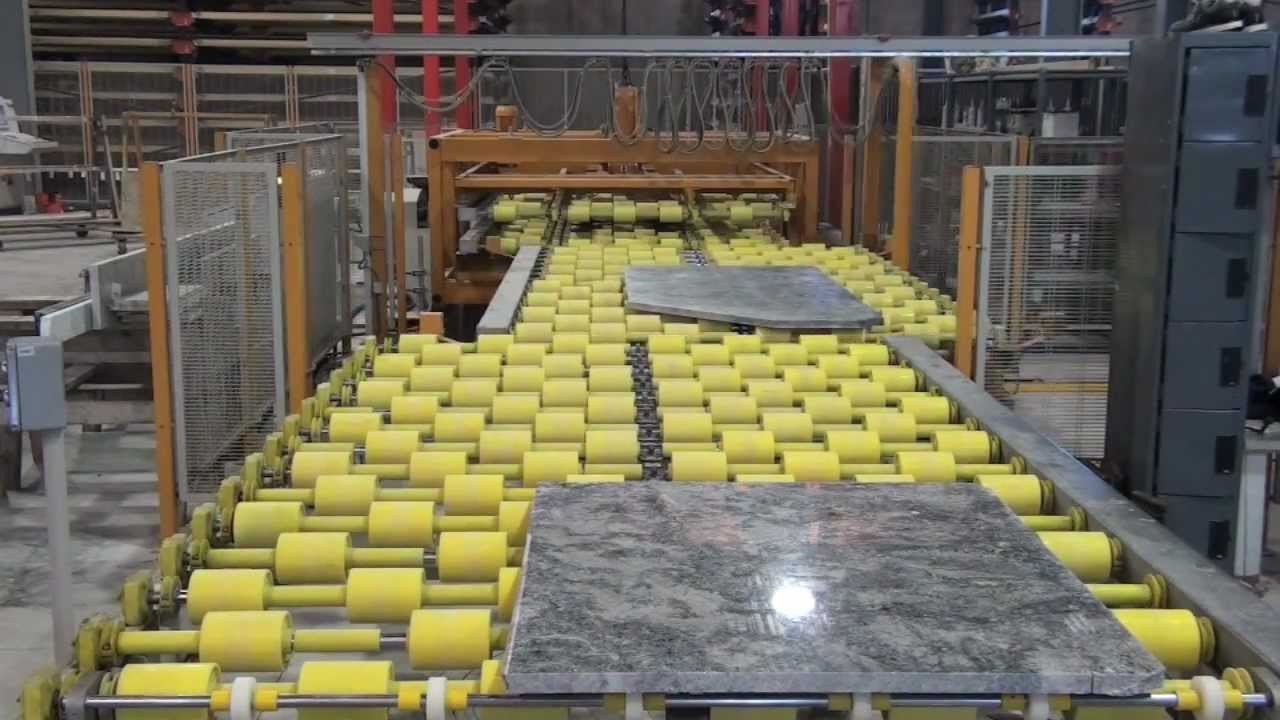
block is slapped in 40 to 50 hours the slabs are then polished on high-speed lines that feature multiple heads some of the stone may be cut into tiles or other cut to size pieces once completed the stone is then shipped to distributors and fabricators like those in your city many stone contractors as well as design professionals travel the world to hand select material in block or slab form the same way you select the stone for your home because every block or slab is unique it can be a very daunting task once you've selected the material
it's perfect for your home the stone contractor will do the rest of course with your input the first job is to get accurate measurements in your home by creating a template so your countertop will fit perfectly this process takes into account everything from sink location to imperfections in the walls some templates are created by documenting measurements manually or by using thin wooden or plastic strips that are glued together to produce a perfect replica of the area to be covered by the stone in the fabrication facility the measurements are either entered into a computer or the
templates are placed on the selected piece of natural stone and adjusted to get desired results prior to cutting with advancements in technology many stone contractors are now producing templates digitally to increase efficiency and accuracy the digital template is created by electronically mapping strategic points on the countertop surface this precise information is then downloaded into a laptop or tablet to create an electronic template using a computer back at the fabrication facility the digital information is mated with an actual photograph of the selected stone slabs for the job whether a manual or electronic template system is used
the end result is an ideal match of the material and the measurements for the countertop in your home the stone is then cut with an automated sawing system which assures the cutouts for stovetops sinks faucets and other kitchen appliances are correct the pieces of natural stone are then edged either with automated equipment or by hand there are several common edge profiles available consult with your stone contractor to choose the right edge for your project decorative edges are put only on the visible edge not a joint edge most edging is done with powerful diamond routers using
specific bits to profile the desired edges the final step is finishing the edge when all of the pieces are cut edged and finished to specification the natural stone makes its final trip to your home their skilled craftsmen install the countertops and other components making sure that all other elements of your kitchen or bathroom are fitted perfectly in the field installers glue pieces of natural stone together using polyester resin in the joins when they're finished the resin has a polished look similar to the polish of natural stone sealing is a common step taken on some stones
as an extra precaution against staining in fact the sealing products used in the stone industry are impregnator x' which don't actually seal the stone but act as a repellant sealing doesn't make the stone stain proof rather it makes the stone more stain resistant when consulting with your stone contractor you may find that many stones don't require sealing however applying an impregnating sealer is a common practice from the quarry to slobbing templating cutting edging finishing and finally to installation people in the stone industry are striving for two things enhancing the beauty of natural stone through craftsmanship
and achieving your ultimate satisfaction the look is beautiful and it's just so durable I just think it's low-maintenance and to me that's a big factor you don't see any scrapes no scratches it just looks great I love it you biggest advantages of using stone in a sustainable project is that it essentially lasts forever it goes a lot deeper than just finding materials within a few hundred miles of your job site to actually select the material that has the durability strength and endurance for the building lifecycle is really the bottom line natural stone is a hundred
percent natural there are no synthetic aspects to it it's made by mother nature and therefore I think one of the most green materials available all we have to do is look at historical structures from the Great Pyramids to the Roman Colosseum all constructed with natural stone and have endured for thousands of years whether you're an architect designer contractor or a consumer the more you know about natural stone in this new era of green building the more you realize that it's the natural choice when it comes to sustainable building materials as well it should be natural
stone is the original building material utilized ever since man started constructing things in reality because of its inherent durability flexibility longevity combined with its incredible beauty natural stone is also in a class by itself when it comes to sustainability that's why the marble Institute of America has produced this short video to give you an insight into the sustainable attributes of natural stone clear up any misconceptions about stone and sustainability and offer other avenues for learning even more about how to incorporate stone in commercial institutional and residential projects in the quest for more sustainable building design
and execution the proponents of green building have identified four major areas the reduction of energy use co2 emissions water use and solid waste careful integration of natural stone in interior and exterior design can be a major factor in reducing all of these byproducts in addition stone itself is an attractive functional cost-effective material in the past natural stone was often considered too expensive for all but the most elegant buildings but over the last sensory improvements in querying processing and installation technology have drastically reduced cost and allowed previously untapped quarries around the world to significantly heighten production
and reduce costs the new technology has also helped to reduce the environmental impact of quarrying and hastened sensitive reclamation of these quarries architect Edie Farr of Minneapolis says harvesting local materials only goes so far in the sustainability equation you have to look beyond especially on stones case you have to look beyond just that 100-mile radius and find something that will outlive or perform many other building material choices and I think stone does an excellent job of that since natural stones like granite marble limestone travertine and others are virtually indestructible stone can be recycled into many
different forms it can be cut into different sizes and shapes and finishes all in the same project to meet multiple needs natural stone also works well with most other major building materials natural stone competes with brick and concrete steel and glass and I think with the with the most successful projects oftentimes you use a combination of all these materials to achieve the design goals as well as the sustainable goals of the project versatile natural stone has many other sustainability assets it requires little or no maintenance performs consistently through wide temperature changes is salvageable and recyclable
and is readily available producing stone actually can take less energy than producing other type materials stone contributes to indoor air quality as it does not off gas it's essentially a permanent material the demand for sustainable design and building practices is growing rapidly for a number of reasons including an unprecedented level of government initiatives heightened residential demand for green construction improvements in sustainable materials increased demand for green standard certifications and the importance of social responsibility the willow school in Gladstone New Jersey is an excellent example of sustainability at work use of natural stone was decided upon
early in the process and local and/or recycled stone was utilized to achieve sustainability goals and lowered lifecycle costs the stone used in the classrooms came from the remains of two barns and a house from eastern Pennsylvania dating to the 19th century other recycled stonework also was included another example is Jefferson Hall the library West Point Academy at West Point New York among the project goals were to provide ample daylight and break down the fortress-like physicality and mindset of historic buildings among the sustainable features were water conservation construction waste recycling energy modeling and indoor environmental quality
the project included 1586 tons of granite variegated with pink veining sandstone in a terra cotta buff was also utilized sustainability it's here to stay if you would like more information on sustainability and natural stone a good place to start is wwm our bold institute comm slash sustainability you