in this nugget we're gonna look at databases in the real world by taking a look at the big picture and where databases fit as well as looking at the different types of data and different types of databases out there databases really are at the center of the technology world everything utilizes some kind of database in some way applications and websites are the biggest consumers of databases and how it works is developers build front ends right like take a website for example where you have data entry forms and a submit button when you click on that
button underneath the hood there is what's known as a connection string that connection string contains everything that application needs to connect to the database server the database and pass over the credentials the security credentials for doing so once you have that connection and you fill in that information into that webform and hit that submit button it gets transmitted to a database same when you're reading data it's pulling data out of that database through that connection string and formatting that data into a nice view that we can use and by the way do you know what's
getting transmitted over these wires between the software in the database usually it's sequel DML select insert update and delete and oftentimes these days we use stored procedures so they take the information out of these fields and pass it in as parameters to a stored procedure it does all the work on the database side and returns the results another thing we need to think about in today's world are the different types of data out there in the past we really only had to worry about small data I like to call just regular old data this is
the kind of data we've been working with here in sequel server this is also known as transactional or operational or relational data but in the last five or ten years or so we have a new kind of data that enterprise organizations use called big data think of big data as an incredible volume of lots of little little data this is usually data that's generated 24/7 take a big company like Amazon or Facebook they track every single click that happens on their site multiply that by millions of people and you have exabytes and petabytes worth of
data and they can mine that data for information Amazon for example they can mine that information and eventually give you recommendations based on your history on their site and by the way big usually takes an entirely different set of skills and tools to implement we also have the concept of unstructured data which is just simply data living inside of files usually on a file server but most database platforms can also handle storing unstructured data what we've looked at in this course is storing highly structured data in sequel server highly structured data uses tables rows columns
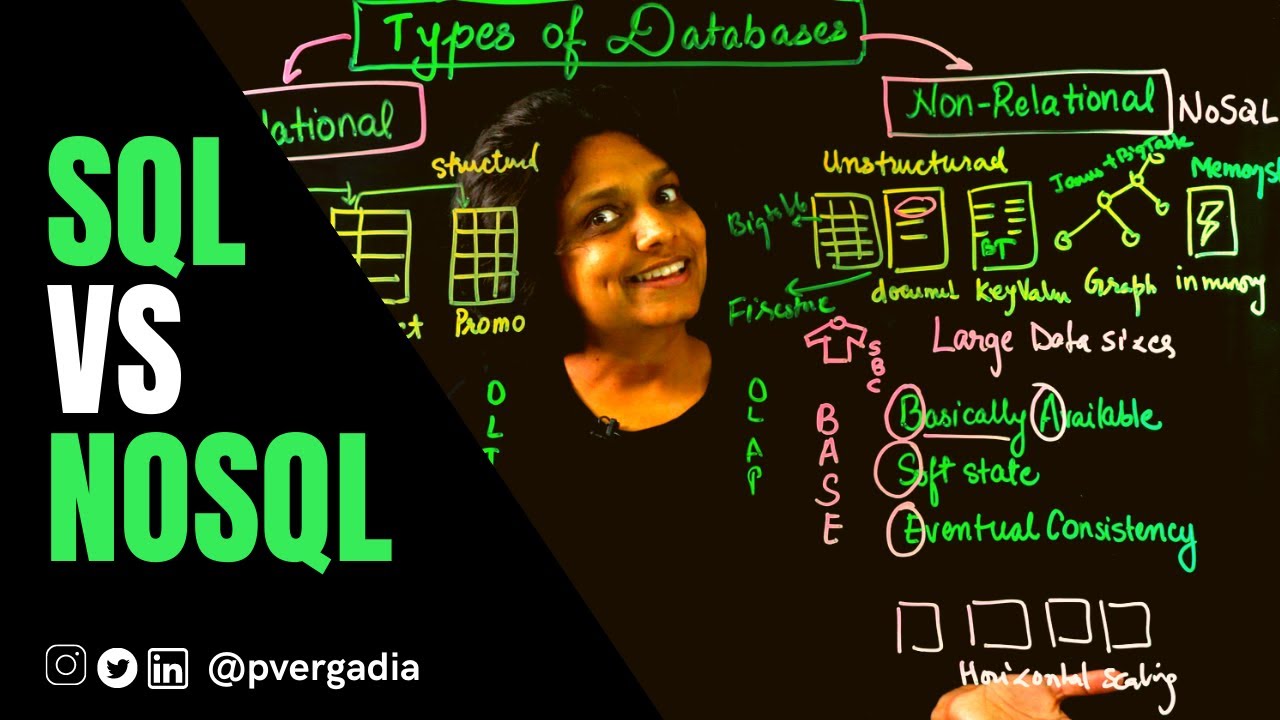
and data types associated with them and that's why it's known as highly structured Big Data uses a combination of unstructured and structured data and what's known as semi structured data all these different kinds of data also require many different kinds of databases what we've been working with and what sequel server and Oracle and my sequel and Postgres sequel those are all known as relational databases otherwise known as our DBMS but there's also non-relational databases out there what's known as no sequel databases most of these are for application based data unstructured data and big data it's
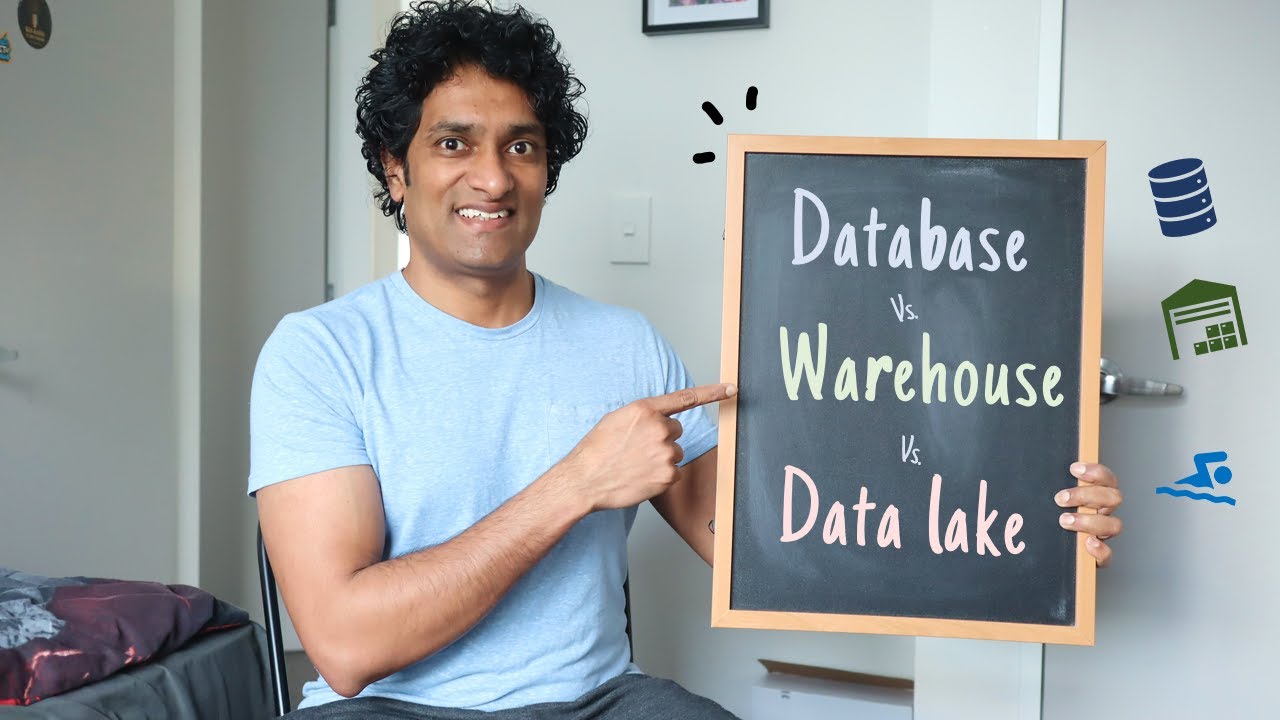
also worth mentioning that cloud vendors like Microsoft Amazon and Google all have products and services for spinning up databases of any type in the cloud all three of those vendors support relational databases and non-relational databases and give us a way to store big data small data unstructured data and connect to it from anywhere in the CBT nugget we cover databases in the real world by talking about the different kinds of data the different types of databases and where they fit in the big picture I hope this has been informative for you and I'd like to
thank you for viewing