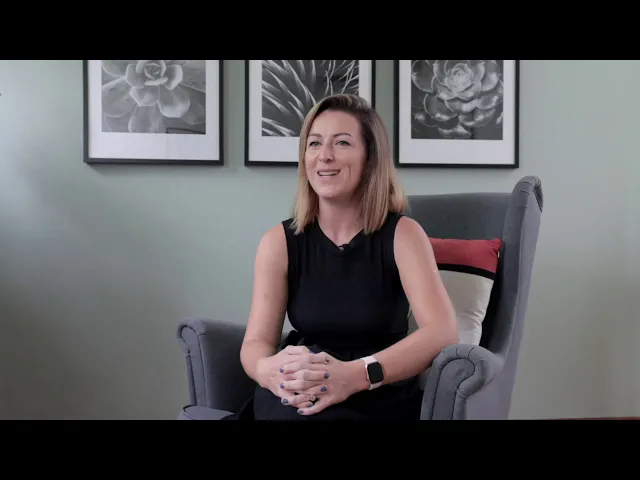
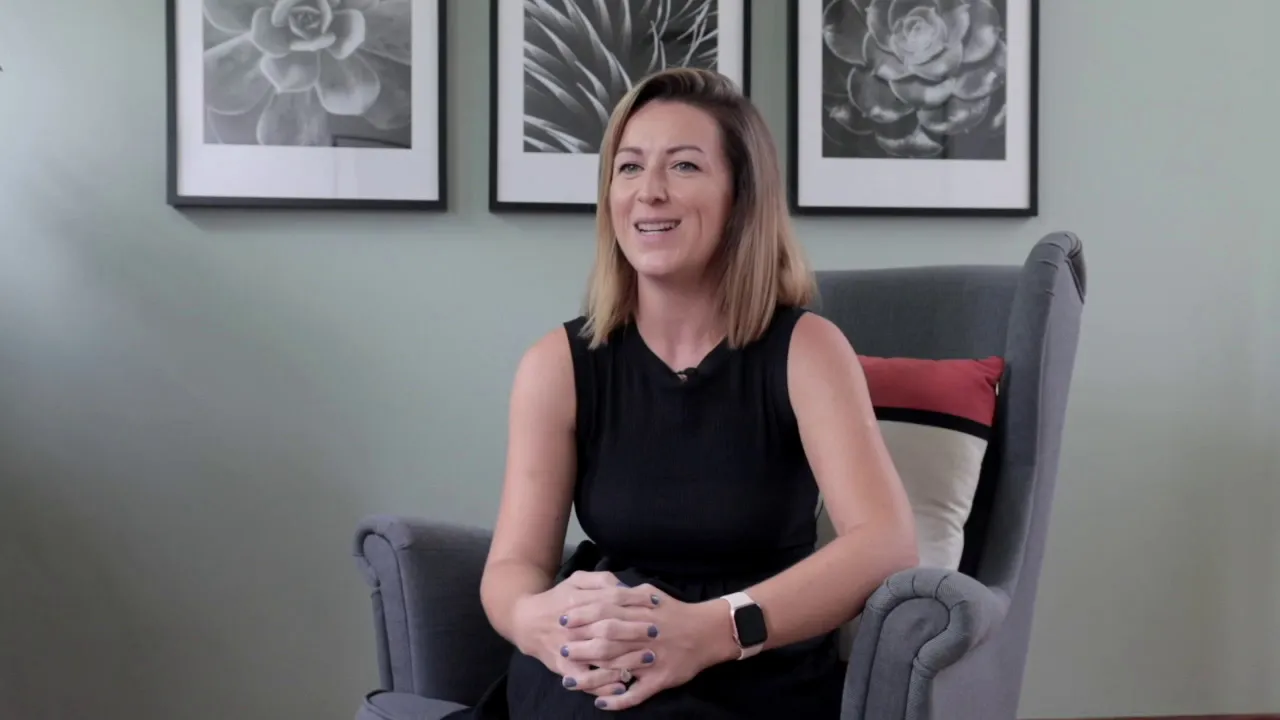
[Music] hi I'm dr. Josephine Carlisle a clinical psychologist here Alive's counseling and I'm here to talk to you about motion regulation in teens when I say a motion regulation what I mean is the process of accepting and managing difficult emotions and thoughts so that even in their presence we could continue to act in ways that move us towards our goals and in ways that are in line with our values teens and adults alike may experience problems with emotional dysregulation but teens in particular are vulnerable and that's because they're undergoing enormous changes in the architecture of
the brain they're reaching sexual maturity surrounding to develop a sense of identity and independence they're dealing with peer conflicts all whilst being under increasing pressure at school experiencing emotions and tense emotions and emotional dysregulation is part of being a teen however in the absence of appropriate coping skills problems can develop they might develop habitual patterns of responding in an attempt to soothe themselves which end up being self-defeating so for an example they may engage in self-harming behaviors or substance use or it might be more subtle covert internalizing behaviors such as avoidance and suppression if these
become habitual ways of responding this is likely to lead to further emotional difficulties and reduce the amount of goal directed behavior so example if a teen finds their emotions are intolerable they are trying to escape them by avoiding things and that cost them the things that they care about like meeting up with friends or even attending school it's important for teens to learn to identify label accept and manage the intense emotions that do come along with adolescence and this starts with the adults around the modeling healthy ways are responding to their own and others emotions
adults can promote self-regulation in teens by showing them that emotions are a normal and necessary part of the full average life and they can be tolerated and accepted I'm sure we've all been told and heard ourselves saying things to our children like don't be scared stop crying don't worry but these in themselves are completely understandable responses because we want to protect them from pain and we want to protect ourselves from emotional pain but this may send a subtle but powerful message that emotions are intolerable they're not the correct response to the situation and they need
to be avoided children and teens need to have their emotional experiences validated and that means letting them know that their emotional experiences their understandable they can be accepted and expressed in an appropriate way you can actually start improving your own and your family's emotional regulation today by focusing on your health and well-being things like good nutrition and good sleep regular engagement in exercise pleasurable activities hobbies connecting with friends and loved ones and spending time on small mindful practices such as whilst you're walking focusing on your surroundings and on your body rather than what's going on
inside your mind and making mental to do this for example the researchers suggested that all those small things I just mentioned can be very effective strategies for improving your mental as well as physical well-being sometimes teens and families need extra support from professionals therapists psychologists counselors like us here Alliance can support teams and families to have a greater understanding of the origins and triggers and meanings of the behaviors and emotions that they see in their teens and they can assist them to develop skills and strategies for dealing with the emotions and for dealing with triggers
such as relationship difficulties they learn how to tolerate intense emotions and allow them to pass for example therapist here alliance will use models such as cognitive behavioral therapy dialectical behavioral therapy and acceptance and commitment therapy so that they can become better able to accept and tolerate their emotions and continue to engage in things that are important to them you might be watching this and thinking it's too late for me or my child you know we've gone through that teenage stage but yes it is important to teach emotion regulation to say 11 to 15 year olds
whilst that development is happening but research shows us that that development continues to 25 and maybe even beyond so even if you're watching this and you're 65 it's not too late to make positive changes to your emotional health thank you [Music]