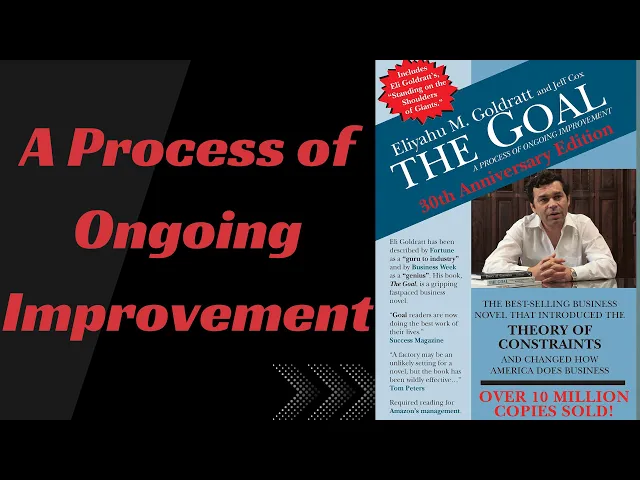
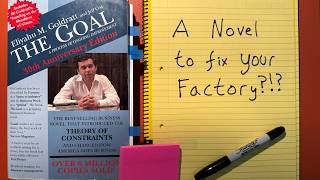
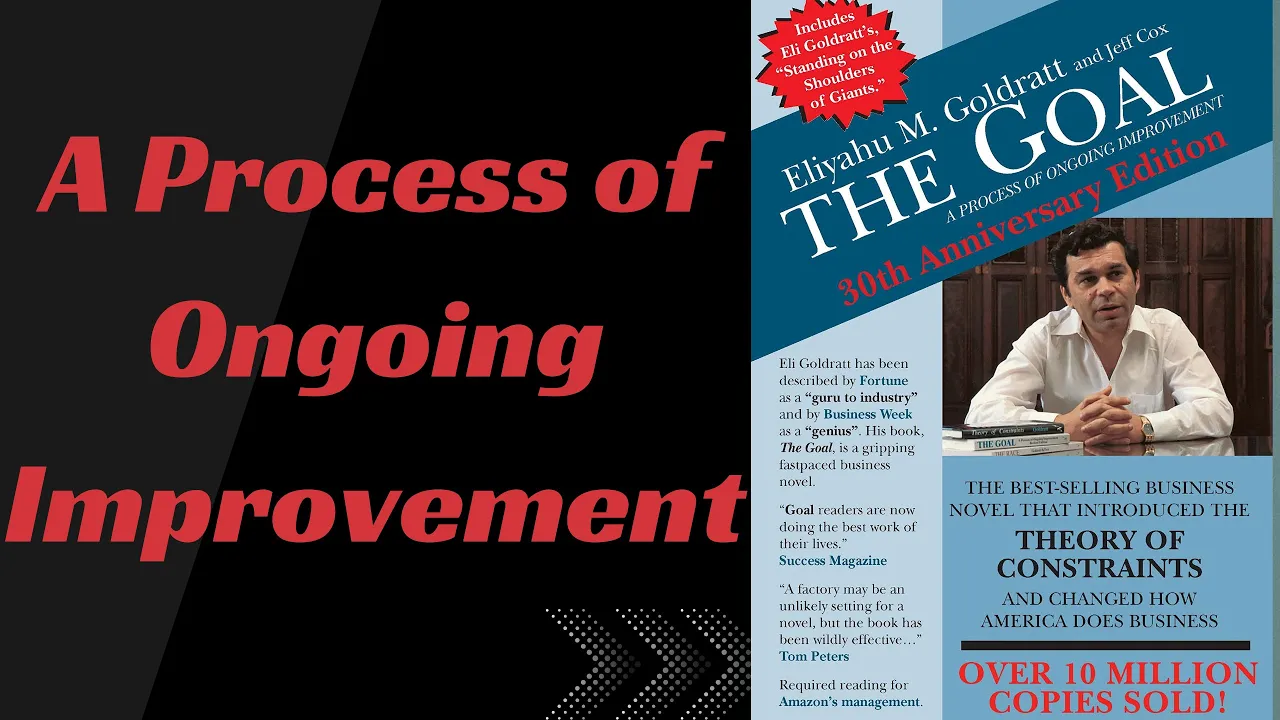
manufacturing plants face the constant challenge of achieving profitability through maximizing efficiency reducing waste and increasing output but what if a manufacturing plant is struggling and is expected to improve its productivity enter the goal by eliyahu goldrat a trailblazing example of the business novel genre that seamlessly Blends fictional storytelling with practical business advice in this book you follow the corporate journey of Alex rogo a factory manager rushing to save his Factory from closing through Alex's perspective you uncover valuable insights into topics like streamlining manufacturing operations and enhancing team productivity the book presents a framework that Alex
uses to tackle the challenges facing his manufacturing plant which could be applicable to your own situation to improve manufacturing productivity it is crucial to understand the plant's production processes and embrace change the goal offers valuable lessons on how to achieve this by learning from Alex's trials and tribulations you'll discover how to identify bottlenecks prioritize Improvement efforts and drive efficiency gains in summary the goal by eliyahu goldrat provides practical Solutions and insights for improving manufacturing productivity if you're a manager of a manufacturing plant facing difficulties or expecting to improve productivity this book can help you tackle
the significant challenge ahead idea one the importance of identifying and addressing bottlenecks in manufacturing manufacturing plants face many challenges from ensuring product quality to meeting customer demand however one of the most significant challenges is identifying and addressing bottlenecks points in the production process that slow down the entire system in the book The goal by Eli Yahoo goldrat Alex rogo's Journey highlights the importance of identifying and addressing bottlenecks in manufacturing operations rogo's Factory was struggling with production slow and customer orders piling up by investigating the business from end to end rogo realized that one machine was
causing a bottleneck in the manufacturing process reducing productivity throughout the system he knew he had to act fast to save his struggling Factory rogo implemented a series of experiments to increase the machine's capacity and reduce the amount of inventory in the system he also learned that manufacturing plants can have multiple bottlenecks at the same time while addressing one bottleneck can lead to an improvement in the system's overall performance other bottlenecks may still emerge this highlights the importance of continuously monitoring the production process and proactively identifying new bottlenecks as they arise rogo also found that simply
increasing the capacity of the bottleneck machine could lead to unintended consequences instead he had to strike a balance between the machine's capacity and the demand for its output adjusting it is necessary to optimize the system's overall performance identifying and addressing bottlenecks in a timely manner is critical for improving manufacturing efficiency reducing waste and increasing profitability it's important to remember that bottlenecks can change over time so continuous monitoring is a key strategy for ensuring that manufacturing operations run smoothly in summary the book The goal by eliyahu goldrat and Alex rogo's Journey provide valuable insights into the
importance of identifying and addressing bottlenecks in manufacturing operations by continuously monitoring the production process and proactively addressing bottlenecks manufacturing plants can improve efficiency reduce waste and increase profitability idea 2 prioritizing metrics for profitability in manufacturing plants to maximize profitability in a manufacturing plant it's important to prioritize three essential metrics throughput inventory and operational expenses while monitoring these metrics is crucial it's equally important to optimize them to make significant improvements Alex rogo's success story highlights the significance of these metrics by increasing the speed of the bottleneck machine he improved throughput freeing up cash to invest in
other areas of the manufacturing process he tackled the issue of excess inventory making his plant more profitable finally he reduced operational expenses making the plant more sustainable in the long run what's inspiring about rogo's story is how he used these metrics to guide his decision making he didn't just rely on his instincts he analyzed the data and used it to make data-driven decisions this allowed him to maximize his limited resources and achieve the best possible results to achieve similar success manufacturers must monitor and optimize these three metrics continually this data-driven approach can identify areas for
improvement and Inspire meaningful change by optimizing the production process reducing waste and increasing profitability manufacturers can create a success story that inspires others for years to come idea 3 using the scientific method for Effective problem solving in manufacturing plants managing a manufacturing plant successfully requires a data-driven approach as exemplified by Jonah and rogo the scientific method is an effective tool for problem solving and decision making it involves three key steps formulating a hypothesis designing an experiment and adjusting your approach based on the data starting with a hypothesis you make an educated guess about what is
causing the issue in your plant the next step is to design an experiment to test your hypothesis this experiment should be able to gather data and analyze the results finally you must be willing to adjust your approach based on the data refine your hypothesis and continuously experiment until you find a reliable solution rogo used this approach to tackle the bottleneck in his Factory hypothesizing that a machine was not working at full capacity and causing inventory buildup he then designed experiments to increase the machine's output and reduce inventory through analysis of the data he found the
right solution a balance between capacity and demand the scientific method helps to make informed choices Based on data rather than intuition avoiding common business pitfalls such as making assumptions or jumping to conclusions without all the facts by using this method in your plant you can create a culture of continuous Improvement encouraging your team to think critically and systematically about problems and to use data to inform their decision making will Foster more effective problem-solving skills better use of resources and lead to a more profitable plant idea 4 valuing the human factor in manufacturing plant management to
effectively manage a manufacturing plant it's important to understand the importance of the human factor workers are not just machines but valuable contributors to the plant's success by involving them in the problem-solving process valuing their insights and ideas and giving them autonomy and a sense of ownership over their work you can create a more cohesive and motivated team incorporating worker satisfaction and motivation into your management strategy can also lead to increased productivity and engagement as well as better retention rates by recognizing the value of the human factor you can create a sustainable system and Achieve long-term
success remember managing a plant isn't just about optimizing production processes and analyzing data it's also about building a strong and supportive team by prioritizing the human factor you can foster a culture of collaboration and continuous Improvement ultimately leading to Greater profitability and success idea 5 the importance of continuous Improvement in managing a manufacturing plant continuous Improvement is key to long-term success in managing a manufacturing plant this requires a commitment to monitoring the plant's performance and constantly looking for ways to improve it even after overcoming initial crises by setting up systems to monitor performance involving workers
in the improvement process and being open to new ideas and approaches you can create a culture of Excellence that leads to Greater profitability and efficiency rogo Story shows us the importance of prioritizing continuous Improvement he realized that there was always room for positive change even after overcoming the initial crisis in his plant by constantly seeking out new ways to enhance the plant's performance he fostered and sustained a culture of Excellence resulting in a highly efficient and productive system to achieve continuous Improvement it is important to involve workers in the improvement process monitor the plant's performance
and be open to new ideas and approaches by following these steps you can create a more efficient productive and profitable plant that strives for excellence ultimately a commitment to progress is essential for boosting productivity efficiency and profits across the board summary Alex rogo's journey to success as a plant manager is a testament to the importance of taking a holistic approach to managing a manufacturing plant instead of focusing on isolated issues rogo tackled the challenges facing his plant by taking a practical and realistic approach to problem solving he recognized that a successful plant depends on optimizing
the production process embracing data-driven progress prioritizing workers well-being and committing to continuous Improvement rogo story highlights the importance of taking a practical approach to plant management instead of relying on theoretical models or rigid Frameworks he focused on identifying the most pressing issues facing his plant and developing practical solutions to address them by leveraging data-driven insights he was able to identify bottlenecks and inefficiencies in the production process and take corrective action to optimize plant performance furthermore rogo recognized that the success of any manufacturing plant is heavily reliant on its Workforce he prioritized his workers well-being by
creating a culture of excellence and involving them in the improvement process by giving workers autonomy and a sense of ownership over their work he increased their motivation and engagement resulting in a more cohesive and productive team rogo also prioritized continuous Improvement recognizing that a plant's long-term success depends on its ability to adapt and evolve over time by setting up systems to monitor plant performance and identify areas for improvement he created a sustainable plant that could weather any crisis that arose in conclusion Alex rogo's story provides valuable lessons for plant managers looking to create a thriving
and sustainable manufacturing plant by taking a holistic approach that prioritizes practical problem solving data-driven progress worker well-being and continuous Improvement you can create a plant that thrives in today's competitive business environment now thank you for taking the time to watch and if you found value in this video be sure to hit that like button and subscribe to my channel and in case you want to buy the book use the link in the description trust me you won't regret it