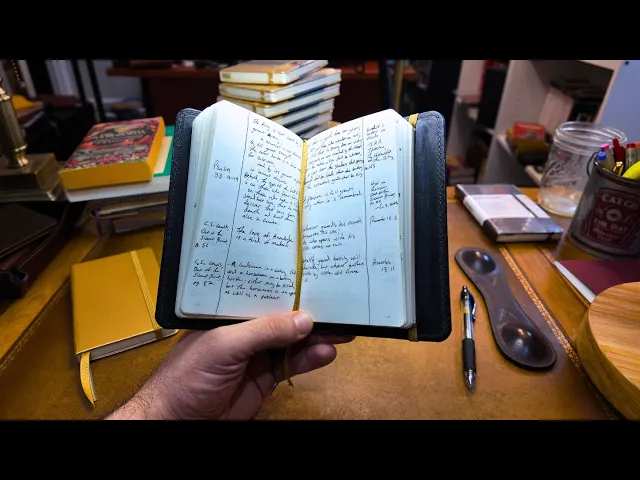
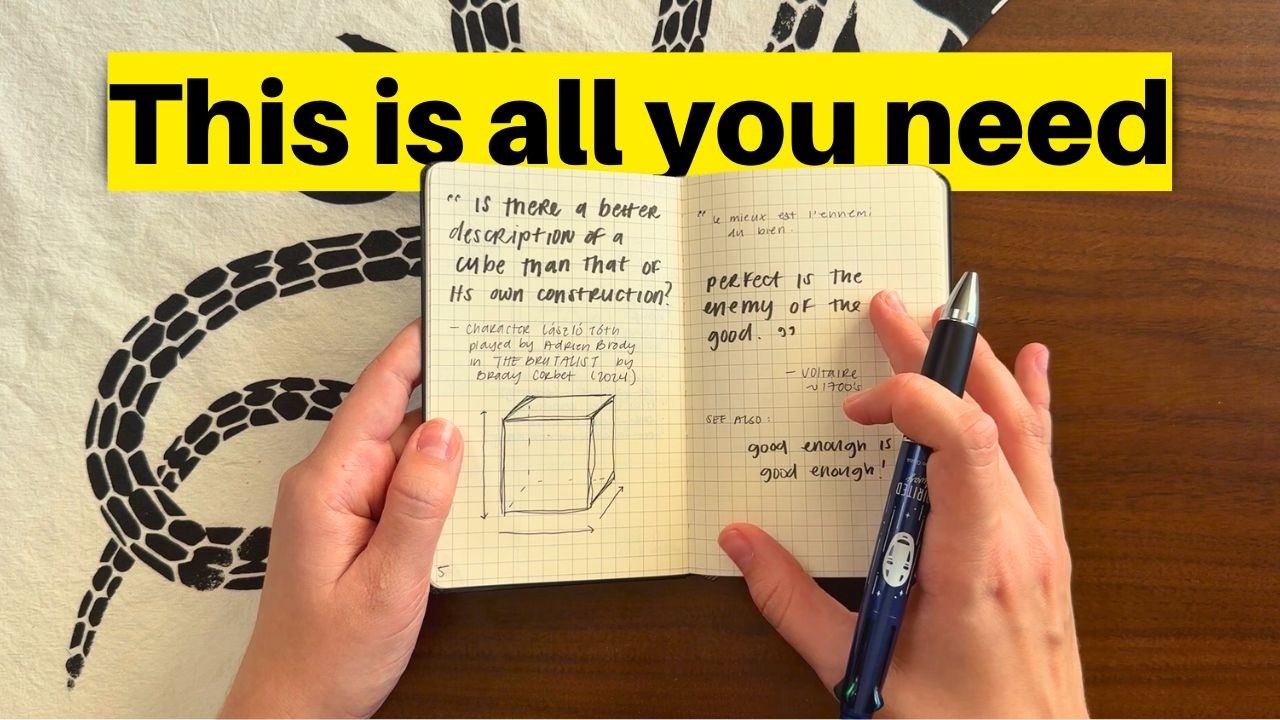
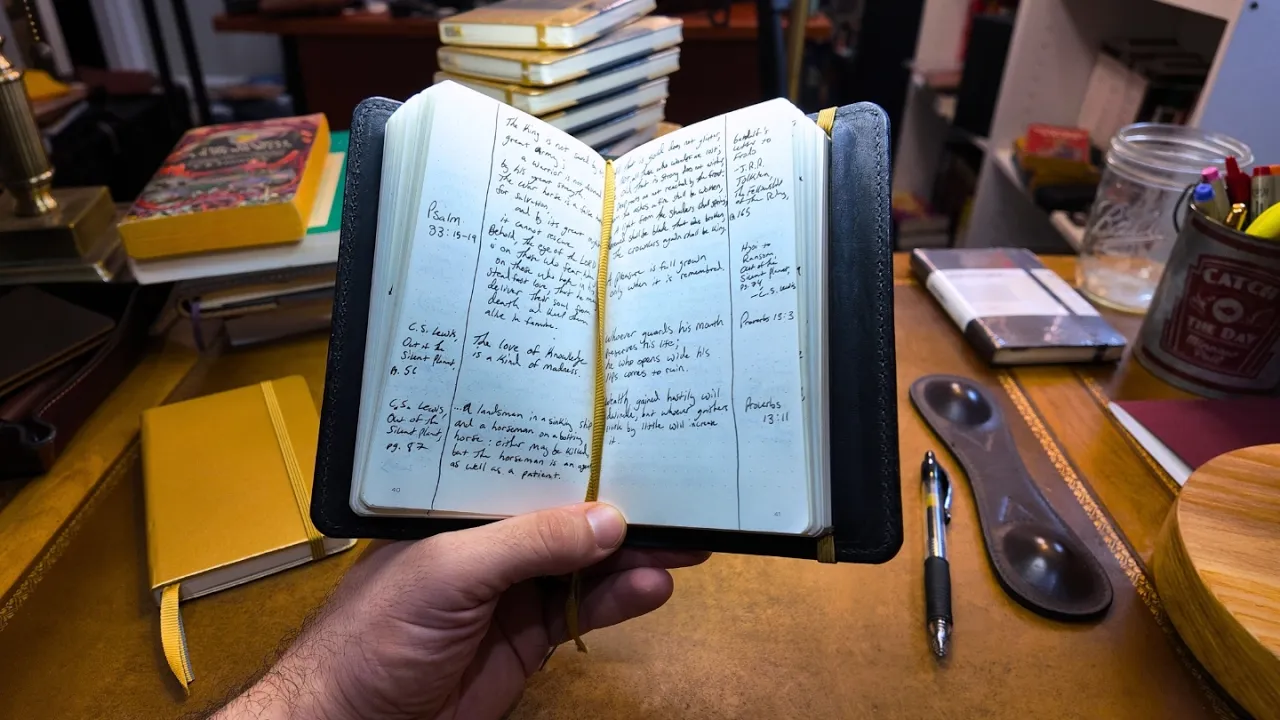
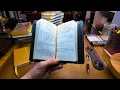
a pleasure is full grown only when it is remembered see us Lewis out of the Silent Planet that was a quote from my pocket Proverbs commonplace book this is my collection of sententia or sententia that is wise sayings Proverbs and aphorisms and epigrams and adages and anything that counts as a wise saying that goes in my pocket Proverbs commonplace book this is one way that I have helped myself stop infinite scrolling infinite scrolling is always calling to me there are a bunch of different habits that you can put in place in order to keep yourself
from igniting that infinite scroll you can take them off your phone you can change your password there are a bunch of things that you can do to stop yourself from infinite scrolling but my favorite way to fight Doom scrolling that infinite scroll is to bring this commonplace book with me to open it up when I'm tempted to scroll to read a y saying from inside here to then hold that in my mind and reflect on it and try to memorize it so I'm not just mindlessly thumbing through the pages here like I would be on
my phone instead I'm using it as a storehouse for wisdom and so while I'm avoiding the infinite scroll I'm hopefully also becoming a wise person or at least a person who has wise sayings on their tongue who can act on the wisdom that I've collected more readily because it's fresh in my mind Hey welcome to park notes I'm Parker setticase I'm a philosopher and theologian and this is a channel where I help you study think and read more deeply in this video I'm going to show you how to keep your own pocket Proverbs commonplace book
so in order to do that I want to describe commonplace books more generally and then give you some categories for keeping different kinds of commonplace books so you can get more clear on this style of keeping a commonplace book and then I'll get into the specifics of keeping a pocket Proverbs commonplace book so that you can start your own today this video is sponsored by brilliant but more on that later let's Jump Right In okay so first things first what is a commonplace book well I wrote it down because I've been working on this definition
for a long time now and while it may not be super perfect I think this working definition will be really helpful for us so here we go let me know what you think in the comments a commonplace book is a collection of quotations usually kept in a notebook which are organized according to a particular scope and for a particular purpose often according to common places or headings all right let me read that just one more time a commonplace book is a collection of quotations usually kept in a notebook which are organized according to a particular
scope and for a particular purpose often according to common places or headings now that's my working definition but so far so good I I think that's a pretty tight definition now I'm going to explain that for us especially the scope in the particular purpose and I also want to talk about common places because that is why they're called commonplace books but in order to wrap our minds around common places let me take you all the way back to Aristotle just really quick so in his major works on logic called the organon and I think also
in the categories Aristotle coined this term common places in the erasmian Greek that I learned in graduate school it is cooi tooy but modern Greeks are not going to like that pronunciation I'm sure whatever it is loai communes in Latin it is common places in English these common places were like headings under which Aristotle was categorizing and classifying different arguments so he would give a common place he would give a common heading and this heading would stand for different types of arguments so Aristotle was interested in organizing different argumentation schemes different forms of arguments different
syllogisms he wanted to categorize those for his student so in Aristotle's conception of common places it was just a heading which was classifying different arguments but there weren't really quotations it was just the syllogism or The Logical form of an argument and that was it but by the time of the Roman rhetoricians like Cicero and then 100 years later quintilian quotations were being added into common places in order to provide examples of those argumentation schemes in practice so Aristotle did the hard work of classifying different types of arguments and then Cicero and quintilian these rhetoricians
were coming along and adding quotations here is this argument in practice from this moral philosopher from this other rhetorician from this influential senator from whichever orator is using the arguments so cisero really started this process of expanding the notion of a common place out from just the barebones argument to arguments plus quotations and then quintilian expanded that even further by including moral philosophy and even larger quotations and adding even more to the concept of common places now boethus really liked the purity of following Aristotle and so he tried to cut that back and say no
let's take quotations out of there that's like an appeal to Authority who cares if all these famous people have quotations using this argument is the argument valid is it sound are the premises true making a valid argument sound yes or no that's really all that matters but no one listened to boethus and the expanded concept of common places which included quotations just ballooned up more and more and that was passed on into the Renaissance and all the way up until today and so what Aristotle initially called common places is more like a compendium today which
is just the raw information just the facts just the details and the word common places has been absconded with and dragged over here into the commonplace quotations literature and conversation and that's where I come in I've picked up the concept I've analyzed it probably to death for some of you but I think the categories that I'm going to give are super helpful actually so I want to quickly go over the four kinds of commonplace books that you can keep each one of them will actually help you avoid Doom scrolling but before we jump into that
conversation I want to talk about another tool which can help you prevent Doom scrolling that is brilliant okay so if you guys are a fan of this Channel at all if you've seen multiple of my videos then you've most likely seen me talk about brilliant I absolutely love brilliant I had a podcast called Parker penes for three or four years before I started Park notes and the whole time I was really hoping I could work with brilliant and thankfully Park notes took off and it was a much better fit for brilliant anyways but now I
get to work with them and I love it brilliant is where you learn by doing with thousands of interactive lessons in math data analysis programming and AI brilliant actually helps you build your critical thinking skills through problem solving not just memorizing so while you're building real knowledge on specific topics you'll also become a better thinker brilliant is a learning platform designed to be uniquely effective and they have this first principles approach that helps you build understanding from the ground up learning a little every day is one of the most important things you can do both
for your personal and your professional growth brilliant makes it easy to learn anywhere you are right there on your phone with fun lessons you can do wherever you have time whether you're diving into a new topic or doing a quick practice session You Can level up on the go in just minutes it's literally the opposite of mind Doom scrolling like I said they have a full range of courses on data and programming and math they have specific courses on algebra and geometry and logic and they even have programming courses like applied python creative coding and
thinking in code I've said this before but I absolutely love the course how llms work that is how large language models work it really helped me get a grasp on some of the Cutting Edge work in artificial intelligence so right now my Park notes audience gets to try everything brilliant has to offer for free for 30 days just visit brilliant.org parkes or scan the QR code on the screen or you can click the link in the description and you'll also get 20% off in annual premium subscription okay so big thanks to brilliant for sponsoring this
video now let's get into the four kinds of commonplace Books Okay so as we jump into the four categories or the four kinds of commonplace books that one can keep I want to just briefly bring up a couple tools from Aristotle in his works on definition and categorization Aristotle talks about A genus and a differentia A genus is like the big family unit and then the differentia is going to help you distinguish amongst different members of that family so for us our genus is commonplace book and remember a commonplace book is a collection of quotations
usually kept in a notebook which are organized according to a particular scope and for a particular purpose often according to common places or headings so that's our genus now what helps us differentiate between different styles and types of commonplace books well we use differentia or plural differenti so here we have two differenti the first is scope the second is purpose and we're going to mix and match those to get the four categories or the four kinds of commonplace books so when you go to make a commonplace book you have to consider the scope is it
going to be a general commonplace book or a topic specific commonplace book if the scope of the commonplace book is General then you're going to collect quotes from all the different things that you're reading or watching you're just going to put all of your favorite quotes inside one notebook that will serve as your general enal commonplace book but if you keep topic specific commonplace books then each one's going to have its own topic so it's going to be on government or Justice or philosophy of mind or wisdom and so that notebook is going to be
constrained to that topic okay so the next differentia is the purpose of the commonplace book what is the purpose is your commonplace book going to be a treasury of quotations that you've collected or is it going to be more of a place where you manuscript out your ideas and beliefs and thoughts on particular quotations that you've collect Ed so how you answer these is going to determine whether it's a treasury or manuscript commonplace book if it's just quotations it's treasury if you're adding your own ideas to it then it's a manuscript commonplace book I also
added another little distinction under purpose here personal or public the practice of publishing commonplace books is out of style now but it used to be a thing people still keep lots and lots of personal commonplace books but back in the day people would coate all these quotations together in a commonplace book and they would print it whether it was a general commonplace book or a specific commonplace book like a commonplace book on the Sciences some great thinker would collect a bunch of quotations together that would help people learn and then they would be Mass printed
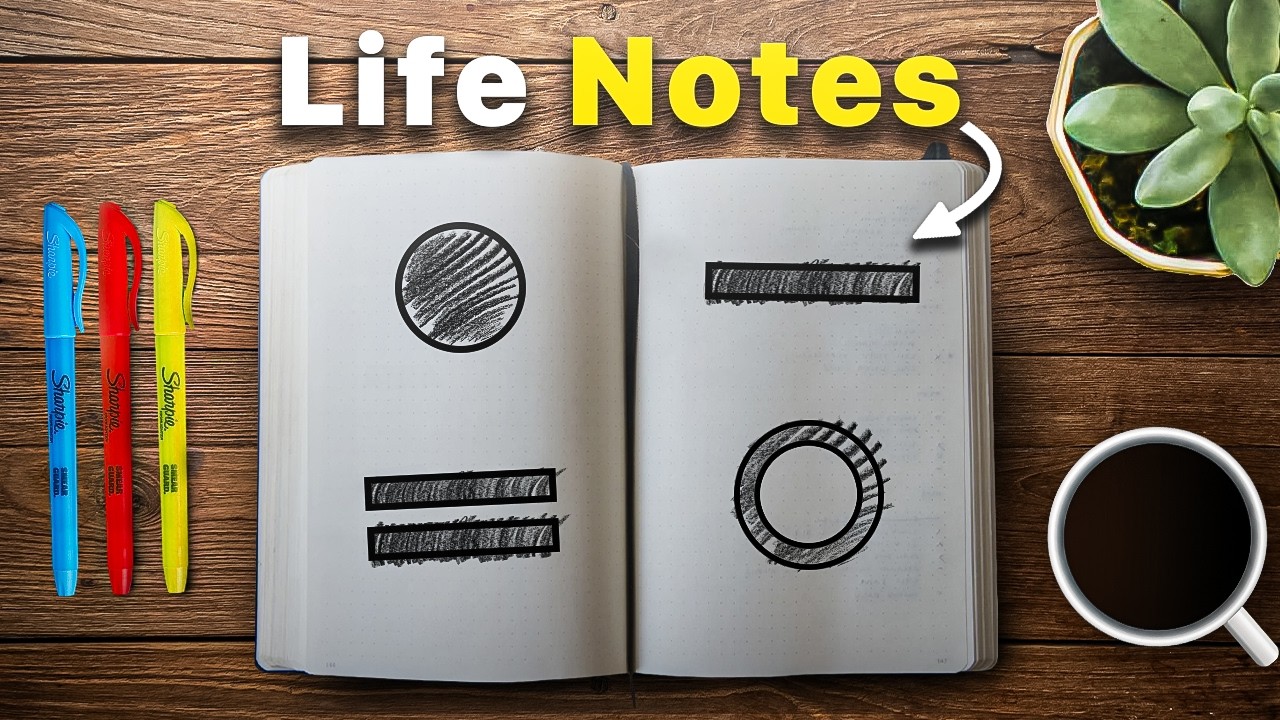
and sold to the public so this distinction isn't super helpful but I want to come back to it later so there you have it we have the genus which is commonplace book we have two sets of differentia scope and purpose and these are going to determine the type of commonplace book that you're keeping so we can do a fun little punet square here and get the four types of commonplace books on top we have the scope General and specific specific and on the side we have the purpose Treasury and manuscript so just pun it Square
these out and you have a general treasury commonplace book this is going to be a general collection of quotations you're pulling them from wherever the commonplace book does not have a topic specific theme to it the theme is just collect my favorite quotations so that's a general treasury commonplace book next up we have a general manuscript commonplace book this is like the one we just discussed but instead of only collecting the quotations you're also going to add your own thoughts and ex Jesus to the quotations there in the margins or underneath it and maybe you're
even mapping out blog posts or university papers or Journal articles or whatever the general manuscript commonplace book is a working commonplace book this is not something that you would have printed and published whereas maybe a general treasury commonplace book you would then moving over a row we have a specific treasury commonplace book this is going to be a commonplace book that is dedicated to one topic and you're just collecting quotations about that topic there in your commonplace book so it's a treasury but it is limited to one specific topic and then lastly we have a
specific manuscript commonplace book this is a commonplace book dedicated to one specific topic but you're also manuscript out your own ideas and papers and research articles and topics it's another working commonplace book but it is limited to one specific topic so if you're a pastor maybe you have a specific manuscript commonplace book where you manuscript out your sermons or your a teacher and you keep a specific manuscript commonplace book for your social studies curriculum I think you guys get the gist it's a topic specific manuscript commonplace book and that's it it's pretty simple don't get
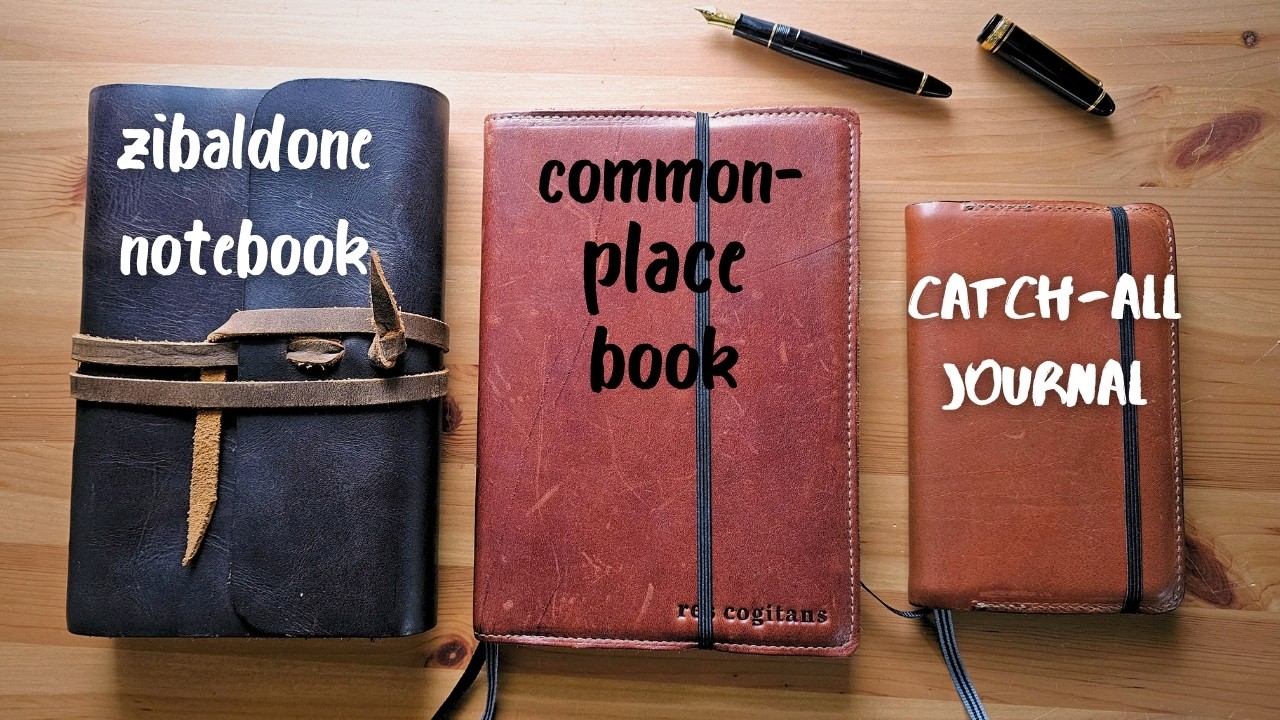
confused by the genus and differenti language that's just my way of Trojan horsing in a little Aristotle to you guys but the basic concepts are super simple and that will be really helpful for you in starting your own commonplace books now really briefly I want to distinguish between a commonplace book and a zbl dona journal and a catchall journal A commonplace book like I said is determined by its scope and its purpose and it's often going to be arranged by Common headings or common places that's why it's called a Common Place book so you're going
to find a common theme like justice or Mercy or logic or reason I can only think about theological and philosophical terms right now maybe love or CS Lewis or Batman fantasy or science fiction whatever categories you want to use commonplace books have historically utilized common places like that in order to arrange and store the quotations that have been collected so common place is determined by scope purpose and often by their common places a zbl Don notebook is what a lot of people today think of as a commonplace book it is just a One-Stop shop for
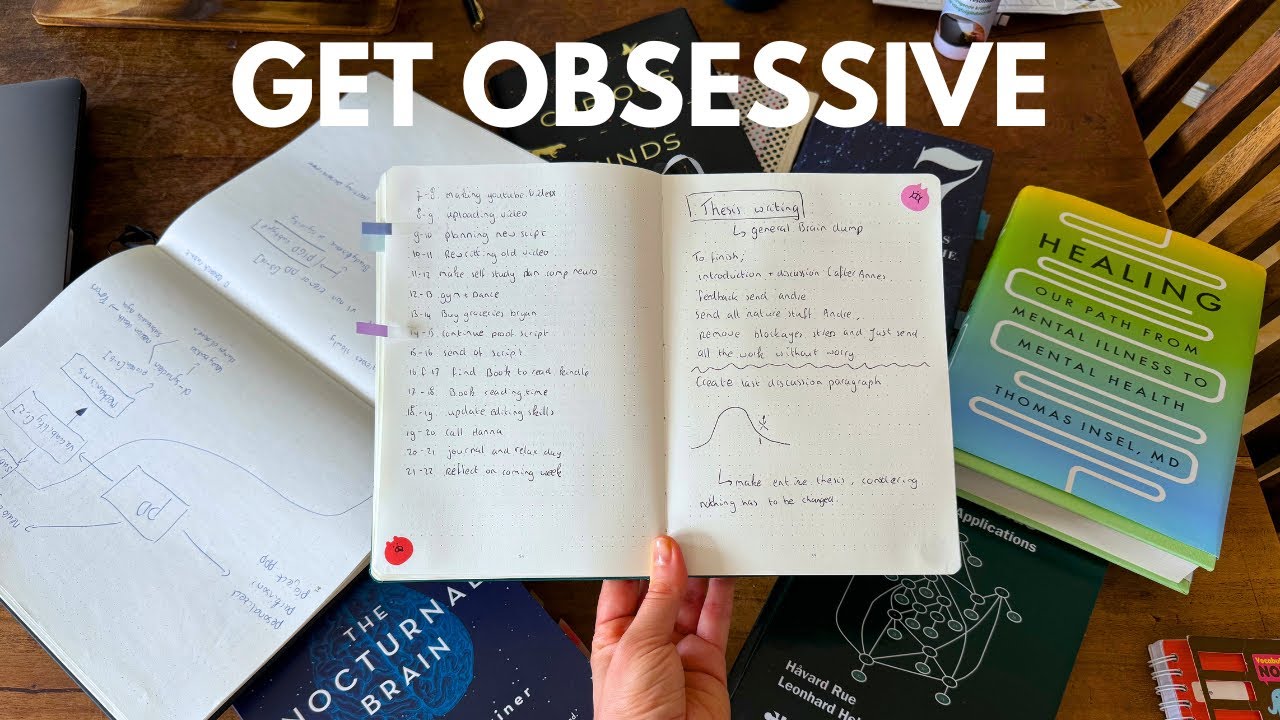
collecting all your favorite quotations and even your own ideas and your own poems and it's just this big salad of ideas and I use salad intentionally because zalon was this older Italian word that meant salad and this idea became popular in the Renaissance but it has a much broader scope than any commonplace book is going to have even a general scope commonplace book is going to be limited to collecting ideas from others through collecting quotations but a zil donate can have your own ideas in there as well and they don't have to be about the
quotations that you've collected in distinction from a manuscript commonplace book so a zbl donate Journal is just a collection of ideas it can include your own ideas and the ideas of others and these aren't going to use common places they don't have common headings that they're arranging their quotations and ideas according to and then we have a catchall journal or catchall notebook this is like a zibal dona plus daily tasks plus everything else it's literally a catchall anything you need to remember goes in your catchall so that could be like passwords and emails to send
reminders task lists honeydew lists all sorts of stuff everything goes in your catch all not so is that distinction super uber important it is to me cuz I like getting clear on different things but I know some people are like look I just need a notebook to put all my stuff in and I don't really care which category it falls into that's fine that's totally okay but as you do this more and more maybe you'll find yourself wanting to make more distinctions and if so I'm your guy all right so now that we've done all
this leg work we can finally get to the pocket Proverbs commonplace book okay so my pocket Proverbs commonplace book is a topic specific treasury commonplace book and because of that I don't need common places in here I don't need headings it's not that kind of book this is meant to be flipped through rifled through ruminated on yes I may be looking for specific quotes here and there but as I'm looking for them I love flipping through and seeing other ones I've collected so I think if I put common places in here it would just continually
be wisdom oh at the top of here wisdom wisdom wisdom it would defeat the purpose of using common places so again because this is a topic specific Common Place book and it's a treasury and it's meant for rumination and reflection I don't need common places I don't need headings to categorize the different wise sayings that I've collected I even wrote that here the scope is wisdom and the purpose is contemplation memorization and helping me refrain from the infinite scroll so this is my pocket Proverbs I keep this with me to help me avoid infinite scrolling
but I'm also going to take my favorites from here and put them in a separate notebook that will be like a best of these are the best says I've ever found and I'm going to put those in their own topic specific treasury commonplace book in something big like that I'll probably end up using common places and I'll have to figure out different ones than just wisdom but the purpose of that book is going to be different than the purpose of this one that won't travel with me that will probably be something more like a family
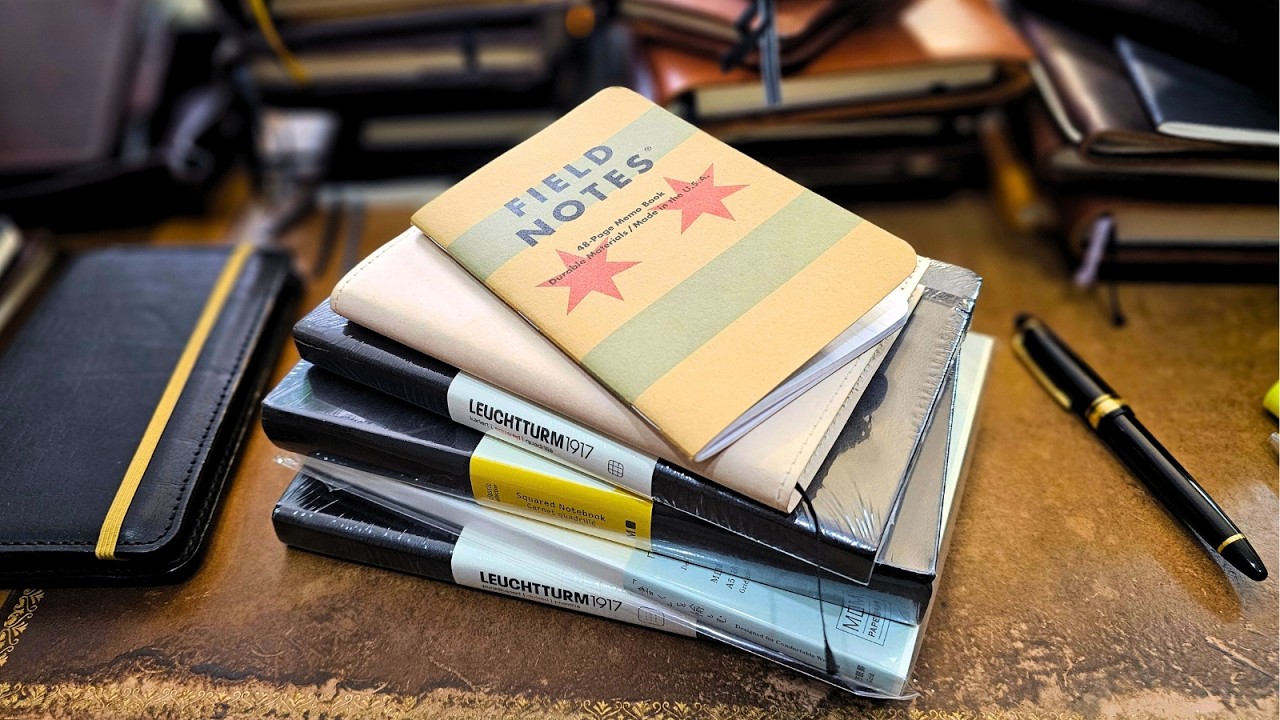
book of wisdom that I pass on to my daughter and hopefully she passes on to her kids and on and on and on it goes so even though it may be the same scope of collecting wise sayings the purpose is going to be different and that's going to determine how the book itself is kept so this is just a norm con original leather cover on a ly term 1917 A6 pocket and this is the Gold Edition I have a fresh one right here blank one it's dotted I really like the dotted ones because I can
just count the lines I count over five and then I draw a line here then I can have the citation here and the quotation here and the dots give me enough structure to write the quotation at least somewhat legibly these gold ones were a special edition they called them metallic and this was the gold metallic and they went on sale so I picked up just a bunch of them as many as I could find cuz they're going to serve as the inserts for my pocket PR Common Place book for hopefully many many many many years
and Lord willing I will fill all of these with wise sayings and I will reflect on them and I'll become a Super Wise dude because of it but you don't need one of these I use this to motivate myself and it has to do with the proverb that wisdom is worth more than gold and so I took a gold notebook and I wrote a bunch of wisdom in it just to remind myself of that why saying and how important wisdom is but you can just grab one of these regular L term 1917 a six pockets
and start your own pocket Proverbs today how much better to get wisdom than gold to get understanding is to be chosen rather than silver Proverbs 1616 so here on this front page I have some epigrams and dictums these are just cool things that I really like they help motivate me and get me in that mode to receive and reflect on wise sayings so like I said I just go five dots over I haphazardly draw a line and then I can put the citation and the quote ation and then I just give a little blank here
and it looks pretty nice I mean it's not perfect or anything like that but this really does help me stop scrolling here I have a little marker here reminding me that I have only gotten that far in my printed commonplace book so like I said earlier there's a distinction between personal use commonplace books and public use commonplace books printed commonplace books they were coated and printed for public use and so I'm actually doing that on my substack Parker's ponderings I'm going through this pocket proverbs commonplace book and I'm publishing it on my substack for my
paid subscribers so this is a modern way of what people used to do when they would make a commonplace book and have it printed for the masses I'm just doing this on my substack so if you guys are interested in that definitely check out the link in the description and I'm also doing read throughs so if you're here on YouTube and you're a YouTube member you can watch a video of me reading through lots and lots of these I got a lot further in my readr so far I made it all the way here so
38 pages of sententia sententious maxims wise sayings epigrams all that good stuff uh you can watch a video of that here on YouTube if you're a YouTube member you can watch that on patreon if you're a Parker's Pen's Patron you can watch that there and you can also watch that on substack as well so this is something that I'm going to continue to do I collect all these wise sayings and they help me stop myself from infinite scrolling but I also want to share these quotations with you maybe they just inspire you maybe you'll find
your new favorite quotation but maybe they'll also will help you start your own pocket Proverbs commonplace book so if you need some quotes to get the ball rolling I've definitely got you covered so actually with that in mind what exactly goes in your pocket Proverbs commonplace book well it's a specific treasury commonplace book again the theme is wisdom so wherever I find wisdom I'm going to store that in my treasury commonplace book so here I have some quotations from Marcus aurelius's meditations choose not to be harmed and you won't feel harmed don't feel harmed and
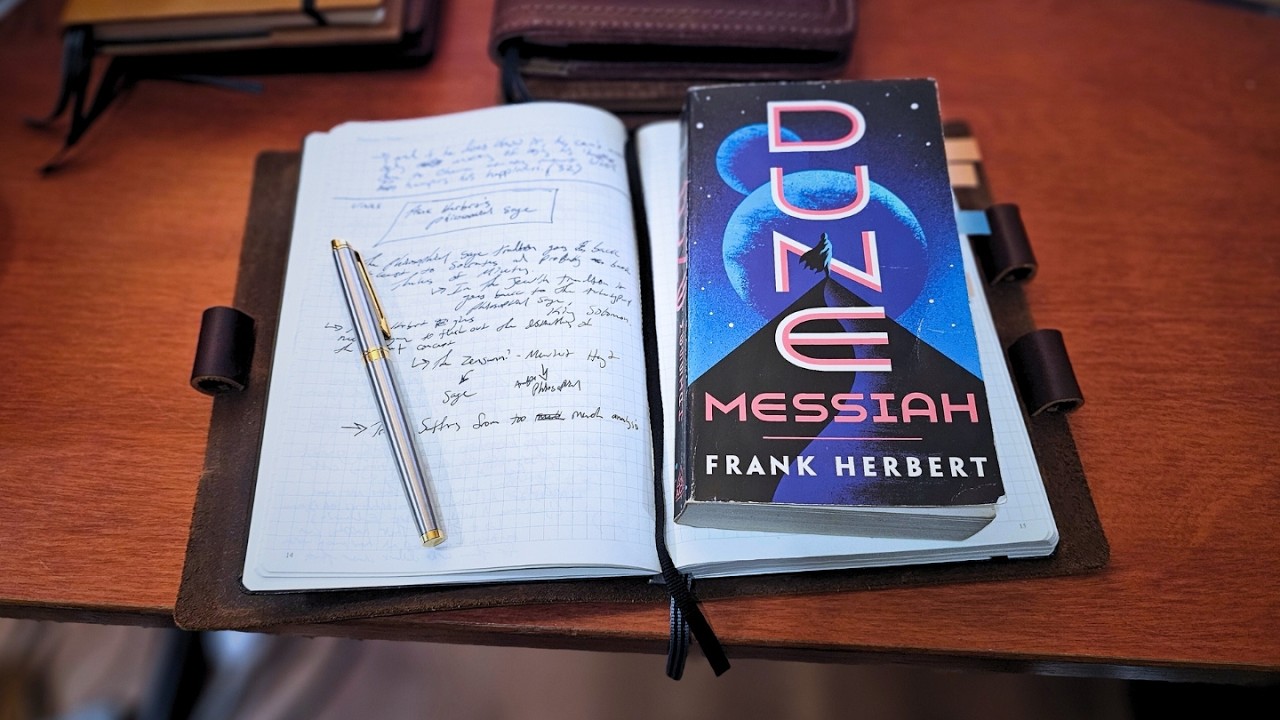
you haven't been I also have quotes from Frank Herbert's Dune Messiah truth suffers from too much analysis I have lots and lots of biblical quotes especially from The Book of Proverbs which itself is a commonplace book coated by King Solomon in order to help his sons be wise uh they were not wise rabam ended up destroying his legacy actually just like Marcus aurelius's son so the sons of the two philosopher Kings ended up being terrible terrible leaders seems like neither kedus nor rabam actually read the wisdom books that their fathers left for them in order
for them to be wise classic foolish mistake I also have quotes from The Clone Wars because they always have these really good epigrams before each episode I have blae Pascal I have CS Lewis I have master ugu from Kungfu Panda I have different dictionaries of Proverbs and I pull from those as well I take my favorites from there and I put them in here fod dovi like I collect wise sayings wherever I find them and I put them in my pocket Proverbs commonplace book and when I'm tempted to pull out my phone and scroll my
life away I just pull this out I read a wise saying and then I reflect on it and it gets me in a different state of mind I found it to be super duper helpful so one more resource that I'm going to leave for you guys I have a podcast called proverb pedaling it's on YouTube and Spotify I've only done a couple episodes so far but I'm going to take wise sayings from this commonplace book and I'm going to give them more ex aesus and historical background I'm going to draw out the philosophical implications from
those wise sayings I need to do much more of this and so if I talk about it hopefully I can paint myself into the corner and just make myself put out a bunch more episodes but if you're intrigued by wise sayings and collecting them then you'll definitely like my podcast proverb pedaling all right so that's it there are four ways that you can keep a commonplace book and the specific way that I keep this commonplace book in order to help myself refrain from Doom scrolling refrain from that infinite scroll hope you guys like that I
hope you guys learned something again if you want more wise sayings to start your own pocket Proverbs then check out my sub stack and consider becoming a paid subscriber that would be awesome and help support the work that I do here all right if you guys made it this far into the video then you're awesome leave me a little thinking Emoji in the comments and let me know your thoughts how do you keep your wise sayings which of the four common place books do you like best have you ever kept your own pocket Proverbs commonplace
book and if not would you consider starting one all right that's going to do it for now I'll catch you guys next time