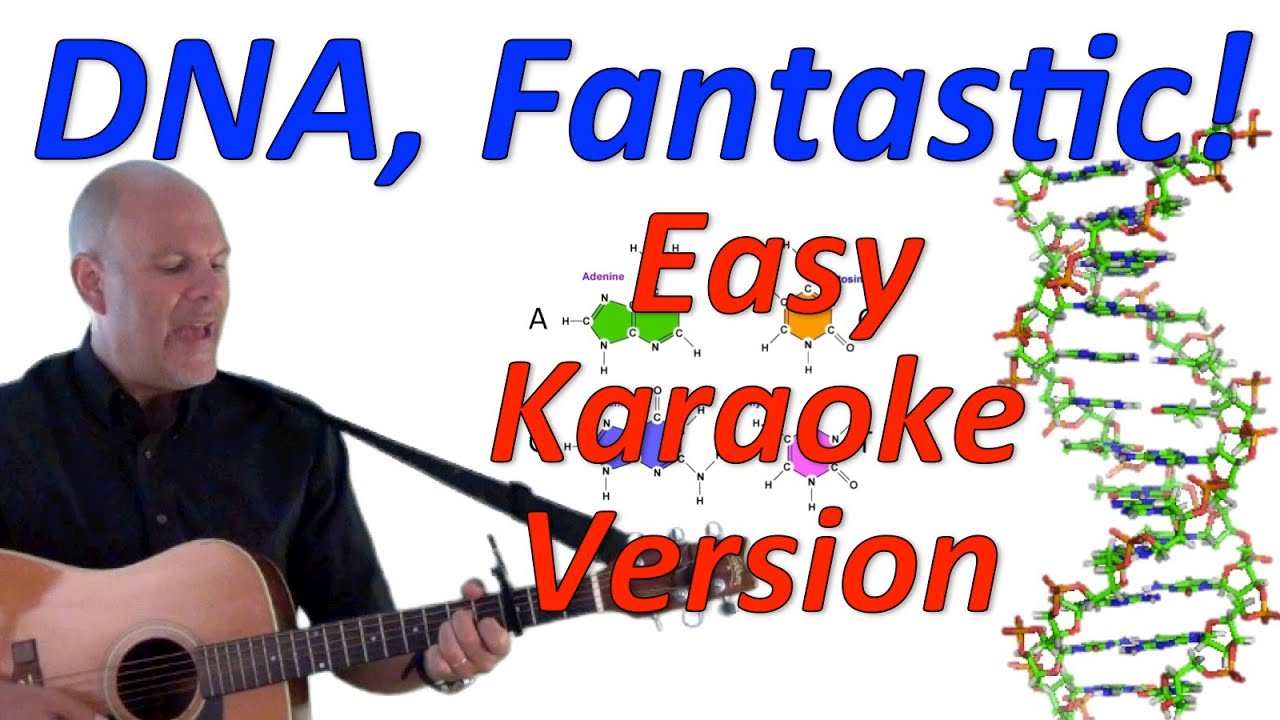
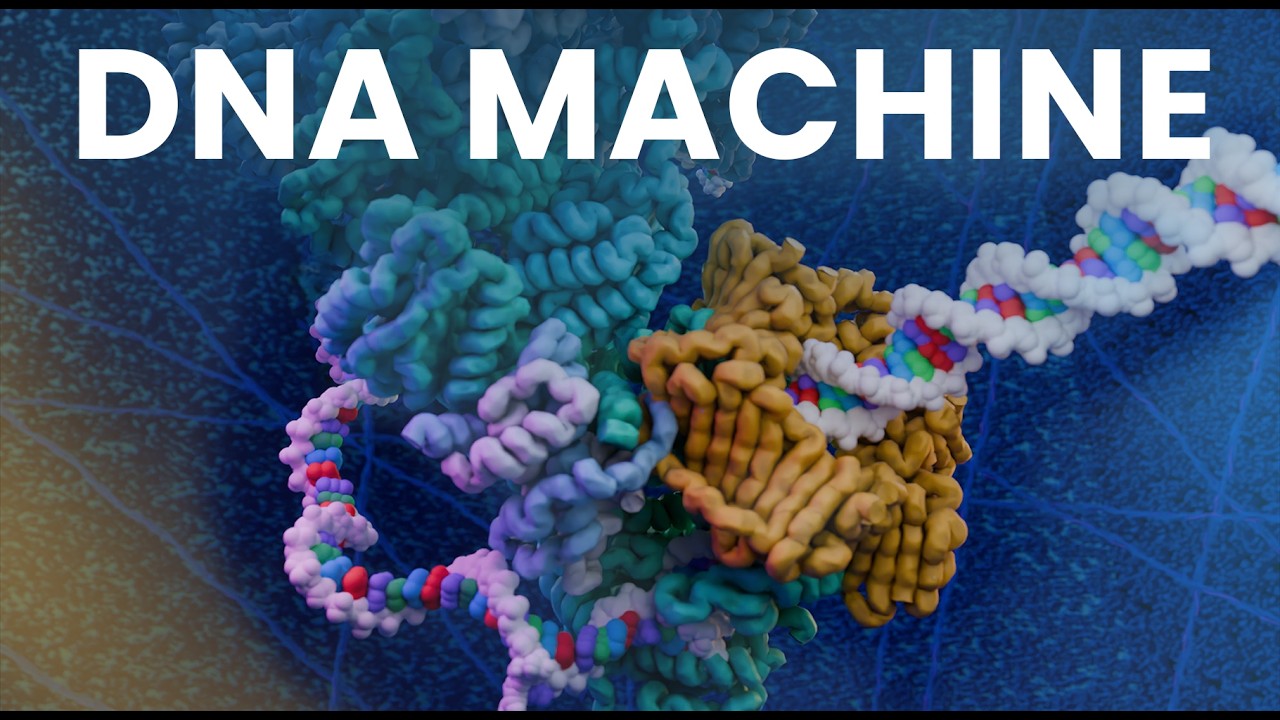
welcome i'm so happy you came by for a lesson about the essence of the iowa gy dna is a topic that's so fantastic we're talking about deoxyribonucleic acid if you've ever wondered about development and elephants are bumble bees coffee trees while dna is the recipe in its home in a chromosome and the nucleus dna drives the blessed genetically controlling us infernos and worms infectious germs mommy's egg and daddy sperm dna is the information linking up the generations it's a code of life so listen up well cause dna is the molecule in charge of every cell
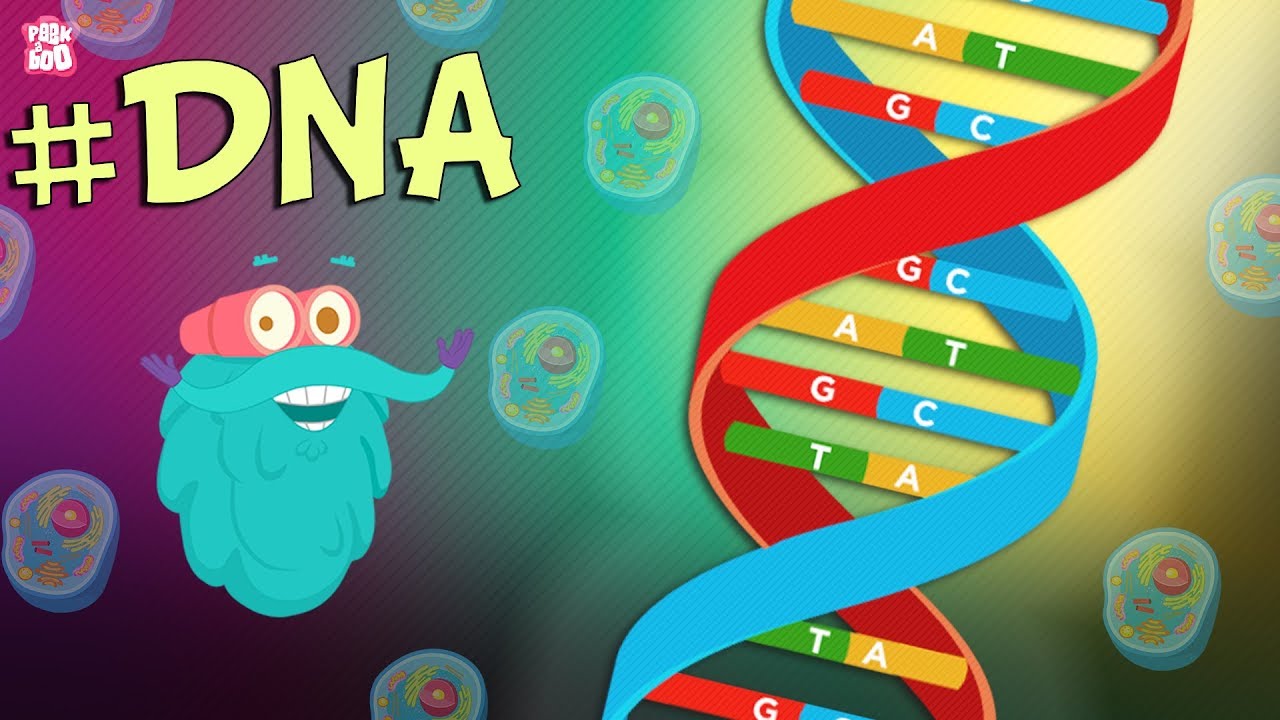
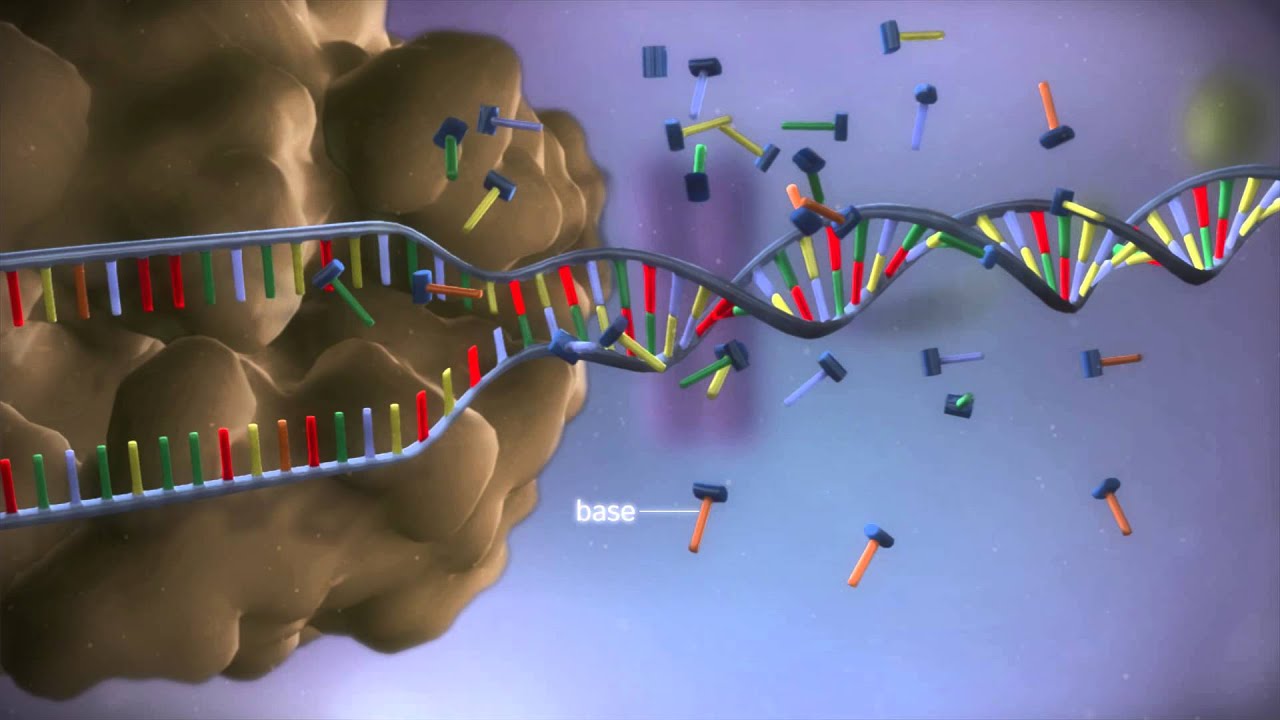
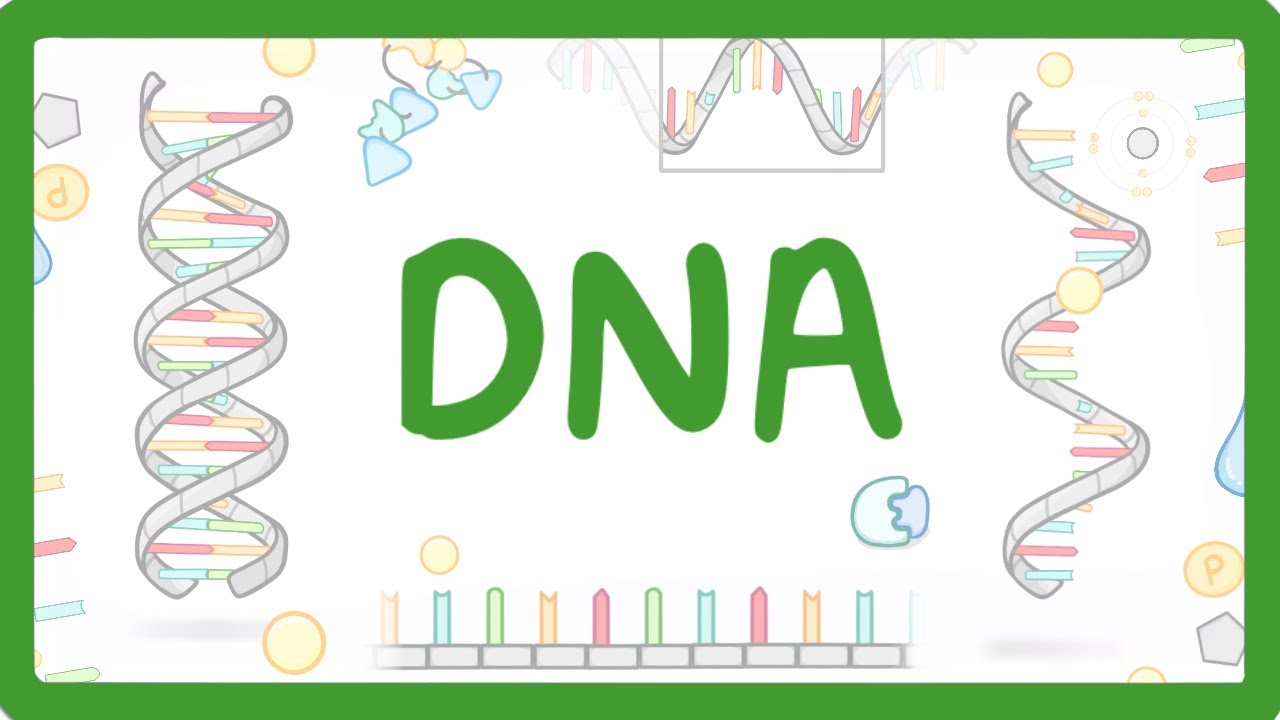
dna fantastic deoxyribonucleic acid we're talking about the oxyribonucleic acid dna fantastic the shape is key probably well known to you double helix twisted ladder or a double cork screw imagine a twisted length of tape with deoxyribo sugars on the edges with phosphate sugar phosphate sugar phosphate making up the sides of the ladder with nitrogenous bases on the inside with the bases like the rungs together with deoxyribose sugar and a phosphate make a nucleotide deoxyribonucleotides of the monomers lick them together for the dna polymer 0.34 nanometers marks the space between one nucleotide and the next one's
place and for the helix to make one turn takes 10 bases in a row as you can discern since space between nucleotides is 0.34 one turn takes nanometers 3.4 so stylish so slick first described in 53 by watson and creek and don't forget franklin she took that famous x-ray pic but she died so she never got a nobel prize the nitrogenous bases come in one of four varieties known by the letters a t c and g a is for adenine thymine's got the t c it stands for cytosine guanine's got the g a and g
with two nitrogen rings of purine c of t with one ring are pyrimidines c only bonds with g a only with t because like puzzle pieces they're complementary they fit together snuggled up like hand and glove like enzymes and substrates like people in love a t c g matched up like lock and key forming hydrogen bonds either two or three hydrogen bonds you know they aren't very strong but they're enough to hold dna together all day long the way the bases fit together couldn't be sweeter they give dna a with the two nanometers dna's double-stranded
looks pretty swell the strand's orientation is anti-parallel with one strand standing up the other on its head it's how they fit together quicken watson said dna fantastic deoxyribonucleic acid we're talking about the oxyribonuclear gasser dna fantastic sugars and phosphates make the backbone the structure but the sequence of bases is where you find instructions for development of bodies in the cytoplasmic symphony that constitutes like miracle on goats and golden algae your sequence of bases is unique a special batch unless you're an identical twin it's nowhere matched and you can bet that if you're not jango fett
that you've got no clone no one like you has been known our bases comprise our individuality you might have an a where i have a g explain it why i'm bald and you got all that hair these differences can show up anywhere the protein hemoglobin listen up well it carries oxygen in your red blood cells hemoglobin's made of four protein pieces a trait widely shared among animal species hundreds of bases spell with hemoglobin piece hundreds of a's g's t's and c's the gene starts c-a-c-g-t-j-c-a-c then t-g-a-g-g-a-c-t-c ctc the key is these bases are information for
hemoglobin's function and conformation hundreds of bases in a predetermined order a single change brings on a major disorder change t to a in one single spot this little point mutation might not seem like a line thymine to adenine might not seem that big to you but baby that's the cause of sickle cell anemia dna about the oxy ribonucleic acid dna fantastic you