We're around three K around those levels right now. Can we just start with some of the conspiracy theories out there at the moment? Maybe they're not conspiracy theories.
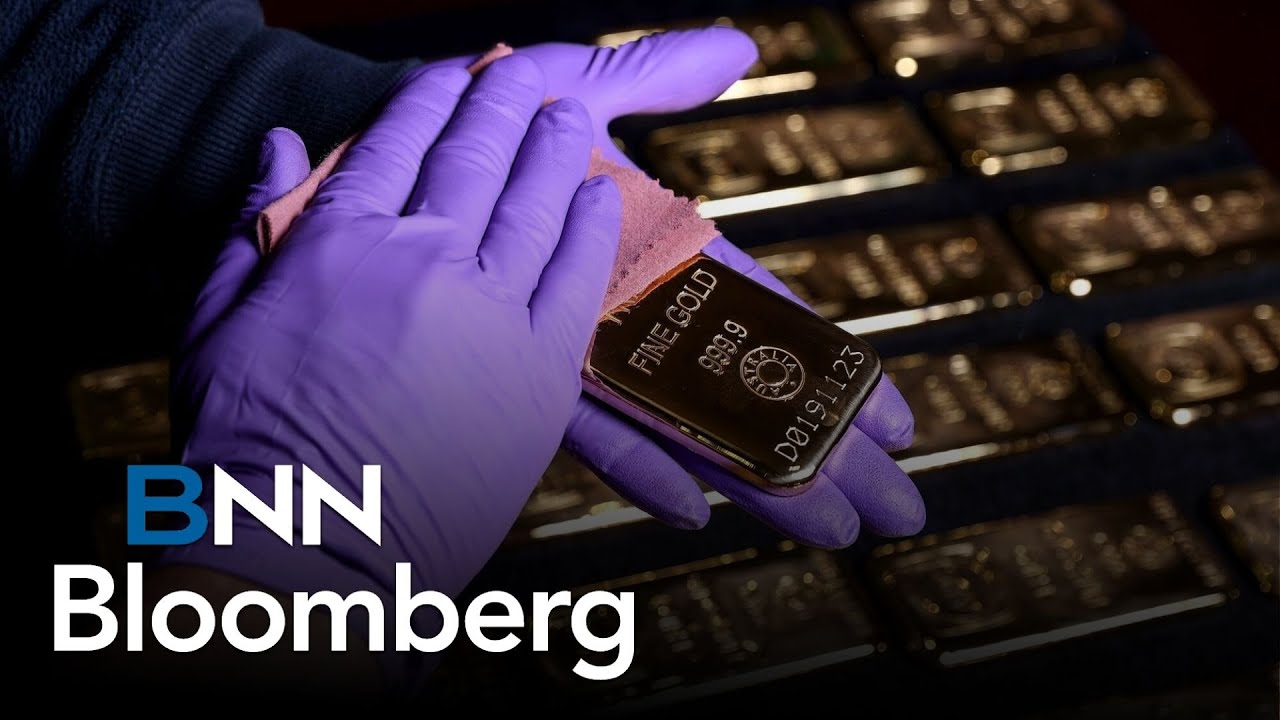
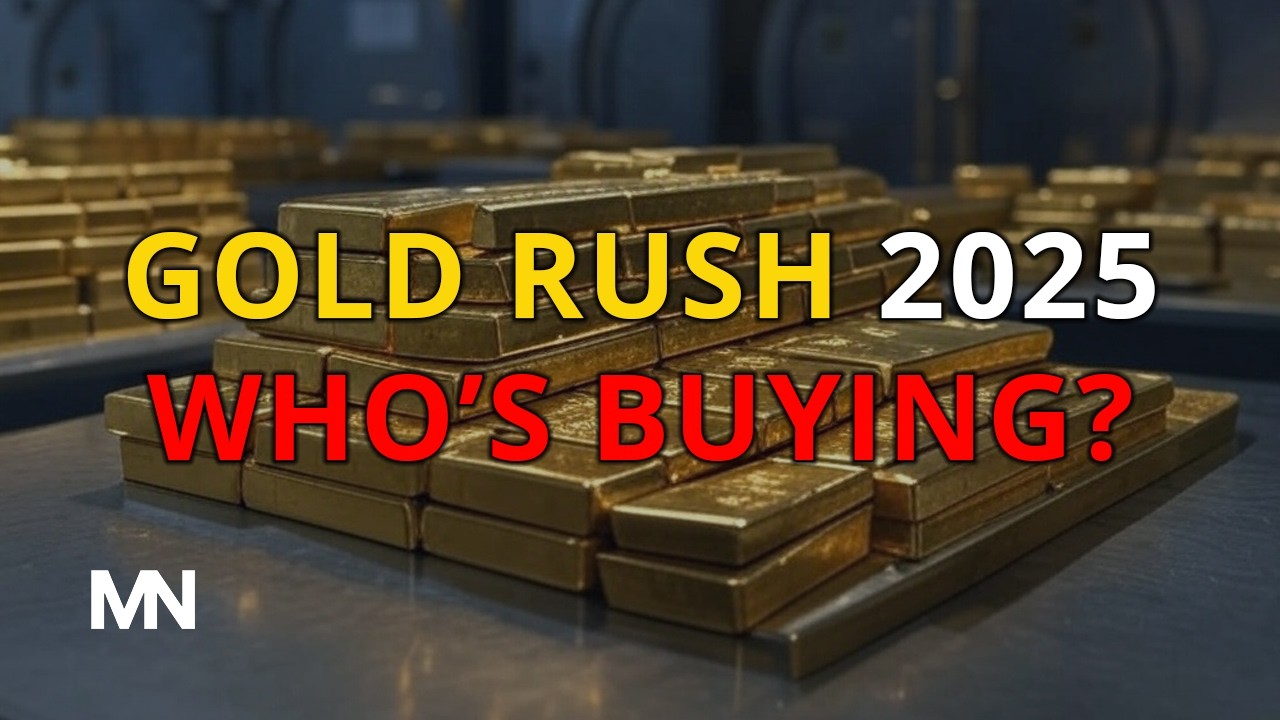
I want your thoughts on Fort Knox and where some of this buzz is coming from. Well, I really don't know how people cope with this things. You know, it's kind of a social media frenzy, probably.
But look, I mean, we've we've heard it from the US government that goes there. And will they need all of it? Will they want to have it all?
I don't know. But certainly those 8000 thousand go have been there for a very long time and the US government hasn't really changed its policy on gold holdings for four decades. Right.
So. So I, I think I think market itself to them the goals there. When you speak to clients Francisco if you've got a decent read on why we're seeing some of the movement we're seeing we've seen lots of reports about gold shifting from the United Kingdom over to the United States and being taken out of the vote to the Bank of England.
What is going on there? What's behind that? Well, there is there's a couple of different things.
There is as you know, there's been strong demand for gold from investors as a result of a lot of the the policy changes we've seen in recent weeks and months, but also as is the fact that tariffs could be applied on gold. So the U. S.
gold market COMEX trades on an on a net basis of all types. So what we've seen is forward points in the gold market have have essentially started to reflect some of that. And also we've seen shippers trying to move gold from London where the biggest market sits.
The London bullion market is the biggest in the world. And we've tried we've seen that physical arrangement to push gold out of of the UK into pretty much the US market. That's been what's been shifting the shape of the gold forward market, but also also I think, the uncertainty around how things will play out.
Gold's becoming, I think more or more a court tenant portfolios and, and frankly one of the few things, one of the few assets that has been providing diversification to equities and bonds and I think that's that's the that's the story. So we've seen, ironically, some backwardation kind of building back into into the market. Not yet, but but in the past it's happened.
It happened during COVID, it happened during the great financial crisis. So could we see it again if tariffs kick in? It's possible Francisco was someone who personally tried to visit the gold vaults in the UK and was rejected and told I couldn't.
I feel personally invested in this story. A physical arbitrage like this, How long can it continue this sort of dislocation in the market? It can go on for a while.
I have also visited the the New York Fed vault, and I did see a lot of gold when I was there 25 years ago. So so I think ridiculous. So just this a little anecdote, it was there in my I think was during my my associate program back back in the day.
But but I think the arbitrage can go on for a while until there is there's certainty on what will happen to tariffs. Right. And to me, I mean the whole the whole type of discussion is very much.
One tool to put pressure on on certain political goals. So as soon as as long as the Trump administration feels they can use tariffs as leverage because, look, I need to use them and therefore the gold market could still be tight for for several months. I think that gold you saw, that's the gold of the body and other central banks, right?
The Federal Reserve gold is other central banks. And our gold, the US is in Fort Knox. So interesting there where all that all this gold is stored around the United States.
We also spoke to Treasury secretary about this idea about monetizing the balance sheet. Many people thought he meant maybe actually remarking us gold. Now, he said that's not what he meant.
But what if they did do that? What would that mean for the price reaction? Oh, it's it's hard to say.
I mean, but I think remarking you US gold is an accounting exercise for the most part. But it would it would certainly increase the Fed's balance sheet quite a bit because that gold is marketed at a very low price, as you know. So it would effectively boost the Fed balance sheet and it would change the composition of it, at least on an accounting basis.
I think it would it would probably be bullish for the gold market because it would show that that gold is no longer this barbarous relic that has been sitting on central banks and been dismissed a little bit. But now even the biggest central bank of them all is taking a renewed interest in gold. So so certainly I think any any renewed attention will be constructive for the market.
That's my initial reaction. If it's constructive for the market and we do know this, an administration that likes to be creative, would you take it off the table? Oh, yeah.
It's it's it's possible they take it to say, well, I'm not sure why you want to boost the gold price at this point. I think what the US government is really trying to do is, is lower energy prices so inflation can continue to normalize and allow for lower interest rates. But I think they're also trying to weaken the US dollar.
I'm not sure how bringing attention into the gold market is going to help any of those two goals of bringing down inflation or three goals, right. Bringing inflation and bringing down interest rates and eventually weakening the US dollar, which is, as you know, a record high levels or near record high levels. Francisco, let's pick up on that last point.
Bring it down. Energy prices. How can they go about doing so?
Well, we've seen this past this past couple of weeks has been has been fascinating to watch. Right. We've had a meeting earlier in the week in Saudi Arabia, Russia and the U.
S. These are the world's three largest oil producers by a long, long stretch. And you can't help think that energy has been part of the discussions.
I think that that last third of gold that Secretary Rubio mentioning his comments of potentially engaging in some economic cooperation with Russia was was a bit of a surprise to many because European companies, U. S. companies have been pulling out of Russia for the last three years or trying to pull out of Russia for the most part.
So what does economic cooperation or meaning what format? Ultimately, Russia is a commodities producer, mostly of energy producers, so any cooperation is going to come on the energy front. So so we know that President Trump this was lower energy prices.
Is that part of the deal? I don't know. But for sure, something that that's been is been brought up in the conversations.
How do we how does the U. S. bring down global energy prices?
How does that impact the inflation picture? And also, remember, there's potentially an angle here, which is if Russia eventually gets sanctions relief, does that mean that that we have a new stream of petrodollars flowing into that market? And are those Petrobras potentially as well a source of funding for the US government down the line as as as we seek out this constant need to fill that $2 trillion budget deficit in Washington?