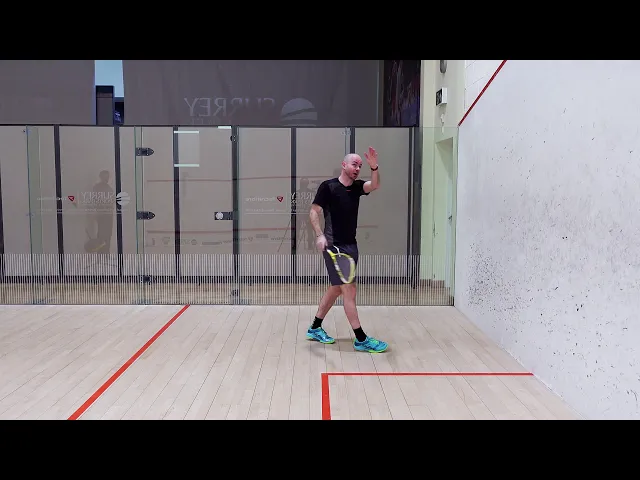
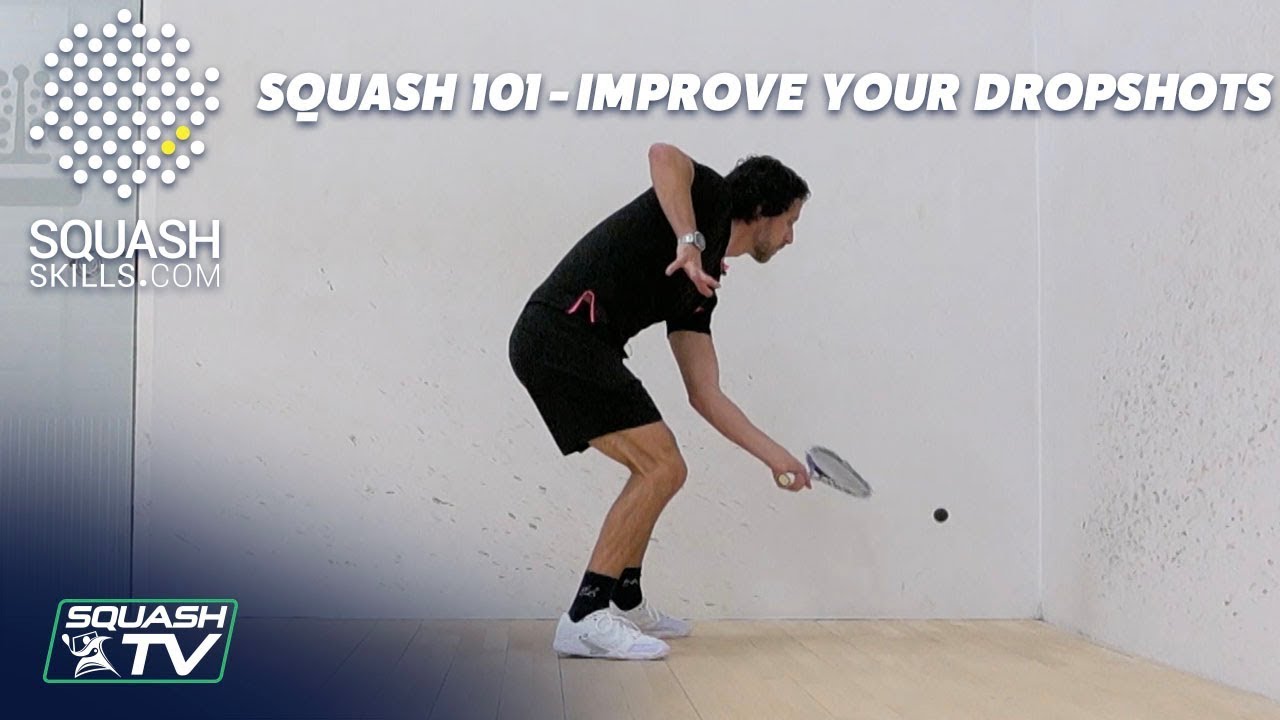
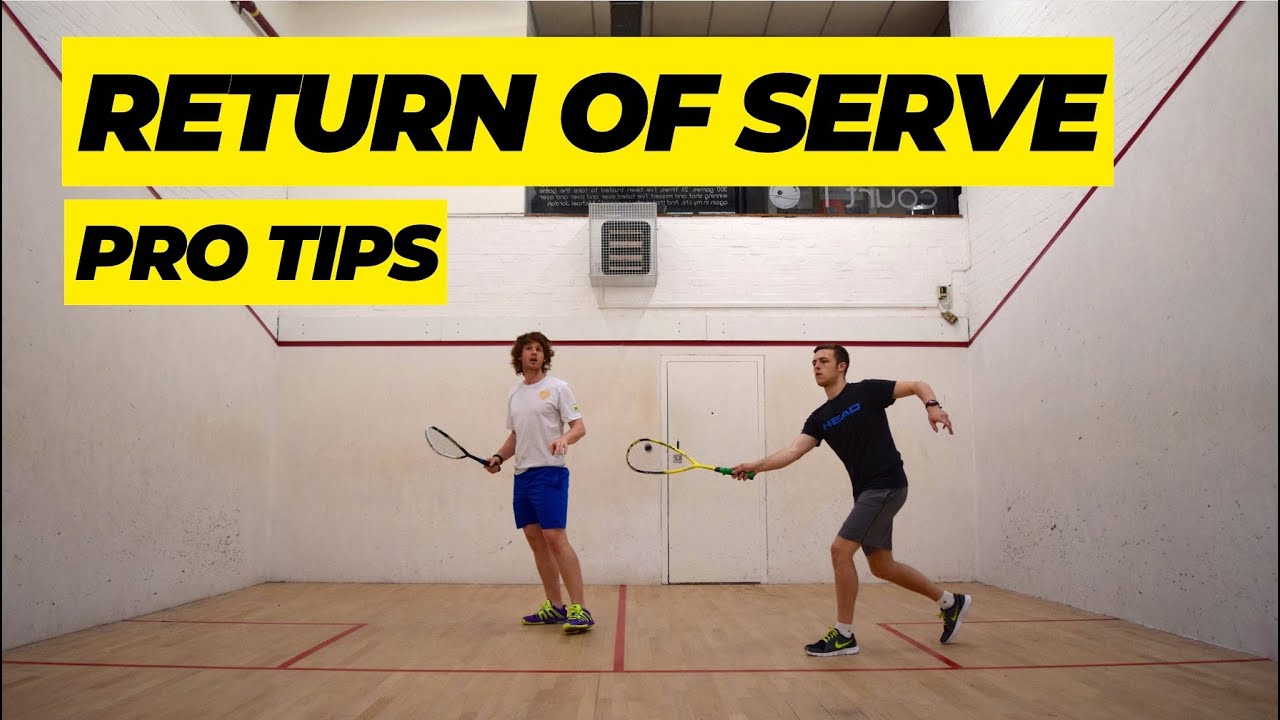
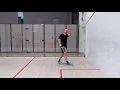
So this next video is going to look at the next option, so your opponent is still doing a forehand loopy serve, the reason the forehand loopy serve is slightly different from the backhand, the angles are slightly different, you'll notice as the ball is coming in it's going to push into that sidewall a little bit more and it's going to come out a little bit. When someone does a backhand loopy serve the angle is little bit narrower and we'll talk about that in a little bit of time, but the forehand loopy serve that's going to hit the sidewall now so really important again that you are good with your anticipation, you're good with your tracking following that ball and this one is so much about good timing, we've got to get your timing working well. If you're not timing it well, if you're snatching it, if you're flinging the racket and hoping for the best, man it's just going to go nowhere.
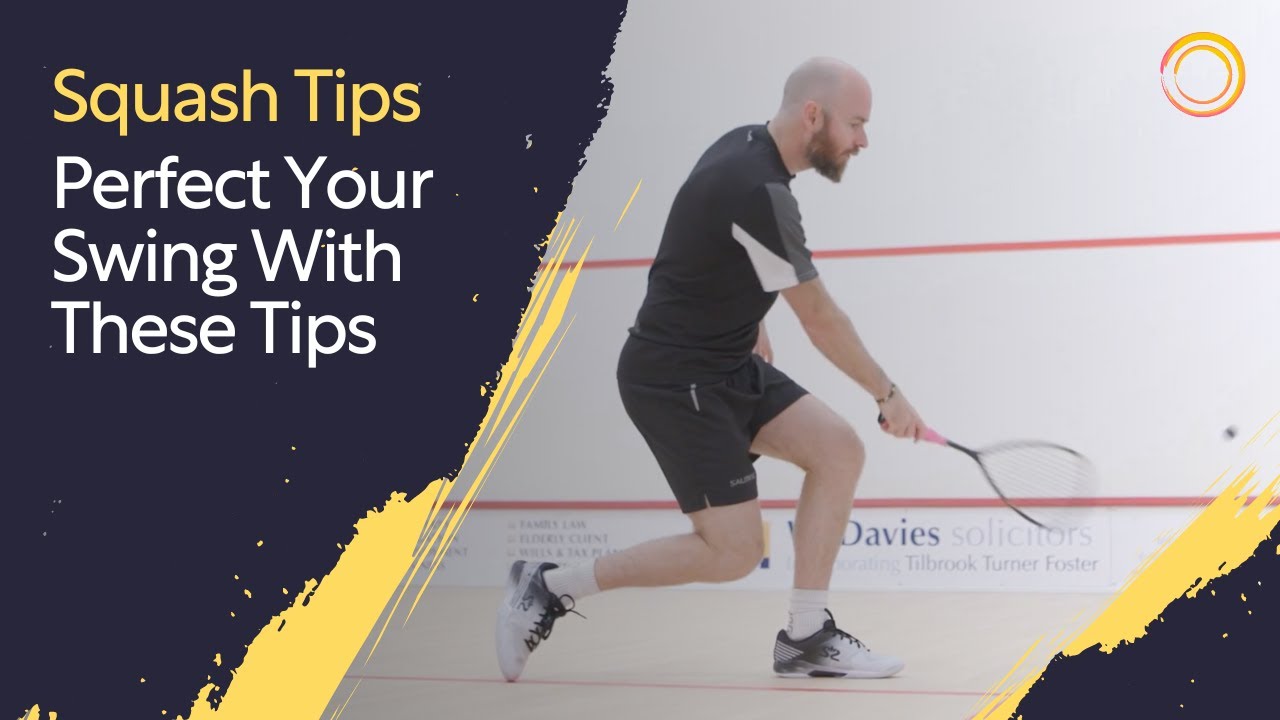
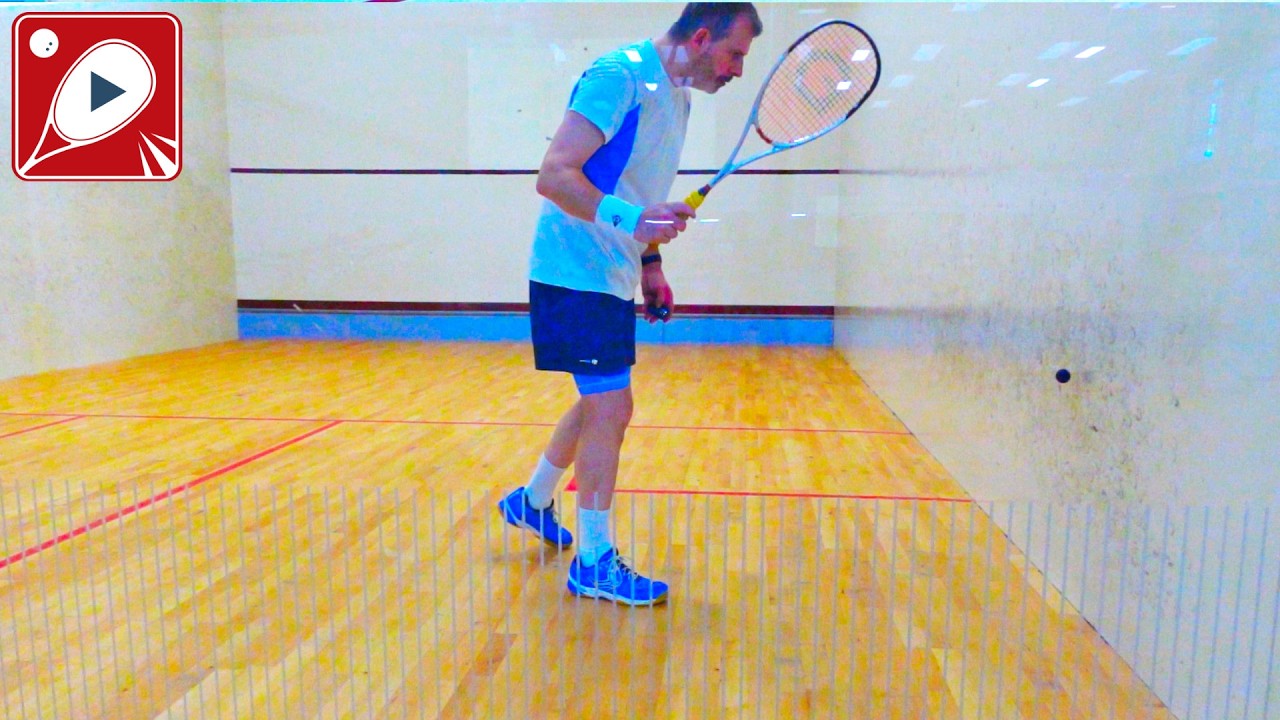
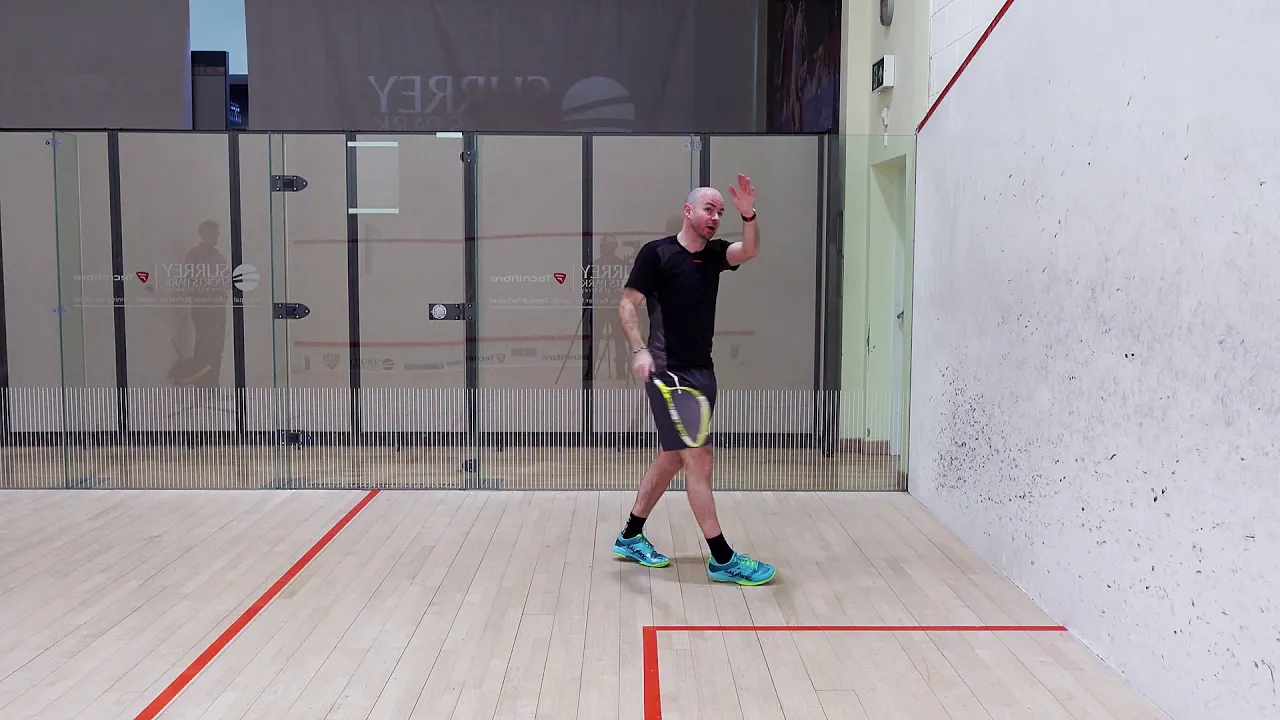
So if you can really start to watch, anticipate and track, when it comes to the execution your timing should be a bit better, it should flow from there. So when we turn the machine on in a moment you'll see some of the key aspects that we'll go through, but as that ball is coming around, very similar to the return of serve that's before the side wall, but this one now, I've got to move and I've got to jockey a little bit more, I've got to possibly just be a little bit more quicker feet, lighter, keeping my feet relatively narrow, not committing to a big lunge early, so as that ball is coming around, I'm getting that same starting position, you know, racket up a little bit, leaning towards my opponent, as it's coming around I'm doing that initial track, that initial lift, racket's in that nice position, at about this point I'm probably noticing it's going to hit the sidewall first and come back, so from here I'm going a little bit more in behind, I'm jockeying back a little bit, I'm just rotating ever so slightly more to try and set up a really good base in behind that ball and if I can get that position, if it's hitting the side wall, even if it's a bit further forward, a bit further back, from this position here with my racket back, my wrist slightly cocked and nice solid base, it feels I can transfer the weight and time it into that section as it's coming off the side wall. Look, the ball is going to vary a little bit, it's gonna hit the side wall, it's going to change direction, it's going to slow down a bit, but I think if you're setting up all those key little bits with the good base, early racket position, good rotation, slightly cocked wrist, from there, as I sense where the ball is, it feels like I can go and collect it up there relatively easily.
And for me that's going to be such a key fundamental to get right to make you feel confident, make you feel relaxed when you're returning that serve that's hitting that sidewall. And like with the first video we talked about the idea of drifting the ball high and getting it wide along that side wall, that's the shot we're gonna focus on. That for me is a shot you want to be getting into your game really early with that return of serve and if you've got that good reach and that good extension up to here, you know, the next natural bit is that follow-through, you can push it through and if you notice my transference of weight, all of that is going towards where I want to hit, it should ideally get the ball high, wide, in behind that service box, so I can now take the T and control the rally from there.
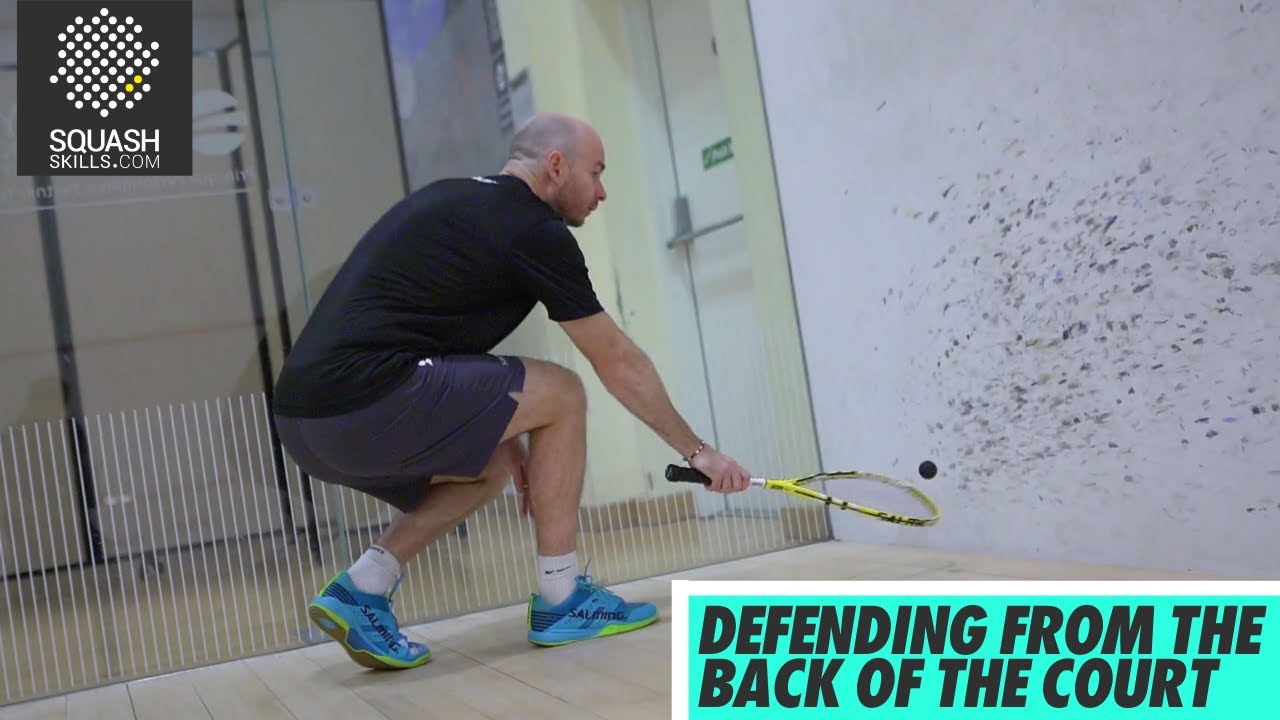
So if we watch the machine it's gonna put a few balls in and we'll pick out some of those key fundamentals from there. So as you can see here, the ball is gonna hit the sidewall first and if you watch my footwork and my knees and my positioning, that's going to be really essential to execute in the shot well. I'm trying to get behind the ball and it's a lot about a good solid base, I get that good solid base going, it allows me to then get that ball up high, down the wall and a relatively chilled follow-through, relatively relaxed but extending out and pushing it down the line.
And just the last couple coming in, but as you can see I'm not desperate with my turn, I'm just getting it in the right place, jockeying if you watch my footwork, I'm jockeying for position, so by the time I come to hit I'm really well balanced and extending and the last one coming up, last one coming up here, good rotation, bend those knees, just clip that sidewall. So as you can see from those examples I think it's so important to really get an understanding of tracking the ball, where it's gonna be, where it's gonna end up, it allows me a lot of options and it allows me to get in that position where I'm nice and crouched, my wrist is cocked and I'm reaching and I'm extending out to that ball. If I get all those things moving well and in the right place the odds of me getting it high and straight down the line increase dramatically.
Again it's that indecisiveness, is it early, is it late, is it off the side wall, if you notice I'm trying to get in behind that ball where I can so when I make contact that ball feels like it's slightly side on and in front of me. One of the worst things you can do is when that ball goes round is to have a big rotation and try and flick it and flap it in from behind you. You limit yourself so much if you're get in that.