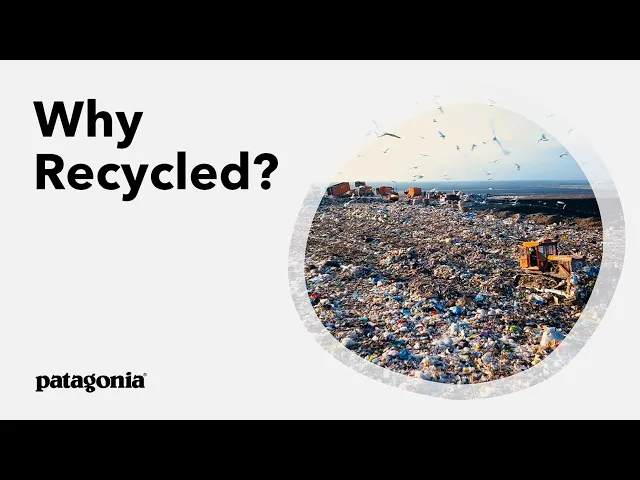
[Music] humans have a bit of a consumption problem we're always needing things wanting things and purchasing all types of consumer goods and then once the product that we buy and use has served its purpose and we're done with it it becomes waste as a little boy i remember wondering what happened to all that waste in my head i had this image of these big mountains of trash outside of my hometown piling up at the same time i thought no i'm sure the grown-ups they have this figured out the 1980s and the 1990s we had this
promise that we could have a guilt-free life with plastic you drink your soda you put it in the bin it becomes a new bottle somehow and the world's a better place only 15 of what gets thrown in the blue bin gets recycled it's either contaminated with food waste or the recycling infrastructure just isn't there i think it's the out of sight out of mind kind of philosophy if we can't see it then it's gone [Music] recycled means we take something out of a waste stream and create something out of it it could be a waste
stream from another manufacturing process or it could be a waste stream that came from post-consumer goods and then discard it modern waste management and modern waste management infrastructure is really only 50 60 years old in the olden days most of that waste used to be organic so it would just naturally decompose mass production of plastic really only started after the second world war plastic is really cheap to make but has outstanding properties is incredibly versatile is very durable which of course has a dark side to it every piece of plastic humankind ever made is still
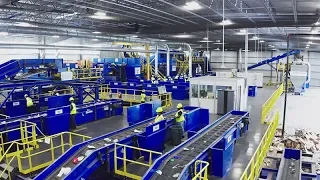
on this planet unless we burned it [Music] in the 80s there was a growing concern that we would run out of landfill space and recycling was seen as one way to reduce the pressure on landfills [Music] recycling requires three steps the first step is to collect the waste material collection thing is literally getting the stuff back after it's been used the second step is to reprocess the waste material into a secondary material ready for use sorting it cleaning it and breaking it down into its raw ingredients and the third step is to use that secondary
material to make new products instead of virgin or primary material recycling is really important because it takes a single use item a very low value item like a water bottle and turns it into a durable good that could last 30 or 40 years [Music] if you buy something that's recycled you bypass using anything new and you use waste recycling for textiles started with us in our cinchilla fleece in the early 90s and the first one that we made was a very light green because at the time we couldn't get the sprite bottle green color out
of the pellets so they just kind of used what they had in 2008 we started using recycled nylon recycled wool recycled cashmere recycled cotton recycled down as well [Music] most of the natural materials that we use come from agricultural systems and the growth stage is very resource intensive both in land manpower and in water and it's also exposed to the facts of nature they could have disease one year the case of bird flowing down affects our prices it affects the supply and we have to deal with it so you're using an entirely different system which
bypasses that natural growth cycle and because you're skipping the growing process the carbon footprint is immensely reduced we have relied on synthetics really heavily because you can get really great wicking properties from synthetics they can often stretch they're often more durable most synthetics come from petroleum-based inputs and by pulling them out we're basically displacing the carbon which ultimately is contributing to climate change nylon and polyester are derived from fossil fuels and when we can use recycled polyester and recycled nylons we can avoid that environmental exploitation and we can also use waste from our supply chain
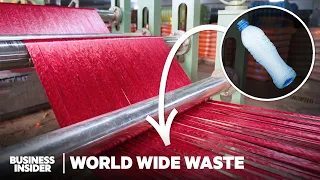
from mills and factories and post-consumer waste things like fishing nets and discarded bottles most of the plastic recycling we currently do is mechanical recycling and it's a very simple and effective process it gets washed then it gets shredded into small pieces then the pieces get re-melted and then you have a recycled plastic an alternative to mechanical recycling is chemical recycling also known as depolymerization it takes the polymer and chemically turns it back into its constituent monomers so we can take inputs that might be a little dirty and from a number of different sources and turn
it into a very high quality new fiber it's more energy intensive so it's a trade-off between more impact incurred but a better secondary end product [Music] modern material supply chains are incredibly complex they are very global every single material is greenhouse gas intensive just at different levels recycling materials has lower environmental impacts than making them from raw virgin resources but that doesn't make them green it makes them maybe less brown one of the big myths about recycling is the reason for recycling from an environmental point of view the only job recycling has is to displace
virgin material production it's only if you buy a less impactful product instead of a more impactful product that you reduce your environmental burden but based on that logic nothing beats not buying anything so in the end it's about how much we consume reduced consumption plus recycling would be really really beneficial in recycling infrastructure is number one if you can't get something back or if you can't get it to the right place you don't have an equation it doesn't work we talk a lot about ocean plastic and and folks in other countries using their rivers as
their garbage disposals they throw the plastic in the river the next rain comes and it washes out to the ocean and that is a problem they have no infrastructure but in the u.s we have this idea that because we have a blue bin and because we can throw a bottle in it that good things will happen afterwards and many times that's not the case when china stopped importing waste from other countries predominantly us in the u.s some cities lost 80 percent of their recycling ability and now they're just landfilling this stuff or even worse they're
incinerating it much of the post-consumer polyester recycling in our supply chain with a certain set of suppliers was happening in china and they had to shut their plant down we didn't realize how broken our own infrastructure was so that's what we need to focus on first the best thing we can do as a brand to spur infrastructure development is pay for the waste by building high quality products by building durable goods by even working with infrastructure providers we are an incredibly collaborative organization which sometimes feels contrary given the fact that we are competing in a
marketplace but we are very aware that we can't do this alone we need to get as many companies along for the ride as possible using recycled inputs it is really one of the keys to lessening the impact of making clothes and we are only going to make a difference when we all do it together there is zero ability to compromise on performance so without the ability to flex there at all we have had to work really hard with our partners within the supply chain in order to find fibers that can truly compete out in the
marketplace it helps everybody if we're using more recycled material it helps everybody if we find a new chemistry solution that's so amazing and impactful why would i want to keep that to myself i'd say that nike does more volume in fabric in one month than we do an entire year why wouldn't i want them to pick this stuff up too [Music] recycling alone won't eliminate our environmental impacts we have to think about how much we're consuming and i think at this point in history we are consuming too much do green products sometimes increase consumption yes
absolutely they can a more fuel efficient car can make us drive more research has actually shown that the presence of a recycling bin makes people worry less about their consumption [Music] recycling can play a really important role in environmental sustainability but only if it's combined with reduction in consumption if we recycle in order to then feel free to consume more and more which is what's currently happening then we're fooling ourselves building apparel goods that last a really long time is an environmental strategy by building something that lasts you're automatically reducing its carbon footprint just by
extending the lifetime of a garment by nine months you're reducing its impact by 30 which is staggering we have so much sunk cost and energy into creating the garment that to think of something that we build lasting anything less than a lifetime is an atrocity we can't use recycling as simply a solution to over consumption first and foremost we all need to pull back we need to use everything we own for significantly longer and then recycling becomes the solution at the very end of life as a really powerful tool to bring something back to life
when you buy recycled instead of new materials you're supporting infrastructure that values reuse over extraction [Music] [Music] [Music] you