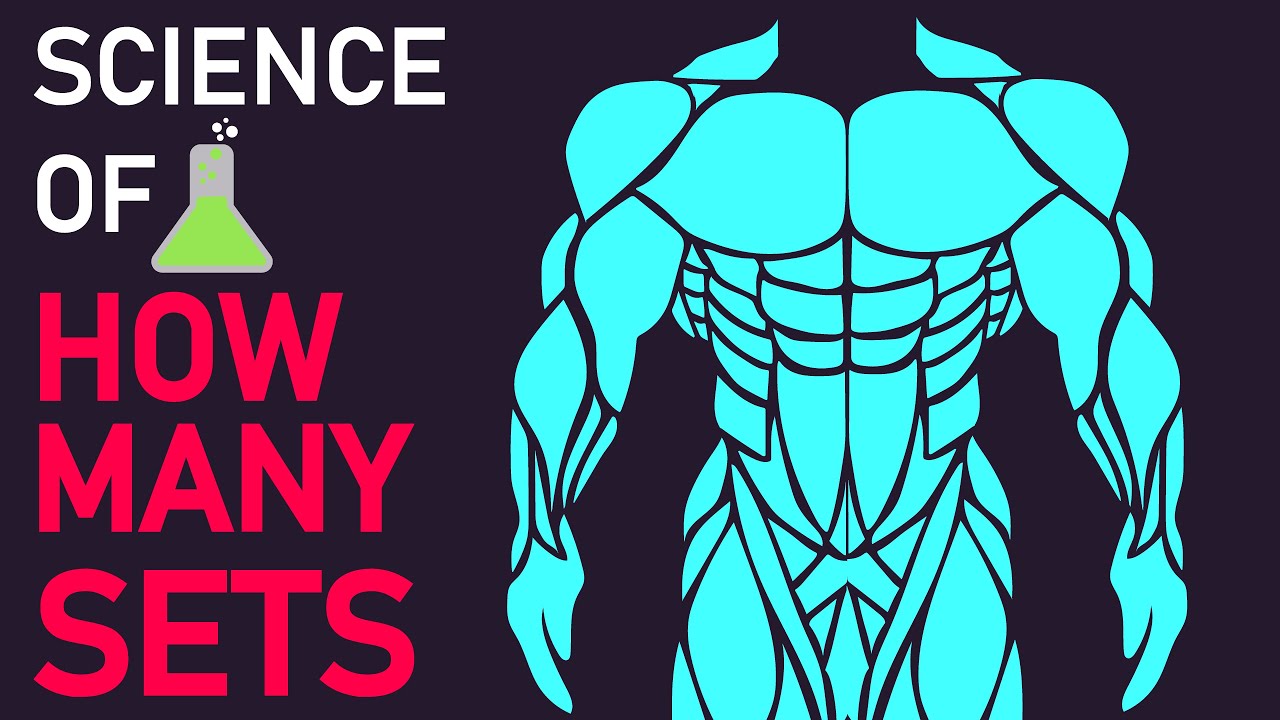
a well-developed chest makes a powerful difference in the appearance of your physique but what range of exercises do you need to maximally develop the chest today we'll be cutting through the noise and confusion that's forever present on the web through dissecting the latest science behind chest hypertrophy regular viewers will know we've had a previous video on chest hypertrophy you don't need to watch that video as the key points will be mentioned here but crucially this video Builds on that and will dive deep into how you can develop all regions of the pecs we'll be mentioning
virtually every chest exercise ever from pressing motions at different inclines with different modalities with different grip widths and hand positions and isolation PEC exercises welcome to the house of [Music] hypertrophy technically speaking a few muscles belong to the chest but we're focusing on the largest and most important one for Aesthetics the PS major anatomical analyses commonly consider the PS major to have a clavicular and sternal costal head although quite fascinatingly the sternal costal head has been divided up to as much as seven segments based on one analysis the clavicular head makes up 19% of the
Pet's major volume with the remaining 81% attributable to the sternal costal head some Well Control told electromyographic research which actually considered six regions finds they can be functionally separable what this means is it's theoretically possible to preferentially Target different PEC regions this is not Bro Science for Simplicity we'll just consider there to be three regions and I'll refer to them as the upper middle and lower PEC let us now dive into our analysis starting with the middle pcks [Music] as shown in this classic 1997 paper the middle PCS have tremendous leverage for shoulder horizontal flexion
with the front dealt behind in this case leverage specifically refers to the muscle's moment arm which is the perpendicular distance between the line of force of the muscle and the center of the joint it moves promising data suggests Leverage is perhaps the most important factor behind how the central nervous system chooses which muscles to activate in an exercise considering this it's unsurprising that well-controlled electromyographic research finds that a significant chunk of the pecs including the middle region is active in shoulder horizontal flexion now we will be mentioning electromyographic research throughout this video it's where researchers
use electrodes to record the electrical activity of a muscle regular house of hypertrophy viewers will know it's not Flawless but I believe well-controlled and specific electromyographic studies possess the potential to give us valuable insights the pinned comment and description contains more details about this if you're interested anyhow we also know the middle PCS are stretched the well at the initial position of shoulder horizontal flexion thus shoulder horizontal flexion motions can attain a nice stretch plus High Contracting forces from the middle pecs two things that make exercise excellent for hypertrophy your first thought may be that
all fly exercise variations do this indeed this is true however these are isolation exercises they will be dissected later in this video right now we'll focus on horizontal pressing exercises which involve all bench pressing variations including with the barbell dumbbell Smith machine and machine also pushup and seated machine chest presses fit into this category all of these are compound exercises when you're pressing with a moderate to wider grip they tend to involve shoulder horizontal flexion ignoring the lower arm reveals this therefore it's unsurprising that this paper found just flat barbell bench pressing three times a
week across 6 months grew the middle PEC by an impressive 37% does this mean the flat barbell bench press is superior no because as detailed in our previous video we have a range of scientific papers that actually suggest all these variations can probably be quite similar to the barbell bench press machine variations have been documented to produce similar pet growth and activity to barbells dumbbells tend to evoke similar PEC activity to barbells and push-ups have even produced similar pet growth to barbell benching now some of you may be wondering about Di Lips This doesn't actually
involve shoulder horizontal flexion at least not predominantly but we'll discuss this more in the lower pet section anyway the fact all these exercises are likely similar for pet growth may come as a surprise to some but remember that at the end of the day although subtle differences exist they all fundamentally involve shoulder horizontal flexion provided we're training them hard and getting two or n to failure we're going to be exposing the peex to high tension it is also fascinating to know that scientific literature implies there's a strong strength carryover between all these exercises training with
a machine chest press has been shown to significantly increase barbell bench press strength the inverse of this is also true training the Smith machine bench press has also been shown to significantly increased barbell bench mesh strength the inverse of this is also true there's Fair fairly strong correlations between push-up performance and bench press performance as well as dumbbell and barbell benching so you're free to select whichever exercise you prefer although there are actually five considerations you may factor into helping you choose the first consideration relates to push-ups since push-ups replicate a plank position they likely
Engage The rectus abdominis more than all the other variations since push-ups also enable scaper protraction they likely engage the seratus anterior better than all the other variations depending on your goals this may make the push-up a better or worse option although progressively overloading the push-up in the long term can be difficult yet despite the popular belief that 8 to 15 reps or some other narrow rep range is ideal for hypertrophy we've mentioned countless times at the house of hypertrophy that reps between 6 to 35 are similarly effective for building muscle provided these reps are performed
too or close to failure thus progressing to higher rep push-ups is viable indeed we've had a great paper that found increasing the number of reps you perform with the same load across training sessions produced overall similar muscle hypertrophy to another group that increased load within the same rep range across sessions now there is only so much you can add reps going well beyond 3 five reps may be inferior yet provided you're not super Advanced weighted push-ups are a great option that enables load increases the second consideration relates to dumbbell bench pressing when analyzing them the
triceps are likely trained slightly less compared to all other variations the likely reason for this is you can't apply much lateral forces during a dumbbell bench press doing so would just result in the dumbbells falling either side of you this matters as the triceps are in involved in generating lateral forces with all the other variations lateral forces naturally occur whether you know it or not indeed electromyographic data finds reduced triceps activity with a dumbbell compared to a barbell bench press depending on your goals this may make it a better or worse option the third consideration
relates to failure and fatigue with the barbell with failure we've seen previously at the house of horty that getting to or close to failure is need to maximize muscle fiber Recruitment and tension two things crucial for maximal growth in fact we have research on the pecs illustrating this this paper had trained individuals trained the Smith machine barbell bench press with a maximal lifting velocity there were four groups one group literally performed one rep per set a second group performed their reps until their rep velocity slowed down by 15% another by 30% and a final Group
by 50% petor major hypertrophy what's best with the group that trains closest to failure that is the group whose reps slow down by 50% extrapolating from other research a 50% velocity loss equates to performing 70 to 80% of the maximum number of reps possible on average this study didn't have a condition training to actual failure but as we've seen previously at the house of hypertrophy getting 3 to1 reps from failure seems to produce similar growth to failure so this is the general recommendation here's the thing with a freeweight barbell bench press you're putting yourself in
the safest position by having a spotter and or a safety setup that saves you if you fail a repetition if you don't have these the other options may be a safer bet the second Point stems from this fascinating fatigue paper it had trains men either perform the Smith machine dumbbell or barbell bench press chest fatigue swelling and soreness were quite comparable between all these three exercises across 96 hours after training as a side note this is further indirect evidence all these variations impose a similar PE stimulus the triceps fatigue was not too different between groups
except the dumbbell group saw lower fatigue and soreness which makes sense as we've just detailed how triceps activity is likely reduced with the dumbbells nonetheless the main point is despite the fact all these fatigue measures were largely similar between the three exercises subject subject recovery what's worse across the 96 hours after training with the barbell versus the Smith machine and dumbbell thus these findings might suggest your own perception of recovery may be a bit worse with the barbell yet I don't believe this is super crucial information fatigue isn't necessarily bad plus your body does produce
adaptations across time that reduces the fatigue you experience so it's entirely likely that any fatigue from the barbell variation is in consequential in the majority of circumstances the fourth consideration surrounds machines we've briefly alluded to how there's data comparing machine to barbell pressing and similar PEC hypertrophy was found this might surprise some because there's been speculations that extra stability with machines better enables muscle fiber recruitment however I think stability is critical under extreme ends for example bench pressing on a Swiss ball is probably going to suck for build muscle but the extra stability with machines
compared to barbells and dumbbells doesn't seem to transfer to Greater growth plus we have meta analyses which combine the results of numerous studies finding that overall machine exercises largely produce similar growth to barbells and dumbbells now not all machines in the world are identical but provided the machine provid solid resistance at the bottom where the pecs are stretched it should be good some machines can can converge to get a better shortened and contracted position and perhaps provide a solid challenge here dumbbells also involve convergence this is extra shoulder horizontal flexion near that shortened position and
this convergence and squeeze can feel nice despite this it probably doesn't enhance growth since the available data suggests tension at that shortened position may not provide extra benefits specifically we have three studies remark ably finding that a partial range of motion at the lengthen position produces overall better hypertrophy than a full range of motion this seems to tell us that that shortened position which is reached with a full range of motion doesn't stimulate extra growth instead we're seeing better growth with more time spent at that lengthened position we also have researched finding isometric training at
longer muscle positions produces more growth and shorter muscle positions now more data with other exercises and demographics are certainly needed to validate this General concept and the effectiveness of partials at long lengths but in the absence of other data it seems high tension around the lengthened position is what's more important linked to this is our fifth and final consideration of the section stretch let me first describe some fascinating research and then we fit this into how you might enhance your pet growth besides this data demonstrating that time accumul ated at the lengthened position seems to
be more anabolic we have data demonstrating selecting exercises that reach a better stretch could build more muscle for example seated leg holes better stretch out the hamstrings than lying leg holes and have been documented to cause 1.5 times more hamstrings hypertrophy moreover it is seriously intriguing to know that a recent study established performing this intense Peet stretch produced notable pet growth in fact the growth was similar to that obtained to another group of subjects that train the machine chest fly with these variables of course achieving a stretch during weightlifting is far from identical to holding
an intense stretch for a prolonged duration and I don't anticipate many people actually want to start holding intense prolonged stretches regardless I think this is further illustration of stretching stimi having positive influence on growth so what could this information mean for PEC training floor presses are variation I've yet to touch on this limits the extent to which you lower and thus lengthen the pecs so are likely sub optimal for growth this doesn't mean no one should ever do them they could have application if your goal is maximum strength or if you're dealing with some kind
of injury or discomfort that means you can't train the pecs at a more stretched position anyhow the key point of this stretch talk is we have variations that can help us reach a deeper PEC stretch dumbbells technically permit you to reach a deeper stretch of the pecs thus although we've alluded to electromyographic data showing similar PEC activity between dumbbells and barbells one Pitfall of electromyography is it doesn't measure stretch based forces so it is actually possible out of all the variations we mentioned dumbbells truly could be slightly better although larger dumbbells can make this challenging
to achieve and this brings us to two other variations the cambered bar bench press and deficit push-up both of these similarly enable a greater stretch of the PCS thus although we don't have direct research on them currently it's possible these variations could be slightly better for building the pcks to be as scientifically accurate as possible we must not neglect that virtually all the studies on the benefits of training muscles with more stretch has been conducted on previously untrained individuals and last no more than 12 weeks I mentioned this as there have been speculations that the
extra growth from training muscles and more stretch positions is a special type of growth that plateaus quickly if true this suggests training at more stretched positions will just produce similar gains to training at more shortened positions after the extra growth plateaus however this is based on limited and indirect data moreover there is some data that suggests there still could be long-term growth benefits to training muscles at more stretched positions but this too is from limited and indirect data for those who are interested in the weeds of this I thoroughly dissect the current science and deliver
my thoughts on this topic at this link regardless I still think training muscles at stretched positions in practice is worthwhile even if those extra gains Plateau we still want them moreover the best case scenario is there still long-term gains to be seen from them this doesn't mean no one should ever have training focused at shorter lengths we've seen that although the overall growth is less training at shorter muscle length still stimulates growth so know that you can still certainly grow from it additionally a technical consideration is that with all else equal training at shter muscle
positions generates less fatigue than training at longer muscle lengths for example with all else equal floor presses likely generate less fatigue than regular bench pressing in theory this means you can probably train more with exercises at shorter muscle lengths and this extra volume although not time efficient might go some way to closing the muscle growth gap between shorter and longer length training summarizing this section we've seen that a range of horizontal presses are likely all similarly effective for growing the peegs in including the middle pegs thus you have the freedom to select whatever you prefer
here are five considerations that may factor into your choice of course it is also not outside the realm of possibility to construct a sensibly varied program that involves more than one of these horizontal pressing variations remember that we'll be dissecting isolation exercises later on but let us now transition to the upper pck well-developed upper pecs can take your physique to the next level we've already described the plethora of horizontal pressing exercises at your disposal for developing the middle pecs but how effective are these for the upper pecs earlier we noted this paper that found flat
barbell bench pressing grew the middle PC by 37% what I didn't mention was the researchers also found that upper PEX grew by a very similar 36% another Australian paper found flat bar bench pressing grew the middle PEC by 10% and the upper PEC by not too far off 7.4% Note the percentages are lower in this paper as the subjects were already trained the study was shorter in duration and a slightly different size measurement was taken nevertheless these papers clearly show horizontal pressing will contribute to Growing your upper PEC but does this mean we don't need
any dedicated upper Peck work the answer is no let let me explain why in both these papers instead of looking at the growth in percentages if we look at actual centimeter increases the upper PEC actually grew fairly less than the middle PEC how on Earth could this be it's because the upper pecs were smaller in size to begin with a smaller number to begin with but sees the same or similar percentage increase to a larger number still means a smaller total increase in size resultantly it is technically accurate to say flat barbell bench pressing grows
the upper PEC less than the middle PEC now this data is from the flat barbell bench press but we know there's reason to believe this applies to all the horizontal pressing exercises on the table indeed machine and even weighted push-up variations have been documented to elicit similar upper Peck activity to the flat barbell bench press consequently to maximize upper pet growth we likely need an exercise to preferentially train the upper pecs how can this be done well-controlled electromyographic research finds that the ratio of upper PEC to Middle Peck activity is better when the force is
directed obliquely upward instead of purely horizontally incline bench pressing replicates this at least in so far as pushing in an upward Direction indeed out of the seven studies that have explored this incline bench pressing produced greater upper Peck activity compared to the flat barble bench bench press in five of them it is also notable that the majority finds middle and lower PEC activity is reduced with the incline and front Del activity is higher with the incline there's occasionally debates on the optimal incline angle for targeting the upper PEX what does the current literature say one
paper found a 30° incline was ideal another found it was a 44° incline while we even have data finding similar upper PEC activity between a 30 and 45° incline besides the possibility of the limitations with electromyography measures individual differences could be in play people don't have identical muscle architecture or leverages nor do people have an identical bench press setup so the ideal incline angle May differ between people so if you would like to incline bench press and your bench is adjustable feel free to experiment around it's worth noting incline bench pressing can also be done
with a Smith machine dumbbells and a cambered bar and we've alluded to how the extra stretch with a lat to might confer some extra growth moreover feet elevated push-ups and certain machine chest presses where you push upwards likely effectively hit the upper PEC although one caveat with feet elevated push-ups is your head tends to limit how much you can lower yourself resulting in a reduced PEC stretch using some boxes or handles to increase depth can go some way to alleviate the shortcoming though so all of these options likely preferentially Target the upper pecs but there
are actually some more perhaps under appreciated ways the upper pecs could be targeted out of all the PEC regions the upper pecs have the best leverage for performing shoulder flexion and well-controlled electromag graphic analyses find the upper pecs contribute more to shoulder flexion than the other regions during horizontal presses using a closer grip gets you closer to predominantly performing shoulder flexion this is best achieved when keeping the arms near to the side and not flared out also using a reverse grip on a barbell also forces you into performing shoulder flection regardless of the grip used
we might speculate these preferentially Target the upper pecs yet the data is somewhat split since out of the eight papers comparing close to moderate and wider grip bench pressing four of them find upper peack activity is better with a closer grip out of the two papers comparing reverse grip bench pressing to normal grip bench pressing only one finds enhanced upper Peck activity as an additional note the majority of data finds closer grips better recruit the triceps When comparing these variations to an incline bench press with a wider grip we just have this paper that found
upper PEC activity was not stat statistically different between a closer grip bench press and an incline with a wider grip although the raw numbers lean toward the closer grip regardless this might be tentative evidence closer grips could be as good for the upper PEX as a standard incline we shouldn't forget that closer grips and reverse grips can even be used with the Smith machine dumbbells and even push-ups so there is a fair number of potential upper Peck options we'll provide some recommendations in a second I say this because we're not quite done it's possible for
us to use a closer or reverse grip on an inclined angle could this be the best the only analysis from the literature is this paper that found compared to an incline bench press with a wider grip an incline with a closer and reverse grip produce non-statistically different upper PEC activity although the raw numbers lean towards using closer and reverse grips on the incline however it's worth mentioning this paper was the same one that found flat closer grip bench pressing produced upper Peck activity levels that were not statistically different from the incline with a wider grip
anyhow We'll add closer and reverse grips with an incline to our already extensive list the landmine press and L's fend press are two final exercises worth mentioning the landmine press involves pushing in an upward direction that we no likely preferentially targets the upper pecs however the very close hand spacing reduces the overall stretch of the pecs thus I suspect it's not going to be as good as all the other options mentioned but it's certainly not a bad exercise and it will still build muscle so if someone really likes it that can be enough of a
reason to train with it as for the Li's fend press it's essentially a Clos grip press with an intense chest squeeze against the plat the size of the plate means the stretch is restricted and since that's only so heavy of a plate you can lift it's going to be difficult to progress this exercise in the long term dumbbells can be used but this still suffers from a restricted stretch the only scenario where I think someone may want to perform this is simply if they find it a fun and enjoyable addition to their training so we
know there's a ton of upper Peck options what's the recommendation we've seen there is essentially evidence for all of these variations better targeting the upper PEC and in The Limited data that has compared some of these there are non-significant differences thus for now I'd simply recommend selecting whatever option you like although it is possible what works best could differ between people for example Greg Knuckles from Stronger by science not his upper pecs get outrageously sore from Flat reverse benching whereas this never happens from his incline experience thus you could experiment with any of the variations
and evaluate how they subjectively score for you do you perceive more upper Peck with them is the pump and perhaps the next day soreness in the upper PEC greater than usual now it's critical to understand subjective Sensations are not yet validated proxies for actual muscle activation and we also know despite popular belief the intracellular events associated with a pump and soreness do not appear to be strong drivers of hyper y but having said this I believe it's still plausible when controlling as much factors subjective Sensations like the pump and soreness could be indirect insights to
the actual tension seen by a muscle region so in the absence of anything else I think it's not the end of the world for you to try and use your subjective perception to help determine what you may train [Music] with earlier we Des described evidence that the different regions of the pecs can function somewhat independently and that includes the lower PEC regions for instance when the arms are nearly overhead performing a shoulder extension contraction preferentially recruits the lower pecs but is dedicated training for the lower pecs essential recall we've seen data demonstrating that flat barbell
bench PR highly developed the middle peek region but the upper PEC region in absolute terms grows less as for the lower pecs both both these papers found it grew pretty similarly to the middle peek region both in percentages and centim therefore it appears flat barbell bench pressing is highly effective for the lower pcks I'm presuming this extends to all the other horizontal pressing exercises so dedicated lower PEC training may not be essential whatever horizontal presses you have could cover you of course this does not mean no one should ever perform specific movements for the lower
pcks but perhaps you're constructing a program with sensible variation that means an exercise that biases the lower PEX can fit into your program or alternatively if you somehow find your lower PCS are underdeveloped despite training with your choice of horizontal presses then dedicated training for your lower PEX may be called for so how might the lower PEX be preferentially trained the lower PEC fibers run in this direction and it's possible movements that align with this and press downwards could preferentially train the lower PEC area above the other regions such as decline bench pressing machine decline
pressing hands elevated push-ups dips and isolation exercises that will cover in the isolation section quite fascinatingly two electrom myographic studies that have compared a 15° decline to a flat barbell bench press found lower PEC activity was similar between them in addition to these two papers there there have been a few other electrom myographic papers exploring activity of the other PEC regions between a decline and flat barbell bench press the findings are a little mixed but some of them suggest that upper and middle pecs as well as the front delts display lower activity with the decline
therefore although actual lower Peck activity may not be that different between a decline and flat angle since middle and lower pecs display lower activity in some analyses a decline May fundamentally still be considered a valid way to selectively train the lower PEX over the other regions as for the dip it has the capacity to attain a great stretch unfortunately there's no officially published research comparing dips to other common chest exercises I know this paper compared PEC activity between different dips with the ring and normal dips producing decent upper PEC activity not much comparative conclusions can
be made from this and they didn't assess the middle or lower pecks besides this all we have is this unofficial electromyographic analysis that found during a weit to dip raw lower activity what better than the upper and middle regions at the end of the day feel free to try out any of these movements your subjective perception May guide your [Music] choice we can say as an overall muscle shoulder horizontal flexion is the motion that best trains it isolate ated shoulder horizontal flexion occurs with flies including cable machine and dumbbell flies before comparing them could these
PEC isolation exercises grow the pecs better than the compound exercises we've talked about when comparing isolation to the compound movements there's no movement at their elbow meaning we're taking the triceps out of the equation you might guess this means our central nervous system can better activate our PEX with the isolation exercises and there thereby produce greater PEC hypertrophy versus compound exercises despite being logical the available data does not support this we know that dumbbell flies are most challenging at the lower part and during this phase two papers find peeg activity was comparable to that of
the flat barbell bench press although one of the analyses found if we look at average activity across the whole exercise the bench press actually evoked higher peeg activity this was largely because the activity at the top portions was better with the bench press I don't believe this means bench pressing is a superior PEC Builder because we've already detailed how it currently seems extra activity and more shortened and contracted positions doesn't cause extra growth another analysis found both front Del and pec activity was similar between a barbell bench press and machine chest fly as the authors
concluded the results clash with the idea that isolation exercises promote greater activ ity of the Prime movers due to isolation due to this I'd say isolation exercises are likely not essential for substantially growing the pecs over the long term compound exercises such as your choice of horizontal pressing and an upper chest biased compound movement is likely going to be sufficient for seeing substantial PEC hypertrophy in the long term does this mean no one should ever perform isolated PEC training not at all it is absolutely possible to constru a sensibly varied program that includes compound and
isolation exercises for the pecs as a simple illustration you may have a flat bench press incline bench press and cable fly not entirely disconnected from this perhaps you deem you have sufficient amounts of triceps training in your program but you want to train the PC more without additional triceps stimuli in this case isolated PEC training is the perfect solution finally I also don't want to rule out the possibility of individual differences averages have been detailed throughout this video including the finding that PEC activity is not so different between compound and isolation movements yet it's within
the realm of possibility for some people much of the compound exercises detailed in this video regardless of how they perform it just predominantly taxes their triceps and much less dep picks in fact some research albeit having a few notable limitations point to this thus isolated PEC training might be needed for these people to truly stimulate their pecs better with these reasons out the way how can we most effectively isolate the pecs when looking at cable flies starting with the cables in line with the arms these will provide a greater challenge in their shorter muscle positions
this isn't terrible muscle growth will still occur from shortened positions also remember with all else equal shorten training likely generates less fatigue accordingly if we want an isolation exercise that generates lower fatigue but will still provide a fair stimulus this variation is an ideal Contender but assuming your recovery is all good we know challenging muscles near a more lengthened position is likely a great idea having a setup with a cable somewhat behind your body better challenges that lengthened position they can also be performed laying down besides this dumbbell flies and machine fly successfully load the
pets near that stretched position there are two variations of machine flies there are subtle differences between them but I don't anticipate they are meaningful enough to impact growth some people think this fly better stretches the pecs because the arms are straighter but remember since the pecs attached to the upper arms not the lower arm the degree of armb Bend doesn't really influence the PEC stretch and assuming we're roughly extending the upper arm compr between the two movements the stretch is not going to be too dissimilar so I believe we can be confident all of these
variations can be highly effective you might contend since cables and machines additionally provide solid tension near the contracted position that makes them better than the dumbbell variation but as you know we've mentioned a few times here the present literature implies extra tension at the shortened position may not deliver extra growth others might T due to the inherent Freedom with cables and dumbbells an even greater stretch is available for those who can comfortably get there assuming this deeper stretch is beneficial for growth this could indeed give them an Ever slight Edge now there is widespread controversy
around the Deep stretch in flies and with wider grip benching being injurious here's my two Sense on this much of these ideas stem from hypotheses and anecdotal observations which suffer from multiple potential Founders the scientific literature at present has low quality and minimal insight into injury risks from various chest movements of course absence of evidence is an Evidence of absence so it would be misleading for me to make any definitive conclusions until we have higher Quality Investigations for now I'd simply recommend performing your exercises in a manner your comfortable with a handy feature with cables
is its height adjustability low cable flies involve flying in upwards Direction the direction we know likely preferentially targets the upper PEC resultantly this is yet another option available to better train this region if you're not feeling it with all the previously mentioned compound movements and or you just want to take the triceps out of the equation low cable flies are a solid solution there are also incline machine flies and I believe we can presume they should be highly effective incline dumbbell flies can also be done but an important point is since gravity pulls the dumbbells
down and you're at an incline your shoulders are likely going to be working over time to keep the dumbbells out to the side for this reason I suspect these aren't going to be as potent for the upper pecks regarding the lower pecks High cable flies as well as decline dumbbell flies better align the flying Direction with that of the lower PEC fibers so both of these might potentially preferentially hit this region the final isolation exercise we'll discuss are the controversial freeway pullovers specifically there are Fierce debates about if this exercise is a better chest or
lat Builder what does the current scientific literature suggest pullovers involve shoulder extension and freee pullovers are virtually exclusively challenging at the top position at this top position The Lads have much lower Leverage compared to lower elevation angles while the middle and lower pecs likely have some leverage for shoulder extension at these higher elevation angles indeed well-controlled electromyographic papers find during isometric shoulder extension contractions at different elevation angles the lats display their lowest activity at the highest elevation angle while the pecs display fairly good activity at this region moreover recordings directly from a barbell pullover find
the particularly the middle and lower regions display higher activity than the lats however I'm not completely sold this means the lats are minimally stimulated I detailed why in our Ultimate Guide to lat hypertrophy but I'll mention the key points here although the pecs are stretched in the overhead position the lats are also stretched quite well we have research finding even if a muscle has lower leverage and displays reduced activity the muscle can still will grow well provided it's at a longer length for example the gluteus maximus is lengthened more with deeper squats but they have
lower leverage and activity in this position yet we have research comparing 90° to 140° knee flexion squats and the 140° deeper squats grew the gluteus maximus quite a bit more so in total I'd say there's evidence that both the lats and pecs may be trained fairly well with free pullovers now some people report feeling it more in their lats instead of the chest while others report the inverse ultimately what we need and what I'm looking forward to is research directly measuring lat and pet growth after free pullovers I guess it's not implausible that it could
differ between people but for now since we have some data suggesting the pecs display Fair activity you could try this exercise out if it appeals to you and examine your perception so we detailed a ton of information and I understand it can be tricky and very challenging to construct your own muscle building program but the alpha progression app which is essentially your personal clever muscle building assistant in the palm of your hand can easily help you with hundreds of thousands of downloads thousands of reviews speak to its unmatched quality other apps truly generate garbage programs
but this app intelligently gets you closer to your dream physique through gener ating an evidence-based program 100% customizable to your needs simply let it know all about you your experience level the equipment you have how often and how long you can train for and if you want to focus or neglect certain muscles this can all take less than a minute and you can still make further edits if you like the app has extra impressive features during workouts the apps algorithm carefully suggests how you may Progressive overload to help p push you to the next level
aesthetic graphs automatically display your long-term progress and there is a huge exercise database of all the best muscle building exercises with crisp videos and instructions behind many of the exercises detailed in this video try out every single one of the premium features to your heart's desire during a free twoe trial through the link in the comments and description if you like it and choose to go beyond the link cuts the price of a subscription by2 % I truly believe the app is exceptional and I hope you'll enjoy it too to ensure this video details every
single relevant study relating to PEC hypertrophy there is one final study that needs to be mentioned 47 previously untrained men trained either the incline bench press only flat bench press only or a combination of both with these variables after training once per week for 8 weeks the incline bench press group tended to see the best upper middle and lower PCT less major growth compared to the other groups in other words just training an incline bench press led to the best results with flat bench pressing or even a combination of both leading to inferior results you
may be thinking what on Earth doesn't this go against much of what was described in the rest of this video this is indeed true you may also be thinking since this paper Direct measured pet growth we should consider it as high quality evidence this is typically true but upon scrutinizing this paper further there's reason to be skeptical the pet growth seen in this paper was simply outrageous the incline group increased their PEC thickness by 54 to 62% and the other group still saw more than 40% growth for some regions in fact if we scale to
average gains per workout we find that PC side has increased by 4.6% each workout imagine that your pecs increasing nearly 5% after each training session and remember this is the average in the study we're not talking about an outlier subject if we compare the average growth in this study to the rest of the research that has measured PEC hypertrophy we can see just how striking the difference is also remember this study just involved eight training sessions while the rest of the research involved an average average of 33 training sessions this only further makes things more
perplexing so what gives although this is speculative I believe the strongest explanation is the hypertrophy measurements might just have been faulty 47 subjects completed the study the text implies the researcher should have measured the gains of all 47 subjects but just 30 subjects actually made up the hyper measurements so 17 measurements were missing the researchers did not explain why but it's entirely possible errors were made with these 17 measurements perhaps suggesting the researchers poorly conducted the hyper measurements with the ultrasound Machinery if this is all true there could still be something dubious with a 30
measurements perhaps explaining these abnormally astonishing amounts of hypertrophy in addition to these confusing gains we can't ignore the fact these results conflict with multiple other papers the study did find upper pet growth was better with the incline which is what we'd expect but the fact that incline group grew the middle and lowc more conflicts with the findings of reduced middle and lower activity with an incline we know this is EMG data but there are multiple of them and well-controlled electromyographic data also finds the middle PEX display lower activity when force is directed obliquely upwards compared
to horizontally finally we also have this paper that found that the incline bench press produced a lower midp pump to the flat bench press again the intracellular events associated with the pump do not seem to strongly promote hypertrophy but when potential confounders are controlled the pump may be an indirect insight into the tension seen by a muscle region although this paper also found the upper Peck pump was similar between the flat and incline bench press which I'd say is somewhat of an odd finding as well nevertheless for all these reasons I don't believe we can
derive recommendations from this [Music] study before summarizing things what about targeting the inner and outer pecs at the time of constructing this video there's no research comparing inner and outer region growth between different PEC exercises so this is why we don't have a section on this however I don't anticipate this is a major problem based on the advice in this video the peex will probably grow well across its length in fact one study alludes to this trained individuals perform the flat and inclined barbell bench press and we've alluded to how this is a perfectly fine
and simple combination for pet growth one group actually held a stretch between sets while another rested passively the stretch between sets didn't enhance gains as both groups saw similar growth but the key Point here is the magnitude of growth at the middle and outer portions was pretty much identical the researchers didn't measure the innermost region but I'd be surprised if it didn't grow at least fairly I will say if any future research does come along about the inner and outer regions I'll be sure to update you all until then it's not worth worrying about on
to the summary there is no Musto or best PEC exercise rather there's evidence a ton of exercises can be highly effective there's also so no one programming style that's unanimously the best instead there are multiple paths you could take specifically we've seen it likely substantial PEC hypertrophy can be attained purely through training with compound exercises but we know there are reasons for adding isolation PEC exercises when exploring compound exercises horizontal presses are excellent for the pecs and we have research suggesting all these variations can probably be similarly effective although there are five reasons you might
consider and one of them is that the deeper PEC stretch from dumbbells a cambered bar and deficit push-ups might make them slightly better the current literature seems to imply these horizontal presses likely grow the middle and lower pecs very well but the upper PEX somewhat less to train the upper PEX more all of these are potentially great options in the limited data comparing some of these there are nonsignificant differences in Upper Peck activity and as for the lower PCS although dedicated training for this region is probably not essential here are potential options available to you
if you would like to train this region more finally here are isolation PEC options on the table and we described how all of these are potentially largely similarly effective if you're after isolation options to better Target the upper PEC these are some great potential options and if you're after isolation options to better Target the lower PEX these are some great potential options thank you for watching feel free to check out the alpha progression app or our recent deep dive into building the LS







![432hz [Tree of Life] Open all doors of abundance, remove all barriers, attract prosperous luck](https://img.youtube.com/vi/jQWeQOajzmY/maxresdefault.jpg)