[music playing] NARRATOR: Standing in the most honored locations of the greatest cities on Earth are massive stone obelisks pointing to the sky. WILLIAM HENRY: When you look at true power cities around the world, Paris, London, New York, Washington DC, they all have one thing in common-- obelisks. JONATHAN YOUNG: There are obelisks at key locations in some of the most important cities on the planet.
In a key square in Istanbul, there is an ancient obelisk from Egypt with hieroglyphics. Another is in Paris at the Place de La Concorde, which is in the largest square in Paris. NARRATOR: Although they are found across the globe, the vast majority of the world's obelisks have a single point of origin-- ancient Egypt.
In fact, most obelisks that adorn major cities were originally part of Egypt's ancient landscape. In ancient Egypt, there were over 100 obelisks that were sculpted and erected. Only 9 or 10 of them remain in Egypt, but a lot actually are outside of Egypt.
Obelisks have literally become the spoils of war where a country invades Egypt or a country overtakes Egypt-- and this goes back to Roman times-- and they would take obelisks away to erect in their own capital city, whether it was Rome under Roman times or later Constantinople. NARRATOR: The removal of obelisks from Egypt continued right into the 19th century. The Paris obelisk was carried from Luxor in 1833.
London purchased its obelisk from Egypt in 1878. Cleopatra's Needle was given to New York as a gift from the Egyptian government in 1881. ANDREW COLLINS: Why would you want to move them around and take them to foreign countries?
And I think the answer must lie in the fact that they were seen to have an inherent power within them. RAMY ROMANY: The Egyptian obelisk is one of the most unique pieces of architecture in ancient Egypt. Every obelisk you look at, it is a perfect mathematical equation, geometrically perfect, physics-wise perfect.
ANDREW COLLINS: They were always made of granite and they were four-sided and towered upwards and eventually ended in this perfect pyramid. Most obelisks are found in pairs, often at the entrance to certain temples and most of the obelisks have beautiful hieroglyphs carved into them. Most hieroglyphs that are on the obelisks are always the king asking the gods to be there for him on his journey through the afterlife so they can arrive to the afterlife and live for immortality.
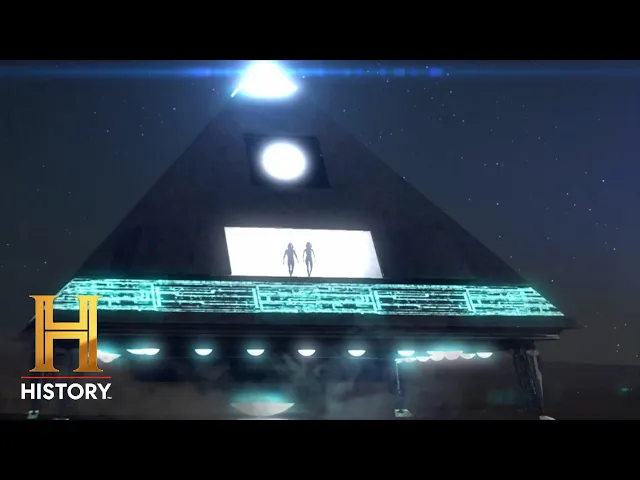
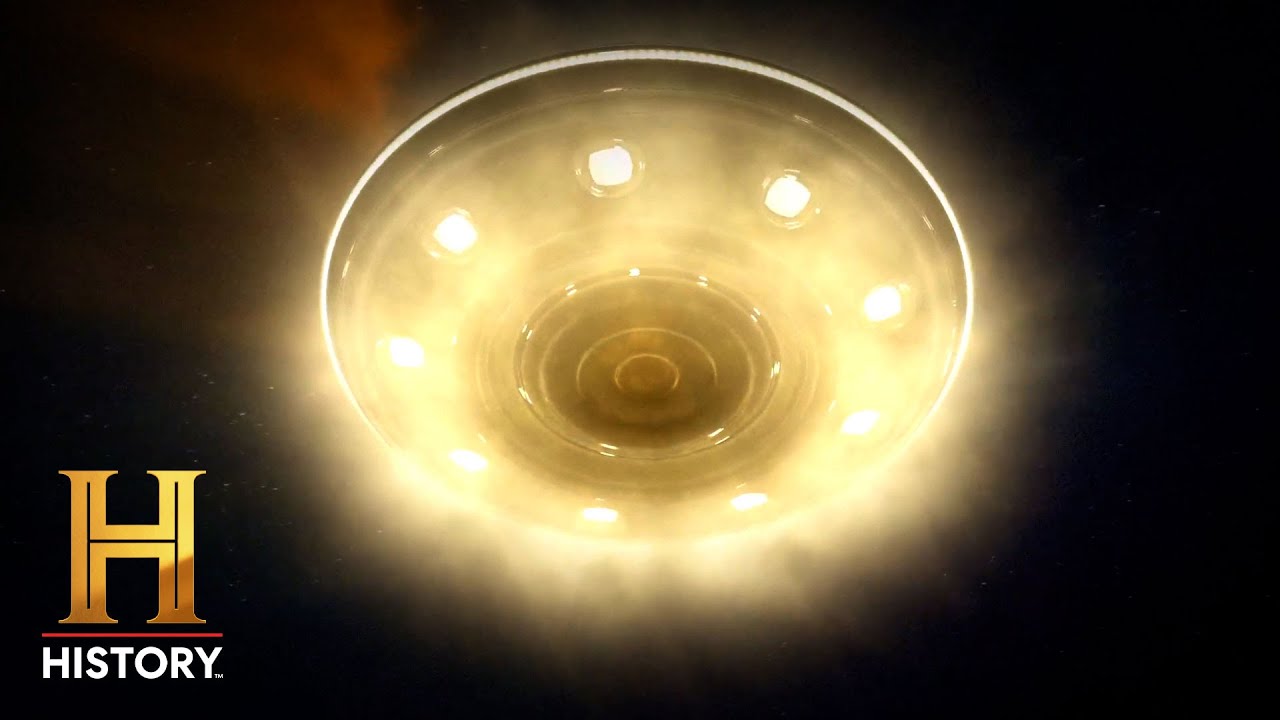
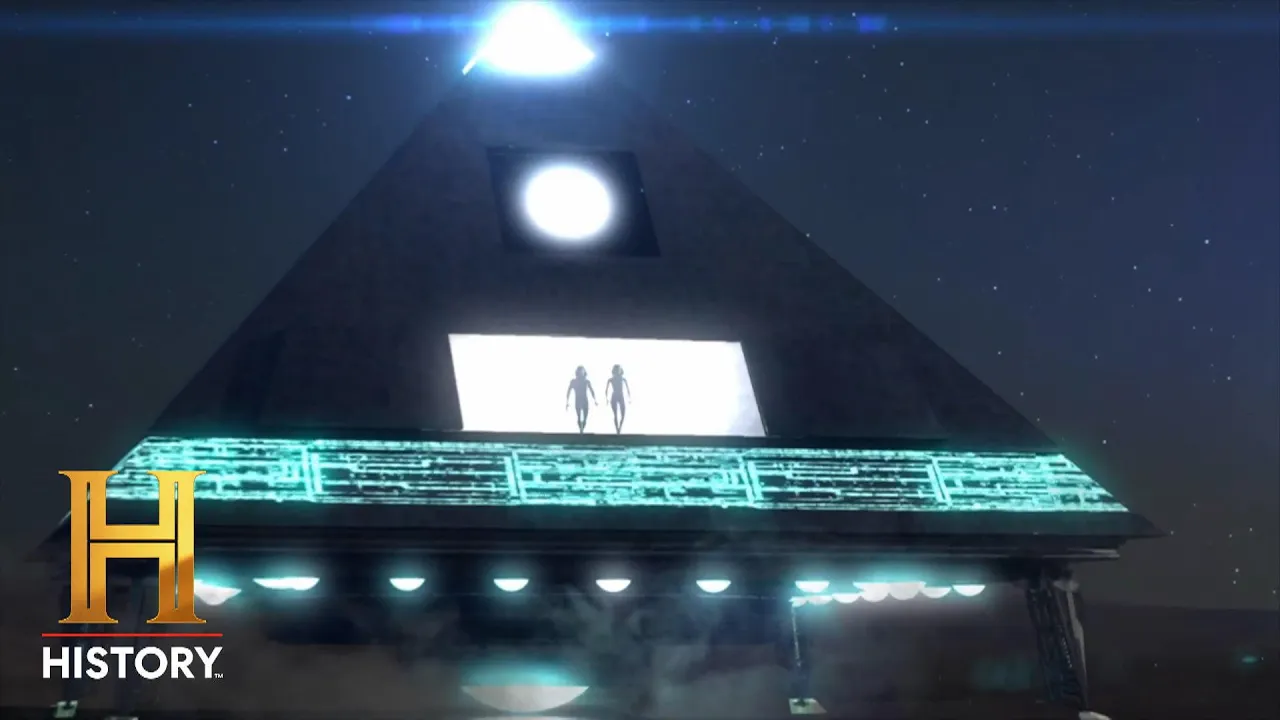
And the top was always dedicated to the sun god, Ra, one of the most powerful gods in ancient Egypt. NARRATOR: The pyramid-shaped stone on top of each obelisk called the benben stone was a design rooted in Egyptian mythology. The benben was a vehicle which Atum, the God of all creation, used to travel back and forth between the heavens and Earth.
We think of the benben as a craft because it is believed to have come from the stars originally. When the god Atum arrived on Earth, he arrived in the benben. When the god Atum left the Earth, he rose in the benben and presumably went back to the stars.
NARRATOR: Curiously, the ancient Egyptian gods were often depicted as human-like figures who came from the stars and possessed incredible powers. And as far as ancient astronaut theorists are concerned, accounts of gods traveling in the benben could be a case of misunderstood technology. We always have to remember that the technological frame of reference that our ancestors had cannot be compared to the technological frame of reference that we have today.
Our ancestors perhaps witnessed some type of a craft descending from the sky out of which these extraterrestrials came and jumpstarted civilization. And they tried to replicate the vehicles which those gods arrived in. NARRATOR: Could it be true that the top of every obelisk commemorates an alien visitation?
Ancient astronaut theorists say yes.