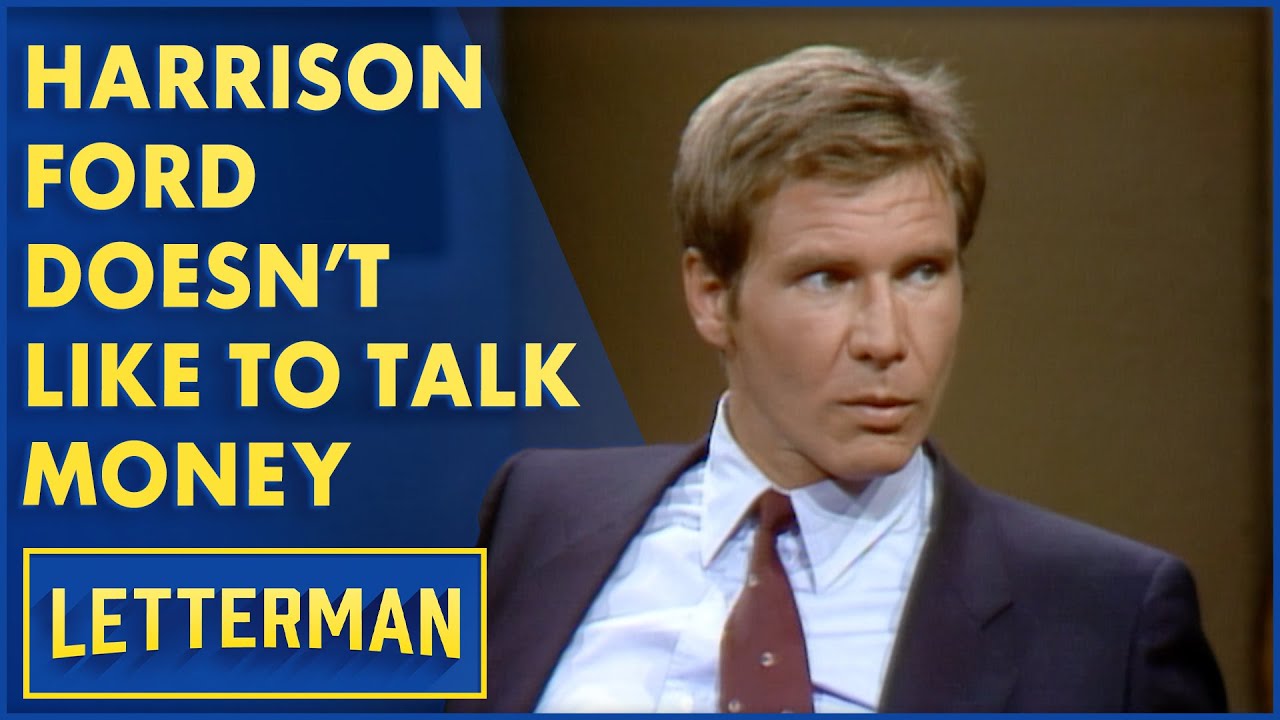
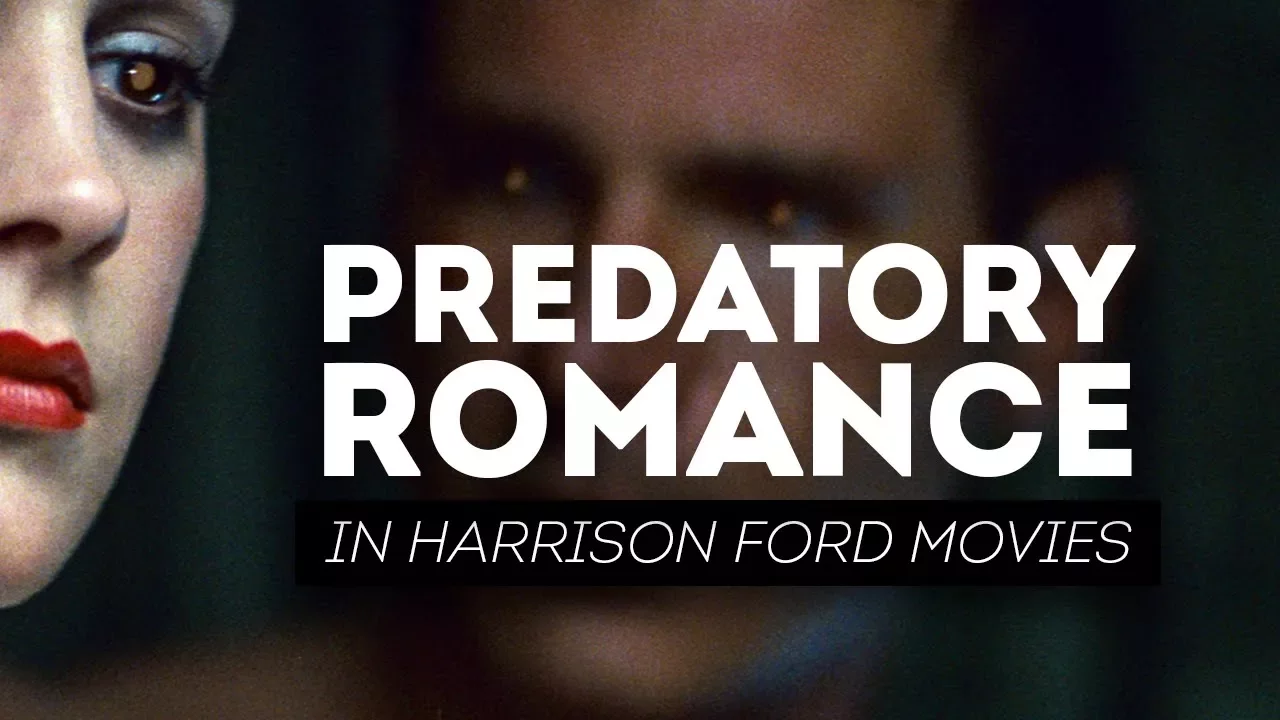
[Music] Harrison Ford has played some of the most iconic male heroes ever to appear on film the cultural impact of whose filmography is so massive that it's hard to overstate an entire generation of young boys learn to idealize his cinematic performance of masculinity these films provided an education of sorts into what it meant to be a man on soullow Indiana Jones and Rick Deckard have a lot in common there are loveable rogues who chart their own path and take what they want they may be assertive or cocky but in the end they're always framed as
good guy growing up I watched Harrison Ford's movies dozens of times but going back and watching them scan as an adult I just felt like something else they have in common something darker something I hadn't quite noticed as a kid or at least didn't really have the language to articulate I don't know I have a bad feeling about this yeah if you look beyond their charisma Deckard Hahn and dr. Jones all treat women badly so in this video we're going to take a closer look at four iconic scenes from Harrison Ford's career all of which
illustrate an unsettling pattern each is essentially framed at those deductions and plays out a similar dynamic the dynamic of predator and prey most critics agree that Empire Strikes Back is the best of the original Star Wars trilogy the film takes a darker tone and focuses more on its character development fleshing out the relationship between han Solo and Princess Leia now keep in mind that Han and Leia have had no romantic relationship up until this point in fact their interactions have been tense to say the least [Music] I go please I'll get excited being held by
you isn't quite enough to get me excited sorry sweetheart time for anything else I'd like to focus on one scene in particular a scene that's often cited as one of the most romantic and cinematic history let's count the number of times that Princess Leia directly or indirectly indicates that she's not interested in Hans example hey your worship I'm only trying to help you please stop calling me that sure it's so difficult sometimes I do I really do you could be a little nicer though come on admit it sometimes I think I'm alright occasionally maybe when
you aren't acting like a scoundrel scum I like the sound of that Stefan stop work my hands are dirty dirty - were you afraid of Rey your children [Music] [Music] isolated the reverse power flux coupling in addition to its function in advancing the plot this scene is sending us a whole bunch of messages about masculinity about men and about romance with women the scene only lasts about a minute and a half during which time she rebuffs hit advances eight different times with both verbal and nonverbal communication and he ignores and disregards her each time some
will of course object to this reading of the scene they'll point out that as viewers were supposed to infer that Leia despite her repeated objections secretly really wanted and that therefore is okay for Hong to disregard her work I have no doubt that that is how the scene is meant to be understood and therein lies the problem the troubling implication here is that when women say no they don't really mean it that when women say no it's just part of some courtship game where good girls play hard-to-get and that men are therefore justified in continuing
to pressure them until they finally give in in perhaps his second most famous movie role Harrison Ford's character continues the same predatory behavior Indiana Jones not only refuses to listen to women when they say no he also uses force to get what he wants I'm allowing your tag along so what it could give about the rest okay doll being paired along everything you got into my club having been able to take your eyes off me oh yeah at the end of Indiana Jones in the Temple of Doom leading lady Willie Scott has clearly had enough
of me be handed which I put her life in danger at least a dozen times over the course of the film so when he suggests she accompanied him on another adventure really rebuffed him in no uncertain terms it's a long way to Delhi no no more adventures with you ducked sweetheart after all the fun we've had together do you think I'm going to Delhi with you or anyplace else after all the trouble you've gotten me into think again buster I'm going on to Missouri where they never feed you snakes before ripping your heart out luring
you in the hot bed is not why I had a swell time she makes it clear that she's not interested and she walks away but indeed doesn't listen he forcibly prevents her from leaving polls are back again and Kansas it's important to know here that really is risen to have a positive response to Indies aggressive behavior her reaction reinforces the myth that women secretly want it even and especially when they explicitly say no the scene also contains another regressive message one about women's anger but we'll get back to that in a moment let's skip ahead
to a scene in Indiana Jones and the Last Crusade just like in Temple of Doom with Indy and Elsa have not had a romantic relationship up until this point knock it off you're not bad no no like lucky I don't do things the same way you'd still be standing at the Venice pier what do you think is going on here since I met you I've nearly been incinerated drowned shot at and chopped into fish bait we're caught in the middle of something sinister here my guess is dad fought off more than he was looking for
and until I'm sure I'm gonna continue to do things the way I think they should be done how dare you kiss me and here's where the narrative begins to reinforce more of those dangerous ideas about courtship if that had been the end of it it could have served as a lesson what men should not do alas Elsa is written to reaffirm the same dangerous myths that we've been talking about in all the teams so far Yolo I don't like fast women and I hate arrogant men the idea that women secretly want men to force them
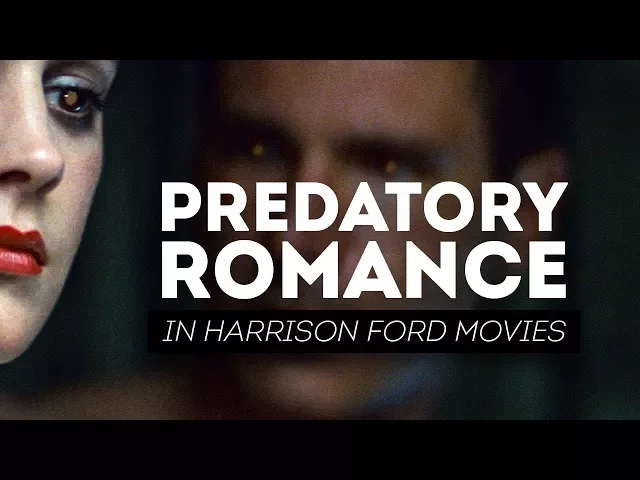
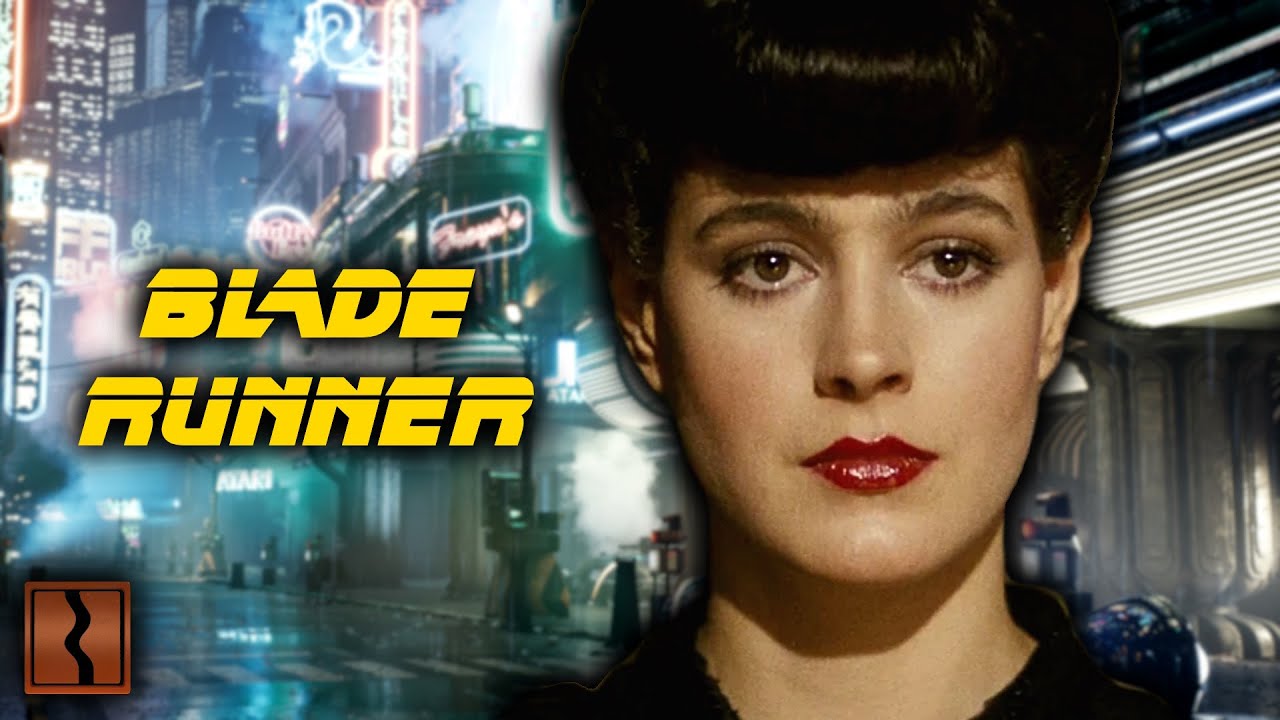
problems these two scenes are played as humorous but both still reinforce another pernicious idea the idea that women's anger isn't real that woman's anger is instead an invitation to men to continue their advantage for most of my life I said that Blade Runner was my favorite film of all time I don't say that anymore Ridley Scott's in 1982 masterpiece includes perhaps the most disturbing the Harrison Ford so-called film a scene the film frames a violent sexual assault committed by its protagonists as a form of seduction first a little context Rick Deckard has just informed Rachel
that her memories are fake and that she's not a human being as she previously believed but a machine keep in mind that it's Deckard's job kill androids androids life Rachel Deckard is drunk and rachel is distraught and he takes advantage of his vulnerable moment to kiss her [Music] when she doesn't respond to his advances he moves in again she backs away gets up grabs her coat and quickly heads for the door but like all the scenes we've looked at so far our hero refuses to take no for an answer here's where it crosses the line
into sexual assault [Music] Deckard responds to rejection by getting angry and turns violent he punches the door closed grabs her shelter against the window pins her there and then forces a kiss on her as tender music starts playing to indicate to the audience that we are now supposed to find all of this seductive the implicit threat of violence weighs on everything in this scene the scene includes many of the same dangerous messages we saw in previous example again we see the myth that women secretly want it and again the myth that women will respond positively
to male aggression it's all here but there's something else going on as well you see Deckard employing the tactics of a serial abuser to understand what I mean let's rewind and watch part of that team again while pinning Rachel against the window Deckard orders her to kiss him to you when she tries to protest he doesn't listen so you kiss me and commands her to ask for it just so we're all clear on what's happening here Deckard is forcing Rachel to give him consent under the threat of violence after physically attacking her and trapping very
good apartments I want you I want to what Deckard is doing he's shifting the blame and the culpability for this assault away from himself and on to Rachel he's forcing her to make the assault her fault he's forcing her to literally ask for it this is a particularly insidious form of emotional manipulation that's commonly used by men who commit domestic violence Blade Runner is about a man in crisis a man uncertain about his job his place in the world and his own humanity but instead of facing that internal struggle Deckard reasserts his own power by
exerting power over women especially Rachel in many ways Harrison Ford represents the paragon of all American Hollywood manhood throughout the 80s and 90s he was an almost unparalleled cinematic role model his movie has offered us lessons and how to be a knight how to be a good guy how to be a hero but they also taught us that a corrective sexual behavior is something that women admire and that young men and boys should emulate the tactics of invading a woman's personal space aggressively propositioning her multiple times and putting her in a very uncomfortable position of
having to reject you these are strategies that are right out of a pickup artists playbook it's the predatory worldview that's at the heart of what's often referred to as rape culture films that confuse coercion or abuse for seduction are of course not limited to just Harrison Ford's filmography law the conventions of predatory men who are part of a long-running Hollywood tradition in popular movies television shows and music in the three decades since the release of Blade Runner very little has changed in terms of Hollywood manhood take this team from Spectre the most recent James Bond
film which was released in 2015 you killed him didn't you my husband he was an assassin trust me he won't take it personally my dad want the movement and blocking in the scene tells the whole story and it's a familiar one notice that bond is always advancing on her and she is always backing away well I can tell you the deck don't cost you when you have impeccable instincts James Bond is in the role of the predator slowly stalking and then trapping his prey the implicit threat of bond violence permeates everything this interaction as it
does with Deckard and Blade Runner blonde dreams again you see the aggressive nature of this scene framed by the film as a form of seduction the film is telling us that men don't need to listen to women that they should take what they want aggressively if necessary that once backed into a corner once coerced women will finally admit that they secretly wanted it all along even if they said no as the movies we just looked at illustrate men in our culture are socialized to believe that it's acceptable to pressure or coerce women when women say
no on solo Indiana Jones and record don't hear them they like too many men in our culture instead here not yet or keep trying despite the lessons of Hollywood style masculinity when women indicate that they're not interested in something that is never an indication to keep trying the absence of a hard no or even a very reluctant yes is not enough because if that's all that's required it opens up the door for forms of coercion and manipulation and it should go without saying that coercion and manipulation have absolutely no place in romantic or sexual relationships
what we should be looking for instead is an enthusiastic yes okay okay here we are the affirmative or enthusiastic model of consent encourages open proactive communication mutual excitement and respect do you like it like it I love it I could kiss people I could I mean I'd like to I may I we meet I mean may we wait what we may [Music] if you'd like to see more videos related to media and manhood you can help fund the pop culture protective agency over on our patreon page