Hi there Psych2Go fans! A quick thank you from us to you before we start. We want to let you know how much we appreciate your continued support and thirst for knowledge.
So, let's continue our brave march to learning about psychology. Fear. You've felt fear.
It's a dark night, and you're watching a horror movie. You scream or jump a little when a scary scene comes up. Or, you're plunging down the big drop on a rollercoaster, and your palms are sweating while you yell from the thrill.
We're not talking about that kind of fear. Sometimes, fears become excessive and irrational to the point where we can't function normally. The intense worry and avoidance caused by these fears can interrupt day-to-day living, causing panic when that fear is encountered.
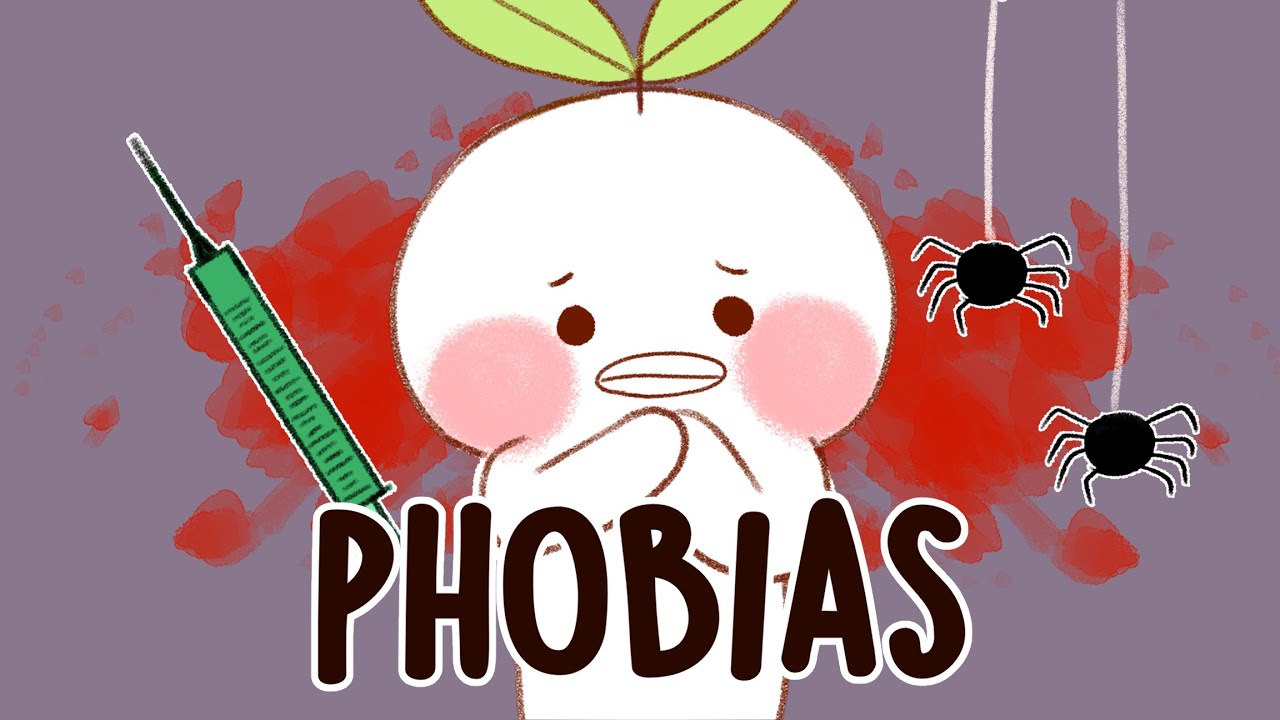
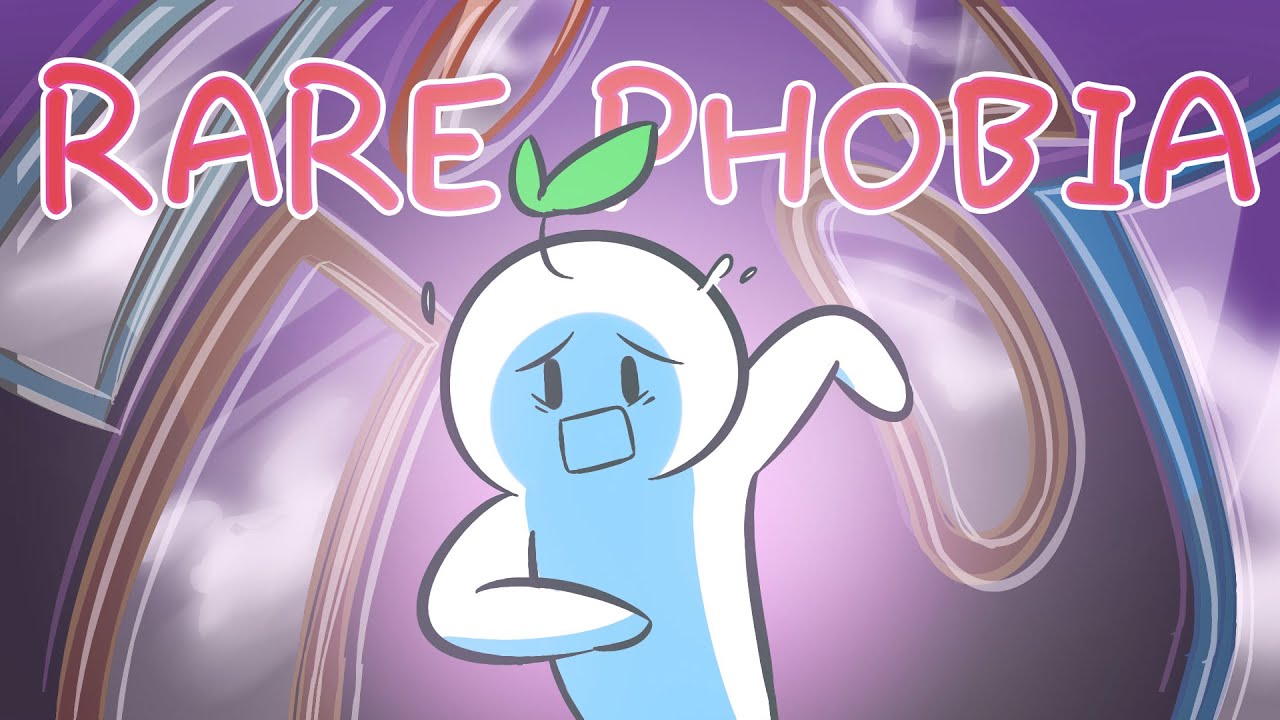
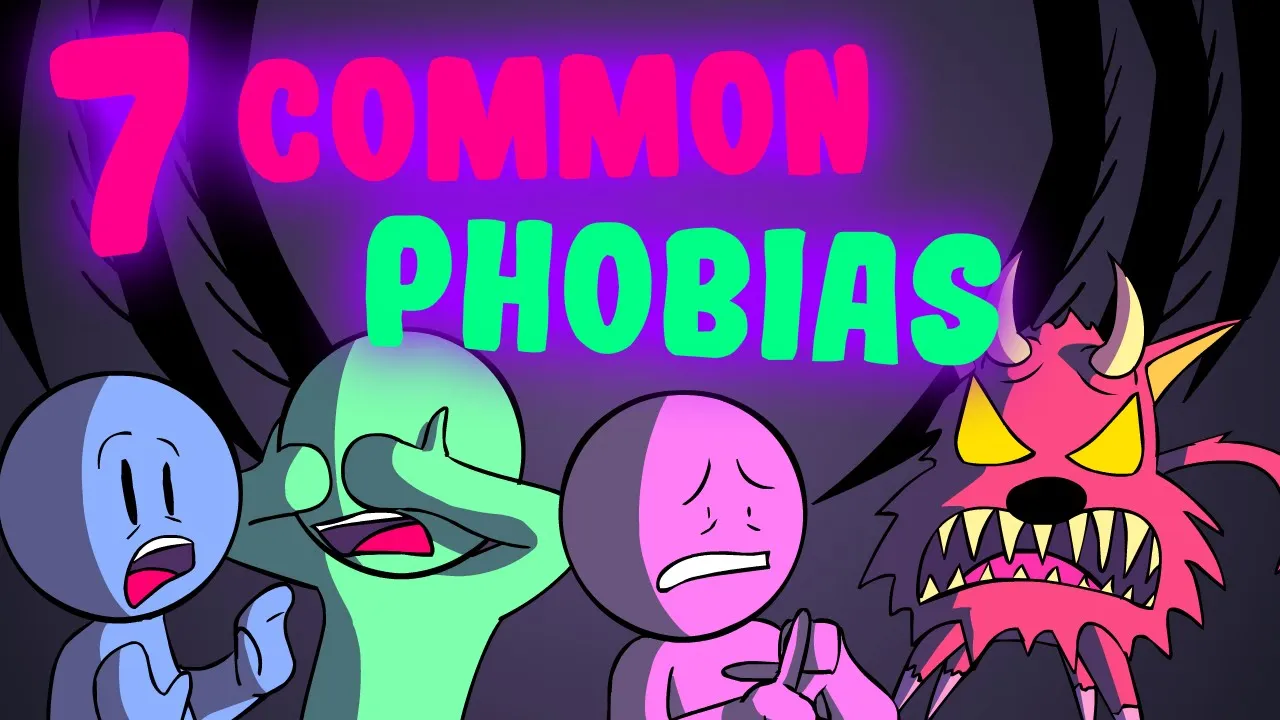
That's when the fear becomes a phobia. Phobias are classified into three types: social phobia, agoraphobia, and specific phobias. Specific phobias are further grouped into five major categories: environment, situational, animal, blood/injection/injury, and others.
A 2017 study found that over ten percent of adults in the United States alone struggled with phobias. This makes phobias the most common psychiatric illness among women and the second most common among men. Curious if you have a particular phobia?
بیایید به هفت فوبیای رایج بپردازیم. یک: arachnophobia، کابوس هشت پا. در حال حاضر شایع ترین هراس در جهان آراکنوفوبیا است که ترس از عنکبوت ها است.
این هراس 3. 5 تا 6. 1 درصد از جمعیت جهانی را تحت تأثیر قرار می دهد ، یعنی هر سال حدود 300 تا 400 میلیون نفر مبتلا می شوند.
در مقایسه با مردان ، زنان دو برابر آراکنوفوبیا دارند. با این حال ، 55 درصد از مردم ممکن است برخی از ترس از عنکبوتها ، و نه یک هراس کامل را داشته باشند. جستجوگرها Ohman و Mineka معتقدند که آراکنوفوبیا ممکن است ریشه در تکامل ما داشته باشد.
Allegedly, our ancestors found their appearance frightening and viewed them as a threat of food and water contamination. Two: ophidiophobia. Do you hear hissing, because I hear hissing?
Have you seen something out of the corner of your eye that's long and sinuous and froze in fear? Maybe you can't catch your breath and your heart hammers in your chest when a friend shows you their snake of the world book. اگر چنین است ، شما فقط ممکن است افییدیوفوبی ، ترس از مارها داشته باشید.
Ohpdiophobia دومین نوع گسترده تر از هراس خاص است که تقریباً یک سوم از افراد بالغ گزارش می دهند که در سطح جهان از این بیماری رنج می برند. Similar to arachnophobia, the fear of snakes is believed to be rooted in the primitive drive to survive, مارها معمولاً به عنوان موجودی شرور و خطرناک تلقی می شوند. علاوه بر این ، تجربیات شخصی و تأثیرات فرهنگی نیز ممکن است نقشی داشته باشند.
همانطور که مطالعات نشان داده است که در جاهایی که مارها کمتر دیده می شوند ، موارد بیشتری از افییدوفوبیا گزارش شده است. جای تعجبی نیست که مارها اغلب در صحنه های مختلف ترساندن فیلم و ترس در مواجهه با واقعیت ها نقش مهمی را ایفا می کنند. سوم: Acrophobia (ترس از ارتفاع) آسانسور شیشه ای؟ نه ممنون.
من در طبقه اول می مانم. ترس از ارتفاع یکی دیگر از هراسهای رایج در بسیاری از ما است. نام رسمی این فوبیا آکروفوبیا است No, we're not predacious against acrobatics or other high-flying performance professionals.
Intuitively, it makes plenty of sense why we’d learn to be afraid of heights. The research believes that this phobia may be the result of an evolutionary adaptation, like many things.