SMD Jack Lima Definitive Musical System So Eduardo, this final version you’ve just done, you can see it brings to you the sonority of the interval before it happens. In other words, you don´t need to play it and listen to it to know the interval, you just hear it in your head before it happens, right? It is an unprecedented work, like never before.
I doubt that there has ever been anything like it, not only here, but throughout the the entire world. It's arduous work and he must have spent a tremendous amount of time bringing it into existence. With respect to rhythm, I do not know of anything better, more perfect than this.
The significance is, with this book, nothing else needs to be done with regard to rhythm, because everything is included. Everything. And it's so much more than has ever been done through the years, you know?
So his book has it all. DMS holistic approach: Student's own time + Theoretical understanding + Exclusive software DMS = Fluent and natural musical practice The problems with standard music instruction are both the sense of immediacy and the lack of a logical framework. It is expected that the individual will quickly learn to play an instrument, and it obviously works, but after a while, issues can arise.
The student is constrained, limited only to what he/she has learned empirically. The difference with DMS is precisely the logic it brings to learning. Every new student goes through an assessment - like an X-Ray, to identify precisely what he needs to study, i.
e. part of the first section, and so on, part of the second section, the third section, etc. , at which point he sees that he is capable of everything, whatever is inherent in the music.
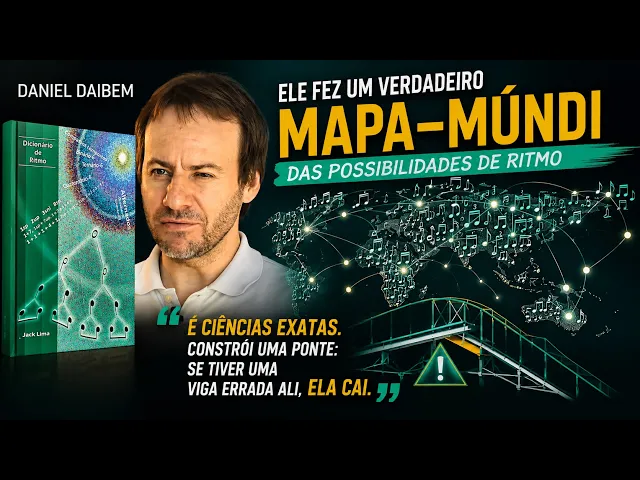
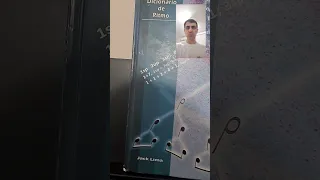
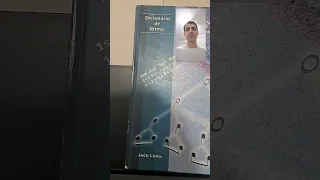
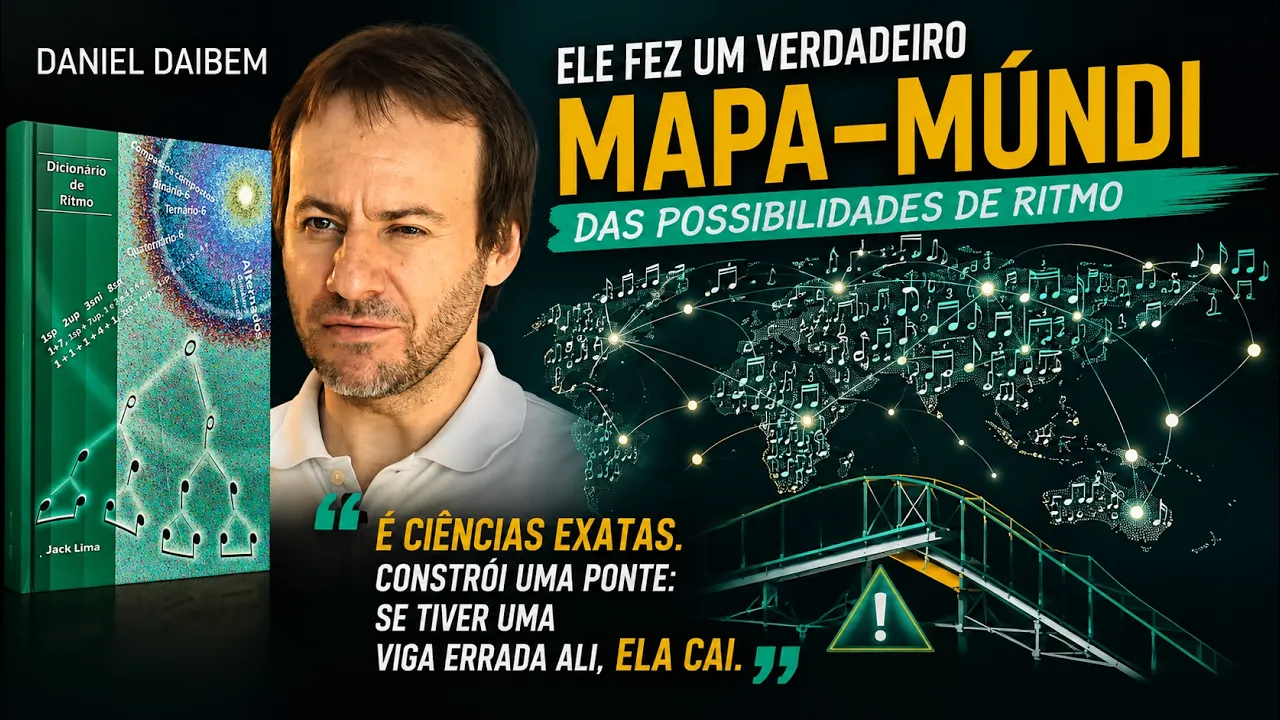
The Rhythm Dictionary brings to light all potential rhythmic possibilities, like a global music map. The composer can choose the time signature before creating a composition, then he chooses the motive (groove), and, obviously, having the motive in hand, he can, now consciously, composes something based on what he had in mind before. It's intended for everyone from beginners to advanced students with degrees in music.
Look, the first thing I see in Jack's method, not only in the software, but in the method, is the organization he puts forth. Because music is art, ok. Now, creating art is exciting.
It is an exact science, like a bridge. If you construct a bridge, and you have one wrong beam in there, it falls. Just like Jack says, he created a real world map of the possibilities of rhythm.
for example, in 4/4 time, or speaking of samba or funk, there are thousands more possibilities of rhythmic figures that exist, right? The 'tagadaga', how much you can play with that phrase? And he mapped it all out.
Another thing that struck me when he showed me the software is the issue of response time. As a student, you go through a process of evaluation to see how much you do or don't know. I've seen a chord perception class for example, or even rhythm class, and a guy asks: "What's this chord?
I don't know. What this chord? " "Bam!
C7, Bam! , Ab6," and that's what he works on software, because music is like that. It's not in time?
You do not have the time to execute a sound? If there's any doubt, it means that you don't know. There's no problem in not knowing, just admit: "I do not know that.
" "I have to study. I know! Go ahead".
Jack's software method enables quicker response time — that's what programs the brain. Definitive Musical System, a name proposing an appropriate theme, is a methodology that makes you reflect, because it has a beginning, middle and an end. In teaching the musical language to a person who is already knowledgable of music, who in principle is musically literate, they enroll in DMS, with the absolute conviction that they will come to dominate the musical language.
That's my impression of Jack Lima DMS. Jack's method is very logical, the kind of logic intrinsic in human beings. It evaluates assumptions, major logic, minor logic, and based on the premises, he arrives at a conclusion.
I became involved and found he has a great deal of skill and competence in teaching. He starts in a simple way, as if he is talking to a layman, as was my case, and developing the vocabulary, all the phrases and lines with a beginning, middle and end, leading you going to conclude that you got on board with the right program to really learn.