From the poor treatment of animals to uneven food distribution and even climate change, lab-grown food is being hailed by some as a solution for many of today’s biggest issues. Our global agriculture system is responsible for over a quarter of all greenhouse gas emissions. Among the worst offenders are beef, dark chocolate, coffee and fish, based on emissions per kilogram.
There has been a lot of hype around cell-cultivated food, but how viable is the industry? What does it entail and, more importantly, will consumers bite? Can you do the honors and lift the lid on your creation?
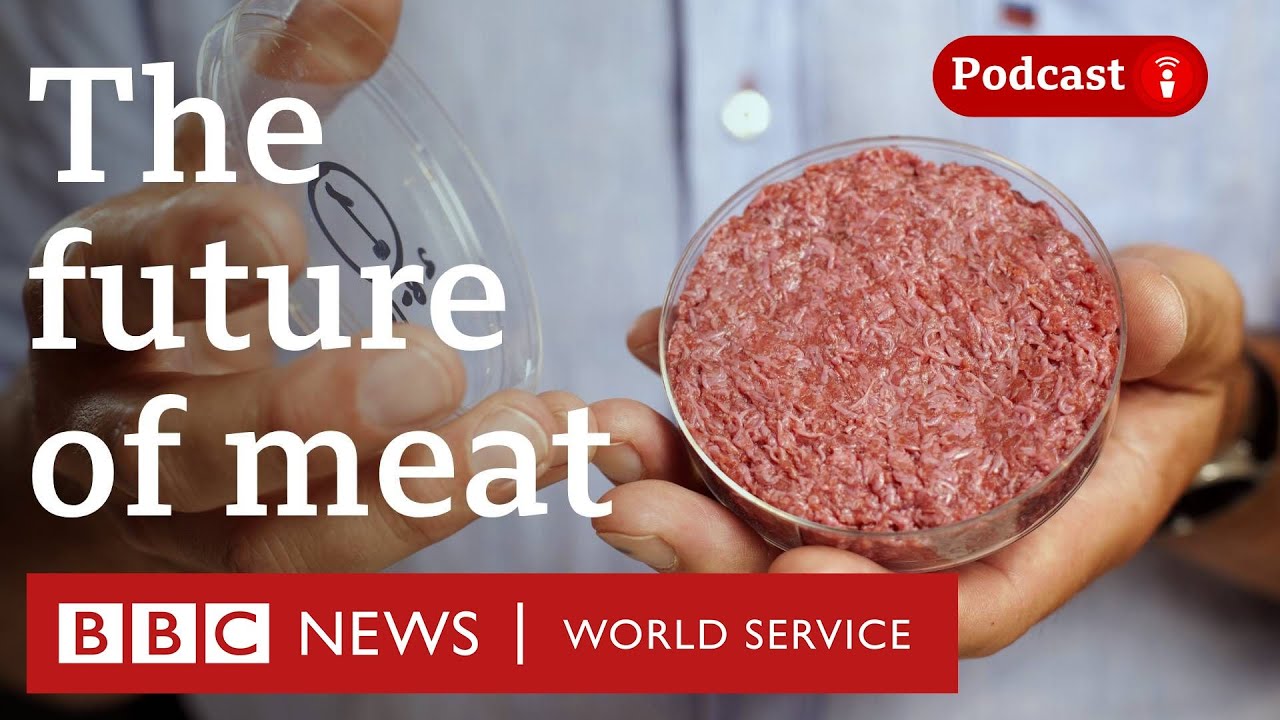
Over a decade ago on The Edge we reported on the world’s first ever cultured beef burger. Unveiled by Professor Mark Post from Maastricht University it cost around 250,000 euros to produce. On August 5th 2013, Professor Mark Post from Maastricht University unveiled the world’s first-ever cultured beef burger.
At the time it cost around 250,000 euros to produce. And most crucially, will consumers bite? He went on to set up Mosa Meat, a company which aims to bring the burger to the masses, and he’s not alone.
There are now hundreds of start-ups developing their own lab-grown products. But just how do they do it? It’s a relatively simple procedure, and similar for both meat and plant-based production.
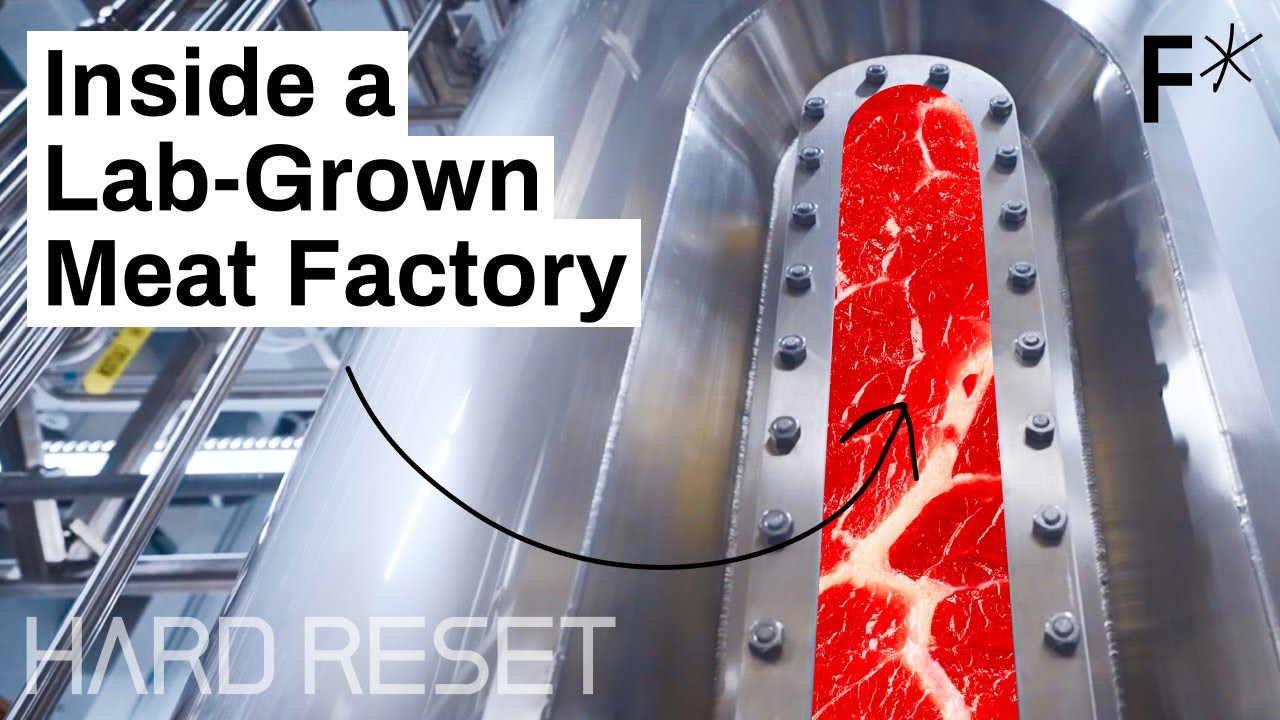
For meat, simply take stem cells from animals’ tissue and put them into bioreactors, or as they’re more commonly known, cultivators. Then add a nutrient-rich solution and watch the cells multiply into the three main components of meat: muscle, fat and connective tissue. Then put the cells into bioreactors or, as they're more commonly known, cultivators.
These cells are then separated and rearranged to build a final edible product. This part of the process is called scaffolding and can be very complicated. A steak, for instance, needs a lot more scaffolding than ground meat in a burger.
The entire process takes between two and eight weeks, but the payoff can be huge. It’s estimated that just 0. 001 pounds of cow cells can create up to 4.
4 billion pounds of beef. That sounds like an impressive return, so what’s the hold up? Well, cost is a big issue.
Currently, lab-grown meat is around 40% more expensive than animal meat. And then there’s health and safety concerns. All production must happen in a completely sterile environment because the cells have no natural immunity from diseases.
And while traditional meat is nutritionally dense, most of its proteins, vitamins and minerals are introduced via animal feed. You have to add these nutrients into cultured meat, and it’s still unclear whether today’s additives provide equal nutritional value in the long-term. As a result, regulators can’t seem to align on the technology.
Singapore became the first country in the world to approve cultured meat for human consumption in 2020. The U. S.
followed suit three years later and the U. K. ’s Food Standards Agency approved use for pet food in early 2024.
Italy, meanwhile, has banned the production, sale and import of lab-grown meat entirely, with the government citing its potential negative impact on the country’s farming industry. France and Romania might do the same. The EU so far has not offered any guidance, but if it does green light use, it could put Brussels on a collision course with angry farmers.
Some critics are also calling for more research into the environmental impact of cultured food, especially if production is ramped up significantly. The manufacturing process, after all, still requires an energy source, but those championing the industry believe the benefits outweigh the negatives. They say cultured food has the potential to dramatically reduce food waste, tantalize our taste buds with things we’ve never traditionally eaten and could provide health benefits by tailoring food to nutritional needs, such as removing gluten or saturated fats, without compromising on the taste.
According to consulting firm McKinsey, cultivated meat could make up as much as half a percent of the world’s meat supply by 2030, making it a 25-billion-dollar global industry.