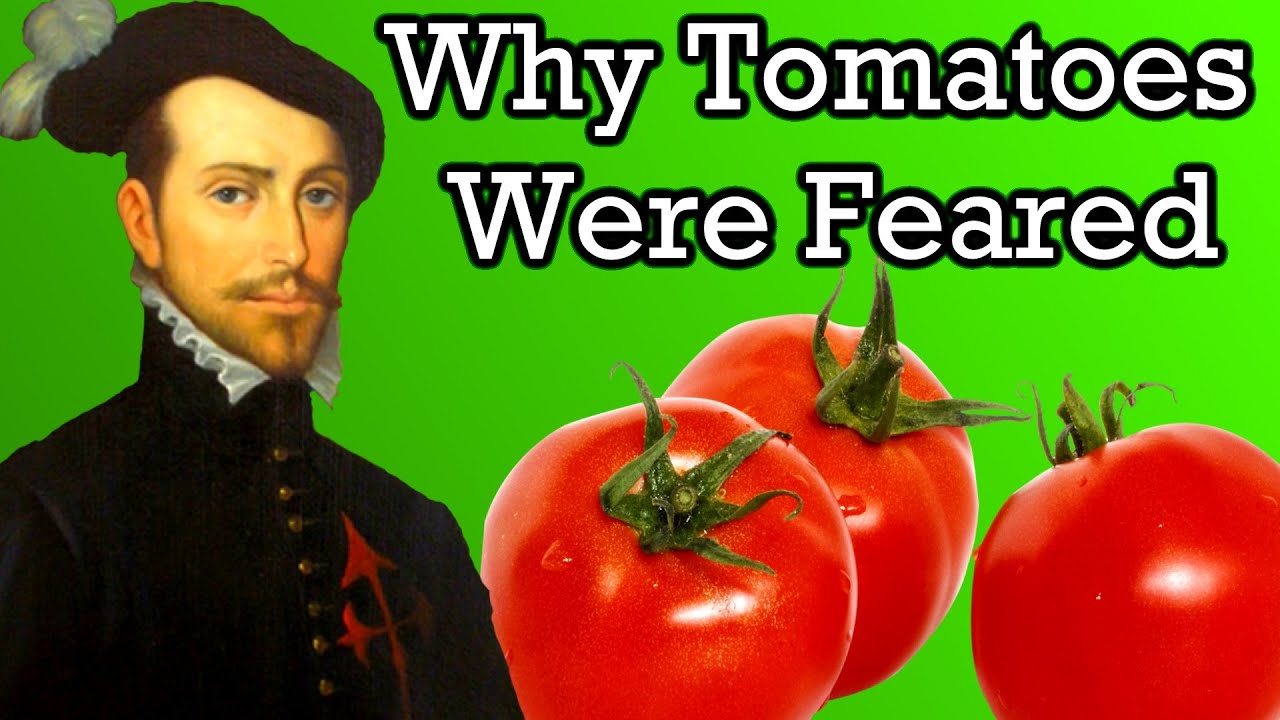
Tomatoes once killed people. But that was long before becoming the main ingredient in everyone’s favorite condiment. Many even called it the “poison apple”.
You see, in the late 1700’s tomatoes were blamed for the deaths of wealthy Europeans. Now, they didn’t have the technology to test for poisoning at the time, but if they did, they would have found the culprit inside the blood of the victims. And that would have revealed a whole different story.
The problem wasn’t eating tomatoes. It was how they were being eaten. Back then, European aristocrats ate off of pewter plates.
Pewter being a metal alloy consisting of tin, antimony, copper, and small amounts of lead. And this is where it all went wrong. You see, they were actually unknowingly poisoning themselves.
When eaten off of pewter plates, and often with pewter utensils, the highly acidic tomatoes would form a chemical reaction that would leach lead into the tomatoes. Leaving many to become sick… and even die. But this wasn’t the end of tomato’s bad reputation.
Because, for a long time, tomatoes were mistaken for the nightshade berry. Which made people assume they were poisonous and avoid them out of fear. They were also considered poisonous because they contained a naturally occurring poisonous chemical.
Tomatine. So, again, people kept their distance. And, to be fair, tomatine is poisonous and can be found in tomatoes.
But it’s in such small quantities, that people who eat them aren’t at risk of being poisoned. This, along with their likeness to this poisonous berry, kept them far away from entering the kitchens and mouths of the public. But, as you know, tomatoes didn’t keep their bad rep forever.
And this change is thanks, in part, to one man who, on June 28, 1820, did something absolutely outrageous. Colonel Robert Gibbon Johnson took to the steps of Salem city’s county courthouse and spoke to a gathering crowd of two thousand. It was the peak of tomato season and he had a plan.
He held up a ripe tomato to the crowd and… He ate it. One bite at a time. Until there was nothing left.
But he wasn’t finished. He picked up another and repeated the process until he finished a basket full of the fruit. The astonished crowd cheered and a band began to play.
Colonel Johnson didn’t die that day. But people’s perception of the red, juicy fruit changed for the better. Making it that much easier for the plan of another man, just 14 years later.
Doctor John Cook Bennett began preaching about the “benefits” of tomatoes. He claimed that tomatoes were “miraculous”, and that they could cure any ailment. From indigestion to cholera, and even ailments brought on by travel.
Tomatoes, he claimed, were a true cure-all. Even if he didn’t have any evidence to back up his claims. But it seemed that people didn’t need evidence.
Because Dr Bennett’s enthusiasm for tomatoes caught on, and popularity for the fruit started to grow. And even though he didn’t believe in them, he helped hucksters sell pills filled with tomato extract. “Now, if the virtue is in the tomato, why not give it in its simple state uncompounded?
. ” People ate them up! Literally.
Hundreds of thousands of the pills had been sold to the public. They even proved popular enough to inspire copycats. Oftentimes these tomato pills contained little to no actual tomatoes in them.
And even though they claimed to cure cases of diarrhea, sometimes they included counter productive laxatives. Despite these things, this craze lasted for over 20 years. The demand for these bogus pills finally went down when people felt comfortable enough to incorporate whole, fresh tomatoes into their diets.
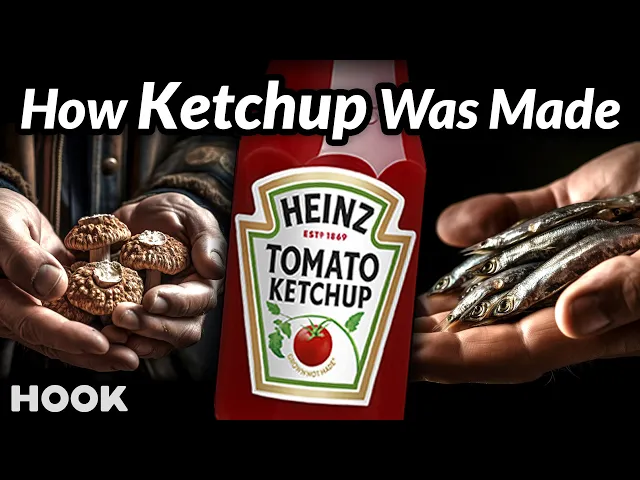
Something that made it easy for them to make this transition from pill to the unfiltered real-deal tomatoes was ketchup. Ketchup had been on the rise since its first mention around 300 BCE. From the original “ge-tchup”, “koy-cheup” and “ketsiap” discovered in ancient China that consisted of a brown, fermented paste made from fish entrails and soybeans.
In Indonesia, “ke-tsiap” was known as “kecap”, and once the sauce traveled to Europe it gained a new name. “Catchup”. It wasn’t until 1711 that the first mention of “ketchup” was recorded.
But even with the familiar name, none of these early versions of ketchup used any tomato in their recipes. One of the first known mentions of tomatoes in ketchup came from an American horticulturist. In 1804 he wrote that they made a “fine catsup”.
This tomato ketchup of his was quite different from what we know today. It included alcohol and didn’t have the sugar and vinegar that make up the modern ingredients of the sauce. But, remember Doctor Bennett?
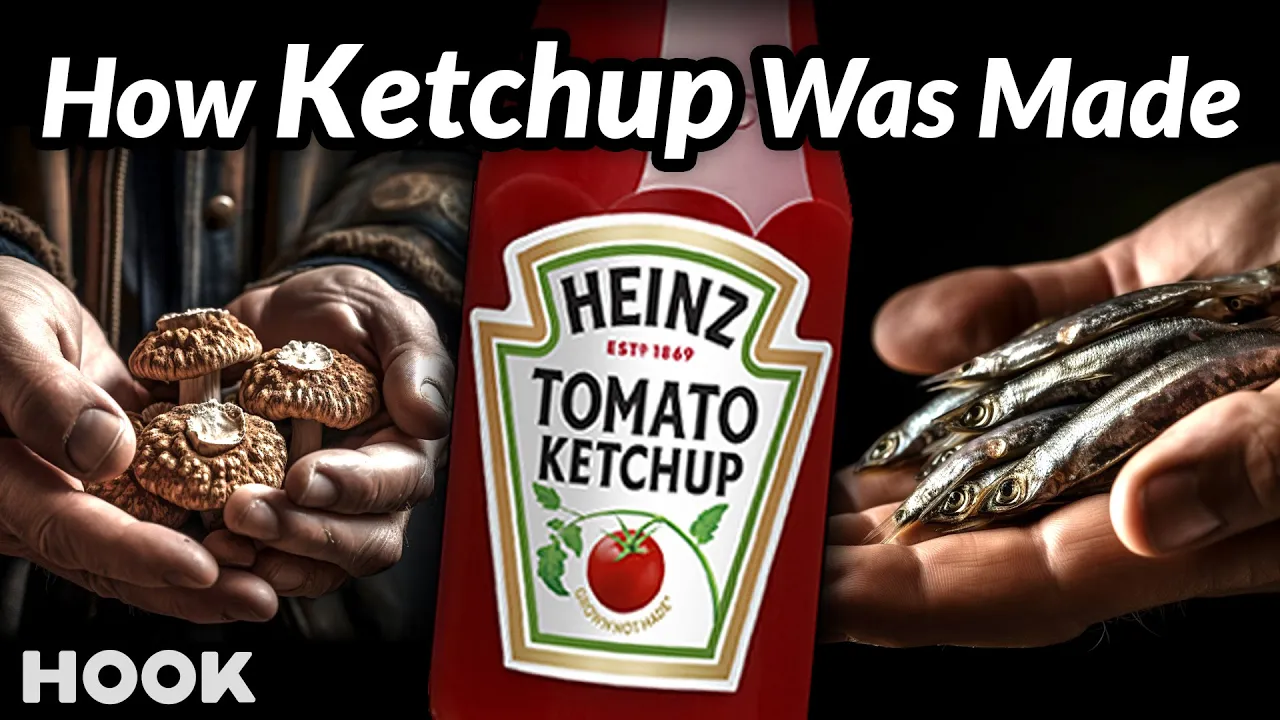
Well, he actually began creating recipes for and cooking up tomato ketchup of his own. This was during a time when ketchup’s main ingredient was still fish or mushrooms. But he, again, used his powers of persuasion to convince the public to start crafting tomato ketchup of their own.
Unfortunately, during this time, tomato ketchup was not all that great. Or healthy. Where other ketchups could last years after bottling, tomato ketchup lasted a month or two before yeast and mold grew.
And when it was commercially bottled, companies would use dangerous products like coal tar to give it the red color we know and love today. As a result, tomato ketchup’s reputation soured again and a French cook even warned against purchasing commercial ketchup made with tomatoes. Calling it a “filthy, decomposed, and putrid vegetable substance”.
So, it wasn’t quite the death-causing, poison-filled food it had been, but tomatoes in ketchup were not doing well. Thankfully, for everyone who loves ketchup and can’t eat their fries, burgers, hot dogs, scrambled eggs or even macaroni and cheese without it, one man came in to save the condiment once and for all. Henry J.
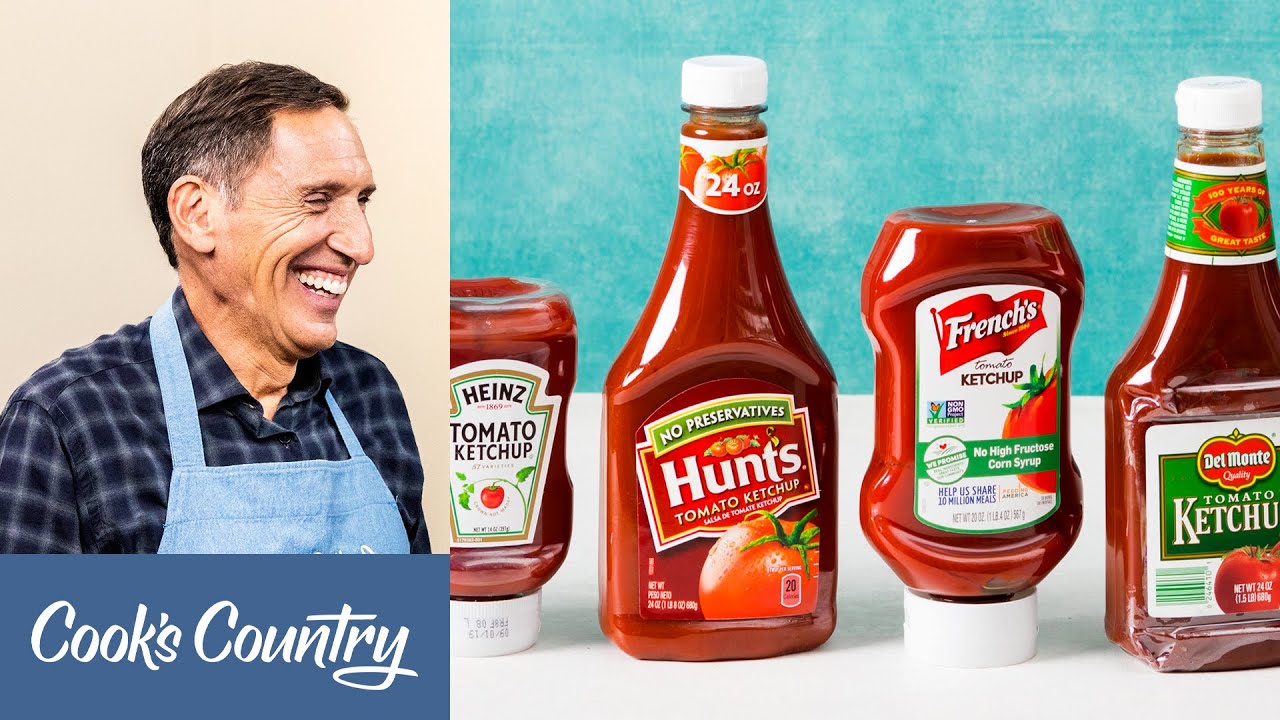
Heinz. At age 32, after tomatoes had gained wide acceptance, Henry formed a company with his cousin. Their signature product?
Ketchup. But not just any old version of ketchup. It was a new and improved tomato recipe.
Except, at the time, it wasn’t known as ketchup. When Henry first began selling Heinz ketchup, he branded it as “catsup”, which was the more common term in the United States at the time. While most companies used brown glass bottles, Henry had a different idea.
To show that his product was “pure and superior”, he sold it in clear glass bottles. This made sure that his customers could always see that they were buying good food. Keeping his reputation for pure foods, Henry didn’t use the preservatives and color additives that other commercial recipes used.
Instead, he used ripe, red tomatoes which happened to contain a natural preservative called pectin. This, along with large quantities of vinegar to aid in preservation, kept Heinz catsup good on the shelf. But Heinz catsup wouldn’t last long.
By the 1880s, catsup was out, and ketchup was in. Heinz renamed their product in order to stand out from their competitors. However, standing out may not have been the only reason for the rebranding.
Across the Atlantic in Britain, there was a distinction between the cheaper, low quality catsup, and the more expensive, high quality and often imported ketchup. Today, tomato ketchup has taken over the Western world of sauces, leaving the original fish paste all but forgotten. In 2021, the global market for the beloved tomato-based condiment had reached twenty point nine billion dollars.
And while ketchup has been made with ingredients from fish to mushrooms to the now famous tomato, these days they almost all look and taste the same: red, sweet, and tomato-based. This is the story of how a poisonous tomato, turned medical cure-all, eventually became the key ingredient in a beloved condiment. For more interesting stories, be sure to subscribe to Hook and ring that bell so that you never miss an episode!