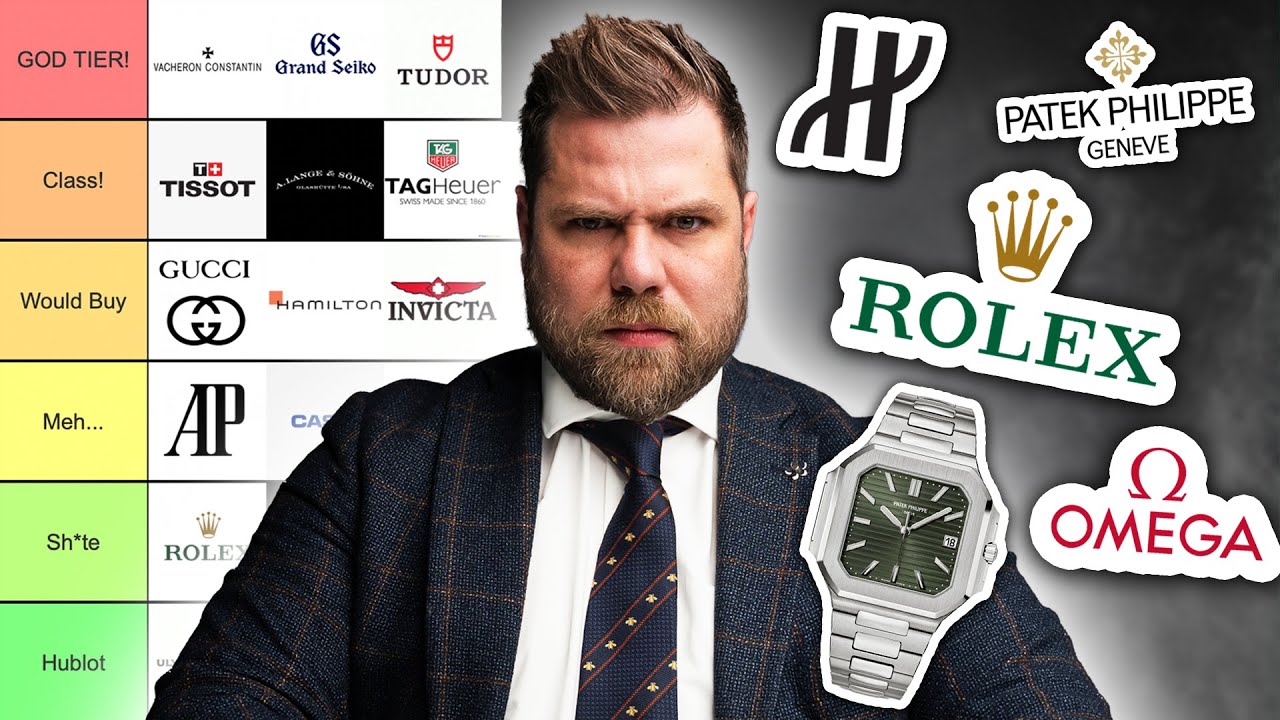
95% of the world's watches are made here, including the one you're wearing right now. Many big brand watches are produced or sourced for parts from here. This place is Shenzhen City, the world watch capital city.
Where do these high-end watches really come from? Like, are those $20,000 Rolexes you see on people's wrists actually handcrafted Swiss treasures? Or did they quietly roll off a factory line in China squeezed in next to 5,000 others just like them?
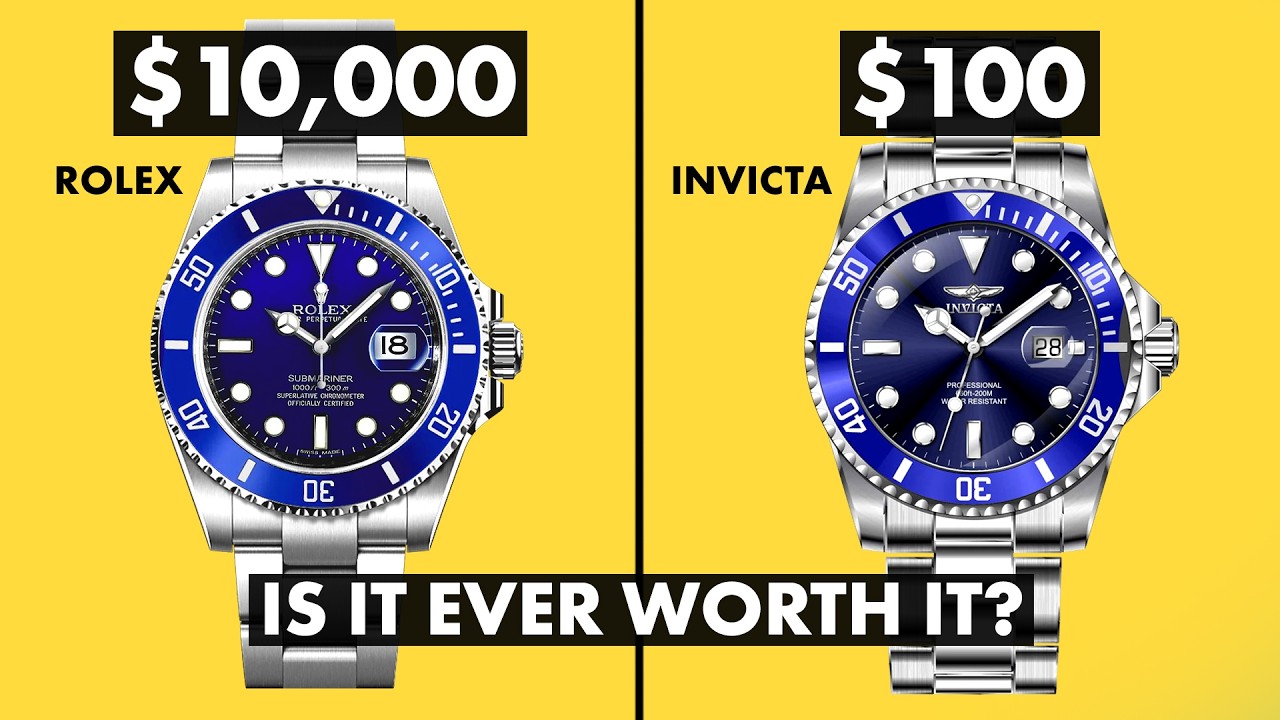
You pay $4,400 for a mitz tuda black bay monochrome. You pay almost $10,000 for a Rolex Submariner and a Royal Oak extra thinner cost like $36,000. Cheap is not a word that applies.
Bay wash is often blurred. However, when you come to Guangjo, you cannot see any problem just by looking at your appearance. One thing to be careful about is that the low quality movement inside will be sold at a high price.
My suggestion is you can try first or buy it for a legal way. I'm Sean. See you next time.
Because the way Chinese manufacturers are pulling back the curtain on the luxury watch game right now, it's wild. What used to be hush hush rumors are now full-blown confessions. Tik Tok is flooded with unboxings and let's just say factories in Shenzhen.
Yeah, they're done playing it quiet. And in the tea they're spilling, it's scalding hot. The Swiss can't sweet talk their way out of this one.
Too much has come to light. It's messy. It's loud.
And honestly, it's embarrassing. Things got so intense that Rolex had to publicly announce a major price drop on some of their prized pieces. Yep, people are stunned.
But before we start diving into all the juicy receipts, loopholes, and drama, let's hit rewind for a second and talk about the real heart of this chaos. Time to take a trip back to the real watch capital of the world. Spoiler alert, it ain't Switzerland.
All right, think about it. You probably grew up hearing that the best watches come from Switzerland, right? And in Shenzhen, you must not miss this factory.
Ask and y'all should receive. Tissa, where are the watch manufacturers? I did some digging and I found the watch manufacturers.
There is a new scandal coming out of the luxury watch division. Listen, if you want to keep going to Rolex, if you want to keep going to AP and spending your money, go and do that. However, industry insiders are coming out and I have their videos.
People have even been fired from it for lifting the hood away from the snowy mountains, skilled old dudes with magnifying glasses, delicately crafting each Rolex by hand. Cute image, but it's kind of a fairy tale. Let's talk real talk.
Welcome to Shenzhen, China, the actual watch capital of the world. No joke, over 95% of all watches on this planet are made in China. And a massive chunk of them are pumped out of Shenzhen alone.
Most Swiss watches are actually made in China. And the reason that replicas often look just as good as the original is that they are made in the same factory factory. They offer a wider range of styles to choose from, maintain strict production standard, and can support customization starting from just 50 pieces.
What worry about them are just middleman. You contact them directly. And no, we're not just talking about fake knockoffs.
We're talking top tier materials, high-end dials, polished bracelets, sapphire glass, ceramic bezels, everything. These are real deal parts made in massive volumes that Switzerland just can't compete with. And here's where it gets real spicy.
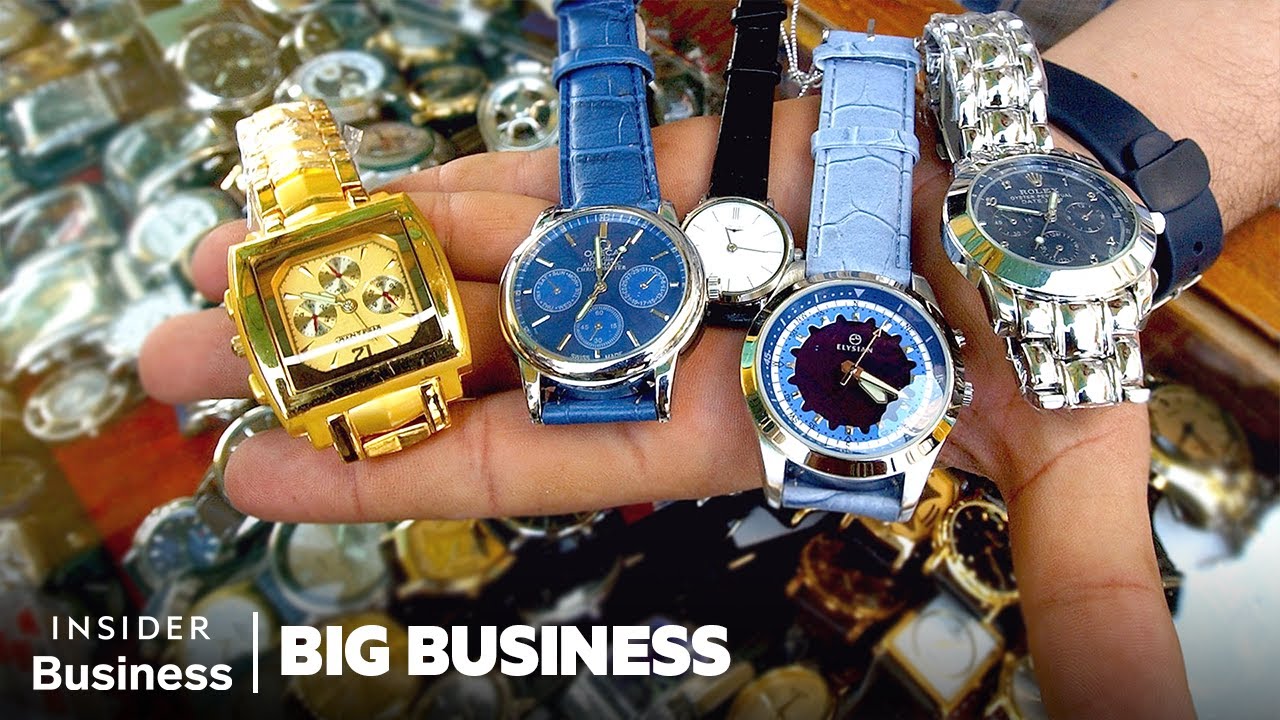
Some Shenzhen factories are allegedly crafting pieces for heavy hitters like Omega, Tag, Hoyer, Tisso, and maybe even the actual Rolex supply chain. These ain't those obvious knockoff Raleighs from the swap meet. Nope, we're not talking about some $30 flea market fakes here.
These watches are built with real parts, allegedly from the exact same factories that produce for the big names. The only thing missing, the official Swiss blessing. And here's the wild part.
Some of these factories are done hiding. They're openly flexing now, even taking custom orders straight from the public. That means you could skip the fancy boutique and go straight to the plug for your luxury time piece.
Watches come in different sizes. A small dial makes your wrist slimmer while a larger one makes you a stronger error. First of all, you need to determine your budgeting.
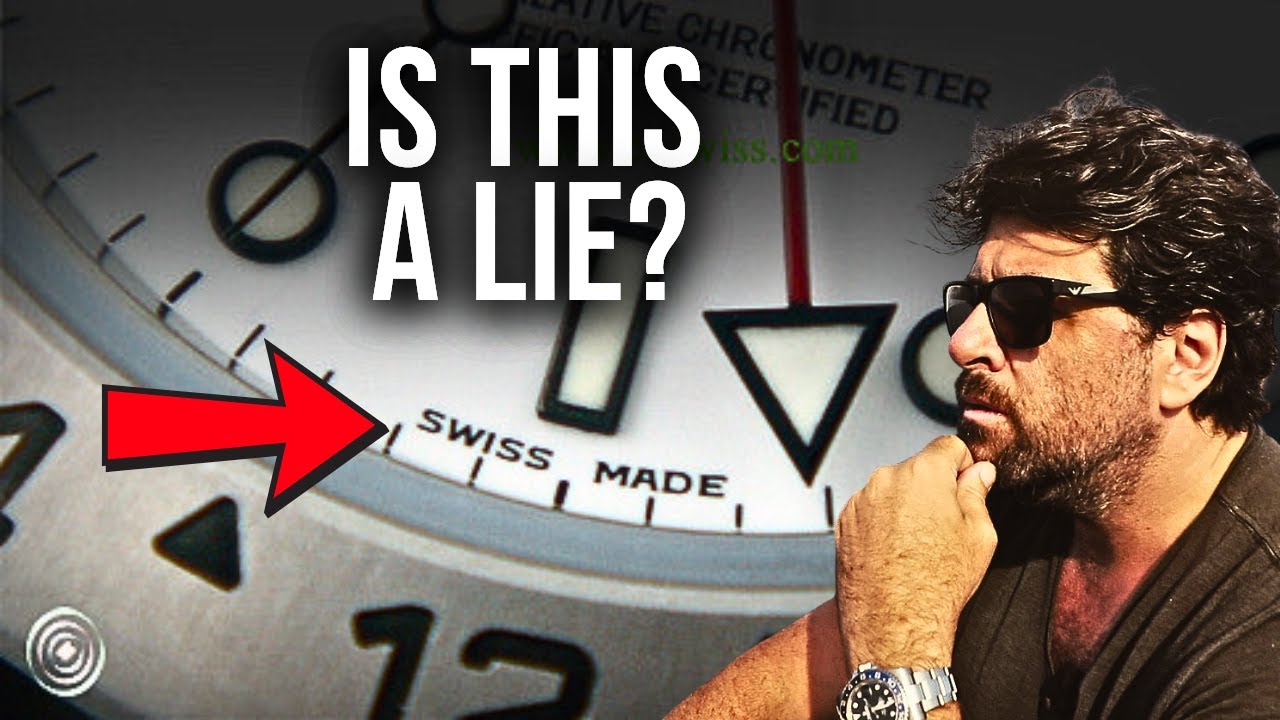
The Rolex data dress is the best choice for cost effective. But that raises a big question. If your luxury watch is mostly put together in China, why does it say Swissade on it?
Well, let me put you on game. This label is one of the slickest loopholes in fashion history. You see that cute little Swissade stamp sitting pretty on the bottom of the dial?
The one that screams elite taste, class, and old money vibes? Yeah. It doesn't mean what you think it means.
Despite what the luxury brands want you to believe, Swissade doesn't mean the whole watch was crafted in some cozy Swiss chalet. Nope. According to Swiss law, only 60% of the value of the watch has to come from Switzerland to earn that label.
Let me say that again. Value, not the actual product. And guess what counts as value?
Branding, marketing, research, even just putting the movement in the case once it lands in Geneva. That's it. So imagine this.
A factory in Shenzhen builds the Omega case, bracelet, dial, the whole thing, and ships it out nearly complete. Then some guy in Switzerland drops in the movement, buffs it a little, and bam, it's now officially Swissade. And you, you're dropping $6,000 on something mostly built in China, but rebranded with a Swiss stamp and luxury glow up.
All thanks to that magic marketing sauce and a few fancy finishing touches. And don't get it twisted, this isn't some brand new scandal. The luxury world has been playing this game for years.
It started as whispers on Reddit, leaked its way onto Tik Tok, and now it's blowing up with insider exposees like it's a fullon true crime series. One former employee said he used to work at a major Swiss watch brand and got canned just for asking too many questions. I'm going to Fire Herald.
Why? The watch is a fake. What's fake about it?
According to the serial number, it doesn't correspond to that. He was restoring vintage watches from the 70s and found out tons of parts were already coming from Asia back then. He even dropped photos, bracelets, hands, dials, all straight out of China.
And the movement, sometimes it was Swiss, but sometimes it was just a cheap $5 quartz piece tossed in last minute. Wild. So, yeah, this scandal goes way deeper than folks thought.
And now you're probably asking, why hasn't the mainstream media blown the lid off this mess? Easy. The luxury watch world is swimming in cash.
Big magazines get millions in ad money from Rolex, Omega, Cardier. You think they're about to bite the hand that feeds them? Not a chance.
And the watch bloggers, even worse. These folks are being flown out to Basil World getting gifted watches treated like royalty at brand dinners. Influencers are literally paid to smile, pose, and keep it cute.
Nobody's risking their next free Rolex to spill the truth. That's why it's up to the underdogs now. YouTubers like Misty, Tik Tockers, and even anonymous factory workers who are done staying quiet.
They're the ones pulling back the curtain and showing what's really going down behind all that luxury glitz. And just when everyone thought Rolex was untouchable, boom, they pulled a move nobody saw coming, they dropped their prices. Not across the board, of course, but just enough to get people whispering, "Wait, what's going on?
[Music] Reports from deep in the watch forums and high-end dealers say that certain Rolex models like the Submariner, the GMT Master 2, and some Oyster Perpetuals got price cuts of up to 20% in certain markets. And guess what? These just so happen to be the same models getting a little too popular in the replica world.
Coincidence? Yeah, right. Now, don't get it twisted.
Rolex didn't blast this out in some flashy campaign. Please. Rolex never goes on sale.
They played it smooth and subtle like always. These price drops slid in quietly, handled mostly by authorized dealers in very specific spots. But the watch crowd, they clocked it immediately, especially since this came right after that Chinese expose went viral.
the one showing Rolex style cases and bezels getting boxed and shipped by the thousands straight out of a warehouse in Long Gang. And let's be real, brands don't just slash prices for fun. Especially not Rolex, a brand that lives off hype, exclusivity, and that hard to get flex.
Rolex to your collection. These are the five cheapest Rolex watches that you can buy right now. First one, we got the 36 mm DJ just 16220 with the engine turn bezel and is worth around $6,500.
The next watch is a 36 mm DJ just 1614 with a blue dial and fruited bezel. This one is priced at around $6,200. So, the fact that they made these hush hush cuts right when their supply chain drama exploded.
Yeah, luxury fans are stressed because the whole illusion of high fashion depends on mystery, making you crave the thing you can't have. But now that illusion has been ripped to shreds. People are cutting out the middlemen completely.
They're tapping into private Telegram chats, WeChat circles, and secret WhatsApp groups. Full-on factories are selling direct, even doing custom luxury builds for a tiny fraction of what you'd pay retail. Here's the real kicker.
They're not even calling them replicas anymore. Nah, the game's evolved. Now it's factory, B-grade homage, same line release, parallel build, or unbranded OEM, original equipment manufacturer.
Translation: We made it, but we legally can't say we made it for Rolex. It's giving DHGate, but way more polished. And get this, a whistleblower even claimed that some Chinese suppliers get leftover materials from real Rolex production orders.
And instead of tossing those extras, they finish the job and sell them under the radar. These aren't cheap fakes or dupes. They're basically the real thing, just missing that final Rolex blessing.
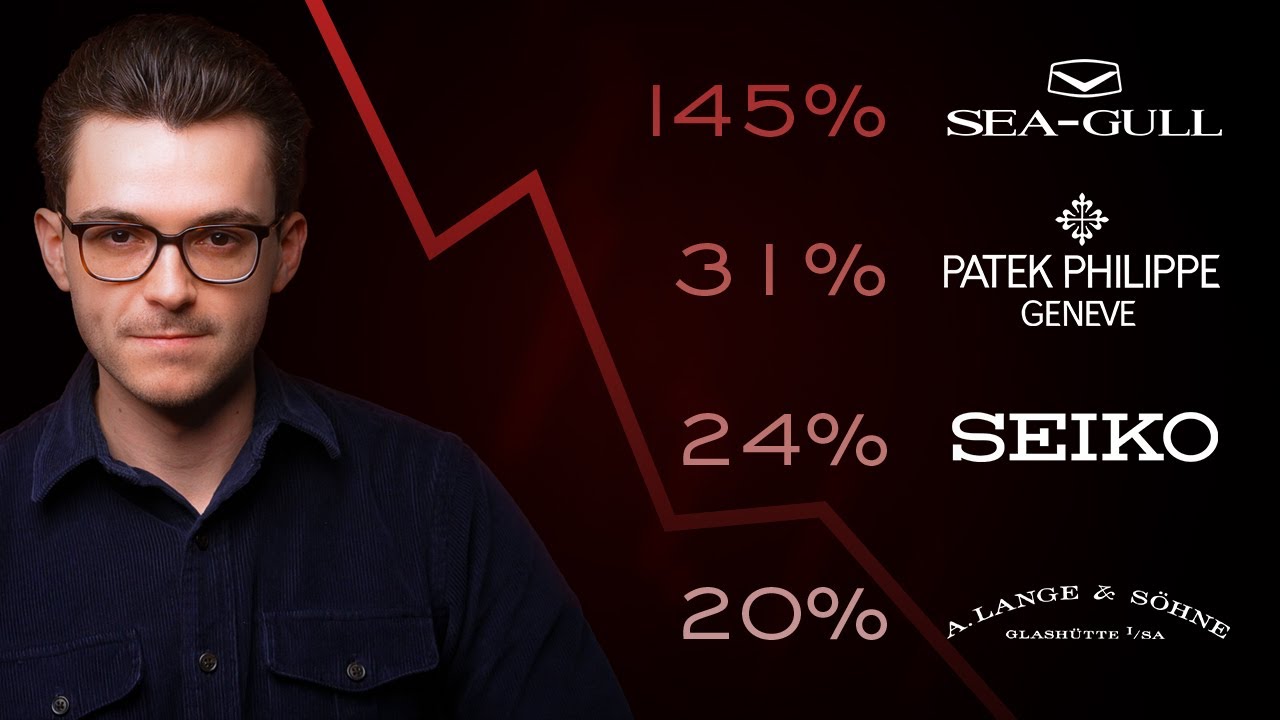
Now, let's switch gears and talk money. When it comes to luxury watches, especially brands under giants like Swatch Group, Richot, and LVMH, the profit margins usually sit around 10% to 20%. That's not pennies, but it's not super villain level either.
Now, compare that to the real money makers, tech and pharma. Apple's clocking in with a 32% margin. Microsoft a smooth 38%.
And Novo Nordisk, the company behind Ompic, try 39%. Suddenly that $15,000 Rolex doesn't seem that wild anymore, right? But hold up, don't go feeling all warm and fuzzy toward Rolex just yet.
They're still eating good. And I mean eating. In different sizes, a small dial makes your wrist slimmer while a larger one makes you a stronger error.
First of all, you need to determine your budgeting. The Rolex data dress is the best choice for cost effective. For more advanced options, there's post and professional models.
Let's look at the submarine tier. Rolex is out here moving in silence like a private Facebook group. They don't even share financials publicly.
Why? Because they're technically a nonprofit foundation. Yep, plot twist of the year.
But just because they ain't flexing like the tech titans doesn't mean they're not stacking serious bread. And that brings us to the million-doll question. What does it really cost to make one of these watches?
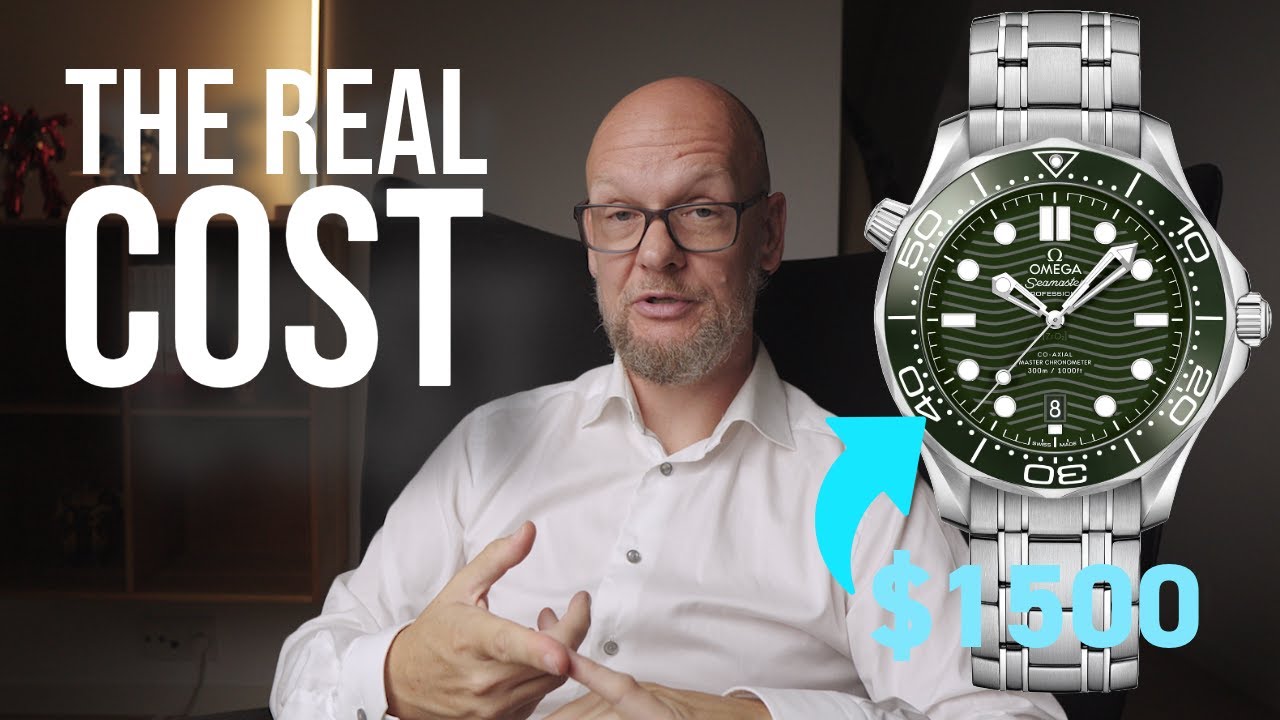
Word on the street from industry insiders is that a watch selling for $6,000 might actually cost around $1,200 to $1,500 to produce. Yep, that's less than 25% of the retail price. And that's before factoring in dealer markups and the luxury tax of just because we can.
Some brands are a bit more upfront though. Christopher Ward, a UK watch maker, says they never charge more than three times their production cost. Omega closer to 4x.
But Rolex, most experts believe they mark it up a solid five times or more. So, while they're not stroking cats in some Bond villain castle, let's not pretend they're just breaking even either. They're still running up big numbers in the name of prestige.
So yeah, you're not just paying for the watch. You're paying for the whole machine behind it. The brand, the marketing, the mystery, the image.
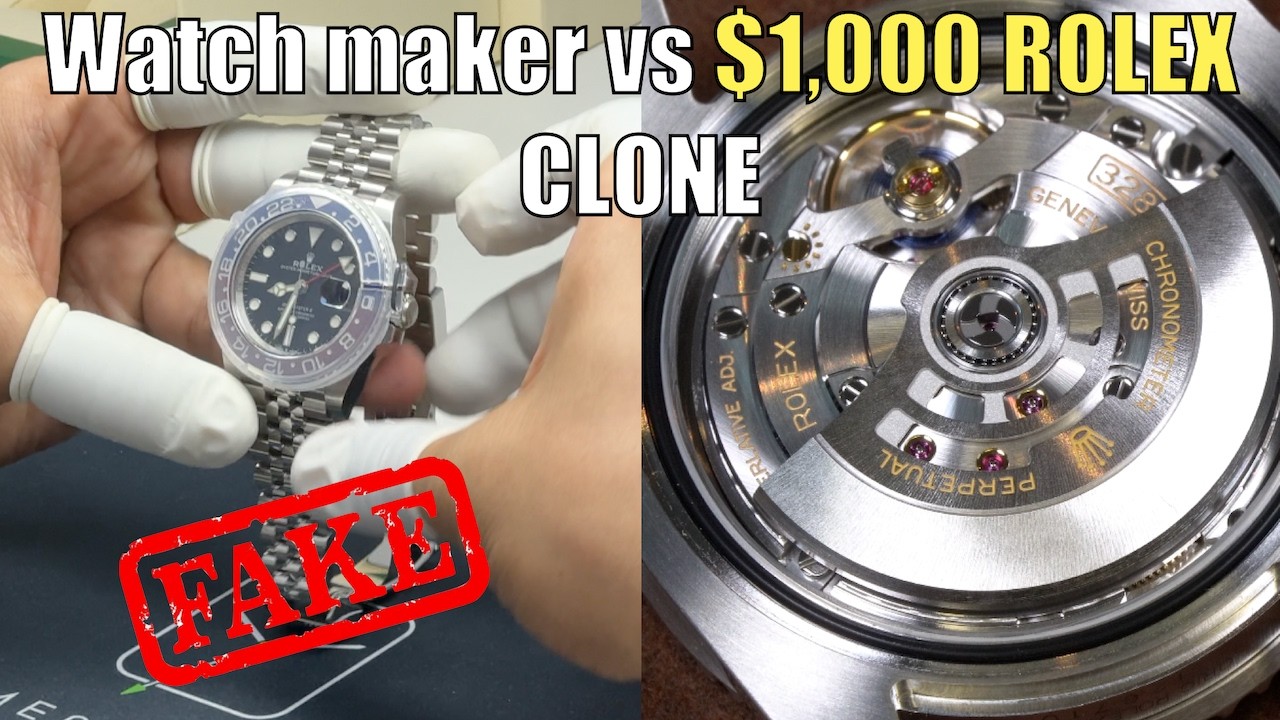
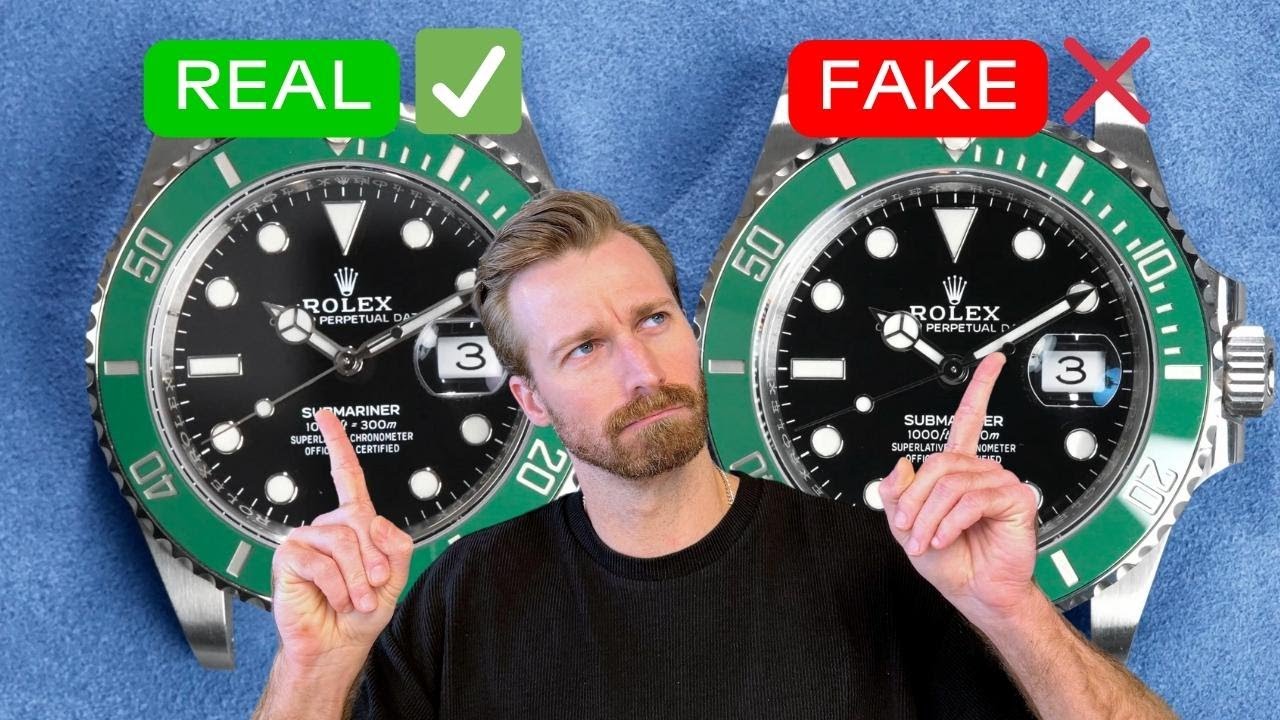
But let's keep it real. Not everything that looks expensive actually is. That $60 Rolex knock you snag off the gram.
Yeah, it might pass in a blurry Insta story. And sure, it can shine under soft lighting as long as nobody zooms in, but let's not kid ourselves. The inside of that thing is basically Dollar Tree with a dream.
No shade to the budget queens or the DHGate divas, but facts are facts. Most replicas cut corners hard. The movement inside usually some random no-name part that ticks like a broken metronome.
It's nowhere near that smooth, rich sweep you get from a real automatic watch. And the seals, trash. Zero water resistance.
That fake Rolex will fog up just from a humid bathroom mirror. The metal cheap alloys that'll scratch if you breathe on them too hard. The glow-in-the-dark details barely there.
And the weight officeike way off. And don't even ask about the finishing. Definitely not hand polished by some Swiss craftsman in a snowy cabin.
Produce. I'll tell you one thing. That one thing alone is more than enough for you all to understand why you all should not be wearing a fake.
Self-confidence guys. Once you wear a fake, your confidence is not the same as you wear original. Because once you wear a fake and you walk into a place where there's a lot of people who love watches, people who wear the original are going to figure out it's a fake.
So once you wear the fake and it gives some light off, there's going to be reflection shown on that. That alone is more than enough and your confidence level is not the same. But here's the real question everyone ends up asking once they fall down this rabbit hole.
Are luxury watches actually overpriced? And honestly, it's complicated. So, let's unpack it.
If you walk into this thinking you're buying pure craftsmanship, innovation, and legacy, you might end up disappointed. Cuz not every luxury watch is the engineering marvel it's hyped up to be. Some of these brands, they're out here piecing together pre-made parts, slapping on a well-known name, doubling the price, and calling it a day.
They're banking on reputation, not reinvention. So, while some watches are truly built like art, others are just riding the wave of a legendary logo. And that's the game.
But, and it's a big butt, once you really know what you're paying for, everything hits different. You're not just buying steel and sapphire glass. You're buying access.
You're buying status. You're buying that silent flex. The one where you walk into a room and heads turn just because of what's shining on your wrist.
That feeling for some folks that's priceless. So, is it overpriced? Technically, yeah.
But emotionally, that depends on you. Because once you know the truth behind the price tag, the factories, the markups, the marketing, you hold the real power. You get to decide if the hype is worth it.
The power is not in the brand, not in the watch. It's in you. If you vibed with this breakdown, don't forget to like, subscribe, and share this with someone who needs to hear it.
Drp a comment below with your wildest watch tea, and I'll catch you on the next one.