the fall of the roman empire launched europe into the middle ages and the collapse of that governmental system left many people without the structures they needed to innovate so society in europe for the most part simply stalled out many people believe that the middle ages were a time of lawlessness where vagabonds roamed freely and people lived in constant terror while there were tribes of people who did rome and the people along the coast did sometimes live in fear of viking invasions the life of most people in the middle ages was not defined by this especially
in the early middle ages which lasted from about 476 ce to 1000 ce most people's lives were defined by a lack of technological advancement after the roman empire collapsed the dramatic tribes and local people were plunged into an unstructured world in the struggle to survive during the early middle ages people were not as concerned with literacy technology or engineering instead all they wanted to do was survive for the poor people living in the villages the fall of the roman empire didn't change their lives much they had not been deeply affected by rome to begin with
so they were not affected when rome collapsed although there were tribes and battles to worry about they had worried about those under the roman empire so it wasn't exactly a surprise as the elites fought for land the poor took oaths of loyalty to lords and became part of the growing feudal system most people were poor during the early middle ages these poor farmers grouped together in villages and as the fuel system grew many of these villages came under the power of elite lords the farmers worked the land and gave some of their crops to the
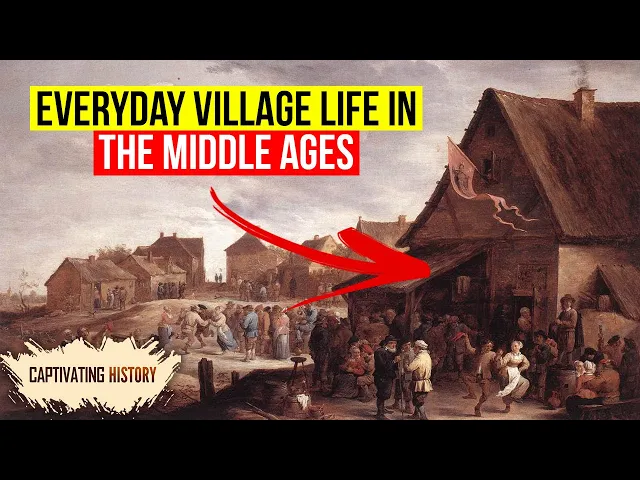
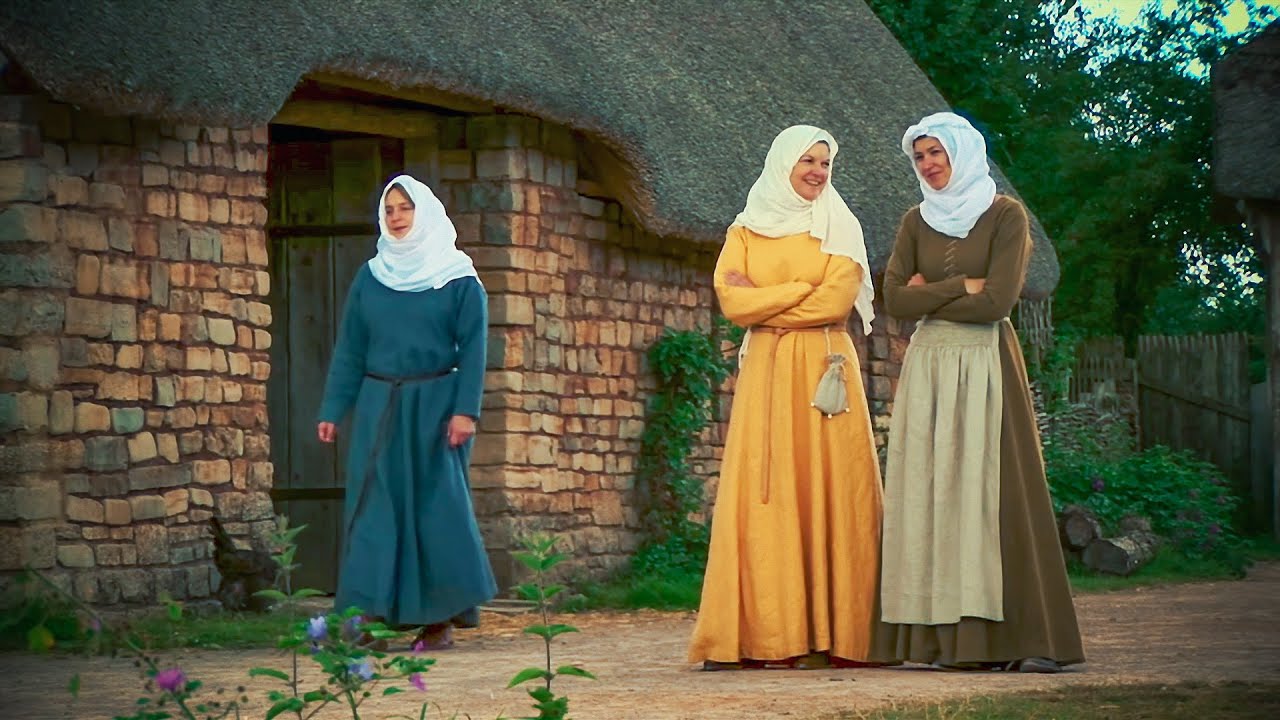
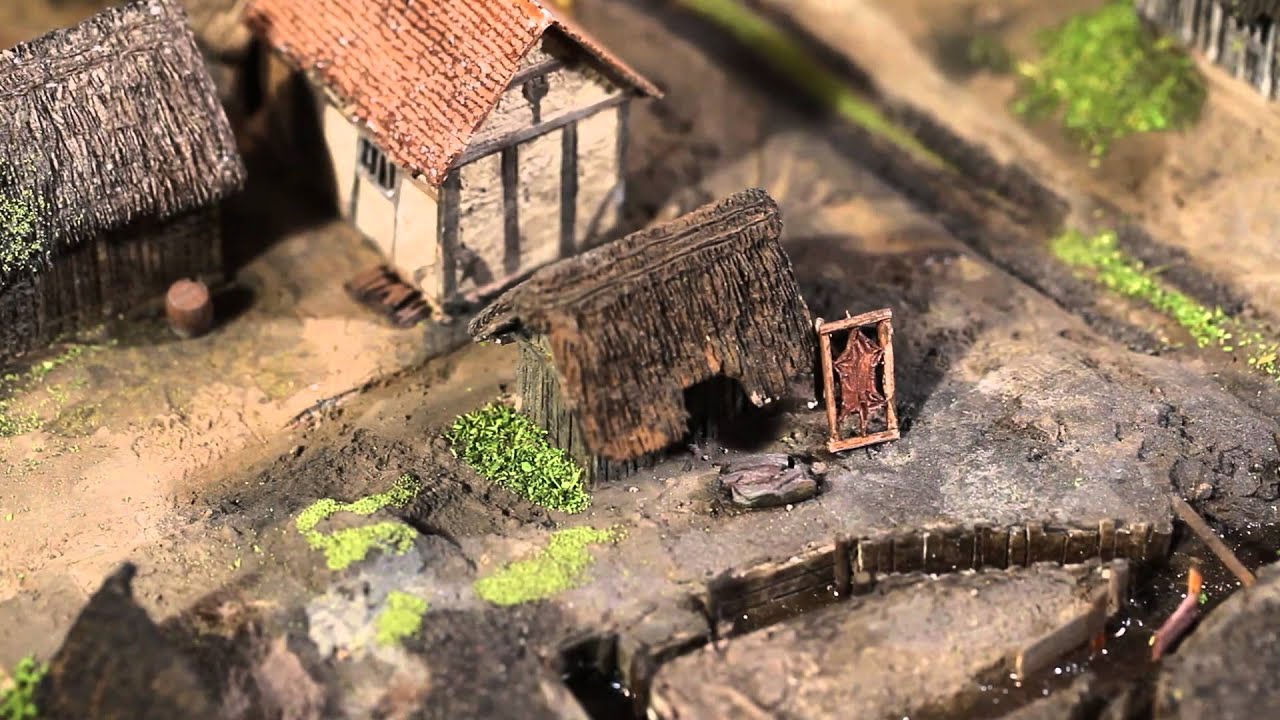
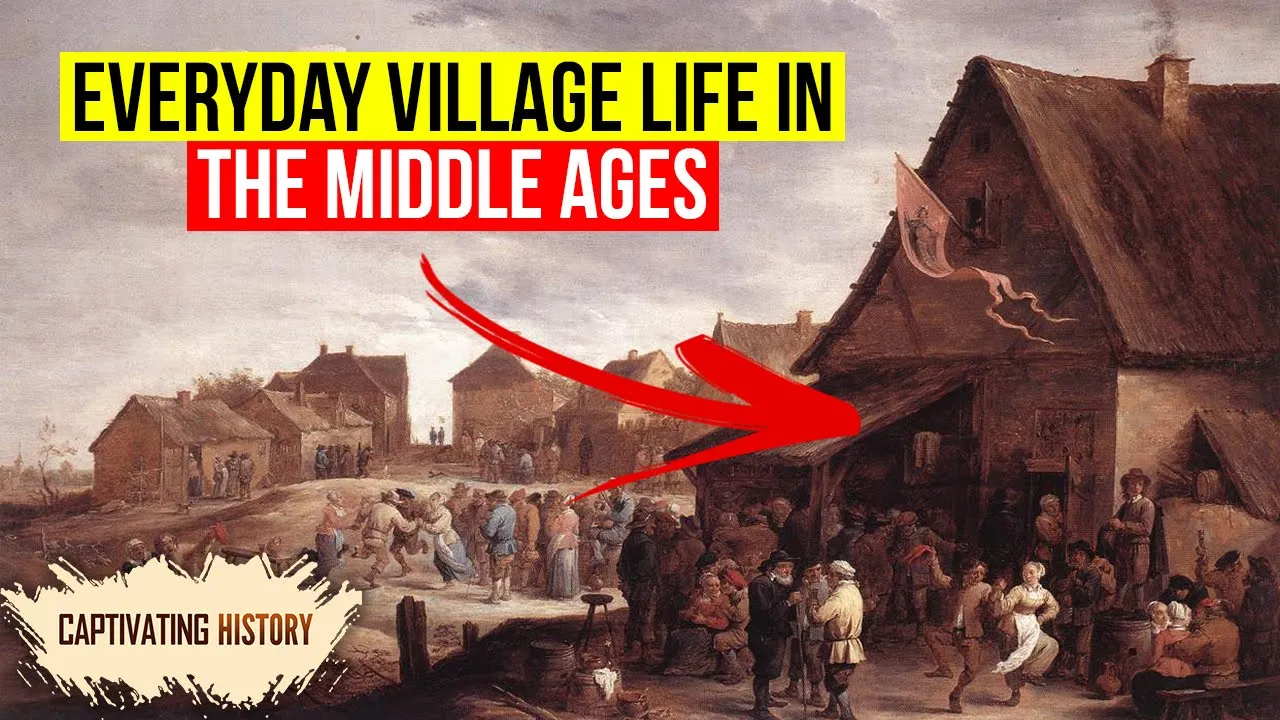
elite in exchange the elite would give the farmers protection from wandering tribes who might try to plunder their homes the poor didn't have much to plunder though they lived in cramped huts with that stroops and few to no windows their animals lived in the hut with the family in pens that occupied about one third of the hunt the little furniture the family had usually consisted of a few stools a trunk and some cooking pots everyone in the family worked including children who did not have time to get a good education life expectancy was short because
the people lived hard lives threatened by instability from warring tribes and starvation from bad harvests the fall of rome affected the elite more than it affected the everyday villager after rome fell the lands formerly controlled by roman authorities were divided up amongst smaller tribes these tribal leaders fought with one another to create new boundaries and acquire as much land for themselves as possible the power vacuum allowed many of the tribal leaders to step into a stronger authority position in their area throughout the early middle ages the different tribes fought one another over land resources and
religious beliefs although a few strong leaders were able to bring people together they were still a long way from being nations during the early middle ages many of the rulers were ineffective and europe continued to splinter into smaller groups as tribes fought for the power they had never had under the romans all of this fighting affected everybody because the communal systems that the romans had set up such as roads and irrigation systems were no longer maintained so they deteriorated and eventually collapsed many well-educated people had fled to constantinople when rome fell and the people who
remained behind were too busy trying to survive to worry about infrastructure although some roman laws were still enforced the roman way of life was over once roman occupation ceased the elite began to collect land for themselves which allowed them to form estates and establish the feudal system although they were amassing land and wealth education was spotty at best during the early middle ages some kings like charlemagne pushed for education to improve the budding governments but not everyone shared his views the elite had more access to education than the poor villagers but their education was often
limited to theology military strategy and a few works of literature not everyone could read during this time even among the elite making education very valuable overall though the elite had a higher standard of living than the rest of the people during the middle ages they grew wealthy from trade even during the early middle ages people still traveled on boats and along the deteriorating roads trade did not cease just because the roman empire had fallen and the elite took full advantage of the wealth that trade could bring the second period in the middle ages is called
the high middle ages this is the period best embodied in the hollywood depictions of the middle ages there were nights in jousting and the moral focus was on chivalry the high middle ages lasted from 1000 ce to 1250 ce the high middle ages also saw the great schism in the christian church which led to intolerance and fighting among the different groups the growing wealth and power of the church also allowed it to launch the crusades which were christian attacks on the holy land the israel and palestine areas today to free the land from muslim control
the crusades continued for about 200 years and the church continued them for several reasons the crusades allowed the pope to consolidate power under himself and it allowed the byzantine empire to expand its empire it also helped the church handle the increasing number of nights knights were not quite the gallant chivalrous characters that hollywood often portrays in reality they were trained soldiers who had their own weapons left to their devices they could ravage a village or cause trouble for their lords so the best way to control all of the knights was to make sure there was
a war for them to fight in for glory of course this doesn't mean that europe was free from wars just because the best knights were expending their energy on the crusades europe still experienced nasty wars as the elite fought over the rights of succession people were beginning to develop national identities which would be necessary for developing countries still the constant warring eventually saw the end of the high middle ages as knights became obsolete standing armies became the backbone of national military defense during the high middle ages the poor people began to see some improvements in
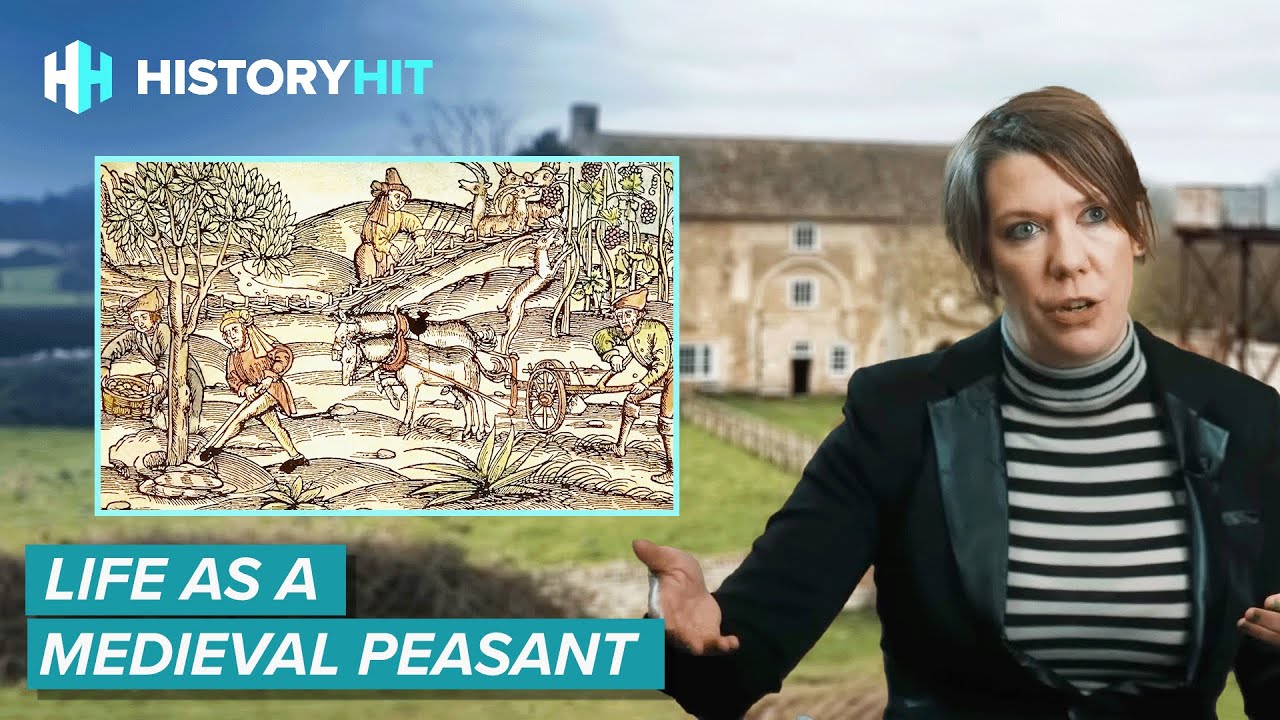
their lives especially in the later high middle ages some people moved into the growing towns and became part of the growing trade businesses allowing them to amass wealth of their own other people remained in farming villages and their lives revolved around the agrarian calendar although the work was still hard the peasants began to see improvement in their daily lives because agriculture was changing the people were learning how to farm more efficiently with better harnesses for animals and crop rotations that allowed the farmers to grow more food as farmers began to produce more food some people
pursued trade shops and relied on the farmers to produce enough food to feed everyone the high middle ages also saw the stratification of the elite into the nobility structure that we remember today the elite spent their time in leisure activities like games and music but even they didn't have the most comfortable lives castles were cold and drafty furniture was unyielding and beds often had lice the dominance of the nobility grew during the high middle ages built on controlling the land and the military forces the late middle ages is the last period of the middle ages
lasting from 1250 ce to 1500 ce the late middle ages was marked by disasters such as the great famine from 1315 to 1317 and the black death which affected europe in waves for decades the black death killed people regardless of social class which had a huge impact on how the elite were viewed if they could also catch this mysterious and deadly illness were they really better than the rest of society historians estimate that europe lost about one-third of its population to the black death and the people began to doubt the power of the nobility and
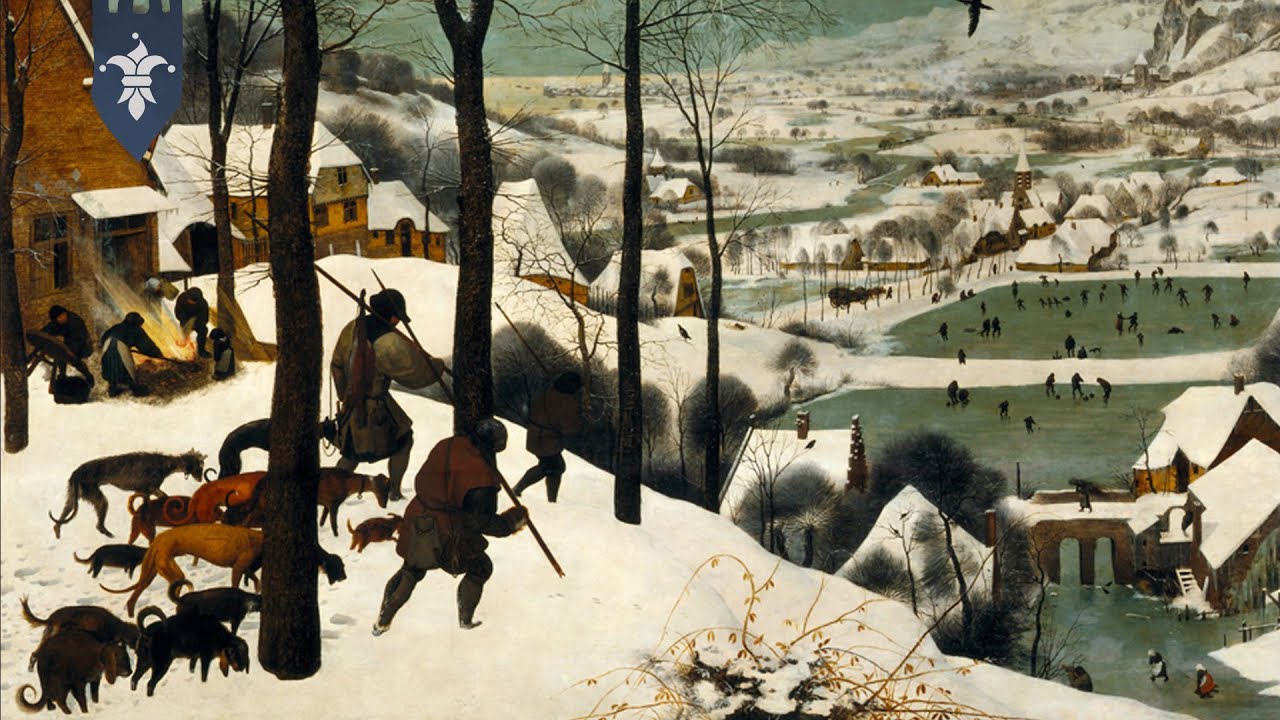
the clergy which had gone unquestioned for centuries but were now powerless to save the sick at the time people lived closely together in small farming villages or in port cities and their sanitation left much to be desired although most people had access to baths they tended to do so in public baths the water wasn't very clean which increased the spread of the disease the black death was spread by fleas and exposure to the sick so the disease could spread quickly in the cramped living conditions that were common amongst the people even before the black death
arrived most people lived hard and uncomfortable lives working their trades all day and worrying about roaming bands of marauders their homes weren't secure and the elite told the poor that their suffering would be rewarded in heaven without bothering to do anything to help ease the people's suffering at the moment instead of embracing suffering like they were telling the poor to do some elite tried to use their money to run away from the black death they owned much of the farmland that the poor farmers worked and trade continued to bolster their wealth they were more able
to institute quarantines to protect themselves in their lonely castles or monasteries but even they couldn't completely hide from the virus the black death came in waves and although it did tragically wipe out an estimated one-third of europe's population there were a couple of good things that came out of this horrific experience the most notable was the labor shortage that followed in the wake of the black death there weren't enough farmers to grow the necessary food so the elite began to offer higher wages to anyone willing to work for the first time in europe the job
market favored the people and anyone capable of working could have a job the people could now work together to demand wages which gave them opportunities to get education and training that would become profitable although the elite did not see these increased wages as a good thing it was very good for the rest of europe and actually helped europe finally move out of the middle ages eventually these social changes would lead to the renaissance the black death also began paving the way for the reformation the church handled the black death badly some priests had even refused
to perform their duties including last rites for the dying for fear of catching the illness and many high officials in the church had grown wealthy from the deaths of the poor most people were now questioning the traditional practices which had grown more corrupt over time which led to the reformation about 150 years after the black death rocked europe to its core the middle ages lasted about 1 000 years but it was hardly the stagnant dark period that many people believe it was instead it was a time full of rebuilding after the roman empire tribes fought
for dominance countries formed and the people saw their way of life begin to change life was generally hard and short during the middle ages but it was foundational to the development of europe today even though we might not know the names and stories of everyone who lived during the middle ages their lives and determination to survive still echo down to us today to learn more about the middle ages check out our book middle ages a captivating guide to the dark ages and black death it's available as an ebook paperback and audiobook also grab your free
mythology bundle ebook while it's still available all links are in the description if you enjoyed the video please hit the like button and subscribe for more videos like this