have you ever had a sunburn [Music] small sunburns are caused by the penetration of ultraviolet radiation emitted by the sun it usually occurs after several hours of exposure depending on the individual the sunlight damages dna in the upper layer of skin cells causing a burn on the area of penetration usually these burns had last around three to five days and eventually repair themselves naturally but have you ever wondered what the result would be if a person had xeroderma pigmentosa or more commonly known as xp welcome to demystifying medicine and today we will talk about the
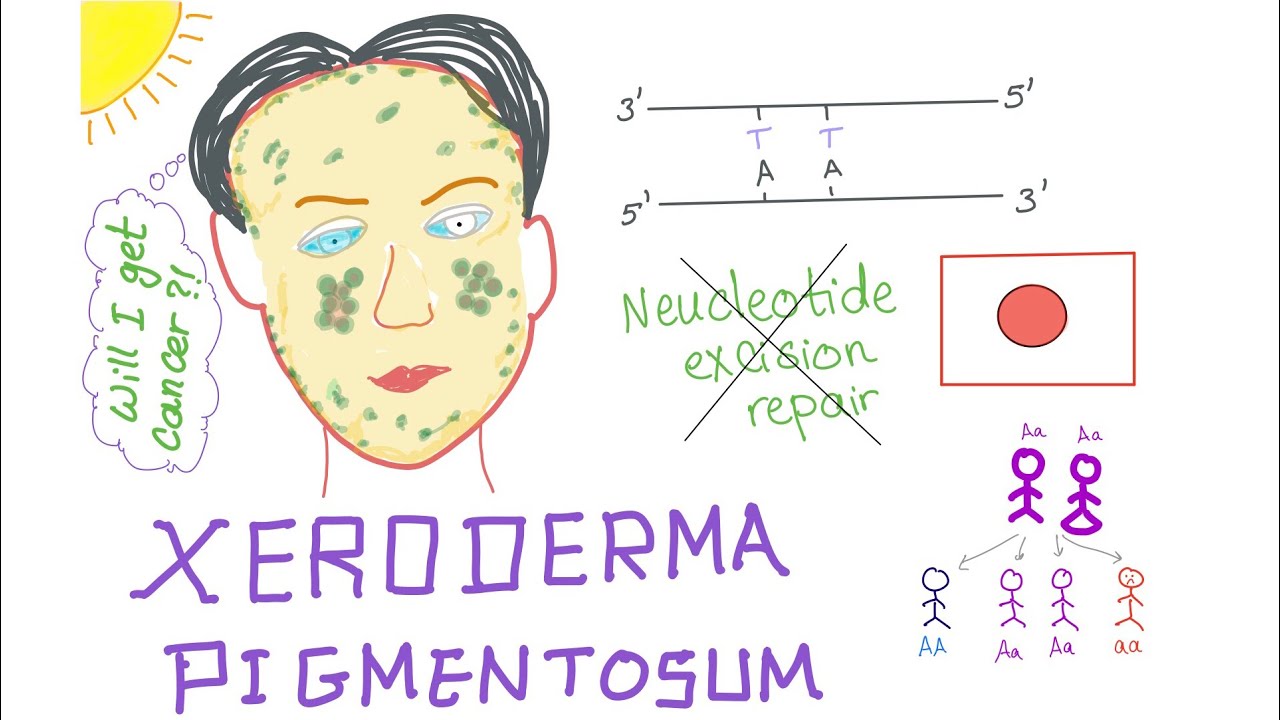
ins and outs of xp xp is a rare hereditary skin condition that affects 1 in 1 million individuals it is characterized by an extreme sensitivity to uv rays from sunlight and the inability to repair cellular damage [Music] xp is an inherited autosomal recessive disease this means there is a mutation in one of the 22 autosomal chromosomes typically a mutation can occur in chromosomes 3 9 11 16 19 and specific genes within them to impair the sunburn repair mechanism which we will talk about normally every cell in the body is known to have two versions of
each gene but a child with xp has two copies of the mutated gene how did they get these two copies both the mother and the father each passed on one copy of the mutated gene to the child in order for them to have xp so how would you come to know if you have xp one of the most common and effective ways of diagnosing xp is sequencing candidate genes to view if there has been any mutations more than 90 of all xp cases are contained by mutations in one of the four genes xpa xpc xpd
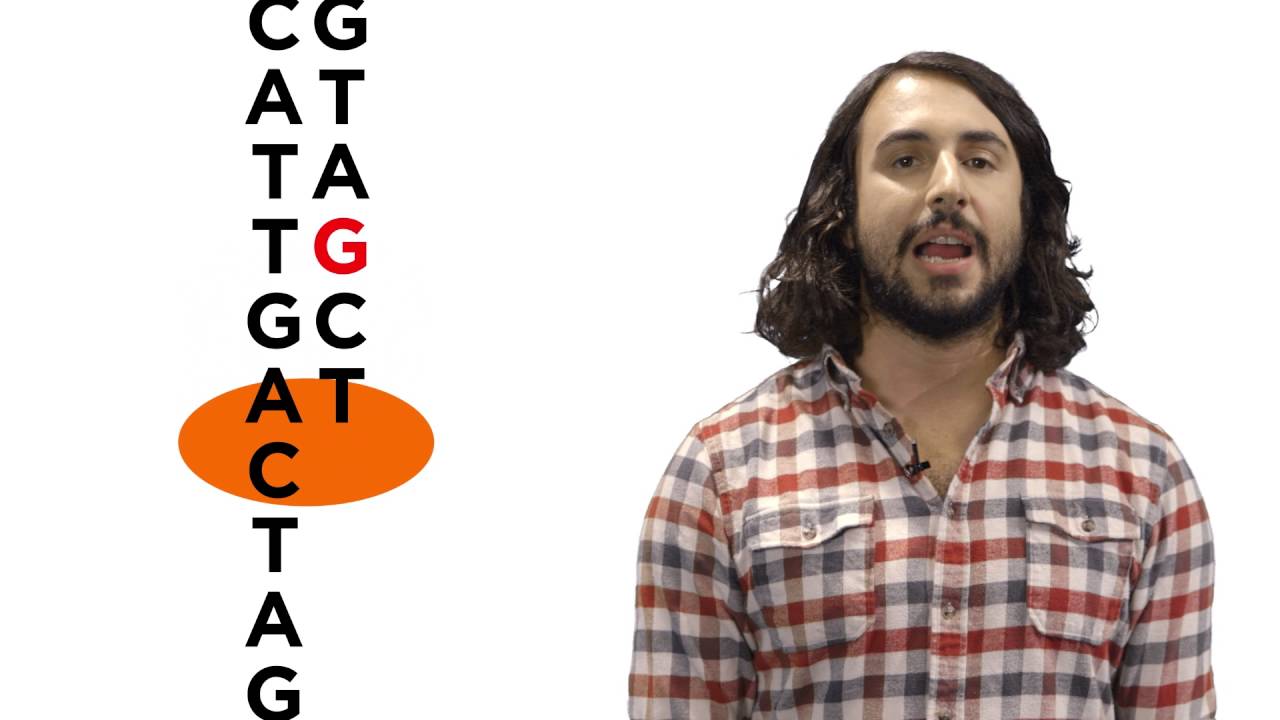
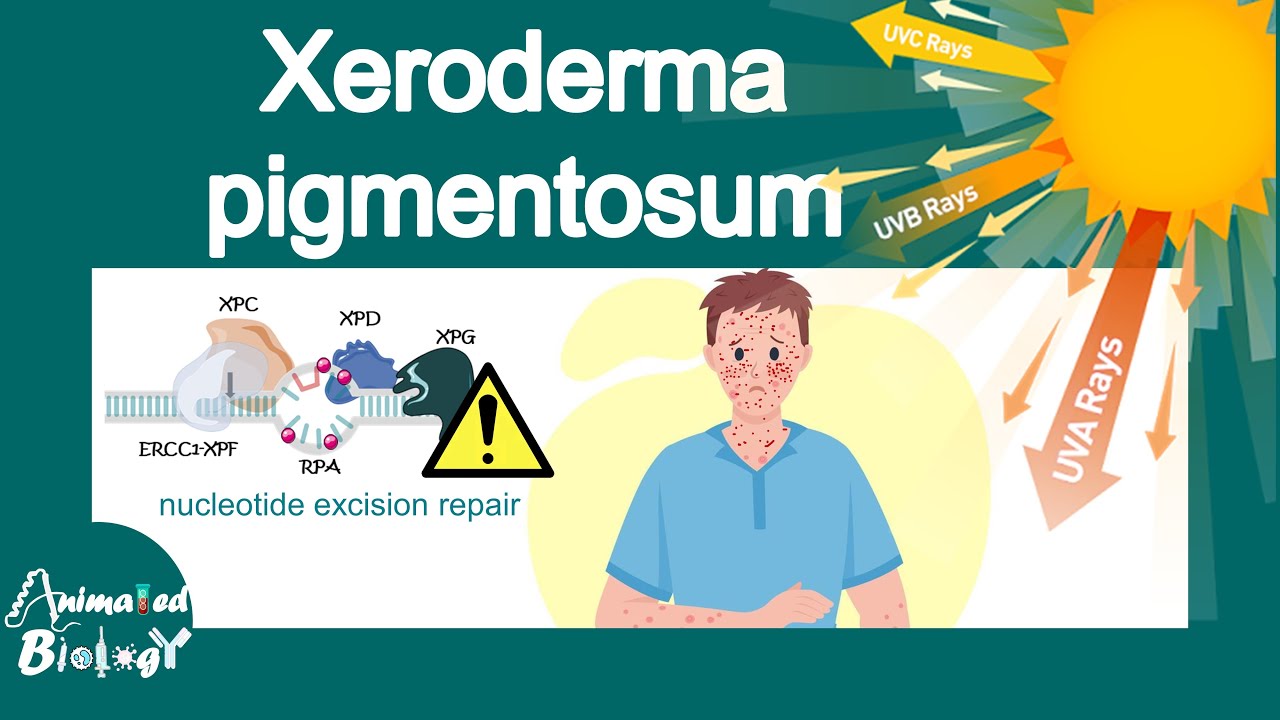
and xpv and these are genes involved in the nucleotide excision repair pathway which we will talk about the need to diagnose a disease that has numerous underlying genes presents a challenge especially since there is little information upon xp and new variants of genes continue to be identified so let's go back and see what happens when you get a sunburn uv radiation penetrates the dna on the surface of the skin and causes it to disassemble nucleotides adenine thymine guanine and cytosine are building blocks of the dna strand that gets separated and rearranged into an abnormal structure
called dimers once this happens the body's reaction mechanism kicks in to repair itself you can think of this similarly to a puzzle when you are solving a puzzle and try to fit two of the same pieces together it has an abnormal appearance and prevents you from solving the rest of the puzzle and eventually you would have to separate it and redo it this is what a dimer basically is two of the same pieces in this case the dna nucleotides connect it together so how are these abnormal dna dimers repaired the repair mechanism is carried out
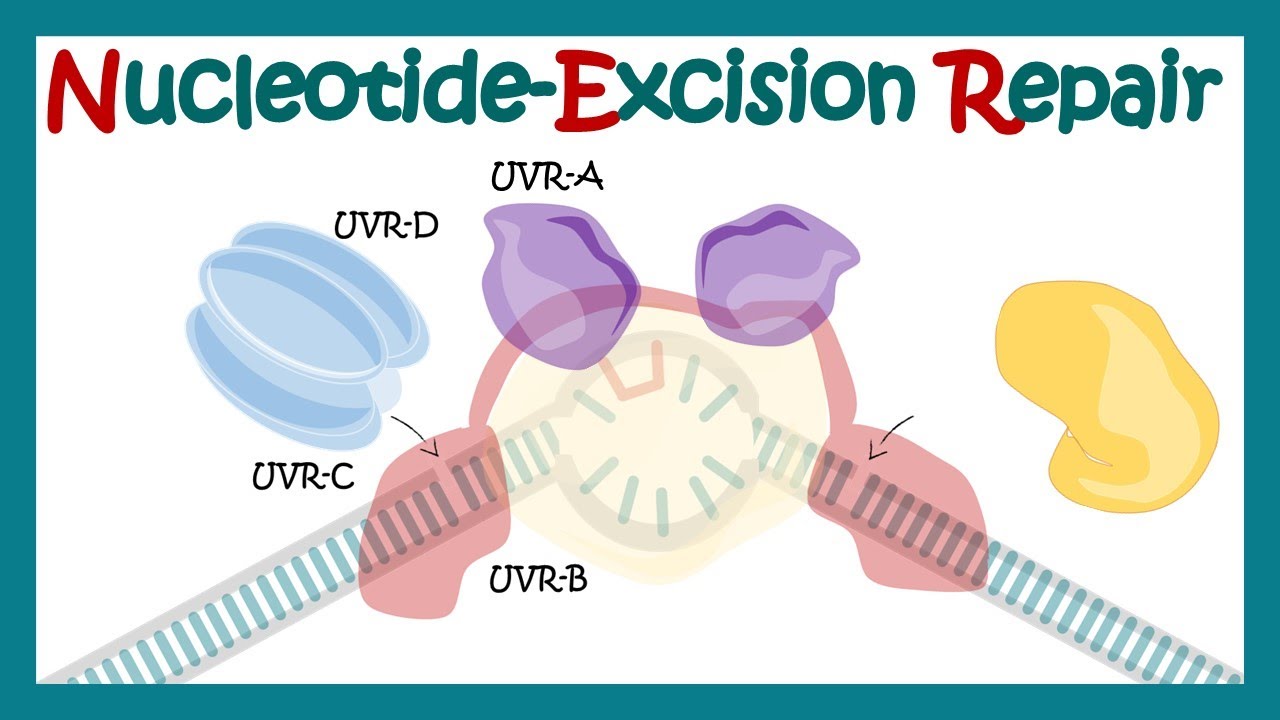
by nucleotide excision repair which occurs in six steps using various enzymes and proteins an enzyme is a tool that uses a specific substrate to increase how fast the reaction moves in order to complete a task for example you can think of a star-shaped screwdriver as an enzyme and a star-shaped screw as its substrate when combined together you can complete a task similar to the enzymes involved in nucleotide excision repair first step is to recognize the dna dimers by the xpe and xpc dna binding protein in the second step a protein called xpd helicase unwinds the
dna [Music] xpa rpa and xpc transcription factors assemble to form a stabilized pre-incision complex to allow for an incision event to occur xpc calls upon an endonuclease xpg which cuts at the site of mutation xpg cuts at the three prime end of the dna and then another endonuclease xpf cuts at the five prime end of the dna forming an empty gap between the strand the gap is filled with newly synthesized nucleotides in the appropriate base pair matching sequence by dna polymerase finally the newly synthesized sequence in between the gaps are sealed with an enzyme called
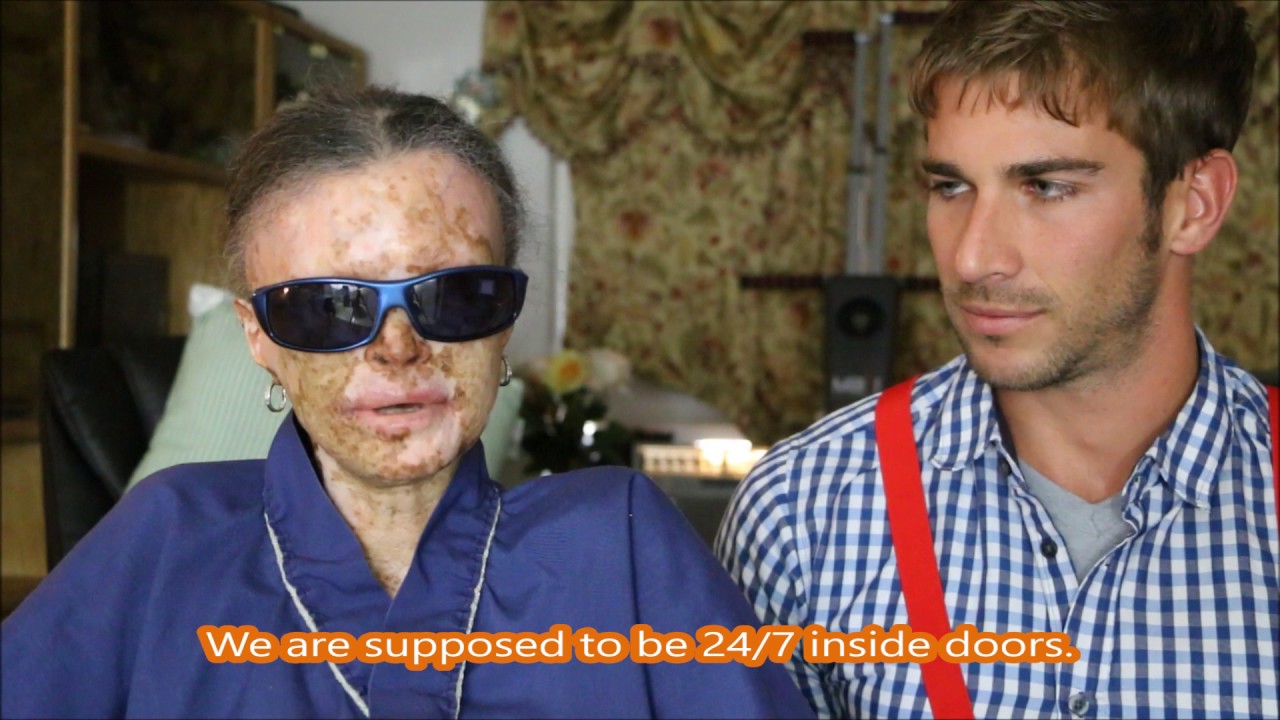
ligase and then dna replication can occur and the sunburn heals patients with xp lack these repair mechanism enzymes and proteins due to genetic mutations and they are unable to repair even the smallest sunburns the damaged dna on the skin of xp patients can turn cancerous and spread throughout the body which may eventually lead to death some symptoms of xp include dryness of the skin thinning of the skin premature wrinkling of the skin checkered pigmentations and dilation of blood vessels under the skin currently there are many experimental trials and attempts to resolve xp however there are
ways in which to manage the disease in the meantime for patients the goal of management in patients with xeroderma pigmentosum is to decrease the number of malignant tumors that the patient develops it is because xp patients lack the necessary dna repair enzymes and are very susceptible to skin cancer as a side note cancer is abnormal cell division and in this case it is the uv rays from the sun in xp patients causing their cancer the most effective method of decreasing the number of malignant tumors in patients with xp is strict sun avoidance staying indoors and
using protection such as protective equipment including sunglasses and umbrellas there are many creams that act as an extreme form of sunscreen such as photolyze this does the job along with repairing damaged dna so firstly we learned xeroderma pigmentosum which is commonly known as xp is a rare hereditary skin condition commonly characterized by an extreme sensitivity to uv rays from sunlight we learned how it can be diagnosed from an individual we also learned how xp developed due to a lack of repair mechanism enzymes due to genetic mutations which are unable to repair even the smallest sunburns
we learned the variety of symptoms associated with xp and lastly we learned that there are many experimental attempts being made to aid in this disease and there are ways in which to manage and cope with this disease daily