[Music] Hello everyone and welcome back to Mr English channel where learning English is easy and fun. I'm Emily. >> Hello Emily.
Hi everyone. I'm Paul. >> How are you today Paul?
>> I'm great thank you. Ah, I am very happy today. >> Oh, why are you happy?
>> The sun is shining. I like sunny days. And you, Emily?
How are you? >> I am very good, thanks. I am also happy.
I am excited. >> Excited? H why?
>> Because of our topic today. It is a big topic. >> Oh, a big topic.
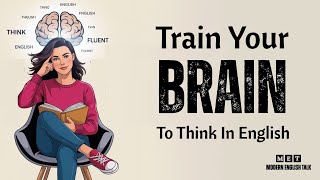
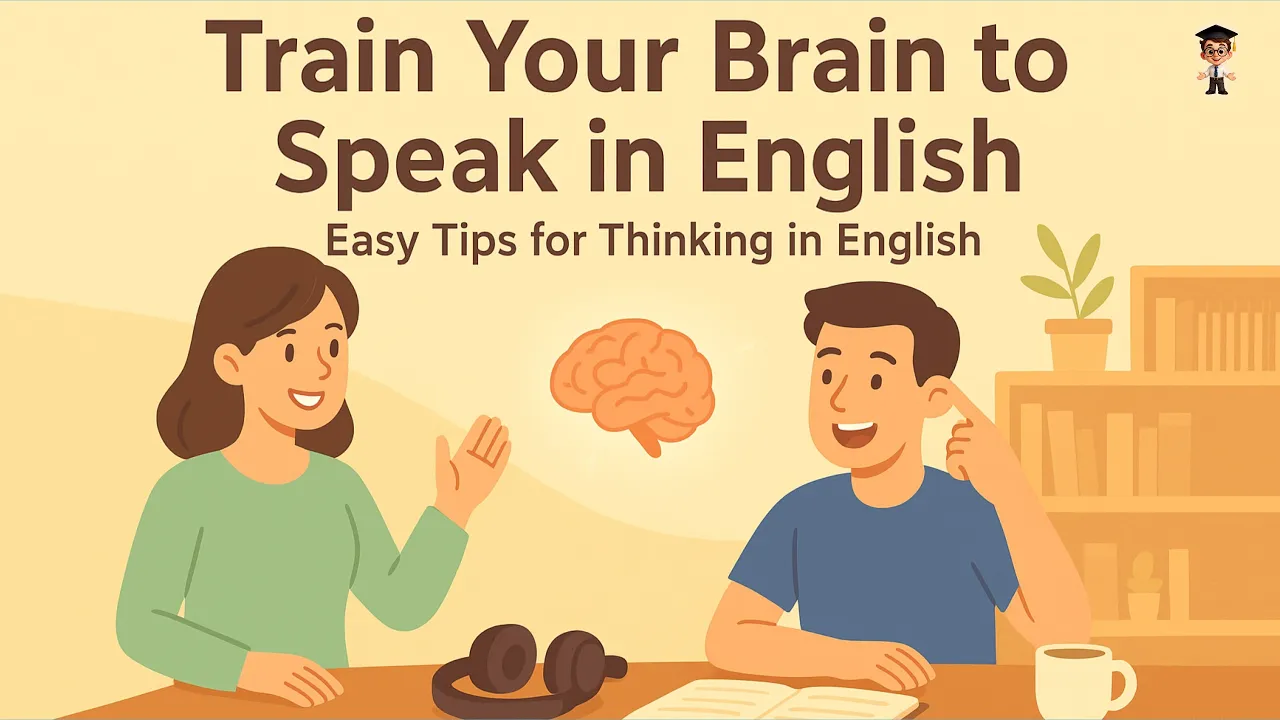
What is it? Today we talk about how to train your brain to speak in English. >> Wow, that is a big topic.
Train my brain. >> Yes, train your brain like exercise for your brain. >> Exercise is it difficult?
>> No, no, no. It is not difficult. It is easy and it is fun.
>> Easy and fun. Okay, I am ready. >> That's great.
But wait, before we start >> Oh, yes. Before we start, everyone, we have a small request. >> Yes.
If you like our podcast, please click the like button. >> Yes, the little thumbs up button. Click, click, click.
And please subscribe to Mr English channel. >> Subscribing is very important. It helps us make more episodes for you.
>> And share share this episode with your family and your friends. >> Yes, share with everyone. Okay, I am ready.
Train my brain. >> Okay, Paul, let's start. So when you speak English, what do you think?
>> What do I think? H I think in my language. >> Ah, yes.
Your first language. >> Yes. I think a word in my language, then I translate in my head.
>> Yes. Translate. >> Then I speak the English word.
I understand many many students do this >> but it is slow. >> Yes, it is very slow. >> My brain is wait hard work.
>> It is hard work. And our goal, our big happy goal is to think in English. >> Think in English.
Wow. >> Yes. No translate, just English.
>> That sounds fast. >> It is. It is fast.
It is natural. >> Okay, I want this. How How do we start?
>> We start small. >> Small. >> Very very small.
>> Like one word. >> One word is good. But a small sentence is better.
a sentence. Oh, that sounds big. >> No, no, very small.
Look, I have a pen. >> Yes, you have a pen. >> In my head, I don't just think pen.
>> No, >> no, I think this is my pen. >> Ah, this is my pen. Or my pen is blue.
Yes, exactly. Good job, Paul. >> Thank you.
Okay, so small sentences in my head. >> Yes, all day. It's easy.
For example, in the morning, you wake up. >> Okay. I wake up and stretch.
Ready to start the day? >> Yes, Paul. And what do you think?
>> H I am awake. >> Yes, perfect. Or I am hungry.
>> And I want coffee. >> I go to the kitchen. >> I open the door.
>> Yes. Yes. This is it.
>> Really? Is this training my brain? >> Yes.
You are thinking in English sentences. For instance, I brush my teeth. The water is cold.
>> I see my face. I am very handsome. Okay, I like this tip.
>> It is tip number one. Think in small sentences. When I am at home, when I am on the bus, >> yes, on the bus, I see a window.
>> I see a red car. A man is walking. It is a sunny day.
>> Wow, Paul, you are doing great. >> I am. I am thinking in English.
>> It feels good. Yes. >> It feels different but good.
>> You connect the English to your life not to your language. >> Ah yes English life no translation. >> Exactly.
This is the big secret. >> Okay. Tip one small sentences.
I am talking to Emily. >> Paul is a good student. >> Thank you.
Okay. What is tip number two? >> Tip number two is input.
>> Input. What is input? >> Input is English in >> ah English goes in my ears.
>> Yes. In your ears and in your eyes. >> Listening.
>> Yes. Listening. >> Ah, like this podcast.
>> Yes, Paul. Good idea. Like this podcast.
>> We are good input. >> We are great input. When you listen to easy English, >> easy English.
A1. Yes. Your brain hears the patterns.
>> Patterns. >> Yes. The sentences.
I am, you are, he has. >> Ah, the rhythm, the music of English. >> Yes.
What a good word. The music. >> So listening helps my brain think.
>> Yes. It gives your brain food. English food.
>> I like English food. So, what do I listen to? >> Well, Mr English Channel, >> of course.
>> And simple songs, >> songs, music. I like music. >> Me, too.
Find simple English songs. songs you like. When you like the music, listening is fun.
It is not work. >> Ah, yes. Fun is good.
Learning must be fun. >> Yes. Or simple pop songs.
Some pop songs are very repetitive. >> Repetitive. The words again and again.
>> Yes. I love you. Like a love song, baby.
>> See, you know it. >> Okay. Simple music.
I like what else? >> And watching. >> Watching input for my eyes.
>> Yes. Watching videos. Movies are good, but sometimes they are very fast.
>> Yes. Too fast. The words are fish.
Fish fish. Fish, fish, fish. Yes, I understand.
>> I watch and I am lost. >> So, find things you like to watch. What do you like, Paul?
>> H I like cooking. >> Perfect. Find simple cooking videos in English.
>> Oh, good idea. The person says, "I see the tomato. I see the salt.
" >> And I cut the tomato. I add salt. Then you connect the word and the action.
>> Wow, that is a great tip, Emily. I like sports, too. I like football.
Okay. So, find short videos, maybe news about football. >> He kicks the ball.
It is a goal. >> Exactly. Because you like cooking and you like football.
>> It is not boring. It is interesting. It is attractive.
And my brain is happy. Yes, a happy brain learns more. >> Okay.
Input. Listen to simple podcasts and music >> and watch simple videos about things you like. >> Cooking, sports, maybe travel.
>> Yes, travel videos are great. This is Paris. It is beautiful.
This is much better. Learning is fun now. >> It is input.
Listen and watch. >> This feeds my brain. >> Yes, it makes your brain strong in English.
>> Okay. Tip one, small sentences. Tip two, input.
Listen and watch. Are you ready for tip three? >> I am ready.
>> Tip three is output. >> Output. Okay.
Input is English in. Output is English out. >> Yes, Paul.
That's great. English out. Like speaking.
>> But Emily, I am alone. I have no one. No one to talk to.
>> You have you speak to yourself. >> Speak to myself. >> Yes.
>> People will think I am crazy. >> No, do it in your room. In the car?
In the shower. >> In the shower. Okay.
It is a fantastic way to train. >> But what do I say? >> H look around your room.
>> Okay. My room. >> Describe it.
Speak out loud. Your ears need to hear your voice. >> Okay.
This is my room. I see a bed. The bed is big.
I have a table. The table is brown. I see two chairs.
>> Great job, Paul. Keep going. >> A lamp.
The lamp is on. >> Wow, Paul, this is amazing. >> I have a computer.
My computer is black. Wow, this feels strange but good. >> How does your brain feel?
>> My brain is working. It is finding the words. >> Yes.
And you are not translating, right? >> No, I see the bed. I say bed.
>> Yes. You connect the thing, the bed, and the word bed. >> Yes.
This is training. This is how you build English in your brain. And now I can do this.
>> Of course, Paul. And you can also talk about your day. >> Yes.
At night in bed. Today I was happy. I ate pasta for lunch.
>> I talked to Emily. >> Emily is very smart. >> A Paul, thank you.
Paul is very kind. See we are talking. >> Yes, this is output speaking.
>> So I don't need a partner. >> A partner is good. Very good.
But you don't need a partner to start. >> I can start alone. I can start with me.
So tip three, speak to yourself. Describe your world. >> Yes.
What am I doing now? I am sitting. I am cooking.
I cut the tomato. The tomato is red. I am happy.
>> This is perfect. >> Wow. Okay, this is a lot of good information.
>> Let's review. >> Yes, review. Tip one.
>> Think in small sentences all day. >> I am walking. I am reading.
>> Yes. Tip two, >> input. Listen and watch things I like.
>> Yes. Easy English. >> Podcasts like Mr English channel.
Simple songs and simple videos. Videos about cooking or sports. >> Yes.
And tip three >> output. Speak. Speak to myself.
Describe your room. Describe your day. Like I am speaking English.
>> Yes, you are. >> Emily, this is great. But is it fast?
Do I learn fast? Will my brain change tomorrow? >> No, Paul.
No, it is slow. Learning a language is slow. But that is okay.
Be patient. Oh okay. I will be patient.
>> Yes. Be kind to your brain. >> Hello brain.
I am kind. >> Yes. Do it every day.
10 minutes 15 minutes. >> Not 2 hours. >> If you have 2 hours to study, that's fine.
But we know that most people don't have much time. So studying at least 10 or 15 minutes every day is very good. >> Ah okay.
Small steps. >> Small steps every day. >> And what if I make a mistake?
>> Oh good question. >> I say I is happy. Oh no I am happy.
>> Mistakes are good. Mistakes are normal. Mistakes mean you are learning.
When you make a mistake, you say, "Oh, okay. " And you try again. >> Oh, okay.
I will be brave. Don't be afraid to be wrong. >> And have fun.
>> Have fun. Yes. And it must be fun.
If it is not fun, I will stop. I like watching cooking videos. That is fun.
>> And I like talking to you, Paul. That is fun. >> Me too, Emily.
Wow, my brain feels bigger. >> Your English brain is growing. [Music] >> That was a great episode, Emily.
>> Thank you, Paul. You had great examples. >> Thank you.
I hope this helps everyone. >> Me too. And if it helps you, everyone listening.
>> Ah, yes. Please. We have one more request.
>> Yes, please don't forget to subscribe to Mr English channel. >> Yes, subscribe for more easy fun episodes >> and share this episode. If you have a friend learning English, send it.
>> Share the fun. >> And we have a question for you. >> Ooh, homework.
>> Yes. Please leave a comment below. >> What is the question, Emily?
>> Tell us, what do you do to train your brain? >> Ooh, good question. >> Yes.
Do you listen to music? Do you speak to yourself? Do you watch cooking videos?
>> Yes. Write your tips in the comments. >> We want to read them.
>> Yes, we do. Thank you for listening, everyone. >> It was so fun.
See you next time. >> Bye. >> Bye-bye.