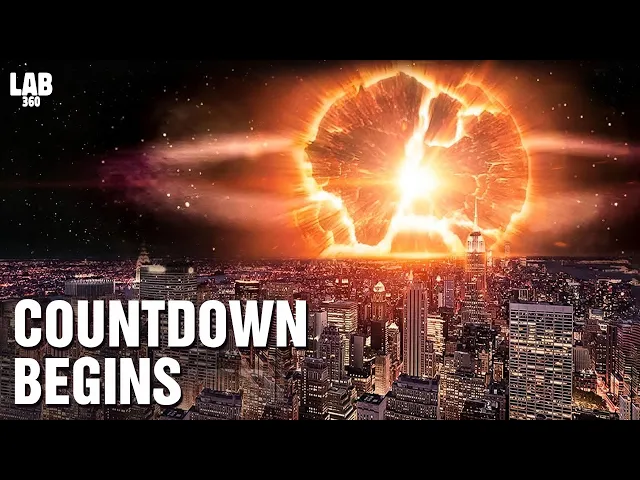
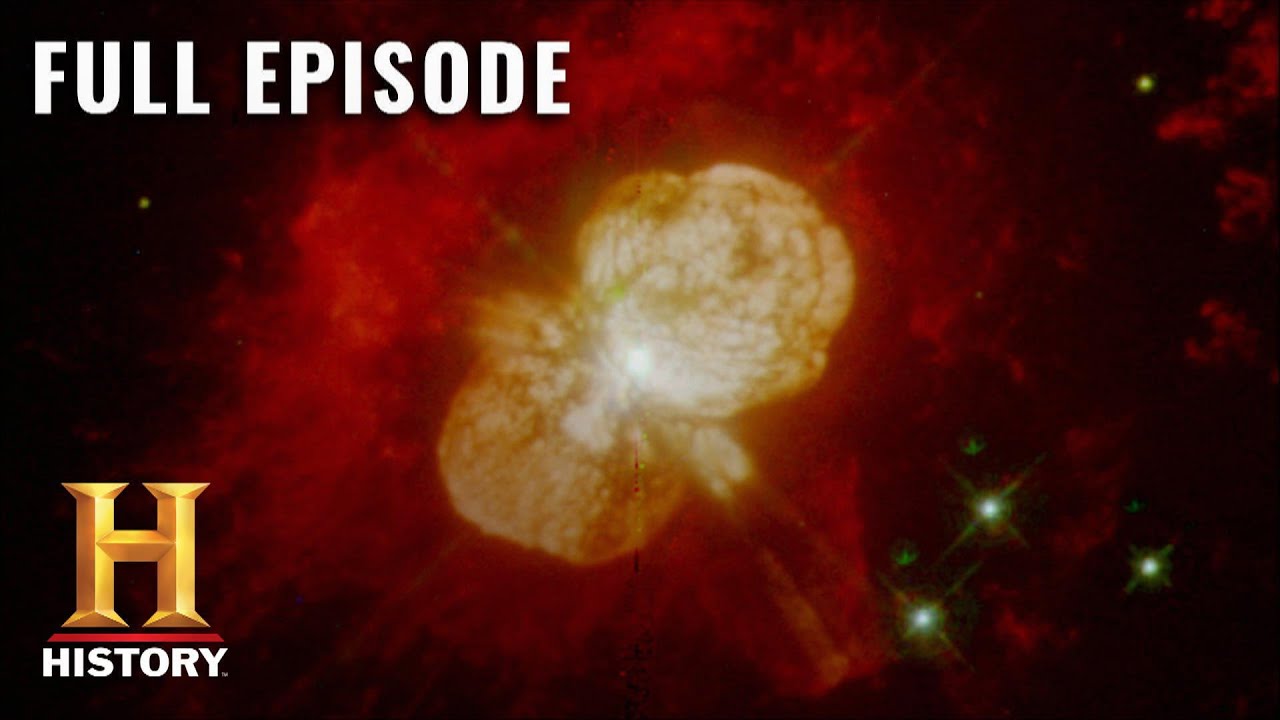
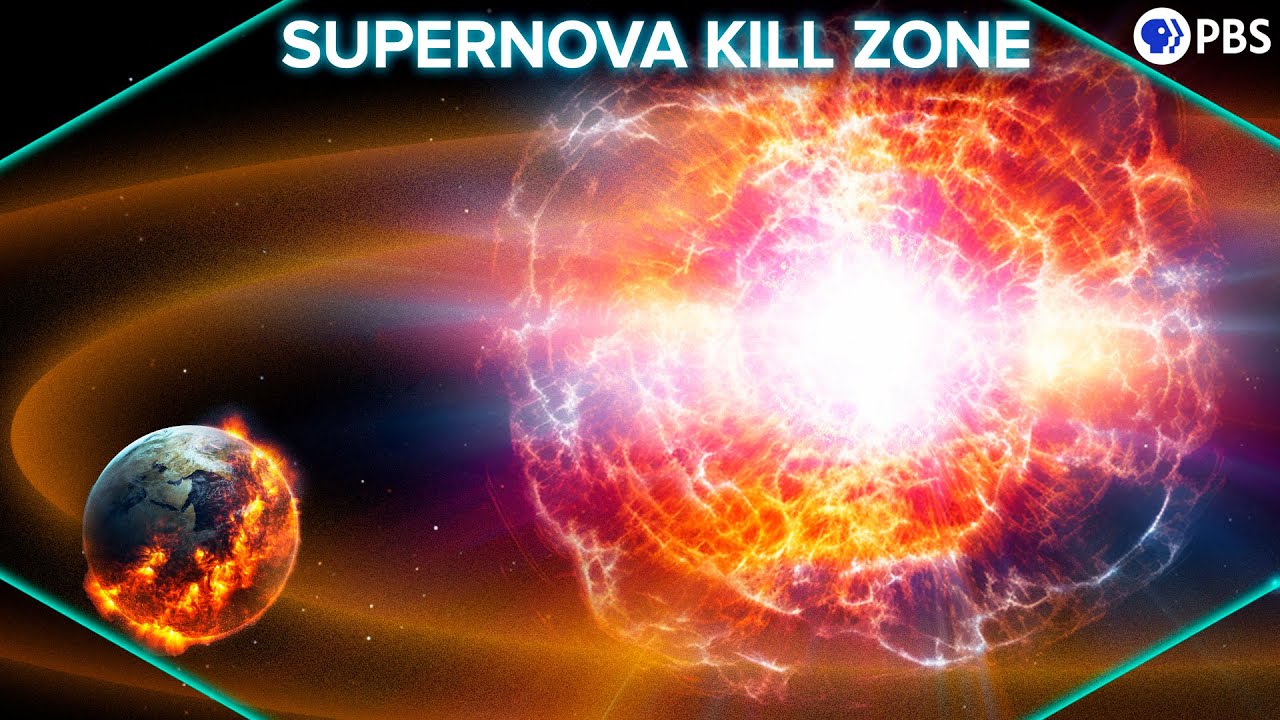
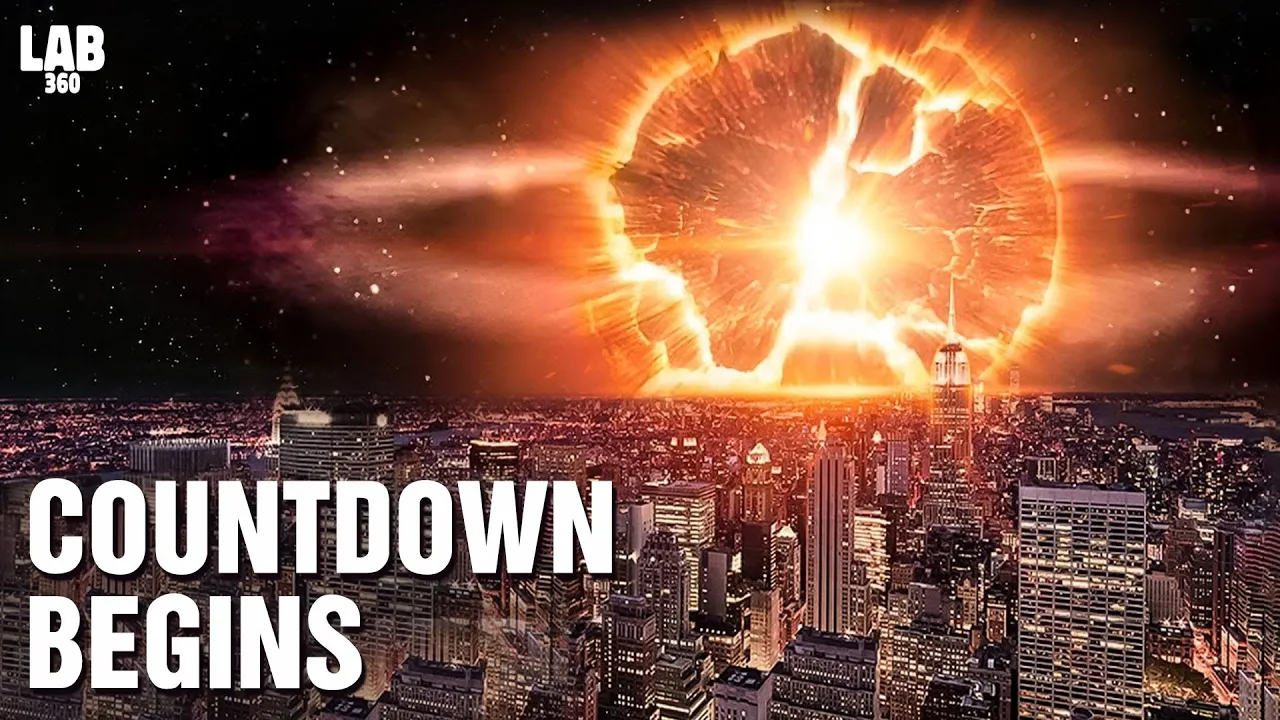
a supernova is an extremely powerful super bright explosion of a star it is the biggest explosion humans can ever see the end result of a supernova explosion can either be a neutron star or a black hole two of the most exotic objects in the universe at its peak a supernova can be as bright as an entire galaxy and it can even be so bright as to be visible during the day it can take months for the brightness of a supernova to dim material several times the mass of the Sun is expelled at speeds several per
of the speed of light in a supernova explosion in a span of 100 years at least 2 to 12 stars are supposed to go supernova in our Milky Way but we haven't seen a star go supernova in our galaxy for the past many centuries which means we are long overdue now for a treat of a supernova blast in our skies Supernova are indeed fascinating phenomena like no other so let's go on a Journey to the stars in our Milky Way which are going to die in a fascinating Supernova explosion and guess what there's one star
going Nova before September 2024 itself welcome to lab 360 it's time to explore even if a supernova were to occur in the far side of our galaxy we'll be able to detect it because of the powerful telescopes that we now have which can see farther and fainter predicting when a star will go supernova is notoriously difficult because it is difficult to determine which stars are in the final stages of fusion and which ones have millions of years left there are two possible ways in which a supernova can occur a supernova can occur at the end
stage of a Dying star which weighed at least eight times that of our sun once the fusion process inside a star stops it is unable to hold against gravity and its core suddenly collapses leading to a magnificent Supernova explosion this type of supernova is called a core collapse Supernova many Clos or well-known stars fall in the category of stars which can undergo a core collapse Supernova let's start with the massive blue star Spa it is the brightest star in the Virgo constellation and one of the 20 brightest stars in the night sky one interesting fact
about spika is that it is an egg-shaped star rather than being spherical like the rest of the star s it is at a distance of 250 light years from us then there is the red super giant Bal juice perhaps the most famous of stars that are supposed to go supernova in the future Bal guse lies in the Orion constellation at a distance of 400 to 500 light years from us next is the red super giant Antares which is the brightest star in the scorpus constellation anares often referred to as the heart of the Scorpion is
the 15 brightest star in the night sky it is 550 light years away from our Earth another red super giant in the list of those going to go supernova is VV SE located in the constellation saus 5,000 light years away from us VV sea is a binary star system which contains one of the largest stars of our galaxy it is as large as Jupiter's orbit next is the yellow hyper giant Rog C copi in the constellation Copa it is about 3400 light years from Earth but can still be seen with the naked eye as it
is over 300,000 times brighter than the sun yellow hyper Giants are one of the rarest categories of stars only 12 stars of this type are known from our galaxy and last but not the least is a star in the gamma valorum system gamma valorum is a system of four stars in the constellation vea star systems composed of two or more stars are generally visible as a single star to us in our night skies because the individual stars in the system are too close to each other and too far away from us gamma vorum is one
of the brightest stars in our night sky it is approximately 1100 light years away from us one of the four stars in this system is a wolf rad star and it is the closest and brightest wolf rat star wolf rat stars are extremely hot turbulent Stars in fact they are the hottest kind of stars that can ever exist their surface temperatures can range from 20,000 to 200,000 Kelvin for comparison the surface temperature of our sun is a measly 5772 Kelvin their extreme temperature means they are thousands of times brighter than our sun their diameter is
several times that of our sun only a few 100 stars of the wolf rat category are known making them a rare class of stars apart from that four stars in our Milky Way fall in a special class of wolf Riot Stars which are stars with dominant emission lines of ionized oxygen in their Spectra all four of them are expected to go supernova in the next 1,000 years the second kind of supernova occurs in a binary system though our solar system has only one star our sun you'll be surprised to know that most stars exist in
binary systems meaning a system composed of two stars orbiting each other when Mass equal to that of the sun is squeezed in a volume as small as the Earth what you get is a white dwarf thus making a white dwarf a super dense super hot dead body of a star which once shined bright the extreme density of a white dwarf also endows it with extreme gravity and so in a binary system containing a white dwarf and another star the white dwarf keeps pulling material from its companion and Gathering mass as it keeps heaping up more
and more mass pressure and heat keeps building up until it can hold no longer and bang it explodes in a Nova a Nova explosion is like a hydrogen bomb detonating in space identifying binary systems with a white dwarf which might go supernova is even more difficult any binary system in which a white dwarf is heaping up mass will go supernova but when that is difficult to predict the nearest known Supernova candidate of this type is ik pegasi located at a distance of 150 light years making it perhaps the closest star system known to go supernova
in the future but observations suggest it could be as long as 1.9 billion years before the white dwarf can accrete the critical mass required to become a supernova another example of a binary system known to be going Supernova in the future is U Scorpia it is one of only 10 known recurrent Novi in our galaxy a recurrent Nova as the name suggests is a Nova which erupts in regular intervals typically a few tens of years but why does a Nova recur that is because once the explosion has happened the binary companion again starts feeding the
white dwarf repeating the process the last Outburst of you Scorpi was seen in 2022 it is located near the northern edge of the constellation Scorpio it is a whopping 64,000 light years away from us another of the 10 known recurrent Novi of our galaxy that is much in the news these days is T coroni Borealis what makes this binary system special is that it is expected to go Nova anytime between now and September 2024 now that deserves a more detailed look into this special system a Nova explosion is going to occur in the coming months
in our Milky Way and it will be visible to the naked eye this Nova is going to occur in the binary system T coron Borealis this system is located in the small constellation Corona Borealis or the northern Crown some 3,000 light years away from us the T coroni Borealis system consists of two objects one a red giant on the verge of dying and another a white dwarf a dead star what will this Nova look like in our sky this Nova explosion will be visible as a new star in our night skies this new temp temporary
star will be as bright as the North Star Polaris and will be visible for at least a couple of days with the uned eye before dimming down but people can see it for a week or so with binoculars in the night sky NASA has called it a once-in-a-lifetime opportunity for people living in the northern hemisphere because such binary systems in which a white dwarf is heaping up Mass from its companion are rare in our galaxy The ton Borealis system is a known recurrent Nova and the last time an eruption happened in this star system was
in 1946 and the next will happen 80 years later Bradley schaer a former professor of physics and astronomy at Louisiana State University dug out historical records of eruptions of this system and found out that German monks had documented it in 12117 as signam mirab in Latin which translates to wonderful Omen he found another record of the sighting of this Nova by an English astronomer Francis walliston in 1787 he published these findings in a recent paper in the journal for the history of astronomy pinpointing the exact time when the T coroni Borealis system will go Nova
is tricky business according to their calculations the Nova could happen any time between now and September the new Star will reach its peak brightness within 24 hours of the Nova explosion it could maybe even happen tonight schaer said more probably it'll be within the next couple of months and very probably before the end of summer but how do scientists know that the Nova will occur in the next few months the truth is that scientists have no clue about when a Nova will occur but scientists know about 10 Novi which are recurrent Novi and Toni Borealis
is one recurrent Novi as you can guess from the name are Novi that expel material in a periodic fashion once this period is determined scientists can find out when the next Nova explosion will happen in a particular system there are lots and lots of Nova that have been discovered but most haven't been known to recur explains merid McGregor an assistant professor with the Department of physics and astronomy at John Hopkins University generally it takes thousands of years before a white dwarf has accumulated enough Mass to go Nova but the white dwarf in t coron Borealis
seems to be doing it much faster in just 80 years this is what makes T coron Borealis special another sign that scientists look out for is dimming T coron Borealis had dimmed for a year before erupting in 1946 this system started dimming again in March 2023 making scientists predict that it will go Nova again sometime between March and September 2024 studying such binary systems helps scientists understand the process of mass transfer between stars in a binary system for astronomy enthusiasts like us such binary systems exploding every once in a while are a treat and we
can't wait for it are you equally excited to experience this Celestial phenomenon share your thoughts in the comments section below and be sure to subscribe to to the channel for the latest revelations in space exploration hit the Bell icon to stay updated and let's continue to explore together