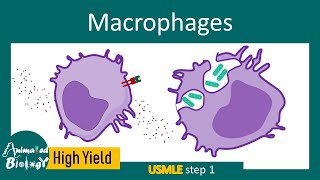
in this video we'll be talking about lucite extravasation this is a High heeld video for usml step one stay tuned till the end so lucites are white blood cells that infiltrate a tissue post injury or infection so during inflammation imagine a rusty nail has bringing a lot of bacteria in the wound site now lucos sites like neutr would immediately try to go to that location and then engulf the bacteria so this is known as phagocytosis then neutrophil would secrete alarming molecule which are basically cyto kindes which can change the property of the blood vessel and
allow more neutrophils to come in and this process is known as neutrophil extravasation or lucsy extravasation though this process looks fairly simple but this particular process has several molecular aspects to it which we have to learn and we have to also learn how does that go wrong in terms of disease now this process is really important for inflammation and wound healing so neutrophils generally roll very rapidly throughout the blood vessel when there is no inflammation but imagine that there is an inflammation due to infection of bacteria then there are certain cyto mines which can alter
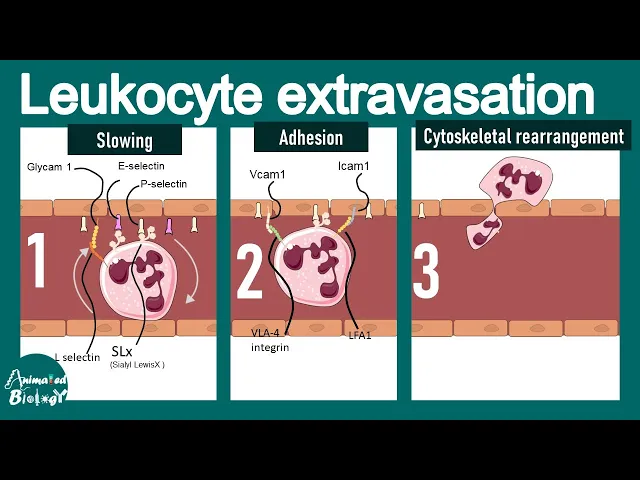
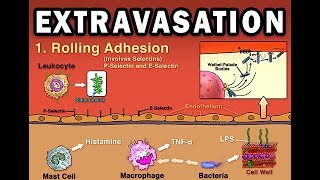
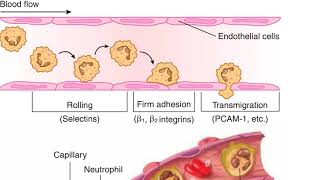
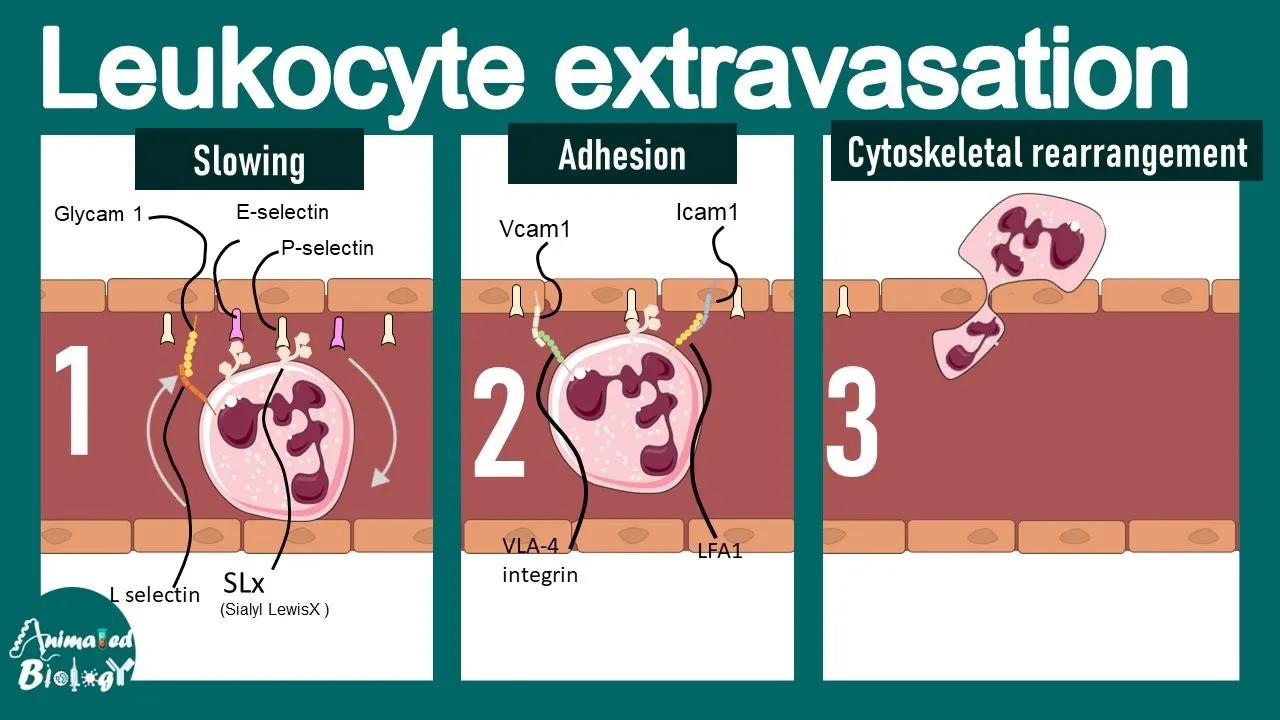
the blood vessel now blood vessel Express more and more these adhes molecules which can slow down theut neutr rolling so the first step of lucite extravasation is uh the halting or slowing down of the Rolling process and this is mediated by several adhesion interaction one of them is glycam one which is present in the blood vessel capillary endothelial cells there are e selectin peltin all of these are adhesion molecules present on the blood vessels or the endothelial cells then eltin c l X or SLX all of these proteins are actually present on the surface of
the neutr but anyway these adhesion interaction work like a velro and prevent the neutrophil to roll rapidly and allow that to stop once the neutr stops then there are several interaction that happens like with vcam present on the blood vessel wall vf4 integrin which is present on the neutrophil surface IAM 1 and lfa1 and all this lead to a cytoskeletal rearrangement this triggers the neutrophil to squeeze itself through the narrow capillary uh wall and basically go outside of the blood vessel to the tissue space now the previous step was actually known as adhesion where the
adhesion establishment happens and it becomes stronger the the adhesion interaction becomes stronger and after the stronger adhes the nucleophile is getting that kick or the trigger to change the cytoskeleton and once the cytoskeleton is changed it squeeze its way throughout of the blood vessel move to the tissue space and now extravasation is complete and now the neutrophil would be guided to the injury or wound side with the help of several chemotactic factors such as complement factors maybe interlukin lucrin Etc now the neutrophil would go and ultimately chase the bacteria and ultimately they would engulf it
after engulfing the bacteria neutrophil use a process called respiratory burst on which we have different video but thereby they kill the pathogen and eliminate uh these pathogens and help in wound uh healing now what happens is basically there are disease where the molecules which are required for the neutrophil to roll slowly or establish adhesion is faulty so there are mutation in sx1 gene or cd8 integr Gene which lead to lucite adhes deficiency disorder in this case the surface adhesion molecules of the neutrophil are not produced as a result what happens is even if there is
infection neutrophil cannot really roll slowly adhere to the endothelial cells and cannot go to the site of injury so that means these patients would be more and more susceptible towards bacterial infection or the wound healing process in these individuals would be ultra slow on a different video we would cover this aspect but anyway I hope this video was useful if you like this video give it a quick thumbs up don't forget to like share and subscribe see you in next video r