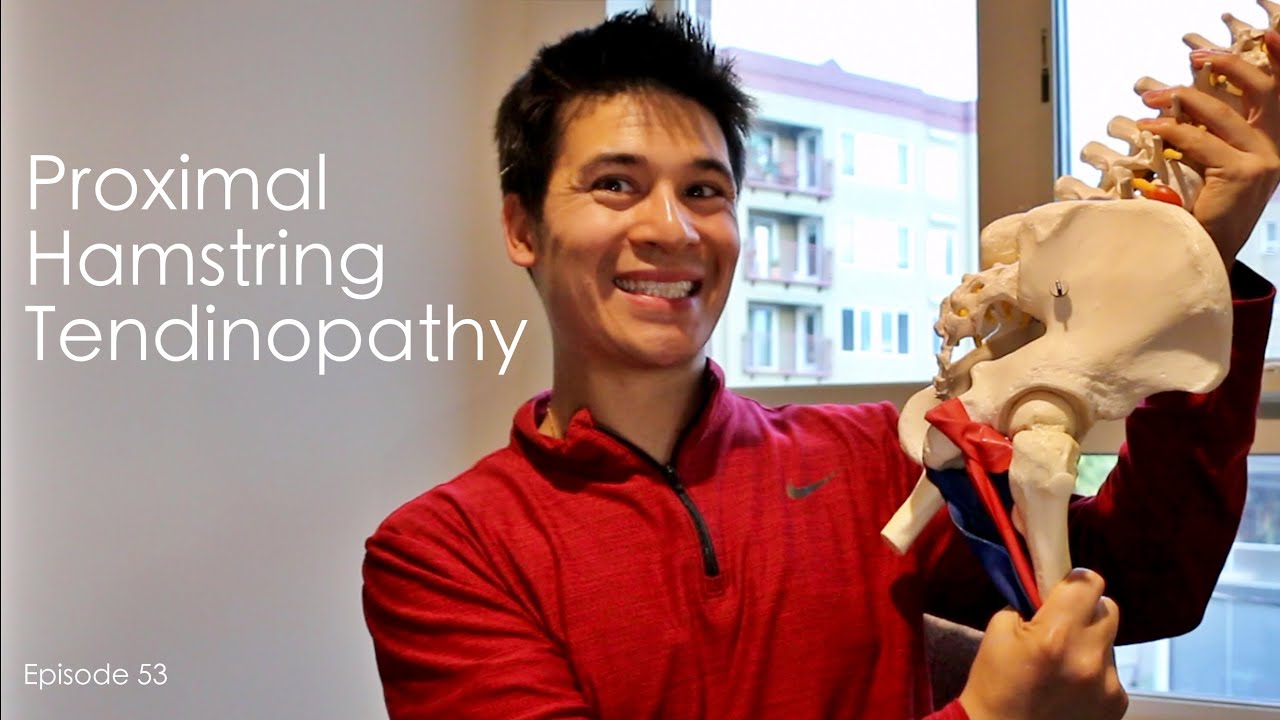
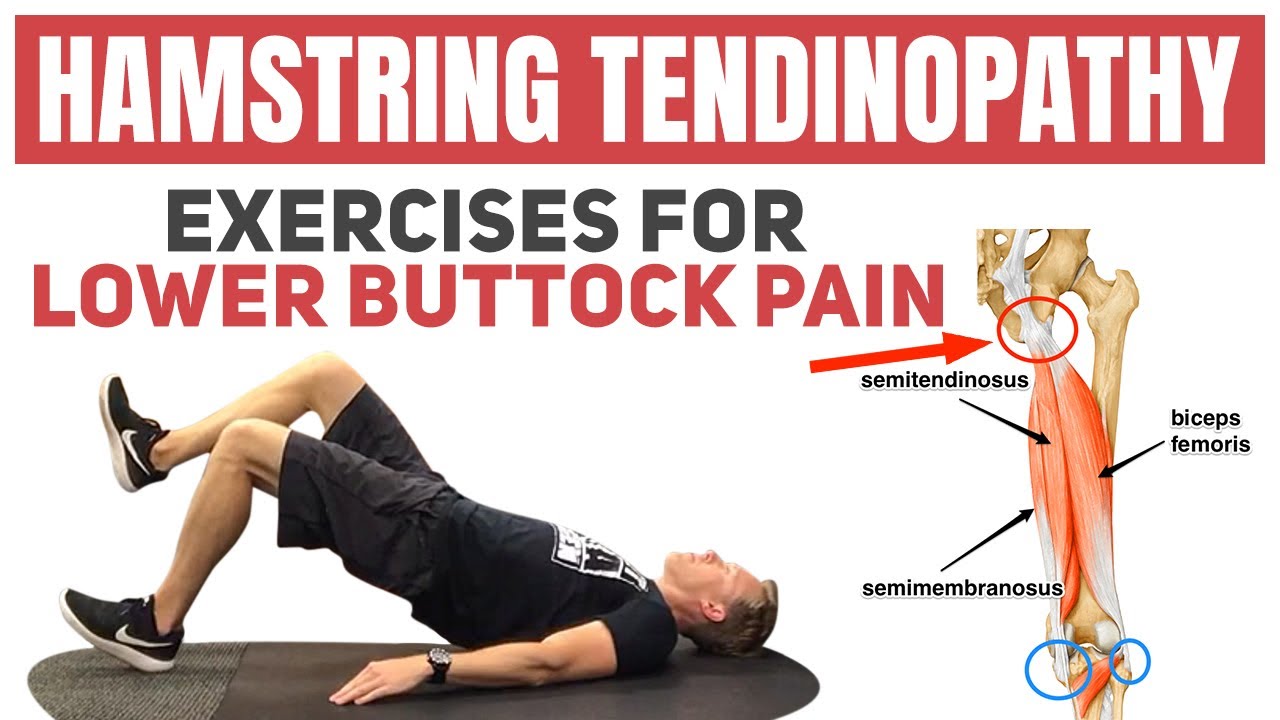
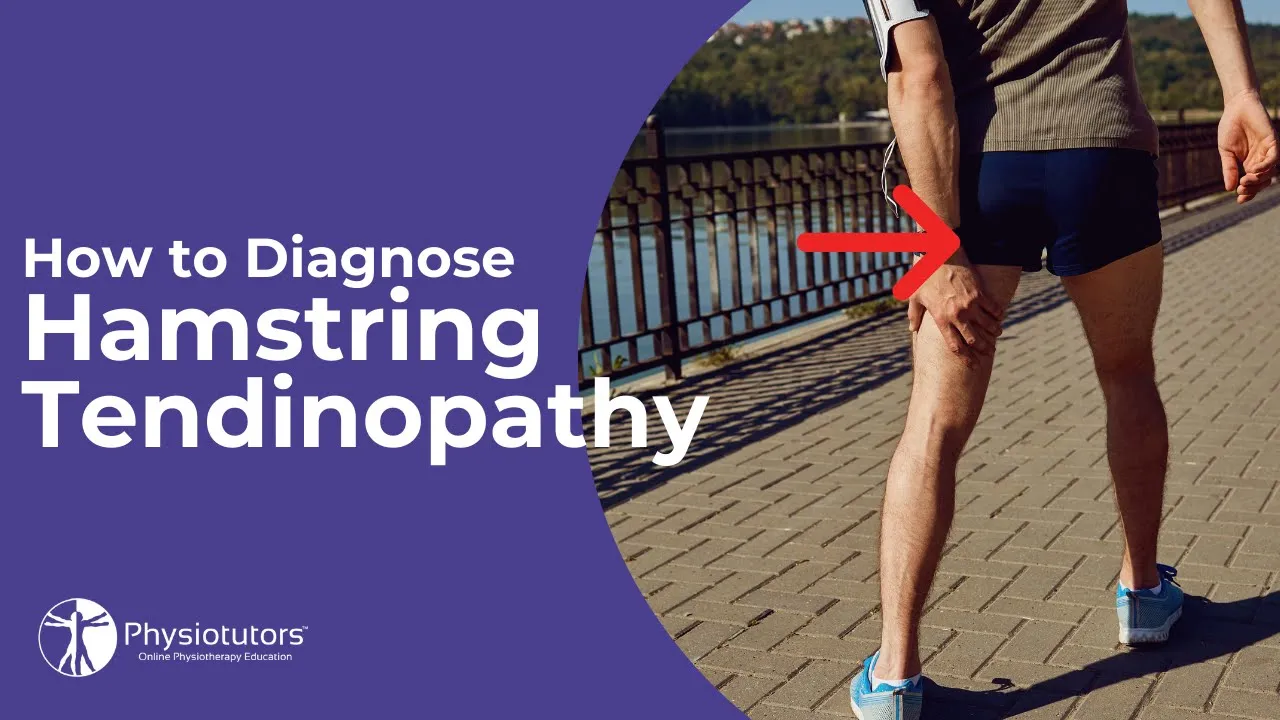
in this video we are going to talk about differential diagnosis for proximal hamstring tendinopathy [Music] hi and welcome back to physiotutors if you're a regular follower then you have watched our earlier more general video on six tips to diagnose lower limb tendinopathy they were one epidemiological data two highly localized pain at the tendon emphasis three muscle wasting four hallmark signs five pain onset 24 hours after high and fast load activities and six proportional load pain relationship in this video we will specify those six points for the proximal hamstring tendon and look at possible differential diagnoses
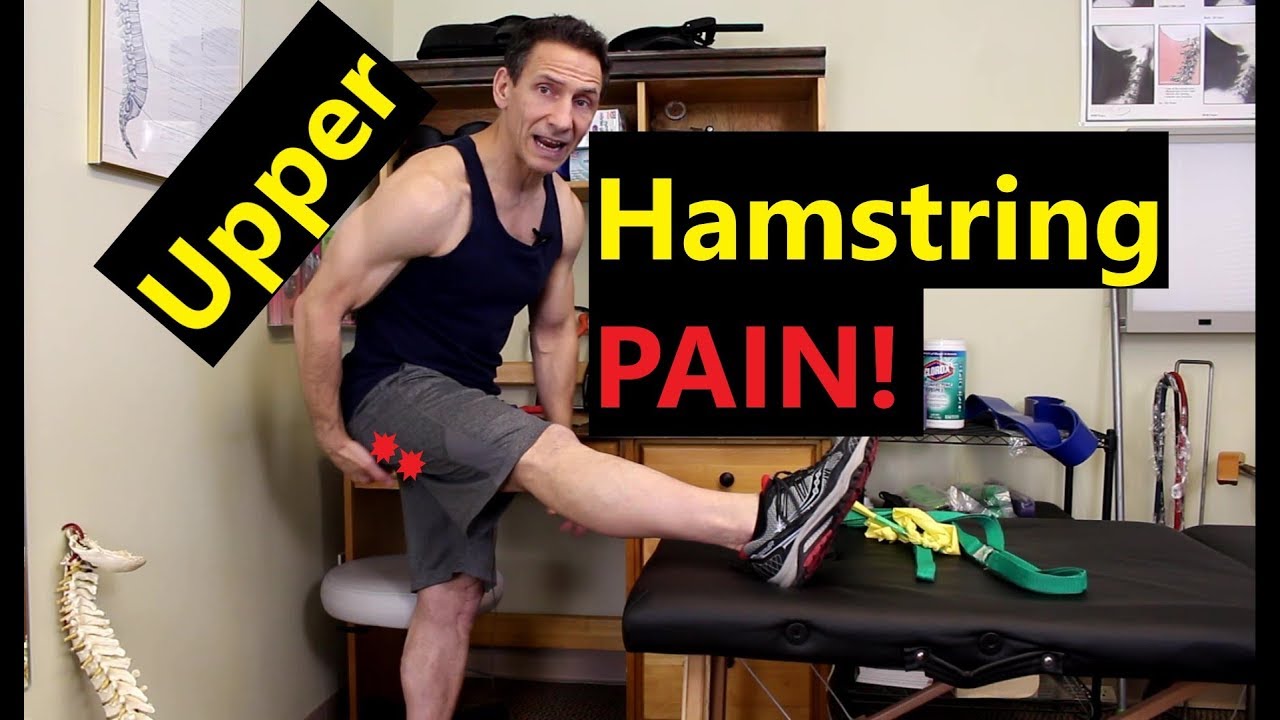
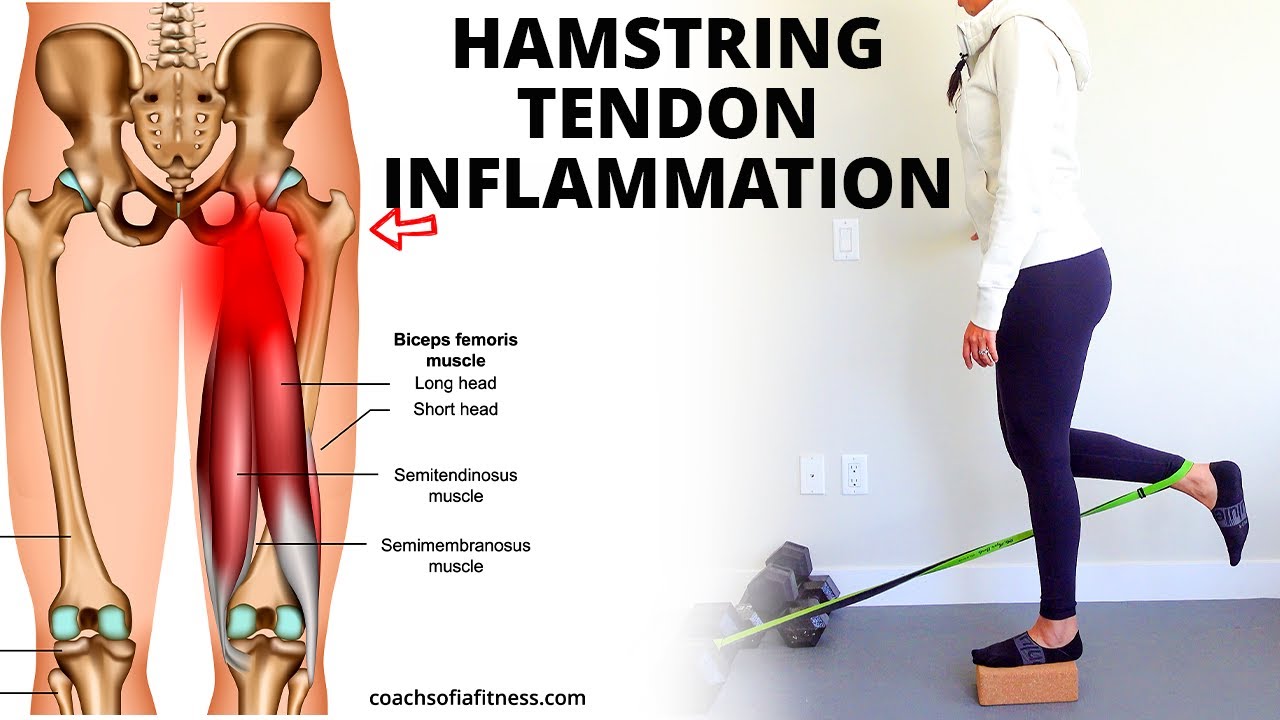
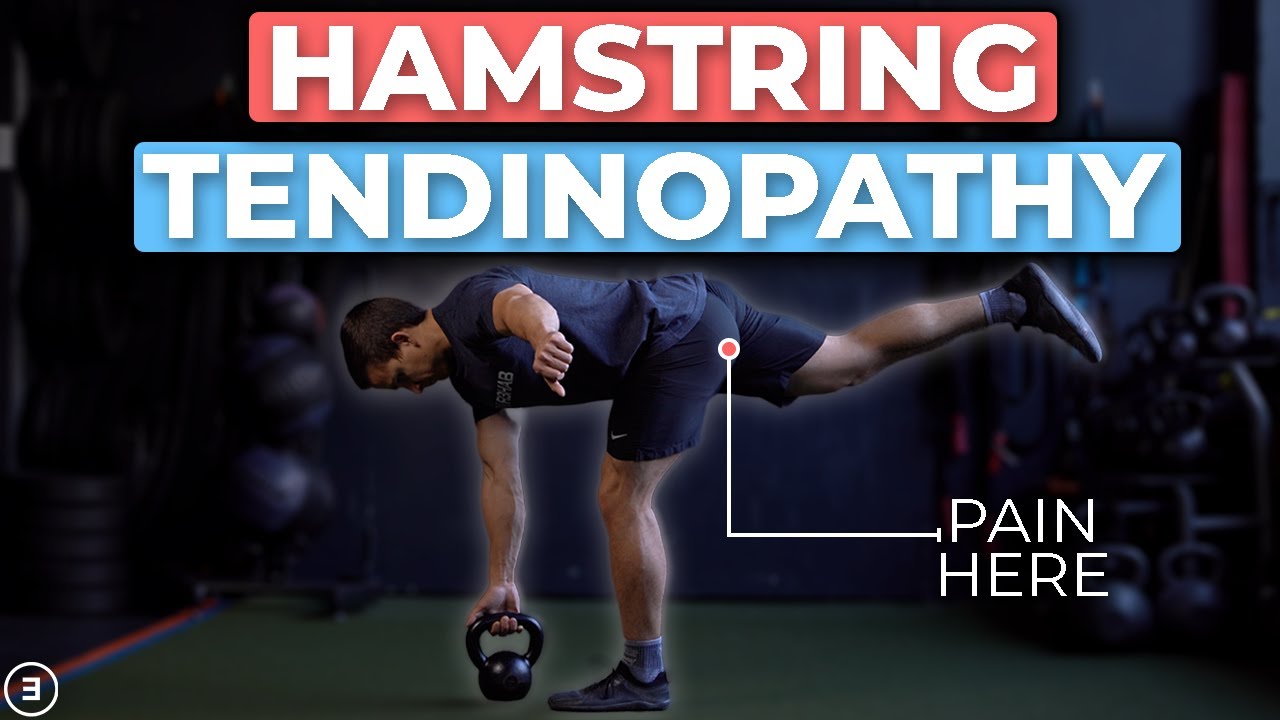
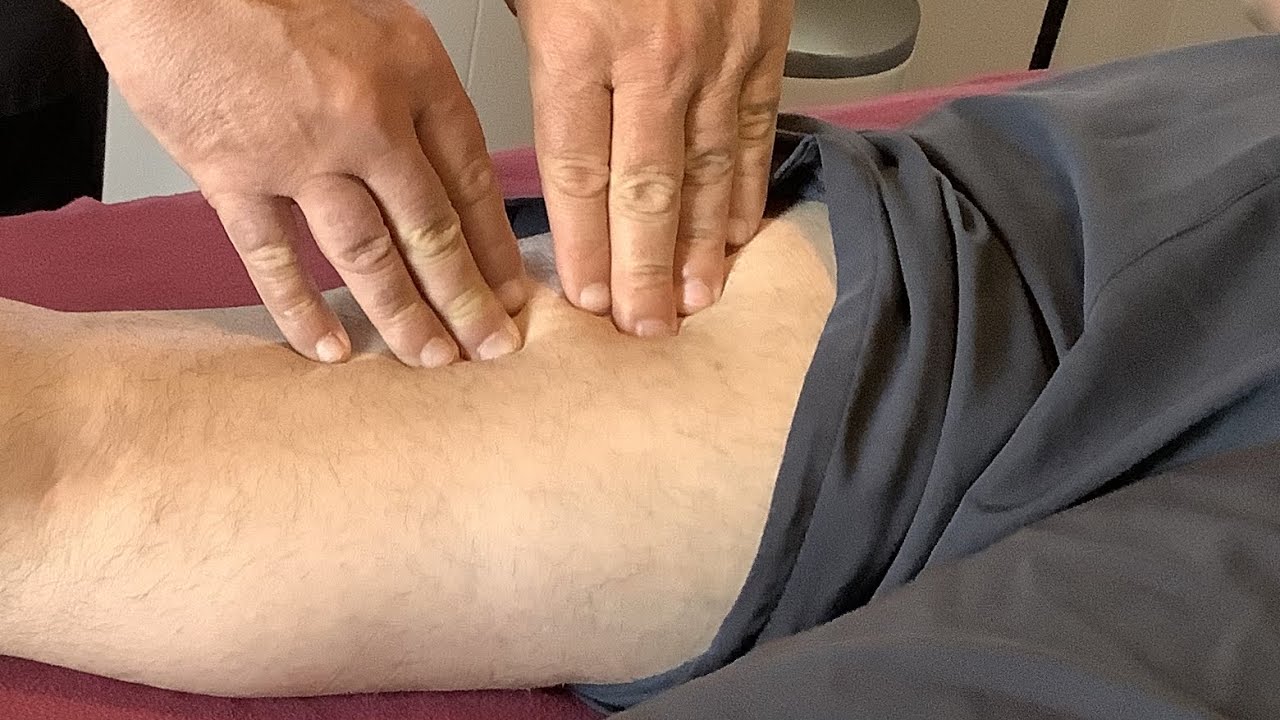
first epidemiology proximal hamstring tendinopathy is most prevalent among fast walkers distance runners sprinters and athletes performing change of direction activities such as football soccer or hockey for example number two localized pain palpation should confirm well localized pain at the issual tuberosity be aware that proxima hamstring tendinopathy is one of the few tendinopathies that can present with diffuse preferred pain to the back side of the hamstrings as well as with other tendinopathies symptoms usually become less prominent after short warm-up period the pain location requires an extensive differential diagnosis differential diagnoses with more few symptoms are one
sacroiliac joint pain which can be in and excluded with the cluster of last lead that you can watch by a click on the info button in the top right corner number 2 referred pane from the lumber facet joints of commonly l4 l5 and especially l5s1 which can be examined by 3d extension pivots and pa provocation testing again you can find a video about this in the top right corner number three the sciatic nerve can become irritated in the deep gluteal area so what was formerly called piriformis syndrome and nowadays is called deep gluteal syndrome next
to palpation of the deep gluteal muscles there are a couple of tests to help with this diagnosis of exclusion which all stretch or contract the deep gluteal muscles to entrap the sciatic nerve you can find a playlist for those tests on our channel you can also perform neurodynamic tests such as the slump test which you'd expect to show up with positive findings number four furthermore in female runners with pain medial to the ischial tuberosity we have to take an ischial ramus stress fracture into account the diagnosis can ultimately only be made by imaging number five
in adolescent kicking athletes we have to take apophysitis into account and in post adolescent athletes in their 20s and 30s an unfused growth plate could be responsible for non-response to conservative therapy number six in case of acute onset we have to consider partial and full ruptures of the proximal hamstring tendon into account which often happens with an audible pop in extreme hip flexion combined with knee extension and number seven at last a patient can suffer from issue femoral impingement which happens when the lesser trochanter of the femur impinges against the ischial bone during external rotation
of the hip we will shoot a video about diagnostic tests for this condition pretty soon number three muscle wasting in case of proximal hamstring tendinopathy the literature describing atrophic changes is sparse as a general rule of thumb for tendinopathy the muscle of the affected tendon and the muscle of the kinetic chain distal to that muscle are affected to examine muscle wasting in this case observe the hamstrings and calves for muscle bulk and differences and palpate them for tone which is often reduced if patients have not been using them much the hallmark sign for proximal hamstring
tendinopathy is sitting pain on the tendon insertion as it is getting compressed between the sitting surface and the ischial tuberosity number five pain onset or exacerbation 24 hours after high and fast load activities in the case of the proximal hamstring tendon you have to specifically ask for an increase in volume intensity or frequency of sprinting lunging hurdles or hill running which has led to the onset of symptoms this is often the case after prolonged break as well and secondly the pain is usually increased 24 hours after those high and fast load activities be aware that
activities that require static stretching such as yoga or pilates and even simply sitting can induce tendinopathy as well number six proportional load pain relationship like with aeroteninopathy you are looking for an increase in pain with an increase in load on the proximal hamstring tendon a good starting provocation test can be a double leg bridge followed by a single leg bend knee bridge and then continue with the bridge with a long lever and progress to higher load and speed like in catches for example a very intense test is asking a patient to perform a double leg
deadlift which is again progressed to a single leg version with added load and speed pain levels have to increase with increasing difficulty so if the single leg bridge was scored with say a 3 out of 10 a long lever bridge with added load and speed should be higher with the highest scores at the single leg deadlift with added load and speed alright this was our video about differential diagnosis for proximal hamstring tendinopathy if you'd like to learn more on how to rehab proximal hamstring tendinopathy make sure to watch the video to my right if you're
looking to become an expert in tendon and muscle rehab of the lower limb check out our upcoming course on that topic with expert anna king on study.physiotutors.com i'd like to thank you very much for watching and please like this video if it was helpful to you and don't leave without subscribing if you want to stay up to date with our latest video releases i'll see you in the next video take care bye