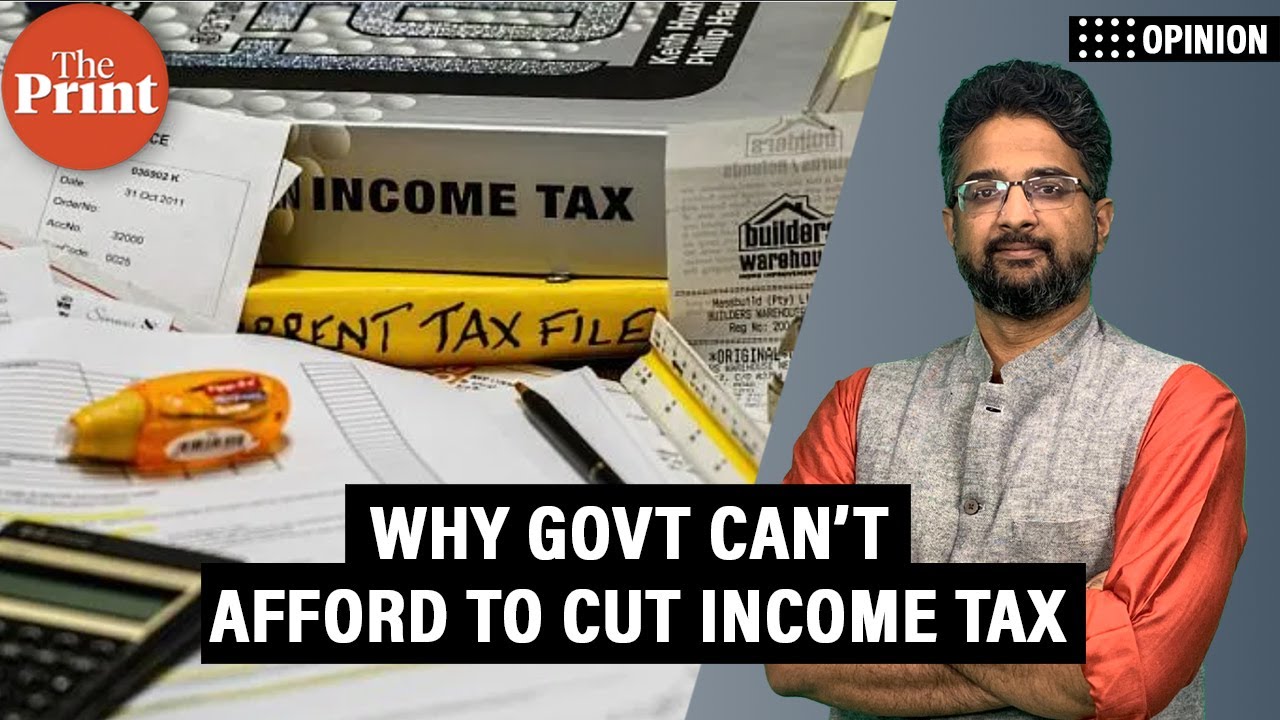
hello and welcome to another special episode of Daybreak I'm snega and I'm rahil and today we're doing something different considering it's the end of the year we thought we'd ask the reporters in our Newsroom to talk to us about the stories they best enjoyed reporting on so we have two stories for you the first is a fascinating Story by ronuk about how a tiny discount caused an uproar inside IRCTC or the Indian Railway catering and tourism Corporation ation and the second is by akriti Bala about how PepsiCo managed to make Sting the energy drink of
[Music] [Music] India the story on IRCTC by ronuk is one of my personal favorites this year and the reason is because we're talking about IRCTC here which is a predominantly government organization and we all know how hard it can be to get access to Insight information from government bodies but somehow ronuk managed to do it so I asked him how and he told me it all started one fine day in the middle of Delhi summer when he was outside the finance ministry for another story just then Rona got a call from an old source who
said he was at the IRCTC office and that he wanted to talk about something that was quite important so I um I went to the IRCTC office to meet him and he uh you know not in exactly the same direct words but he said that you know there is sort of unrest inside the organization and they don't really like um uh basically an understanding that had reached with the government and there there is some sort of an internal backlash going on uh I can make you talk to a couple of people if you want to
so obviously I said yes of course make me talk to them and U it started off from there everything ronok discovered through the course of his reporting for the story pointed to a tiny little fixed discount that the government offers everyone who books their tickets via IRCTC using UPI the idea was to promote UPI it was a decision made by the railway Ministry and the finance ministry together but ronuk learned that the IRCTC had to forego nearly 40 CR rupees in Revenue in the June quarter because of this discount which is why on the day
of the budget in July this year IRCTC officials were waiting with baited breath hoping that the Finance Minister nirmala sitar Raman would announce an end to this discount they're thinking everybody uses UPI everywhere anyway so what's the point of promoting it through a discount that is making us lose our share of the revenue let's find out more from ronuk so ronuk IRCTC has been around for what like 30 years now and we mainly know it as the official ticketing platform for the Indian railways right and this year it actually did quite well uh apparently uh
this year 2024 was its highest ever Revenue profit so you know to get started can you tell us a little bit more about what IRCTC does so IRCTC basically a government body it's under uh the ministry of Railways uh it it does ticketing it does catering and it also takes care of the cancellation refunds Etc so every uh Indian Railway ticket that's booked in India is done through the platform of IRCTC they provide they partner with payment aggregators they partner with payment gateways so the entire transaction goes through their platform for which they get a
cut they also take care of now uh tourism as well they provide um pre-curated packages ET so three sources of income and they take care of the cancellation the refunds part of it as well so basically all in all if you're traveling in a train you're obviously doing it through ISC okay so now that is out of the way ronuk uh this is the question that I'm actually most excited to ask you how did you find out about this trouble that was brewing inside the irc's boardroom so uh there are three or four board members
that IRCTC has apart from the chairman uh I obviously can't name who I spoke to but um it was as if the board members were almost ready to talk so there are phone numbers that they they provided their own phone numbers on the websites Etc where uh they talk about their board members so I called up I initially messaged all three or four of them and then I called up one of them as well and they responded and we spoke about it uh so basically this issue has been going on inside rctc for a while
where they you know keep going to finance ministry where they keep going to railway Ministry asking them to you know wave off this discount and that it's unnecessary anymore these discussions have been going on inside board rooms for a while but they haven't really been escalated to a place where the finance ministry could take a decision on it so uh the board member also said that they've been privy to such discussions almost every quarter the topic comes up every quarter they talk about the fact that there are some officials who are not really happy about
it and how they're not able to progress in the PSU ladder as well so uh it was was just a fact of me reaching out to them and they responded now the thing to understand here is that IRCTC is a public sector company that was initially completely owned by the government but over the years the government has been reducing its holding in the company it is at about 60% now and the rest of the shares are publicly traded also it is a mini ratna company which is basically a government company but the government has given
it some Financial Independence so it can generate more profit so to really understand why IRCTC folks are so unhappy with this tiny discount we need to look at the efforts that IRCTC has been making to expand its business and stay relevant I asked ronuk so IRCTC has always tried to you know project itself as a new age company that understands uh market dynamics Etc uh they were they were obviously the first ones who got into online ticketing and they completely uh remove cues out of uh you know those checkin counters at at uh or ticket
buying counters at Railway stations Etc U they also are partnering with zepto uh they're partnering with zato they're partnering with Sugi as well to you deliver food to uh to passengers inside trains they're not just attracting the U older uh guys into uh buying their tour packages they're sort of uh the the itery is such that they're also trying to attract the younger folks because again uh huge boost in the travel industry post the pandemic right so they're trying to make full use of that as well and they're trying to keep themselves as relevant right
so you know Ron basically this discount is hurting IR CC's main Revenue source which is e ticketing right and just to make it clear to our listeners uh you know when we book a ticket most of that money goes to the railways and the IRCTC gets a cut for facilitating um that booking of the ticket right and this discount is going from their cut which is why they are upset but you know what I don't understand is that if it is affecting them so much IRCTC so much like how you mentioned in your story they
lost 40 cror worth of Revenue because of this why are uh IRCTC officials not directly going and speaking to the government and expressing their discontent you know like I mean officially they're not doing that right no they're not doing that you're right so basically the thing is uh they've spoken about their displeasure to their own chairman a couple of times uh they've spoken about it to the previous uh chairperson as well but the problem is that uh all of the chairpersons who assume that uh corner office they know that uh the railways has had an
understanding with the finance ministry that uh they cannot let go of that discount because there were other uh promises that were made in an in a closed door meeting that happened between the finance ministry and Senior Railway folks and Senior iutc folks where U they they were given back uh some of the cut that they were getting uh at online ticketing only uh with a promise that uh UPI discounts won't be taken off so it so happened that the percentage cut that IRCTC used to get uh before UPI or before the pandemic happened was much
higher than what they're getting right now but in between they also removed all of those um cuts that ictc was getting because of online ticketing uh booking that was going on in the country uh and that really uh sort of hit uh isc's Top Line and bottom line uh it was only after uh these discussions that happened between the finance ministry and the railway Ministry that these Cuts were brought back into the system and ictc was able to get its top line and bottom line back in order but with an understanding that UPI discount won't
go away so while uh the junior ictc folks keep complaining about it the chairman cannot go to uh the railway Ministry or the finance ministry and ask them to remove this discount because they're aware that this understanding had happened and they couldn't they again cannot afford a hit on their bottom line or Top Line right okay uh that makes sense okay so uh Rona can you tell us we know that IRCTC is a mini ratna company now and it has a certain amount of Independence uh but what is the next step like what are the
what are the Ambitions uh for IRCTC in the future so uh IRCTC right now is a miniratna company The Next Step that it is supposed to take is to become a navaratna company yeah so one it provides more freedom to uh the company in the sense that most of their strategic decisions can be taken by them with as little as um government involvement as possible for example uh oil and gas companies like say uh ioc or hbcl these are uh either navaratna companies or maharatna companies so their day-to-day operations are not controlled by the government
though the these are PSU companies at the end of the day and they do take in instructions from the government uh there are price limitations that the government puts on these oil and gas companies but uh of their strategic decisions they're pretty independent on their own U and that's the status that ictc is aiming for as well they want to move up the ladder and be more independent in terms of the decisions they take uh in terms of who they partner with for example for their payment gateways um the kind of vendors they associate with
In Their Food business for instance so they want as little for almost every company that's the case right they want as little government involvement as possible so that they're able to focus on their bottom line on their Top Line Etc right and you know uh it seems like it is a fair ambition or dream to have right on part of IRCTC because if you look at how it's been doing so far it's in been quite remarkable it's been pretty agile it's been coming up with new Partnerships uh like you mentioned the food business is doing
phenomenally well uh all these tie-ups that it has made with zamato swiigy I mean uh it's quite it's quite amazing you know how passengers have the option to get food delivered mid journey I mean the logistics of it all um and then you have all the tourism packages like you mentioned so in a way you know it does seem like they do deserve more Independence right but you know uh from what you told us earlier the picture right now is quite different right ronuk in terms of Independence um like the railway Min Ministry is ultimately
their boss and the final green flag for everything has to come from there so you know because you spoke to so many IRCTC officials uh you know for this story uh and they were talking to you about their resentment is there any resentment that they have for the railways in specific you know no no they they say great things about Railways because uh we need to understand that without Railways there is no IRCTC and U Railways could have easily hired a private partner to do all of these things uh which IRCTC does at the moment
but uh they floated a company and ictc was born because of uh Railways right and it continues to be around because of Railways so they have good things to say but they also say that there is a lot of hierarchy inside uh Railways and to get anything past you need to go through that entire ladder uh I will I will not name the person but I spoke to a former um former IC uh head as well and they also said that U even if they need to pass one small uh payment related decision they need
to go through the entire hierarchy of Indian railways and it goes through meetings and all of that and only then it is passed so uh the the entire government SL Babu culture does exist right okay thank you so much ronuk uh for doing this story and also for finding time to talk to us about it uh but before you leave you have to recommend your favorite Story by a Ken colleague to our listeners I think uh the story on NOA that NOA did on Flipkart in um January which spoke about flip cart being a high
pressure workplace because with Etc I think that's a fantastically reported piece wow I remember that story actually it was brilliant we even uh covered it on Daybreak I'll link it to the show notes of this episode but before we move on to the next segment rahil my co-host has something to tell [Music] you the mall calypse is here or is it you're probably wondering what that even means well it's a rather over-the-top portmanto to describe a trend in India's Retail Landscape that many say is inevitable I'm talking about the mall apocalypse the death of the
shopping mall as we know it in fact a recent report found a 59% increase in ghost malls across the country what happened well most people blame e-commerce then they say that covid was the final nail in the coffin but turns out there's more to it than that in an upcoming episode of Daybreak we will uncover why India seems to be over shopping malls but we want to hear from you when was the last time you went to a shopping mall has the in-person shopping experience lost its charm tell us what you think if you're open
to having a candid one-on-one chat on the subject write to us on WhatsApp our number is 8971 8379 I'll also add it to the show notes of this episode thank you and I'm really looking forward to hearing from you next up is our segment with akriti we speak to her about how sting became India's go-to energy [Music] drink earlier this year the Ken reporter akriti bhala found herself in bijwasan now this is a village close to the Delhi harana border and here outside a neighborhood Temple she ran into three young boys their names were chintu
pankaj and bhula akriti caught them right in the middle of what had become an everyday ritual for these teen boys during their summer vacations they were sitting together and chatting but what really caught her attention was what each of them was holding in their hand you see they were each sipping on a bottle of Sting the florescent Red Berry flavored energy drink that has taken the Indian beverage Market by storm they were like boasting how this is the next cool thing because it doesn't look like your Pepsi or a mirinda right it's it has a
striking red color it's it's something new something cool uh and yeah it's something that uh makes them Stand Out amongst their friends while talking to the boys akriti was pretty taken AB back by the lengths to which they were willing to go to procure this 20 rupe energy drink they joked that chintu had it the easiest you see he studies at a private school he owns an iPhone and he also happens to have the highest pocket money among the three of them so he could buy as many bottles of steak as he would like but
the other friends they can't do that they can't afford to do that so they were doing little little things for themselves one of them was helping like a flower lady uh and doing like little chores for her and that's how he was earning his money and uh buying sting for himself for context pankaj and bhula are the sons of daily wage workers they attend government schools close by and generally had to earn a couple extra rupees by doing odd jobs just like akriti mentioned but all three of them made it a point to set aside
money every single week to buy their supply of the drink this conversation with chinu pankaj and bhola confirmed a hunch that akriti has had for a while now sting is not like any other energy drink it has completely changed the game in fact an analyst akriti spoke too said something very very interesting they said that for a certain class of Indians sting isn't just becoming a popular alternative to Chai at tealls it is very quickly replacing tobacco so that was like one of those trigger points like the insight there was that it's something uh that
fuels the energy obviously it gives you a kick right so instead of uh taking a smoke you have a sip of that drink which you can keep in your hand entire day you see in the last few years energy drinks have really been having their moment in fact they've even been replacing carbonated drinks and juices for a lot of people data from a market research firm called Euro monitor points at a 30X increase in the consumption of energy drinks since 2018 and among energy drinks sting has become the most Preferred Choice I wanted to understand
what it was about this 20 rupe energy drink bottled by Varon beverages PepsiCo India's bottler and distributor that has made it blow up like this so I asked akriti okay akriti up until about 6 years ago Red Bull used to be practically synonymous with energy drinks right but in many ways it also kind of felt like a rich person's drink and then on the other hand you have sting which is significantly cheaper do you think it was that affordability factor that has really made it blow up the way that it has you know the fact
that it isn't catering to an elite demographic with a lot of disposable income it's catering to a whole other demographic yes yes Rael you're on point here that was the game changer for the company that makes it right vun beverages also because they hit the mass right earlier with Red Bull of course Red Bull has market share right now also in premium energy drinks category but sting changed the game because it was is that a fraction of what Red Bull cost right Red Bull is above 100 bucks this thing comes at rupees 20 almost at
same price as a Coca-Cola or a Pepsi or any other soft drink for that matter right so it it obviously had that affordability Factor so a lot of people were able to buy it uh and when you're not appealing to the cream when you're appealing to the larger base obviously it will have that sort of an effect so who exactly are these new consumers of energy drinks well on one hand we have young adolescents like bhola chintu and Page who drink sting because they want to look cool but on a budget and on the other
you have people who consume sting as a stimulant that can keep them going during the day possibly even replace a meal all without breaking the bank I think you know where I'm going with this one so it's not just the kids uh like I mentioned initially it's also your daily Wagers who are also a good chunk of their consumers uh daily Wagers because they need that kick to do that hard work right they have to be out there in the site right be it the EA drivers be it the ones working for construction s uh
all of these guys need some sort of refreshment and some sort of kick to keep with the daily work and it also really helps that it lasts a lot longer than tobacco tobacco is more of a oneand done kind of thing whereas an energy drink is something that you can carry and sip whenever you feel like it could last several hours so it does feel like a much better deal right but akriti the obvious question is how is Sting this cheap uh we were talking about Red Bull a little while ago one would assume that
it comes at a premium price point because it's made of you know more premium ingredients right but is it really that simple uh how is vun beverages able to sell sting for that little money you know right interestingly it's not what goes inside that's there must be I'm sure differences there also but the biggest cost point was the exterior the bottle itself uh a Red Bull comes in a tin bottle right it's a tin while this one is like a plastic bottle a tin is something that is like 35 to 40% of the cost of
the entire thing and you import it from outside so Red Bull is not an Indian company uh this product you import from outside plus the thing in which you bottle it that's also imported from outside so that also pushes up the price while in this case in uh Sting's case ven beverages was making the drink what goes inside as well as the exterior the bottle in India plus plastic is obviously cheaper than tin uh so that was the game changer here on the subject of packaging interestingly enough back in 2018 when sting was launched it
was actually sold in a tin can but within 2 years they switched to the clear plastic bottles we associate it with today in fact it was after 2020 that PepsiCo really blew the market open with sting of course its popularity is credited to things we've discussed already like the fact that it's 80% cheaper than Red Bull but another reason that is often cited is its color when I was speaking to these consumer analysts they were also saying that this this definitely had a part to play uh because imagine right if if uh if you are
sitting if you if you are out in a market somebody who is wearing red like that pops out the color itself pops out that's the thing with the color so in a fridge when you have your Reds and uh when you have your blacks and oranges a red color would pop out so you will as uh as a consumer get curious about okay what is this uh red colored thing so it's just uh appealing to the basil instinct right sometimes it really is the simplest things that make a product stick and choosing blue and red
for its two variants Pro to be a real master Stroke by Von beverages right akriti let's talk about vun beverages a little more right why have they been able to pull this off in a way that nobody else seems to have been able to do it correct so if you look at India right there are millions and millions of kiranas like uh and they are in the farthest of uh places like places where even a person takes time to reach by foot uh but PepsiCo because they have been here from years uh these guys reach
where nobody is able to reach like easily like just just for an example if you go to mountains right you will find a maggiea packet you'll obviously always find Pepsi bottle right that's the distribution might we are talking about where you'll get nothing you'll get Pepsi uh So that obviously helped so if you are available in the farthest Corners you can take your product from your factory in and around a Metro City or wherever the factory is to those farthest Corners now thanks to all these factors combined as of 2023 sting holds a lion's chair
a whopping 9 % in terms of volume in the energy drinks market and in the process sting has also managed to turn Baron beverages into the country's hottest fmcg stock for ven beverages having sting in its sales mix changed the game for them uh their stock price has shot up uh because of sting like they have outperformed they continue to outperform the larger index because of uh this one uh magic formula if you look at uh fmcg Index right uh the larger uh index it has grown about 80 to 90% in Last 5 Years but
if you compare it with a Varun beverage stock it the stock itself has grown 10 times than the fmcg index like it's over 900% uh so one product like clearly fueling the stocks growth as well now there's no two ways about it sting has fundamentally changed the market for energy drinks here in India in fact it even paved the way for a bunch of international Brands like Ocean Prime and fasten up to enter the market but there is also a flip side to the story that we absolutely cannot ignore it all comes back to the
new demographic for energy drinks that sting has created sting is largely consumed by adolesence and Rural people many of whom don't have a full sense of the side effects they don't fully understand the repercussions of consuming large quantities of caffeine and sugar okay akriti there's so much talk about the side effects of consuming energy drinks right I'm curious to know what sort of regulations are in place to kind of protect people you know who actually consume these beverages there aren't particular regulations in place there are no regulations stopping uh somebody from not making the drink
or selling it uh but like I said there are advocacy groups that uh that have been telling fssai which is the food regulator to look at the amount of sugar that goes in uh the amount of caffeine that goes in is it safe for you or not there are of course Global standards out there and drinks usually uh do uh do put the amount of sugar or caffeine it in it that goes by global standards but the thing is usually those standards are for one drink right but what H what ends up happening is people
have it like four or five drinks a day so for one bottle it's enough the amount of sugar or caffeine but people don't stop at one uh that becomes the challenging [Music] part Daybreak is produced from The Newsroom of the Ken India's first subscriber Focus business news platform what you're listening to is just a small sample of our subscriber only offerings a full subscription unlocks daily long form feature stories newsletters and podcast extras head to the ken.com and click on the red subscribe button on the top of the Ken website today's episode was hosted and
produced by rahil philippos and I Singa Sharma and it was edited by Rajiv Cen [Music] [Music] [Applause] [Music]