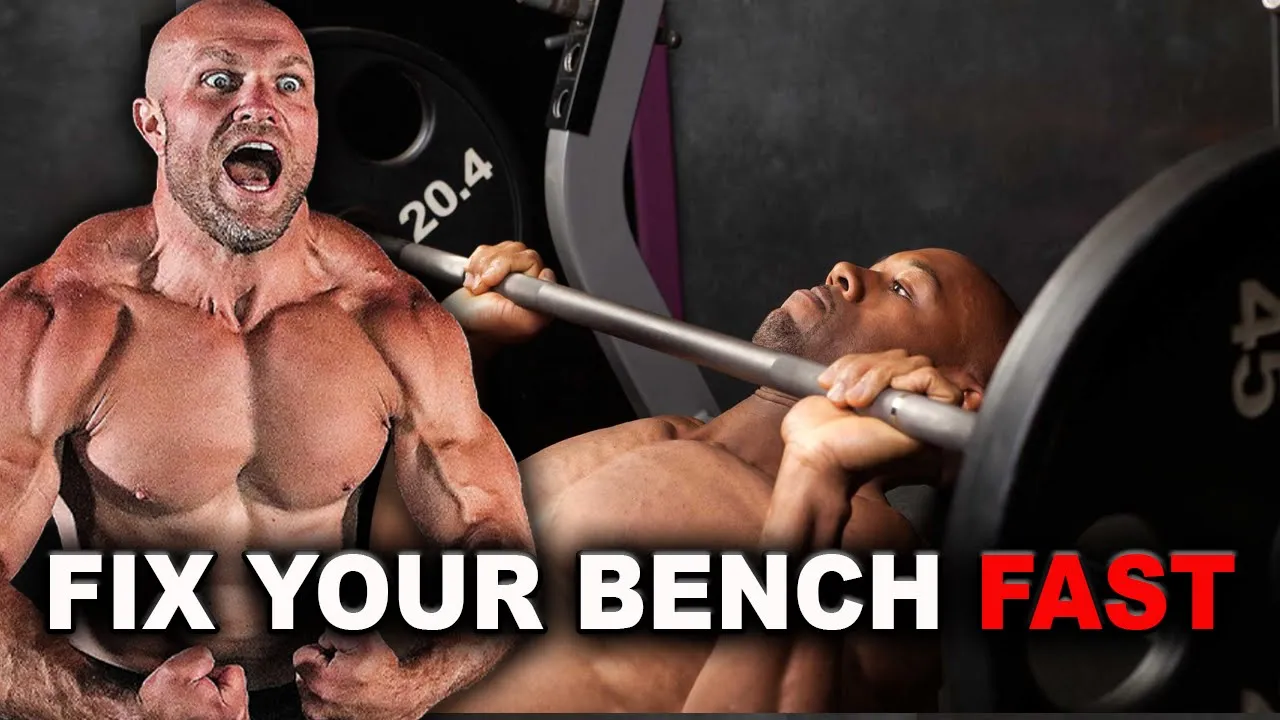
I'm going to give you the perfect blueprint for you to bench 225 for the first time and we're going to start right now the first time they benched 225 I remember this so vividly for me it was the end of 9th grade I was at Body Works I was 14 years old and I remember throwing on the two plates and just absolutely being blown away that I could bench that because I had come up through this gym and I had seen these big huge hoses just repping 225 like it was no big deal and it
becomes a pivotal point in a lot of Our Lives when we achieve these big Milestones when we hit 225 or 315 or 405 and I think that it it deserves respect because we're putting in that time we're putting in the effort and the big thing that's so awesome about lifting weights is that you put in this effort and you start to see the results you start to feel good you start to feel strong and you start to achieve these goals and that's the big factor here is that we can see the achievement in real life
okay you can start to feel the change you can start to see it on the plates you can start to you know notice it when you're taking other weights off the rack so I absolutely love that fact and the big thing I want to start off with is doing assessments we will do assessments here at garage Frank we'll test athletes every 12 weeks okay every 12 to 16 weeks and the other thing that we like to do even on a bi-weekly Point like we're in a high volume phase what can they hit for set of
five okay and then in the back of our minds we know based off of that what that five rep max on a specific lift let's say in bench press in this case what is that going to transfer to uh a single and then if we're even doing exercises like a dumbbell bench and they hit a dumbbell bench for a certain amount of reps with a certain amount of weight we can play the game based off of the information that we've had how does this transfer to the flat bench when we're doing a single okay so
we like to use these assessments and we like to use them the same way that I personally got pulled through the lifting culture which was we can use these assessments to get a kid to have a 45 on the bar to then have two 45s to then have two 45s and a 25 to then have three 45s so we use these assessments to pull people through to pull them through and to give them the number of reps to help hold them accountable and that's what we're trying to provide with you guys here so let's start
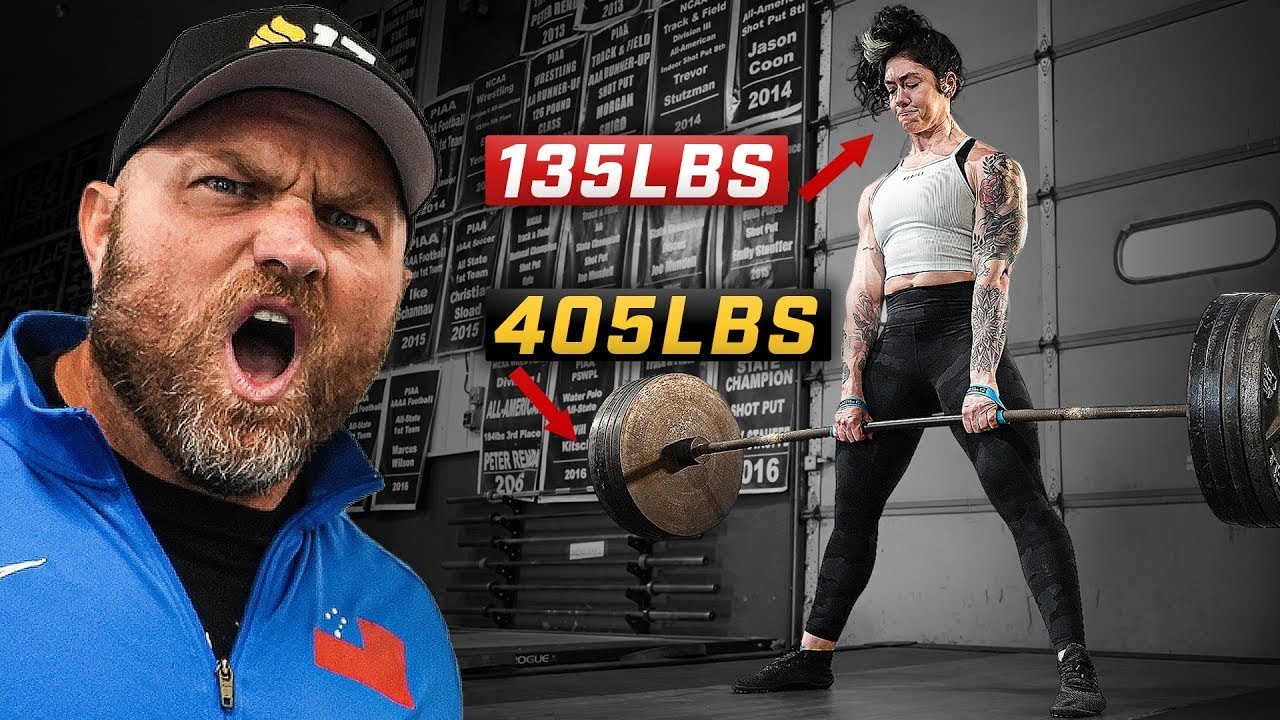
off with right away we have a specific formula with this age and with this group and then most athletes that we train between 12 and 14 can bench press around 135 lbs so let's say that an athlete benches about 135 lbs when they come and they train with us we want to get them to have 70 reps a week on the bench press and the reason being is that we know that for every 168 reps based off of all the assessments that we've done with athletes based off the time in the gym based off of
the reps and sets on the bench on the incline all these things factored in we've seen that for every 168 reps athletes on average will gain 10 lbs so again this is based around data from a massive amount of people who are inside of the gym so we sit there and we look at it and say okay out of these 10 kids on average they increased 50 lbs during this time frame during this time frame we've seen this many reps done so on average this is poundage gained per reps okay so that's where this stems
from so I know a lot of people are going to comment down below and they're going to be so triggered by this statement that we just provided you with a formula but it's based around this and it's a guide It's a guideline for you to stop making excuses and for you to get in the gym so we know that for going from 135 lb to 225 this is typically between ages 12 and 15 if you haven't benched 225 or even if you have and you want to try and bench 315 or 405 make sure you
head over to Peak strength. the Google Play store or the Apple iOS store you can download Peak strength we use this training we use these ratios and these equations to build out our internal algorithm to help you guys bench an absolute house and we use this for all of our other lifts our cleans our snatches our front squats or back squats everything that we've used to get multiple athletes to the Olympics to the NFL and even into that power four level now let's get back to the video on how to bench that 225 let's say
you're 35 years old follow this follow this rep rate try to get 70 reps a week inside the gym on the bench this is a lot but remember volume owns okay volume owns and if you can lift upper body twice a week bench twice a week do it a lot of people say that's too much dude I used to bench three days a week growing up don't care bench twice a week do that and get 70 reps on the bench in a week so that means Session One you get 35 session two you get 35
it's not even that hard okay let's say you do five sets of four and then you do two drop sets of seven right there you're basically got it okay six sets of four if you feel better about it okay so now we're looking at that we're understanding that to get a 10 lb increase we need to get 168 reps in okay so now when we get 168 reps in or now we start to see the timeline now that comes into play so then we can start to look at to get an athlete let's say to
get an individual who hasn't benched even 135 okay let's pretend you're 30 years old you've never been in the gym we understand that within 4 months you're going to be able to hit 1,680 reps okay so if you're doing 70 reps a week you're coming in a gym you're lifting uh twice a week with the upper body you're going to be able to get 1,680 reps every single week so that's going to get us to that 135 point now to get to that 225 point we need more reps there's more weight that we have to
get to so between most kids that come in between 13 and 15 here at garage strength we can look at their parents and we can say Hey you want your athlete to achieve this you want your kid uh you know to go D1 and and we can say hey we've had these D1 football players and when they went to Penn State they could bench 405 in high school or whatever it is we need to get to 225 before they're at the end of 8th grade before we get into even nth grade or maybe even in
nth grade so then we can look at it and say okay based off of our rep scheme we need to get a rep rate of 70 reps per week we need them to show up four days a week so that we can get this done and then over 6 months we're going to be able to get 1,512 reps if we get 1, 1512 reps done now during those 6 months we can go from 135 to 225 so that's a big factor we now provided that solution 2 days a week 35 reps each day and then
push that for 6 months and you'll get 1,512 reps now the big factor here is it holds people accountable a lot of people who haven't benched 225 often times say you know they'll train hard for 3 months or they'll fall off they'll train hard for 3 weeks and then they'll fall off they'll train hard for four weeks and then they fall off and they'll take off a week or two and then they've lost a lot of those gains understand the rep rates 70 reps per week train bench twice a week understand for every 10 lbs
you're going to gain you're going to need 168 reps so to bench from 135 to 225 you need 1, 1512 reps that's going to take you about 6 months and so this is where we have to look at and say okay what upper body pressing movements should we be doing cuz often times the biggest mistake that I see happening with younger athletes is they're doing too many different exercises so we really only need to keep our pressing movements to three exercises outside of push-ups we should be doing push-ups every single day we should be doing
clap push-ups all the time every single day 50 a day till you bench 315 this is one of our most successful shorts ever that we put on YouTube and you guys still troll me about this but you're wrong if you do clap push-ups every day 50 a night you'll get absolutely yolked until you get to about 3:15 to 350 on the bench now let's go back to it incline bench that's the first one that's the first one that you should be doing as a pressing movement with your upper body dips that's the second one okay
so now we're hitting from two angles dips and incline bench those are the first two that you should bring in a lot of people cry about dips they'll say they don't like it I recommend getting a v bar dips are absolutely fantastic they get your triceps stupid strong incline bench will get your shoulders and your pecs stupid strong and then finally dumbbell bench that's the third press so if we're trying to get our bench press to 225 we should only bench press we should only incline bench we should only dumbbell bench we should only do
dips and we should only do clap push-ups those are it that's it that's all you get to choose from we have to look at the back the upper back the the lats everything when we're training we should only be using pull-ups we should only be using external rotations just for some shoulder health and then lap pull Downs those are it external rotations lap pull downs and pull-ups that's it don't use any more pull-ups okay so now these are some big factors cuz I'm going to give you some trigger sets to hit that 225 when we're
looking at those lifts okay these are called trigger sets so what I like to do in training is I'll take an incline bench and I'll say okay what set of five do we need to hit and when they hit that set of five it should be a trigger it's like a light bulb goes off now their body's going to be able to bench 225 okay so if I have a kid who's in seventh grade or 8th grade and they do the incline bench for a set of five at like 155 they're probably really close to
Flat benching 225 okay if they get on the incline bench and they do 135 for a set of 10 they're probably freaking close if they can incline bench 190 lbs for a single they're probably really close to hitting that flat bench at 225 so those are three trigger sets those are three rep ranges equated to a weight that will help you on the variation of the bench okay the incline bench is the variation of the flat bench now when we get to the dumbbell bench if we have an athlete who can do a five rep
max okay so they do five reps with the 85s they're probably really close to benching 225 if not already benching 225 if they do 10 reps with 75lb dumbbells they're probably really close if not past that point of actually achieving that 225lb bench and then when we look at that we can work towards that like Hey Little Johnny when you bench the 70s for 10 were really close to being able to bench 225 hey little Johnny when you get 75s for 8 to 10 that's going to get us close to that 225 and then we
can play that game look hold yourself more accountable look show up look stop making excuses look stop playing Zelda breath of the wild so that you're actually focused on training a little bit more so if we take the dips for an example now this is the last part of the trigger is if we take these dips we need to subtract the body weight from the total amount of weight to be able to get the weight that they should be having on the belt so if we're looking at benching 225 is here they need a total
of 260 lb for a single on their dips okay so we take that 260 we subtract the body weight and then that's the weights that we should have on the belt so if an athlete is able to do 225 total pounds so if they weigh 125 they would have another 100 on there if they could do that for three reps they will bench 225 okay if they can take you know a the five rapper with 205 to 210 lbs total okay total this includes their body weight they will do this and they will hit a
225lb bench press and the cool Factor here is that typically what we see when we have athletes that hit big dips when they hit big incline benches when they hit big dumbbell benches like a big one here when you first hit let's say hundreds on dumbbell bench for a set of 10 that's pretty much putting you in that 300 lb bench press spot so now we have these trigger sets that athletes use uh that our coaches use we have these formulas and these equations they know how many reps they need to get approximately on a
weekly basis over a time continuum of 6 months or 12 months based off of where their bench is they look at these trigger sets and they also have goals there now it's easier to hold these athletes more accountable it's easier for you guys to be held more accountable and we can communicate and help you improve to become a champion so use these equations use these to improve your training get into Peak strength because remember freaks if you want to become a champion you've always got to cultivate your power peace