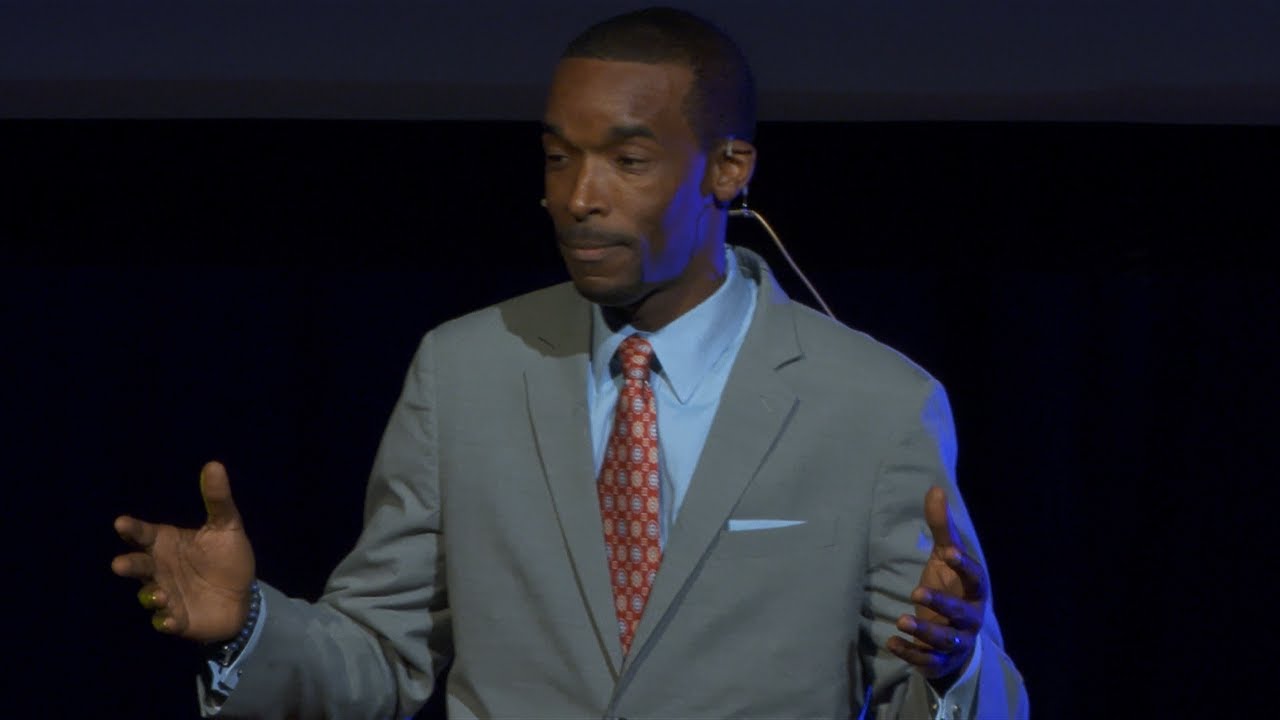
I grew up in Boston Massachusetts the youngest of eight children in every summer in the 1960s our parents were drivers from Boston to rural Alabama to visit extended family our mother prepared meals for the trip Our Father drove us in the 1956 Ford station wagon we would take travel breaks on the side of the road eat the food our mother prepared for us relieve ourselves behind the trees and the shrubs get back in the car and drive until our father got tired and then we sleep at a rest stop in the car all of us
all 10 of us it was great fun our father would start to drive again and while we were sleeping he would try to get some roads behind him and then each of us would begin to wake up and we would say are we there yet fast forward about 10 years I began to understand what my older brothers and sisters already knew the reason we traveled the way we did was not because we were poor it wasn't because our parents were in a rush we traveled the way we did because our parents were protecting their children
from the horror in the terror of legalized racial segregation and discrimination in the South known as Jim Crow laws you see at that time African-American people could not eat in the same restaurants as white people we couldn't use the same restrooms or sleep in the same hotels and if we did we could have been arrested and placed in jail fast forward another decade or so I became a young medical doctor working in previously racially segregated hospitals in the south and as I thought back to those trips I realized that our family traveling through those cities
and other families that look like us and lived there could have been denied or had limited access to health care in 1966 Dr Martin Luther King said of all forms of inequality and Justice and Health Care is the most shocking and the most inhumane yet half a century after he made that declaration we continued to face inequalities in health care I want to speak to you today about Health Equity about systems and structures that have created and perpetuate inequalities in health care and think about some solutions where all people can be as healthy as possible
the CDC defines Health Equity as where everyone is able to achieve their full health potential and no one is disadvantaged from achieving that full potential because of their social position in their socially determined circumstances as a nephrologist kidney specialist I see Health disparities on a daily basis African Americans Asian Americans and Hispanic Americans and Native Americans all have a greater incidence of kidney failure than do white individuals but the disparities from people of color does not end with kidney failure high blood pressure diabetes obesity covid-19 pneumonia heart disease stroke cancer of the prostate breast stomach
colon greater infant mortality rates in lower life expectancy but it's not just about disparities disparities equals loss of life in 1985 the U.S Secretary of Health and Human Services Margaret Heckler commissioned a report entitled black and minority health that report revealed that on an annual basis 59 000 black lives were being lost over 30 years later that number has increased over 74 000 lives so why do we have these disparities is it because of racial differences is it because of genetic predispositions it has nothing to do with either of those things the Human Genome Project
in the year 2000 mapped out DNA sequences of people throughout the globe across the world and it showed that from a DNA perspective we you meet all of us a 99.9 percent identical there is no race Gene we are all part of the human race Health Equity is not about biology it's really about sociology several years ago scientists and health experts began using the term social determinants of Health to suggest that 80 percent of our health outcomes is related to where we're born where we live where we work where we age our race the social
Concept in ethnicity 80 of our health outcomes are related to social influences now let's put this in a historical context health inequality has been embedded in American Life systemically and structurally through racial oppression and segregation of populations including the indigenous population to reservations the enslaved African population to plantations the Jim Crow Road South which I mentioned already in racialized urban communities social policies of the past and government policies of the past affect us today back in the 1930s after the Great Depression the federal housing Administration was formulated it was created to create generational wealth to
stimulate the economy to assure that homeowners will be able to be created through the federal government backing mortgages unfortunately discrimination tainted that whole program communities where people of color were located in particular African-Americans those communities were mapped out as red or D hazardous for repayment of loans based upon no evidence people in that Community because they were people of color couldn't leave and so they had to stay in those communities over the years those communities became decayed under-resourced and impoverished those communities previously redlined today are some of the poorest communities with the greatest disease burden
in poverty in America mapped out throughout the country when you think about previously Red Line communities think about Flint Michigan with lead in the water think about Jackson Mississippi with no water think about the Roxbury section of Boston where I grew up which has a 30-year life expectancy Gap lower than an adjacent community those communities previously Redline are communities that are food deserts with no grocery stores and food insecurity they're medical deserts with no Health Care whatsoever and there's a paradox in that large Health Systems non-profit institutions that make billions billions of dollars continue to
invest in communities with institutions in communities with the greatest life expectancy lowest infant mortality rate highest per capita income ignoring those communities of incredible need the iconic author James Baldwin said that history is not the past it's the present we carry it with us we are history when I think back to those trips from Boston to Alabama I am saddened to say that on the path to Health Equity that we are not there yet but we have made progress the Civil Rights Act of 1964 eliminated Jim Crow Medicare and Medicaid created the opportunity for senior
citizens in the disabled to import children to have access to health care the Affordable Care Act added 20 million individuals to Insurance roles in the American Rescue plan reduced childhood poverty by 50 percent we've made progress but there's so much more work that needs to be done I want to leave with you several ideas but how we can continue to impact Health outcomes number one in communities that are food deserts incentivize grocery stores and grocery chains to invest and do business there with tax incentives and tax credits number two large non-for-profit hospitals non-profit hospitals need
to be accountable to communities of need if they are going to call themselves non-profit institutions they need to do good for the public number three restore repair and reinvest in previously Red Line communities so we can interrupt that cycle of generational poverty which impacts health number four Universal Health Care Medicaid expansion it's really a no-brainer everyone many other countries do that and we certainly can do that number five racial Equity training so people know the why about how we got to where we are today with health and inequalities in health disparities you me we our
society we need to understand that it's our responsibility to correct the social injustices that have created health inequalities so that no matter where you're born live work or age no matter your race or ethnicity everyone deserves an opportunity to be as healthy as possible because it's not about biology it's about sociology in our society it's about us thank you [Applause]