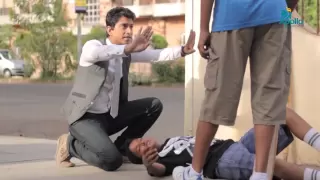
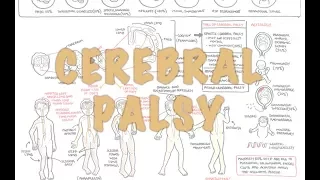
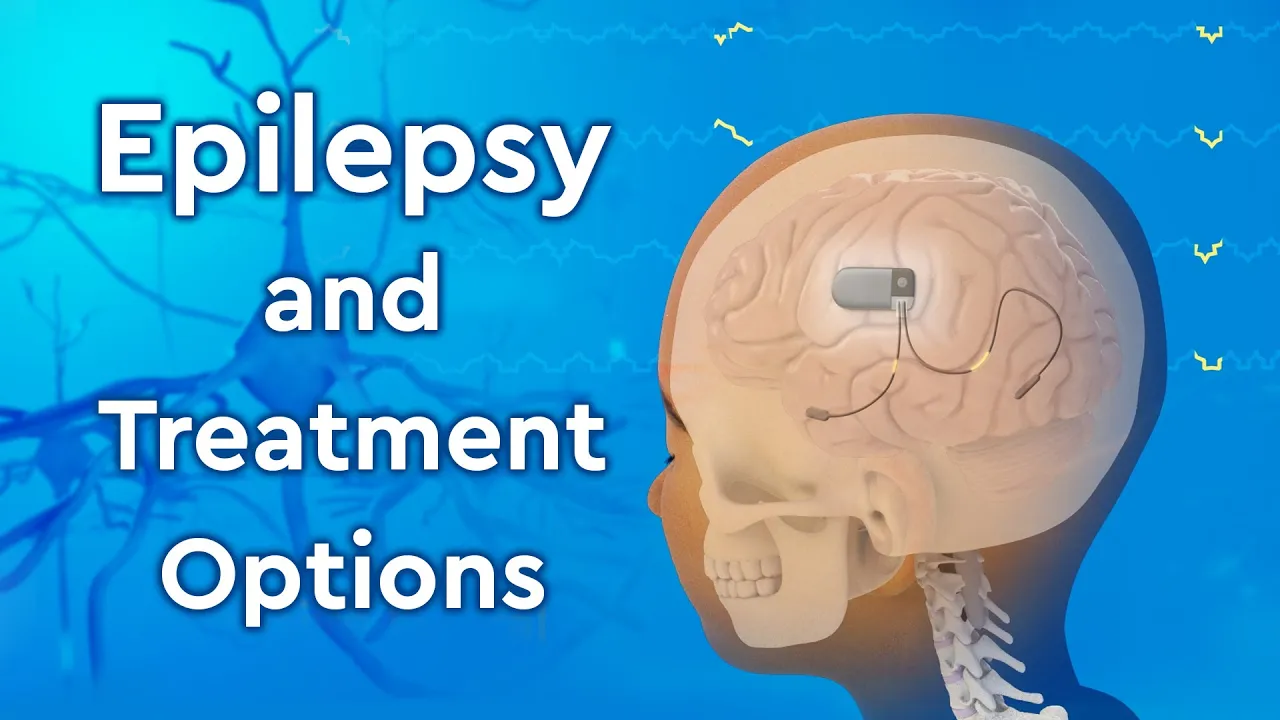
Epilepsy is the name of the chronic medical condition in which a child has repeated seizures. It's also called a seizure disorder. There are many types of epilepsy, ranging from benign to intense.
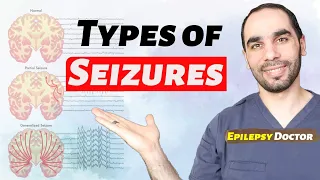
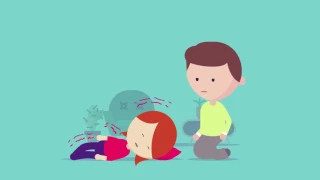
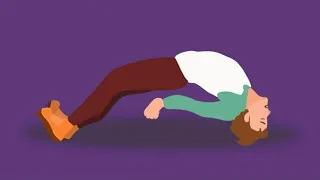
In a healthy brain, different groups of cells, called neurons, are all firing action potentials at different times. During a seizure, firing rates are increased and groups of neurons all fire at the same time, leading to large spikes in neural activity. This activity causes physical or behavioral changes, which range from intense full body shaking to mild staring and lip smacking.
Childrenís Hospital Colorado provides different types of treatment for epilepsy in children including traditional anticonvulsant medications, dietary therapies, access to ongoing drug studies, vagal nerve stimulation, and epilepsy surgery. Surgery is an option for children who have epilepsy that is very localized and difficult to treat. The epilepsy neurology team has several tests to determine whether epilepsy surgery is an option.
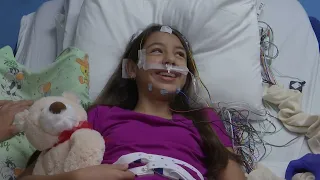
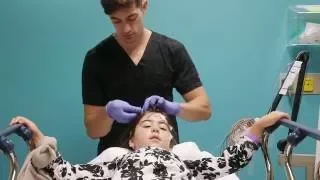
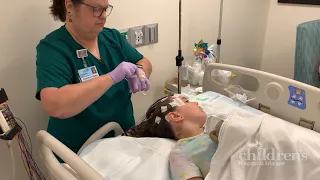
These tests include a prolonged video EEG done during a stay in the Epilepsy Monitoring Unit, MRI, and functional imaging such as PET scan, MEG scan, and others that can show areas of the brain that may be causing seizures. All this information will be discussed in a conference of several doctors who specialize in different areas of epilepsy and the team will make recommendations about what type of surgery should be considered. If all these non-invasive tests cannot fully localize seizure onset, a procedure known as stereo EEG can more clearly identify seizure onset.
In this procedure, thin wire electrodes are temporarily placed into the brain using a precise robotic guidance system. Different surgeries are available for different types of epilepsy. Open surgery to remove a lesion or even a full lobe of the brain is the most established and most common technique to stop seizures.
In some cases, a minimally invasive approach done with a laser fiber can treat small, localized lesions. An entire hemisphere of the brain can be disconnected if it is severely injured and causing seizures. For patients with seizures coming from broad areas of both sides of the brain, placement of a pacemaker-like Vagus Nerve Stimulator or disconnection of the Corpus callosum can reduce seizures.
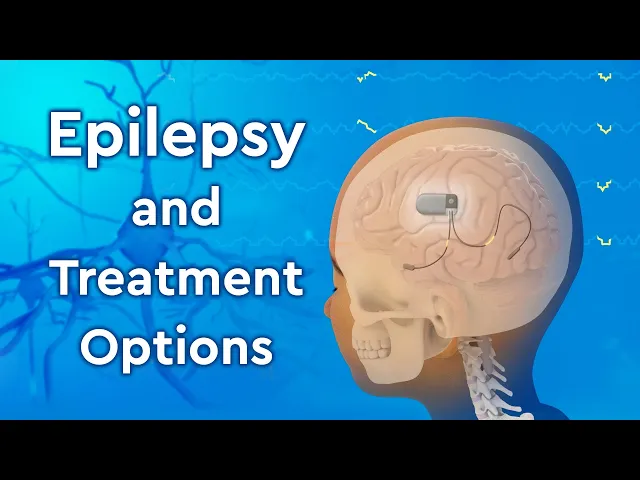
Placement of an intracranial stimulator, such as the Responsive Neural Stimulator or RNS, offers seizure relief for patients with seizures coming from critical brain areas. At Childrenís Colorado, we know every patient is an individual and that epilepsy has many causes and many treatments. Our team of experts will work together with you to offer the best epilepsy treatments for your unique child.
For more information about the Epilepsy Program, please contact us at 720-777-6895.