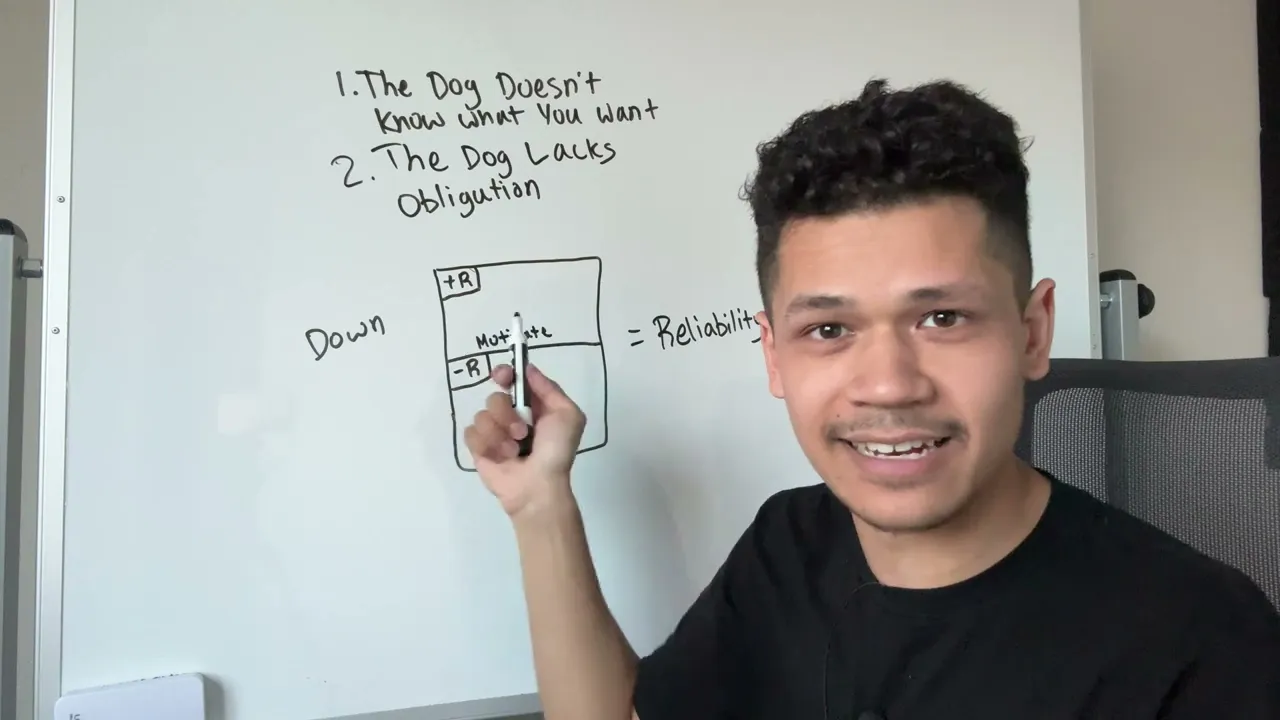
hey everyone miles the Hamilton dog training so in this video we're going to cover why your dog doesn't listen all right this is a very common problem a lot of people struggle with it they have a dog the dog listens in low distraction environment listens in your house but outside in public around dogs around real world distractions your dog doesn't listen to you they ignore you they pretend you don't even exist all of The Obedience goes out the window right so this causes a lot of people to feel sad upset frustrated with their dog this
is the reason a lot of people get training in the first place so in this video we're going to cover the common reasons why so the common problems and then we're also going to give you the solutions so if you watch this video and you pay attention at the end of it you'll know exactly why your dog doesn't listen and you'll know exactly what to do about it to solve that problem so the first reason why your dog doesn't listen or why they ignore you is because the dog doesn't know what you want okay and
this is going to blow some people's minds because I've seen a lot of people they are so convinced they were like my dog 100% knows how to down he 100% knows how to heal it's just around distractions he's choosing not to he's choosing not to I know he knows it so I say okay I want you to do a test I want you to stand in front of the dog no nothing in your hands no toys no food no anything put your hands in your pockets I want you to give the command down what do
they do give the command heal whatever the command is right what does your dog do a lot of dogs will fail that test the reason why is because the dog doesn't actually know the command and they the owners think they are certain the dog knows the command but they actually don't once they take that test right and it's like an immediate like realization of like oh like he actually doesn't know this and the reason for that is because the dog knows down he knows down he knows sit he knows heal right he knows all of
these things with the nonverbal Q attached but he doesn't just know the verbal you right and the reason this is important is because when you're out in public around distractions your dog isn't looking at you they're they're engaged with with the environment they're smelling around and you they hear the command down they don't know what that means and so they don't know what to do but they do know down you see the difference so if you take that test stand neutral in front of your dog give them the command what do they do do they
hit it or do they fail that will immedi immediately tell you if they know the command or not if your dog fails that test then here's what you need to do to fix it you need to teach them the verbal command so what you do is you give the command and then you have a 1 second pause and then you help them and then you mark an award just like that okay so run you through it you stand neutral in front of your dog neutral give the command down and then you help them with the
food lure with the leash pressure with the hand signal whatever you help them and then reward them with food or whatever your reward is okay so that's what you need to do command 1 second pause help them with food lure leash pressure hand signal then Mark an award the second they hit the position that you want okay that's the sequence the really important part is the 1 second pause okay there's got to be a 1 second pause because we are classically conditioning the behavior to the verbal Q so there has to be a pause between
the command and the help this is your non-verbal queue right there needs to be a gap between the verbal and the non-verbal verbal Comes First Command then help then marking reward all right everybody messes this up because they they do it at the same time they're like down Sit heal right and if you do those things all at the same time the dog will only pick up on the non-verbal Q because dogs are primarily non-verbal so if you want them to pick up on the verbal if the verbal has to come first and there has
to be a Gap a delay in between that's what the one second pause comes into play all right so once you do that you need to work this in a low distraction envir environment get your reps in get your reps in all right for like 3 minutes all right 3 minutes a day take some of your dogs food work this around the house work this in the backyard somewhere low distraction environment and just get the Reps in some dogs will pick this up on the second day some dogs will pick this up after the second
week all right so some dog it just requires reps at this point all right so get your reps in once you've got your reps in and you want to test your dog's understanding of the command then increase this pause here so increase it to like 4 seconds and see what your dog does down and just wait see what they do do they just stand there just staring at you I don't know what that means or do they boom pop into the down that will tell you a lot right if they just boom pop into the
down boom boom boom rewarding that behavior right jackpot that reward that so if they don't if they just stand there for the 4 seconds they're like I don't know what that means then what I will usually do is as long as you got your reps in as long before I will start using leash pressure to negatively reinforce the behavior right so for example down dog just stands there I don't know what that means then I'm going to grab the leash and I'm going to pull down once the dog gets down CH boom then I reward
with food okay so I negatively reinforce that and positively reinforce it down we'll talk about that in just a second okay but that's usually what I'll do if your dog is still failing to hit the position after you increase the the pause and after you've already gotten your reps in so that's what you need to do if your dog doesn't know what you want they don't know the command you need to REO you need to go back and teach the command Okay so that's your solution so here we're going to do the test with arrow
I'm going to stand neutral I'm going to give him the command and we'll see what he does he either knows it or he doesn't Arrow sit chip nice good boy Arrow down nice very nice very nice so it turns out Arrow actually knows the verbal sit and the verbal down I was actually surprised by this I didn't think he knew the downs but he does it turns out he was just acting like an idiot and now let's move on to the second reason why your dog ignores you or they ignore commands around distractions the second
possibility is the dog Lacks obligation right your dog lacks obligation your dog doesn't understand the concept of must you've never taught your dog that they must down you've never taught your dog that they must sit you've never taught your dog that they must heal or they must come you see you've never taught that to them before they've never seen that picture they've learned the command is optional they've learned they can listen when they feel like it and not listen when they feel like it okay probably because you never made them do the thing because you
didn't know how okay so if your dog lacks obligation they know what you exactly what you want they know all the commands and everything but they just don't do it they just choose not to do it here's how to solve the problem so when you are teaching a behavior any behavior in dog training you are using reinforcement okay you are using reinforcement reinforcement is just something that increases the frequency of a behavior so if you're teaching something new like you're teaching your dog to down you're teaching them to come this is a behavior that you're
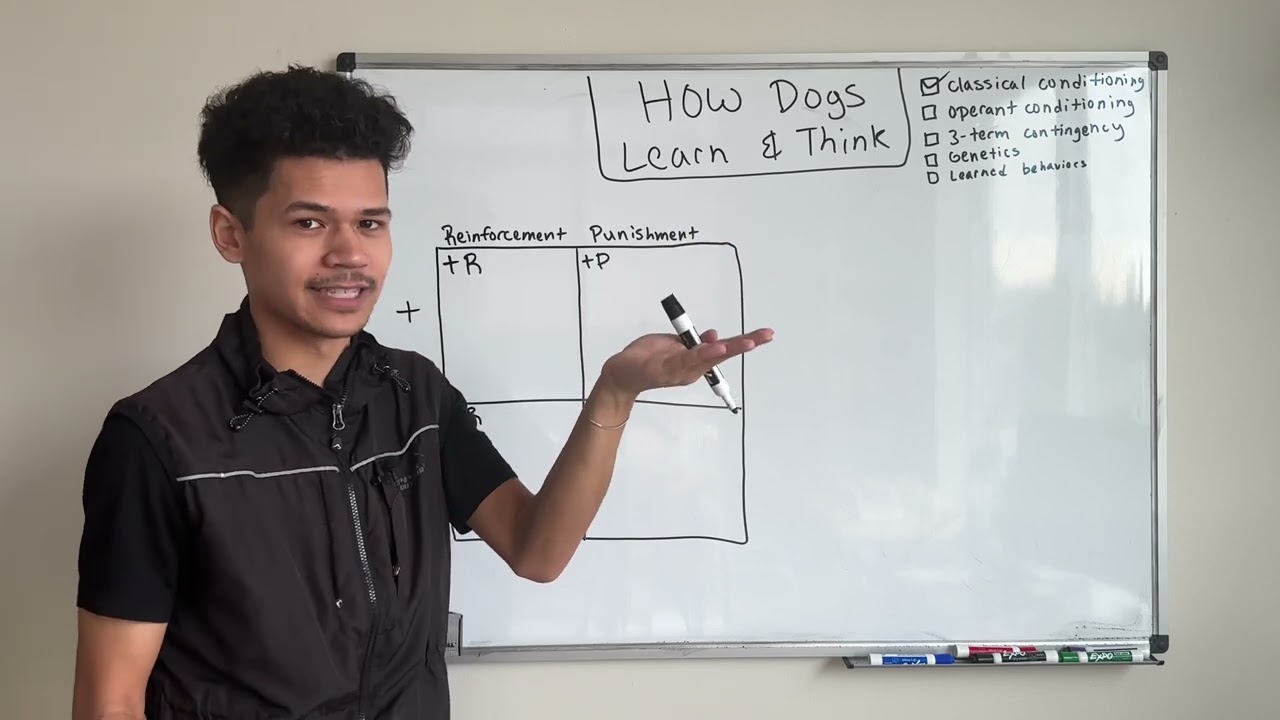
teaching you're using reinforcement you're using positive reinforcement or negative reinforcement or both positive reinforcement means you add something that increases the frequency that they repeat the behavior negative reinforcement means you remove something that increases the frequency of that behavior so let me give you an easy human example to help you understand this if I wanted you to wear your seat Bel when you drove I could positively reinforce this every time you got in the car and put on your seat belt I gave you a dollar okay not bad get in the car put on your
seat belt get a dollar get in the car put on a seat belt get a dollar okay not bad right you'll probably start wearing your seat Bel it'll probably increase the frequency of that behavior of you wearing the seat belt in the car now what if you decide I don't really feel like wearing the seat Bel or maybe you just get distracted you forget to wear your seat belt right or maybe you're doing something it completely skips your mind right or maybe it's a little uncomfortable you take it off midar ride well how can I
negatively reinforce Behavior well you take off your seat belt or you get in you start driving without it on ding ding ding ding ding ding ding ding oh what that's is so annoying clip it in gone I remove something the annoying ding to increase the frequency of you wearing your seat belt and so you see if you combine these two ah now you're now you're getting somewhere right you can kind of see where we we're going with this when you are teaching any Behavior to your dog whether it's sit down come heal whatever we use
both positive reinforcement and negative reinforcement this here is going to create reliability all right the positive reinforcement is going to motivate your dog to want to do the thing right the negative reinforcement is the it will obligate them to do the thing right so for example if you're teaching something like down all right I'll tell you how we train a behavior like down so we start out motivating the dog to hit the position using positive reinforcement so we usually start out if the dog is food motiv we'll start out with a food lure in our
hand food in our hand will lure the dog into a down start at the nose go to the toes once they hit the position reward them with food open up our hand reward them with food once they hit the position all right we don't say anything we haven't said the word down yet we are just showing them how to hit the position CH and then reward them with food right so we're building a lot of reinforcement in that down position a lot of positive reinforcement in that down position right the next thing we do once
the dog is super comfortable hitting the position and we can lure them into position no problem with the food we've built a lot of positive reinforcement there the next thing we do is we add leash pressure and we negatively reinforce the down so we make a little bit of downwards pressure on the leash dog doesn't isn't quite sure what to do with it and and then we come in with the food lure we lure them into the down once they hit the position CH and we release the leash pressure all at the same time so
what did we do we negatively reinforce the down with the leash pressure we made the leash pressure down once they get into the down the leash pressure goes away just like the seat belt so you see how we're thinking here we now have a way that can motivate them to down with the food we're building lots of positive reinforcement in the position then we also have a way to negatively reinforce the down right in the beginning we just showed them we just teach them how to get the down when they feel the leash pressure right
we pull down on the leash the dog hits the down CH reward them with food pull down to the leash dog hits the down CH reward them with food so we're using both negative reinforcement and positive reinforcement to teach the down so here I actually want to show you guys what it looks like to teach pressure to positions so basically all we do is we make sure first off the dog can get there with just the food lure and the help and all that sort of thing and then what we do is we make the
pressure and then we help the dog out as necessary and we don't release the pressure until the dog hits the desired position so let me go ahead and show you what that looks like for the down because the Downs can be tricky pressure pressure I'm going to hold it I'm going to hold it I'm going to hold it it going to hold it once he bends his elbows yes good boy very nice all right so I kind of forced it down there which is okay the important thing is you saw how he got a little
stressed out right cuz he wasn't sure how to deal with that stress of the pressure going down the really important thing guys is I didn't release the pressure until he got in the down right because if I release the pressure when he's kind of throwing a fit and you know he he found the position but some dogs will really like kind of fight it and all of that if you release the pressure when they're fighting it guess what the dog learned oh when you feel pressure down the solution is to fight it and freak out
and act like an idiot right that's how you turn off the pressure and you don't want the dog to learn that right so whenever they're doing that you just calmly maintain the pressure got to stay calm all right and then you notice right when he got into the down I immediately released the pressure gave him a praise I marked and rewarded that and I've been heavily reinforcing that all right so it's that simple so we're going to go ahead and do it again we're going to break it up a little bit do it again and
then we'll see how much he learned from that rep okay good job buddy nice job CH nice nice place good okay chip good boy good job buddy please nice okay CH yes good job all right guys you see that he's learning how to turn off the pressure in a productive way learning how to cope with that stress right and he's going to learn like oh when I feel that pressure like it's not a bad thing like it doesn't mean freak out and like oh my God right he's just going to learn okay when I feel
that pressure down all I have to do is get in the down and boom I get the reward that's it all right that's it okay nice job buddy nice job buddy sit CH yeah man that's what nice work please nice okay now I can add the veral down CH nice man so I add the verbal first and then I make the pressure good okay sit CH good boy so there I made the verbal and then he didn't sit so I made the pressure then I marked an award and released the pressure Place good okay just
pressure chip yeah buddy very good very good nice work Arrow nice work when we are teaching the dog a behavior whether it's down whether it's sit whether it's heal whether it's calm right whatever the behavior is we always have a way to make them do it always and so throughout the training process when we say down down is literally the only possibility there is zero other possibility like when they hear the word down they are going to to be in a down it is impossible for them not to be in a down after they heard
that Command right they are either going to hit the position and obtain the positive reinforcement and we're going to reward them or praise them or whatever or we're going to negatively reinforce the down but either way they're going to be in a down and so guess what the dog over time they learn that okay when I hear a command it is not optional I must do it and that's the key that's the key is you work with both quadrants positive reinforcement and negative reinforcement the motivation and the obligation if you work in either if if
you work in just exclusively one or the other you're going to get not the best results right if you work just in negative reinforcement for example just when I say down you must down right when I say come you must come when I say heal you must heal you don't use food you don't use anything you don't use play you don't use toys you don't use any of that stuff right you just use negative reinforcements going to have a pretty flat dog like your dog will be probably pretty obedient they'll probably do what you want
but your dog isn't going to be happy doing The Obedience they're not going to be happy hitting the positions they're going to be excited to work with you like they're going to be very flat that's like very old school type training if you work only positive reinforcement everything's going to fall apart once you run into competing motivators CZ but if you have both if you have a dog who is motivated to work and you have a dog who understands the concept of must they must down when you tell them to down ah now you have
reliability now you have a dog that you can take anywhere and do anything with and the world really opens up for you guys so that's the second reason your dog ignores you if your dog is Falls in this quadrant here then you need to learn how to use negative reinforcement in the training you need to teach your dog how to down Sit heal come using just leash pressure so now that we've taught Arrow pressure to position in the training and he knows the verbals he knows the pressure and all that now we can start giving
him the command out on walks itself and we can enforce the command we can negatively reinforce the command if he doesn't listen so now if we tell him to sit and he decides H I'm too busy I'm looking at everything else in the environment all we have to do is pull up good and then release the pressure right okay or if we tell him to do n and he doesn't all we have to do is pull down good boy good job right and then he hits the position okay so now we have a way to
make him sit to make him down when he feels like he doesn't want to and that's really important because Arrow's going to learn throughout the training that every time we say sit he must sit it's the only possibility every time we say down Downing is the only possibility it's literally the only thing that can happen after he hears that Command right cuz we reinforce it negatively and positively down good good down good down down good nice job buddy very good job man okay the level of negative reinforcement that you use to get the dog in
position is all dependent on the competing motivator depending on the distraction levels of the environment right so on your regular neighborhood walk you'll probably have to use less pressure than something like a new busy Park that the dog has never been to right so keep all of that in mind learn to adjust the level of pressure you're using until you get the dog in position keep in mind guys that the advice I'm giving here on YouTube is meant to be very general advice to be helpful to a broad range of people who just happen to
stumble upon the video but if you want an actual step-by-step training plan where we show you exactly what to do in what order and you get personalized feedback directly from me throughout the process then check out our online training program it's the first link in the description cuz that's where I can help you out even further and give you that personalized feedback so anyways guys I hope this helps if you have dog who ignores you or ignores commands around distractions hopefully now you can unlock that next level in your obedience so I hope this helps
![How I train reactive dogs to IGNORE other dogs [FULL REACTIVITY SESSION]](https://img.youtube.com/vi/jdWysYtU7HY/maxresdefault.jpg)