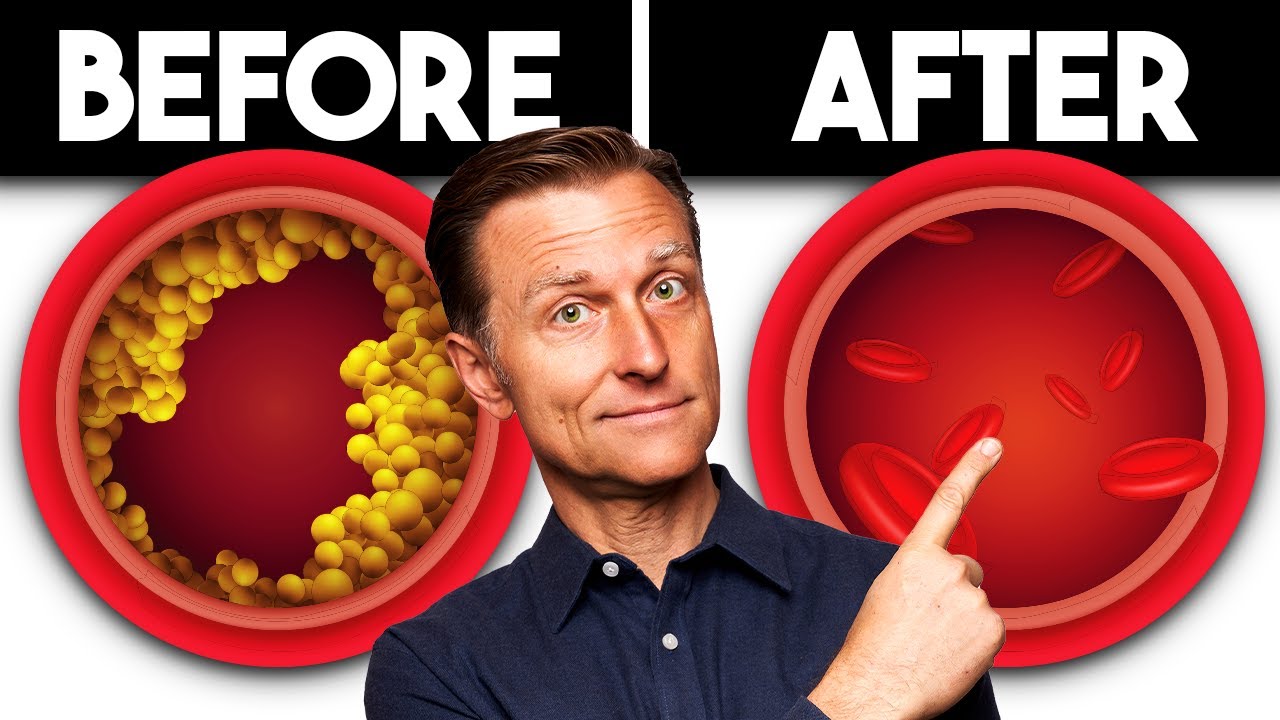
hi there viewers alarmingly nearly 94 million us adults aged 20 or older have borderline high cholesterol the waxy substance known as cholesterol which may be found in your blood is an essential component in the process of constructing healthy cells while essential for various bodily functions excessive cholesterol levels may be a silent harbinger of severe health risks this staggering figure underlines the importance of maintaining B balanced cholesterol levels when cholesterol levels tip the scale they pave the way for fatty deposits in your blood vessels these deposits grow making it difficult for enough blood to flow through
your arteries potentially leading to heart attacks or Strokes however we contribute to an increase in the level of cholesterol by consuming certain foods that are high in fat in today's video we've explored 10 foods that are highly dangerous for our health to their enormous cholesterol built always consult a dietitian or a healthc care advisor before making any changes to your diet one red meat if you are a fan of red meat then you might have exposed yourself to a higher level of cholesterol red meat particularly when consumed in large quantities May contribute to an increase
in cholesterol levels due to its high content of saturated fats the saturated fats present in the meat are digested in the stomach and intestines since the majority of these fats are not water soluble lipoprotein molecules transport them in the blood to the liver this organ synthesizes cholesterol when the bad cholesterol level rises it may accumulate in the walls of the arteries over time this leads to the formation of plaque a thick hard deposit that may narrow the arteries increas ining the risk of cardiovascular events such as heart attacks and strokes in a comprehensive study involving
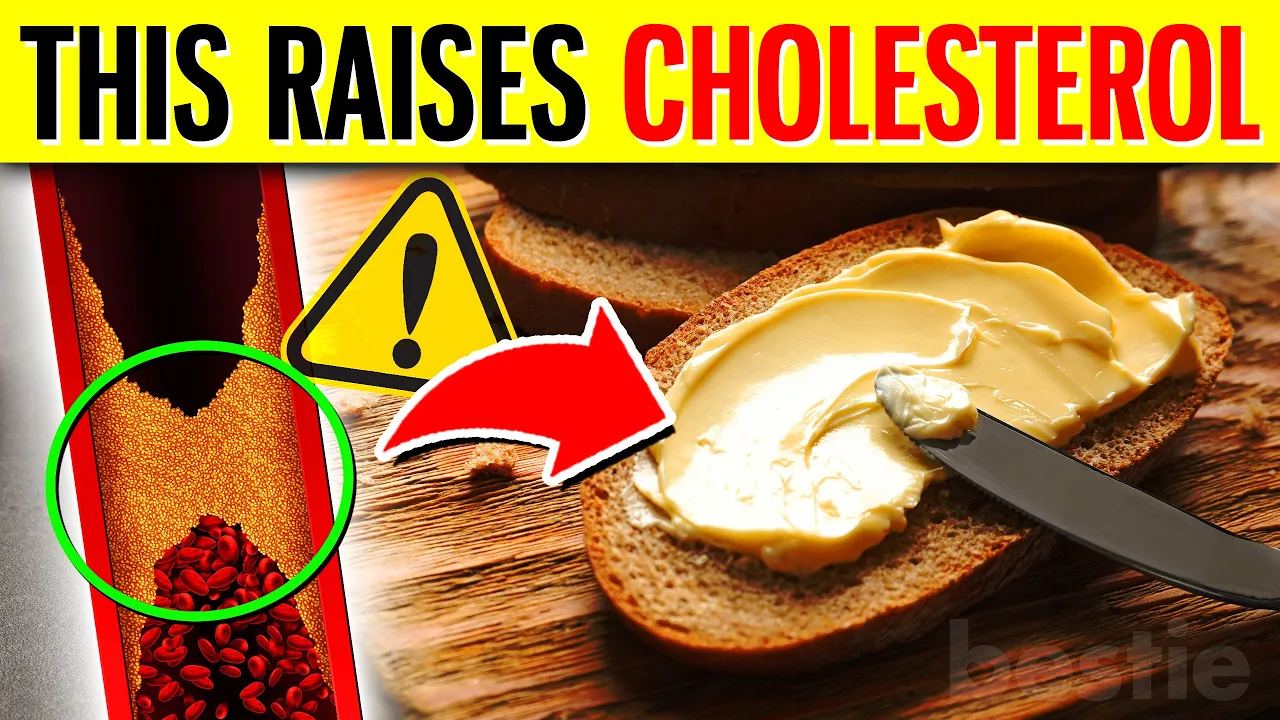
around 20,000 participants the impact of red meat consumption on dyslipidemia was thoroughly examined the study found a significant association between higher red meat consumption and increased risks of hyper cholesterolemia which was about 34% for this reason individuals ought to be mindful of the amount of red meat they consume in order to improve their health two butter butter is rich in saturated fats which are known to influence the body's cholesterol levels unlike unsaturated fats found in plant-based oils saturated fats are more likely to raise blood cholesterol levels when you consume butter such fats are digested and
absorbed into your bloodstream the absorbed saturated fats reach the liver where they significantly influence cholesterol production the liver uses these fats to produce more low density lipoprotein cholesterol often referred to as bad cholesterol LDL cholesterol is responsible for transporting cholesterol to various parts of the body however when its levels in the blood are high it may lead to health issues in a study involving 47 healthy individuals the effects of substituting a part of their habitual diet with butter or refined olive oil were analyzed the study which included a 14-day run in Period of Habitual diet
primarily involved 70% of women with an average age of 40 years results indicated that butter intakes significantly increased total and LDL cholesterol levels more than Olive Oil however it also raises HDL cholesterol compared to the habitual diet therefore while people with Hyper cholesterolemia should minimize butter consumption moderate intake may be acceptable for those with normal cholesterol levels three fried foods well if you love fried foods you might need to check your cholesterol level soon high temperatures used in frying may cause the oxidation of fats leading to the formation of harmful compounds that negatively impact cholesterol
levels and heart health this oxidation Pro process not only Alters the chemical structure of the fats but also creates substances like alahh highes and free radicals which contribute to inflammation and oxidative stress additionally when foods are fried they tend to absorb these altered fats increasing the overall intake of unhealthy saturated and trans fats this absorption exacerbates the intake of fats that are detrimental to Health in a large prospective study of about 15,000 participants the relationship between fried food intake and heart failure risk was examined those who consumed fried foods more frequently then once a week
had a higher risk of developing heart failure according to the findings of the study the risk increased by 24% for those who consumed them between 1 and three times per week a 28% increase for those individuals who consumed them between four and six times per week and on top of that by more than doubling the risk which is roughly equivalent to an increase of approximately 103% four processed Meats not only red meat but also processed meat such as sausages bacon and daily Meats contribute to increased cholesterol levels primarily due to their high content of saturated
fats and in some cases trans fats the liver then processes these fats and increases the production of LDL cholesterol furthermore processed Meats often contain high levels of dietary cholesterol which may also contribute to raised blood cholesterol levels the combination of high-saturated and trans fats along with dietary cholesterol makes processed Meats particularly impactful on cholesterol levels and cardiovascular health regular consumption of processed Meats May therefore significantly contribute to higher cholesterol levels and Associated health risks a review study showed that processed Meats which include added sodium and preservatives show a higher risk of coronary heart disease with
a 42% increase in Risk per 50 g consumed compared to unprocessed Meats the high sodium content in processed Meats about four times higher than in unprocessed Meats accounts for much of this risk difference factors like hem iron and dietary cholesterol in these meats May contribute to these health risks these findings suggest suggest that processed red meat consumption is not ideal for heart and metabolic Health with a particular emphasis on reducing processed meat consumption for Better Health outcomes five whole fat dairy products dairy products have always been under scrutiny due to their potential contribution to the
increasing risk of cholesterol whole fat dairy products contain a high amount of saturated fat saturated fats are absorbed into the bloodstream and transported to the liver after that the liver makes use of these fats in order to produce additional cholesterol additionally many whole fat dairy products contain dietary cholesterol further adding to the body's cholesterol levels the combination of saturated fats and dietary cholesterol in whole fat dairy products makes them significant contributors to increased cholesterol levels particularly when consumed in large quantities however individual responses to dietary cholesterol vary with some people being more sensitive than others
for example in a study on men and women with metabolic syndrome a diet rich in full fat Dairy showed no effects on fasting lipid profile or blood pressure compared with diets Limited in dairy or rich in lowfat Dairy therefore dairy fat when consumed as part of complex Whole Foods does not adverse ly impact these classic cardiovascular risk factors six egg yolks egg yolks are known to potentially increase cholesterol levels due to their high content of dietary cholesterol however the extent to which dietary cholesterol from egg yolks raises blood cholesterol levels May Vary significantly among individuals
for some the impact is minimal while for others particularly those who are more sensitive to dietary cholesterol egg yolks may cause a noticeable increase in low density lipoprotein cholesterol often referred to as bad cholesterol moreover dietary cholesterol increases postprandial lipemia and potentiates the adverse effects of dietary saturated fat that's why it should be limited to less than 200 mg per day a single large egg York contains approximately 275 mg of cholesterol among participants who became diabetic during observation consumption of one egg a day doubled their cardiovascular risk compared with less than one egg a week
seven shellfish similar to egg yolks shellfish including shrimp lobster and crab are known to increase cholesterol levels due to their relatively high content of dietary cholesterol for those who are genetically predisposed to higher cholesterol eating shellfish may lead to an increase in blood cholesterol levels elevated LDL cholesterol is a concern because it may contribute to the increasing risk of heart disease and stroke however it's important to consider that shellfish also contain beneficial nutrients and are generally low in saturated fat which is a key factor in cholesterol levels therefore the impact of shellfish on cholesterol levels
may depend on the overall dietary pattern the quantity consumed and individual health factors in a study the impact of non-cholesterol marine steril found in mosan shellfish like oysters and clams on cholesterol absorption was investigated although there was no significant difference in total plasma cholesterol the ratio of hdl2 to hdl3 cholesterol was higher after the oyster clam diet this study suggests that the Marine sterols in shellfish like oysters and clams might reduced cholesterol absorption offering potential dietary benefits that's why eating shellfish in moderation is often recommended especially for individuals concerned about their cholesterol levels eight fast
food many fast food items are prepared with ingredients high and saturated and trans fats such as deep fried item processed meats and full fat dairy products fast food meals take to be high in calories High caloric intake may lead to weight gain and obesity which are risk factors for high cholesterol many fast foods are also high in sodium and sugar which may contribute to hypertension and inflammation exacerbating cardiovascular health issues related to high cholesterol fast food often lacks essential nutrients like fiber vitamins and minerals a diet low in fiber is particularly concerning for cholesterol management
as soluble fiber helps reduce the absorption of cholesterol in the bloodstream in a study of 200 University students over 3/4s regularly ate Shawarma a type of Mediterranean fast food at least once a week about 44% of these students had an increased body mass index and approximately 37% had elevated serum cholesterol levels the study found that frequent consumption of fast food and a higher BMI were strong indicators of high cholesterol specifically students who ate Shawarma more than three times a week were eight times more likely to have high cholesterol and obese students were 14 times more
at risk compared to those with a normal BMI additionally male students had twice the likelihood of having abnormal cholesterol levels than females nine margerine margarine may impact cholesterol levels and this effect largely depends on the type of fat used in its production traditionally many types of margarine were made using partially hydrogenated oils which are high in trans fats trans fats are known to increase bad cholesterol and decrease good cholesterol negatively affecting heart health trans fats contribute to inflammation a risk factor for heart disease and may damage the lining of the blood vessels which is known
as endothelial dysfunction this damage makes it easier for plakes to form and worsen atherosclerosis according to many studies dietary trans fatty acids at sufficiently high levels have been found to increase low density lipoprotein cholesterol and decrease high density lipoprotein cholesterol it is easy to measure these effects when trans fats make up at least 4% of a person's energy which raises LD cholesterol and 5 to 6% of a person's energy which lowers HDL cholesterol this is compared to diets that do not have much trans fat 10 partially hydrogenated oils partial hydrogenation reduces the levels of polyunsaturated
oils and also creates trans fats which promote heart disease palm oil and soybean oil may increase cholesterol levels primarily because of their High saturated fat content according to the findings of several studies the LDL cholesterol concentrations partially hydrogenated soybean and palm oils were significantly higher than those of soybean which had 12% and 14% respectively while vegetable oil is not as high in saturated fats as some animal fats it still contains a significant amount therefore it may contribute to increased cholesterol all levels especially when consumed in large quantities or as a major part of one's diet
what Lifestyle Changes should we practice to manage cholesterol as we transition from understanding the foods that may increase cholesterol it's equally important to embrace lifestyle changes that may help manage it these changes are not just about restricting certain foods but about nurturing overall health one healthy EA eating a balanced diet is key focus on reducing saturated and trans fats found in foods like red meat and processed snacks and instead incorporate more fruits vegetables and whole grains these foods are rich in soluble fiber which helps reduce cholesterol absorption including heart healthy fats like those found in
fish and nuts may also positively impact your cholesterol levels two exercise regularly regular physical activity May significantly reduce cholesterol activities like brisk walking cycling or swimming for 30 minutes most days May raise HDL or good cholesterol and lower LDL or bad cholesterol consistency in exercise is more impactful than intensity three weight management maintaining a healthy weight is crucial even a small amount of weight loss may help lower cholesterol levels it's important to aim for gradual sustainable weight loss rather than quick fixes four quit smoking and limit alcohol smoking has a detrimental effect on HDL cholesterol
and excessive alcohol intake May raise cholesterol levels quitting smoking and moderating alcohol consumption may have a significant positive impact on your cholesterol levels and overall heart health five Stress Management chronic stress May indirectly affect cholesteral levels engaging in stress reducing activities like yoga meditation or even regular leisure activities may help maintain a balanced lifestyle six regular health checks keeping track of your cholesterol levels through regular Health checkups is essential this enables timely interventions and adjustments to your lifestyle or Diet as needed while our guide on the top 10 foods that increase cholesterol you must avoid
serves as a valuable resource for managing your diet it's important to remember that individual health needs may vary high cholesterol is a serious concern and what works for one person may not be suitable for another therefore Consulting with a healthc care professional is crucial they may provide personalized advice and monitoring ensuring that your dietary choices align with your unique Health requirements remember taking charge of your cholesterol levels is not just about avoiding certain foods it's about embracing a lifestyle that promotes overall well-being and Longevity now that we've discussed the many foods that may contribute to
an increased level of cholesterol let's dive into other topics of Interest interested in knowing more about tips and tricks to shed pounds easily let's keep the conversation going with a couple more weight loss related videos shall we watch 16 healthy foods that help you lose the most weight you may also try our video on 13 weight loss tips to get rid of your bloated belly fat go ahead click one or better yet watch both and learn more about weight loss and nutrition will you be avoiding these foods from now on let us know in the
comments below