the most remote land in Russia where husbands allow their wives to serve strangers all night renowned as the largest country in the world with an area exceeding 17 million square kilm Russia Harbor remote lands that few know about today our journey will take us to chokka the easternmost point of Russia brimming with fascinating Secrets waiting to be discovered President Putin once asserted the future of Russia lies here chotka not only possesses vast gold reserves but is also home to Unique tribes with distinct indigenous cultures most notably there is a custom where husbands allow their wives
to sleep with guests or rent out their wives to show Hospitality join me as we explore the 15 strangest facts about chukotka number 15 the custom of women sleeping with strangers Eskimo women in chukotka and Alaska are willing to sleep with strangers with their husband's consent as a sign of hospitality these women are tan skinned very strong and often the family Breadwinners all Eskimo men believe their women are the best which is why Eskimos rarely marry outside their ethnicity in Eskimo life relationships between men and women hold significant importance especially during the winter which lasts
up to 8 months the custom of women sleeping with strangers dating back to ancient times and still practiced today is not driven by lust but by harsh natural conditions women often bear many children though not all survive sharing wives with other men is not uncommon among esim historically Eskimos had a tradition of short-term wife rental when a man from One Tribe went hunting he had the right to take along a wife who had been introduced to him during the hunt the Eskimo woman would fulfill domestic duties and passionately meet the needs of the man who
rented her among Eskimos sharing wives is considered a sign of respect they wish to share their most wonderful women to bring happiness to others if the other man refuses it is seen as a sign of disrespect towards the husband and his family widows are even more encouraged to sleep with strangers if they become pregnant after sleeping with a guest the entire Village celebrates this unusual practice stems from the natural issues of a closed community children born from incestuous relationships often suffer health problems additionally due to harsh weather conditions raising a child to adulthood is extremely
challenging Eskimos have a relaxed attitude towards sexual relations women of all ages social statuses and appearances receive affection from many men the concept of virginity is non-existent a virgin woman simply means she hasn't yet been with a man Eskimos do not pry into others Private Affairs or gossip therefore the more children a woman Bears the greater the joy for everyone what do you think of this custom share your thoughts below number 14 refusing a guest is forbidden the chuki people have lived in the tundra since pre-christian times they call themselves loretti meaning honest people unlike
other indigenous groups in Siberia the chuki were not subdued by the Army in the 17th century it wasn't until the 1930s that they had to join state- managed economic collectives leading to significant changes in their lifestyle and culture the chuki known for their generosity and kindness live on the chukotka peninsula the least populated area of Russia in the 16th century nomadic tribes arrived in chukotka to herd reindeer living mainly on Barren Plains later the chuki turned to the Sea and went fishing visitors to this land in Autumn can participate in markets trading natural products seafood
and seaweed are brought ashore to be exchanged for fur coats sausages and vegetables from the mainland in chakota indigenous people make up only about 25% of the population the rest are newcomers who decided to stay due to the harsh climate and tough living conditions of the tundra community members rely on and help each other hospitality and generosity are highly valued traits among the chuki they must not refuse to help others even strangers in need of shelter or food the community cares for Orphans widows and the poor stinginess and selfishness are seen as the worst traits
in chuki culture refusing to help is taboo number 13 women are stronger than men body piercings are common in Chaka and among some Native American tribes in North America from ancient times women often Adorn themselves with piercings through their noses lips and even cheeks traditional Northern jewelry called lebret is made from animal bones and stone in 2016 archaeologist danila lenko found two small Stone cats in the timir region used as cheek and lip ornaments similar jewelry has been found in Kamchatka many visitors in the first half of the 20th century also mentioned the custom of
Eskimo women wearing hats made of Mammoth or warus fur Eskimos have lived for centuries under harsh conditions struggling daily for survival this has influenced their attitude towards women Asian and American Eskimo men always choose strong resilient women to marry thin and weak Eskimo women rarely have good marriages and often work on farms esimo stories and legends often feature strong women who can move sleds with one hand carry Spears and Hunt polar bears or walruses in Eskimo families women are taller and stronger than men this is normal since they do most of the heavy work while
the husbands hunt fish and trade what do you think about this share your thoughts about the women of Chaka belov number 12 the most remote place in Russia chotka the easternmost point of Russia is the most remote part of this vast country this land is full of fascinating things from massive gold mines to tribes that are both Fierce and friendly with unique cultural practices President Putin once stated the future of Russia lies here in chukua will certainly not disappoint you located in the far Northeast of of Russia chotka is an autonomous region with an area
of 737,00 KM and a population of just over 50,000 people chotka borders the Republic of Saka to the West Magano blast to the southwest and kamat kakay to the South notably locals can freely travel to Alaska without a Visa as it is only 86 km across the bearing straight most of Chaka is covered by a low Plateau with an average height of 600 to 1,000 m the terrain is heavily dissected by Peaks and sharp Hills known as the land of the Tundras much of its area is permanently Frozen winter here lasts 10 months a year
turning the peninsula into an icy World however the short summer in chukotka is vibrant with diverse vegetation and rare animals chotka also boasts a rich system of rivers and lakes playing a crucial role in the locals lives chotka is home to many ethnic groups including Russians chuki even yukia and kak each group has its own cultural identity reflected in language clothing Cuisine and Customs visitors to chakka will have the opportunity to experience the unique cultures of the indigenous peoples participate in traditional festivals and enjoy local Delicacies with its pristine Beauty vast potential and unique culture
chotka promises to become an attractive destination for both domestic and international tourists come to chotka to discover fascinating things and experience Unforgettable moments number 11 tattoos as talismans today it is rare to see an Eskimo in chakka with tattoos but about 50 to 70 years ago facial and body tattoos were highly valued among Northern women Anthropologist Sergey rudenko described this fascinating phenomenon in his scientific work Asian Eskimo tattoos according to him in 1945 most women of this ethnic group had tattoos which made them very attractive to men rudenko noted that tattoos were not only created
on the body but also on the faces of women Eskimos would tattoo their chins cheeks and the corners of their mouths tattoos were given to girls before marriage and it was difficult for women to find a good partner without them the tattoos were made using a special technique where a thread was rubbed with soot and then Pulled Under the Skin this method was painful but the women endured it for the sake of beauty and family happiness Eskimo women in chotka typically had striped tattoos on their chins foreheads and cheeks they also tattooed lines on their
hands and arms sometimes besides the lines there were more complex patterns such as ovals v-shapes resembling whale tailes and Trident today in some areas of Chaka and Alaska tattoos are still seen mainly on older women modern Eskimo Girls no longer follow these ancient Traditions if they do get tattoos they prefer popular designs that appeal to young people worldwide number 10 sparse population often described as the land's end chotka is characterized by harsh climate rugged terrain and sparse population however beneath its permafrost lies enormous gold reserves and many valuable mineral resources attracting investors and tourists forests
in chotka are sparse mainly consisting of small Birches and coniferous trees the vegetation is typical Tundra with mosses lyans and shrubs like blueberries the symbolic flower of chotka is the lingonberry flower chota's climate is influenced by two oceans with complex atmospheric circulation the region experiences many sunless days and the highest number of storms in Russia the first people to arrive in chotka were paleo Siberian hunters from Central and East Asia chotka is home to many indigenous peoples such as the chochi even yukia kiak andelman the area underwent collectivization and resettlement during the Soviet era choka
also has potential for developing ecotourism and Adventure tourism for example Roman Abramovich a Russian oligarch and former governor of chukotka from 2001 to 2001 to 2008 invested billions of dollars in infrastructure education and housing boosting the local economy moreover choka has the lowest population density in Russia with only 0.03 people per square kilometer it is home to many rare Wildlife species such as polar bears reindeer arctic foxes and seals chotka hosts many unique traditional festivals of the indigenous peoples number nine enormous gold reserves chakka is emerging as an attractive destination for Global mining companies due
to its enormous gold reserves buried beneath the permafrost it is estimated that this region holds gold worth trillions of dollars drawing the attention of investors from around the world dubbed the gold belt of Russia chukat is predicted to have up to 2,000 tons of gold reserves the region boasts several large gold mines including the kall mine which is the third largest gold mine in Russia with reserves of about 4,500 tons geologists believe that many undiscovered gold deposits remain in chukotka promising significant future mining potential the Russian government has implemented favorable legislation to facilitate mining investments
in chotka infrastructure is being improved including roads sea ports and airports making gold or Transportation more efficient with global gold prices at high levels gold mining has become economically attractive several major mining companies are operating in chakota including Kinross Gold polyus gold and Highland gold mining the Russian government aims to make choka the world's largest gold mining Center within the next 10 years however there are challenges such as chaka's harsh weather conditions with long cold Winters that complicate mining operations the cost of transporting gold or out of the remote region is also High number eight
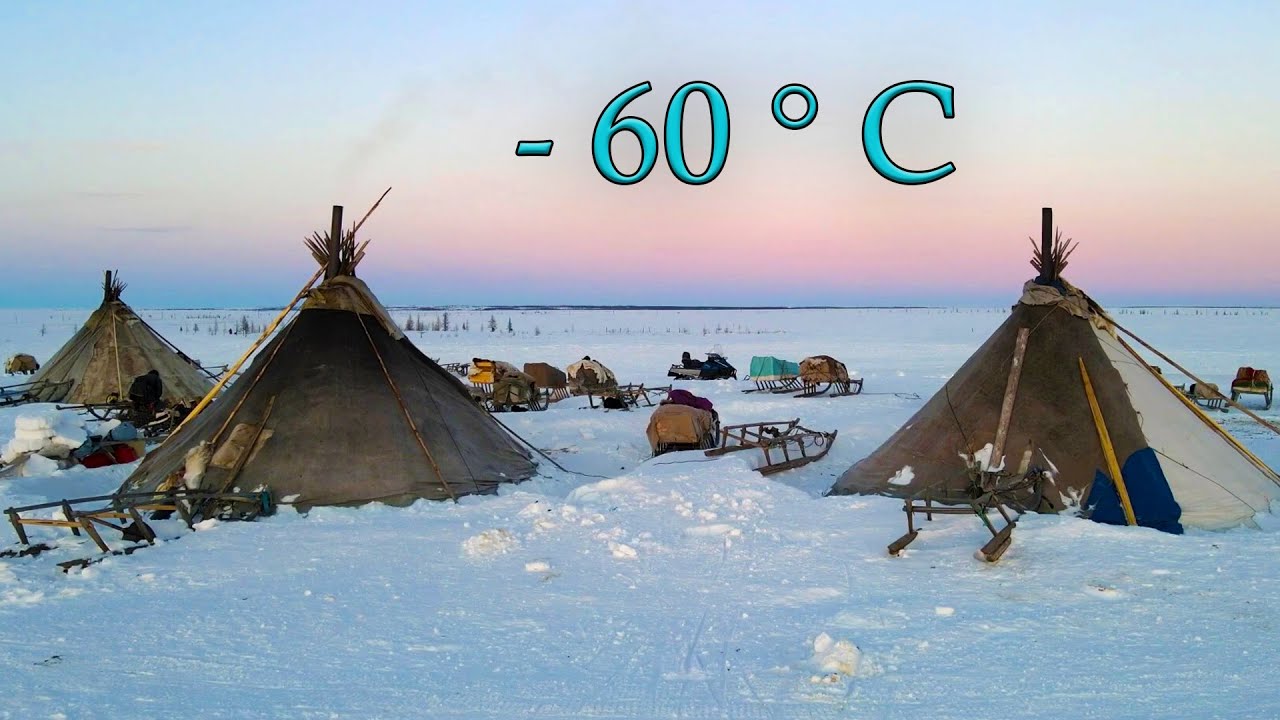
unique tent homes the traditional home of the reindeer hering ch chuki is the yaranga which is conical or round in shape inside the sleeping quarters are beds made from animal fur accommodating multiple people nowadays the chuki have gradually abandoned these tents in favor of one-story wooden houses and old apartment buildings traditionally the Chuy use dog sleds reindeer sleds and skin boats for transportation alongside these traditional methods they now also use motorboats and snowmobiles in the family men perform tasks such as Hunting Fishing and collecting firewood women are responsible for cleaning repairing the uranga tents cooking
sewing and mending clothes modern chuki children attend boarding schools for elementary and secondary education in addition to their traditional language they learn to read and write in Russian traditional chukchi clothing includes the kirka a kneelength cloak made from reindeer skin fox fur or wolf fur women also wear additional cloak like skirts decorated with beads embroidery and fur trim both genders wear high boots and leather undergarments chuchi people excel in folk art forms like carving and Engraving on animal bones traditional themes depict daily life scenes such as hunting reindeer herding and the animals of the peninsula
however only men engage in carving while women focus on sewing and embroidery the chuki believe that all living beings celestial bodies rivers and forests have their own Spirits they create folk tales about the creation of the Earth Moon Sun and stars some stories describe evil spirits causing illness and misfortune each year the tribe holds ceremonies where shamans communicate with spirits and predict the future additionally there are sacrificial rituals in the Summer and Autumn performed by Coastal chuki and reindeer herders respectively number seven the land ofus 50° can you believe that the chuki live daily in
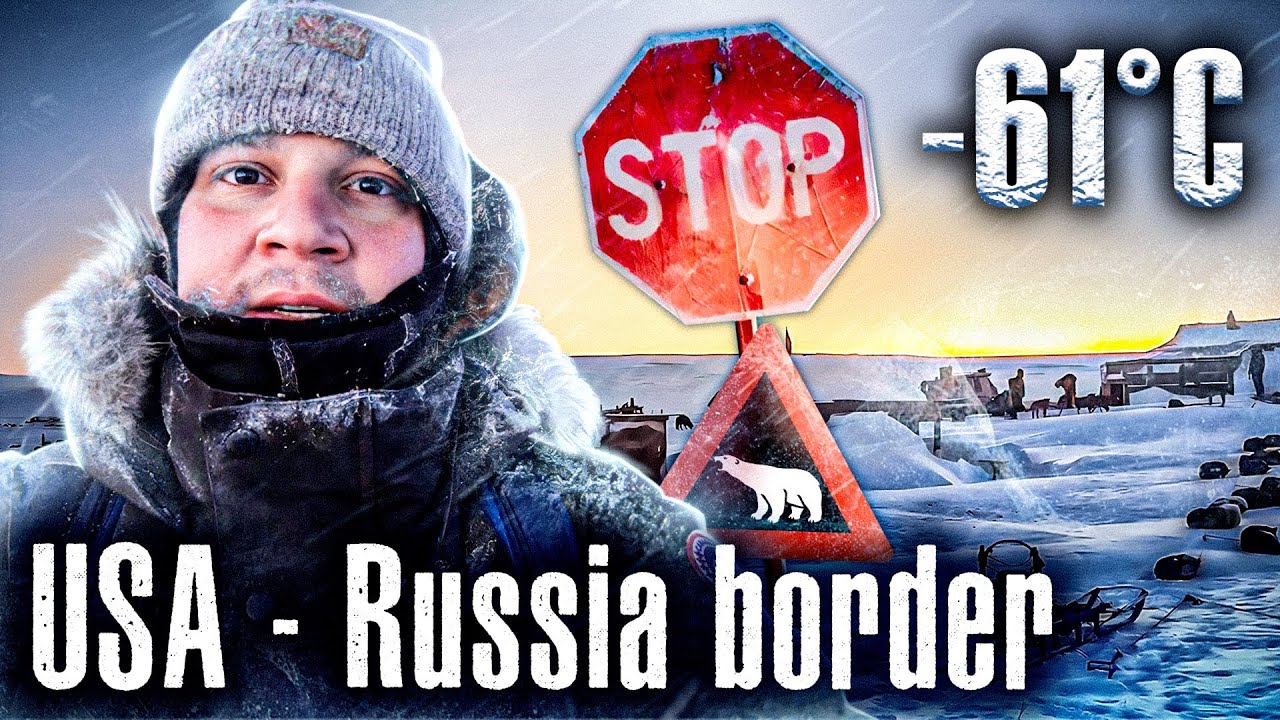
an extremely harsh land with temperatures dropping to minus 50° to reach anadir the administrative center of the chotka region one must fly a long distance of 6,400 km from Moscow almost no one visits in Winter because temperatures drop to 50 de shei the residents here call themselves true people in the deadly cold they are the friendliest people anyone who does not help the elderly orphans widows and the poor is shunned by the community unfortunately these true people do not live long with an average lifespan of just 45 years chotka residents prefer clothing made from natural
materials cotton turtlenecks wool sweaters fur hats and natural fur coats with long hoods but that's if we're talking about severe Frost if the temperature is only 30day you can wear a snowsuit for students it's all the same they go around Without Hats and bear their ankles number six maintaining traditional beliefs despite the fast pace of Modern Life many Chuy continue to preserve their long-standing Traditional Values evident in their modes of transportation lifestyle beliefs and unique rituals their faith intertwined with nature is passed down through folk tales where humans and animals coexist in a mystical World
stories about reindeer sacrificing themselves for Humanity or a man saving two dying puppies demonstrate the Inseparable bond between the chuki people and the natural world these orally transmitted stories humanize animals making them symbols of chuki beliefs and spirituality chuki creativity and craftsmanship are evident in their bone Ivory and reindeer hide carvings intricately carved ivory tusks depict scenes from folktales or daily life animal bones are also used to create unique sculptures and household items reflecting Chuky culture in the 19th century The Art of Storytelling through bone carvings emerged bringing a novel and distinctive art form every
detail of folktales is vividly Illustrated on Ivory creating an invaluable cultural treasure for the chuki besides traditional cultural values the chucki have unique festivals and rituals year round the 3-day Festival honoring reindeer with incessant drum beats shows their gratitude for the animal integral to their lives March is a time to honor the sun while June commemorates ancestors during festivals dances and songs Express chuki unity and pride living in a harsh land the chuki maintain a positive and cheerful Spirit they do not view death as a tragedy Elders in the tribe even choose voluntary death to
avoid burdening their children chuki hospitality and kindness make them beloved and respected they are always ready to to help those in need especially the elderly children and the poor with their unique cultural values and optimistic Spirit the chuk are shaping a distinctive identity enriching the diverse cultural tapestry of humanity number five unique reindeer hering skills the chuki people have long been renowned for their exceptional reindeer hering skills a tradition preserved through many generations this unique aspect of chuki culture reflects the Deep connection between humans and reindeer which are more than just livestock they are companions
a vital source of sustenance and cultural symbols for the chucki reindeer are not only a means of transportation across the harsh Northern terrain but also a significant food source reindeer meat milk and hides are used to prepare various traditional dishes providing essential nutrients in the cold climate the hides are tanned into warm clothing protecting them from the freezing temperatures and snowstorms additionally the Chuky utilize reindeer antlers and Bones to craft household items hunting tools and intricate jewelry each product showcases the creativity and skilled craftsmanship of chuki Artisans holding deep cultural and spiritual value the hering
skills are passed down through generations with children learning from a young age how to care for herd and train reindeer they become familiar with the habits of each reindeer and Adept at using lassos to catch and control them today reindeer herding remains crucial in Chucky life however climate change and modern and cultural influences have led many young Chucky to migrate to urban areas for education and employment opportunities this poses a challenge to preserving the unique reindeer hering Traditions to safeguard and enhance their cultural heritage the chuki are integrating traditional herding methods with modern techniques they
also actively participate in tourism sharing their unique culture and lifestyle with International visitors these efforts are helping the world recognize and value chui's reindeer hering culture the strong bond between people and nature exemplified by the Chuy relationship with their reindeer is a testament to the vibrant cultural identity of this community preserving and promoting reindeer hering Traditions not only maintains the Chucky's cultural heritage but also offers a valuable lesson in harmonious coexistence with nature for future [Music] Generations number four the chukchi people heal from nature in addition to their exceptional reindeer hering skills the ch possess
a rich knowledge of traditional medicine passed down through generations this Medical Practice relies on natural remedies utilizing herbs plants and animals from their environment the chuki have a deep belief in Nature's healing powers they spend considerable time Gathering and studying herbs and plants learning how to use them to treat various ailments their medical knowledge derived from practical experience and oral tradition forms a valuable repository of traditional medical wisdom they common L use medicinal herbs and plants from the Tundra with healing properties for example lyan is used to treat coughs and colds while blueberries are used
for diarhea animal fat especially reindeer fat is applied to the skin to treat wounds Burns and Dermatological issues acupuncture techniques are employed to address pain inflammation and other health problems today traditional chukchi medicine remains vital in their lives many chuki still trust and use these natural treatments for themselves and their families the unique and effective tradition chuki medicine is also gaining International recognition and appreciation number three strong sense of community community plays a central role in chuki life where they are bound by a spirit of unity cooperation and mutual support this strong sense of community
is the foundation for developing and preserving their unique cultural identity living in the harsh Tundra environment requires close cooperation for survival they hunt herd reindeer build homes and prepare for the cold winter together when a family faces difficulties they receive material and emotional support from the community community spirit is crucial in preserving and transmitting the Chuky traditional cultural values younger Generations learn survival skills language customs and rituals from the elders in their Community this communal spirit is evident in various aspects of chuki life for instance hunting rituals are organized to pray for good luck and
protect the community from danger traditional festivals are occasions for people to gather sing and sh share Joy Community solidarity brings numerous benefits to the Chuky through unity and cooperation they overcome environmental challenges and preserve their unique cultural identity Community Spirit also Fosters a warm and happy life number two proud of national identity the chuki have long been known for their strong sense of identity and deep pride in their Rich cultural heritage they value and preserve traditional elements including language clothing cuisine music art and beliefs this pride is a source of strength helping them overcome difficulties
and inspiring future generations to maintain their unique cultural identity the chuki language is a crucial part of their cultural identity the chuki take pride in using their mother tongue in Daily communication traditional rituals and educating their children chuki clothing made from reindeer hides seal skins and other natural materials is intricately decorated with patterns and motifs reflecting cultural identity and social status chukchi Cuisine primarily relies on reindeer products fish and Forest berries with traditional dishes prepared using secret recipes that offer unique flavors and high nutritional value moreover music and art play Vital roles in Chucky cultural
life their dances songs and artworks often narrate Legends celebrate the beauty of Nature and express pride in their Heritage beliefs are also integral to their spiritual life they believe in deities ancestors and nature Spirits with traditional rituals perform to show respect and seek blessings for good luck and peace number one unique counting system among their unique cultural traits the Chucky have a distinctive counting system different from the widely used Decimal System the Chucky counting system or vimal system operates on a base 20 structure showcasing their adaptability and creativity in managing numbers how does the vimal
system work unlike the decimal system based on 10 units 11 10 100 Etc the chuki system uses a base 20 Foundation meaning each digit can have values from 0 to 19 the vigesimal system is used by few cultures worldwide including the chuki and the ancient mea demonstrating the Chucky's uniqueness and creativity in developing a counting system suited to their needs and environment the chuki counting system is widely used in their daily lives from Counting reindeer and fish to measuring time and sharing food it is also used in Tradition rituals and folklore illustrating the close connection
between their counting system and culture the vigesimal system offers certain advantages especially in counting grouped objects for example when counting Reindeer the system allows the Chui to easily track the number of reindeer in herds of 20 this helps them manage their herds more efficiently ensuring each reindeer is well cared for what do you think about this unique counting system share your thoughts below