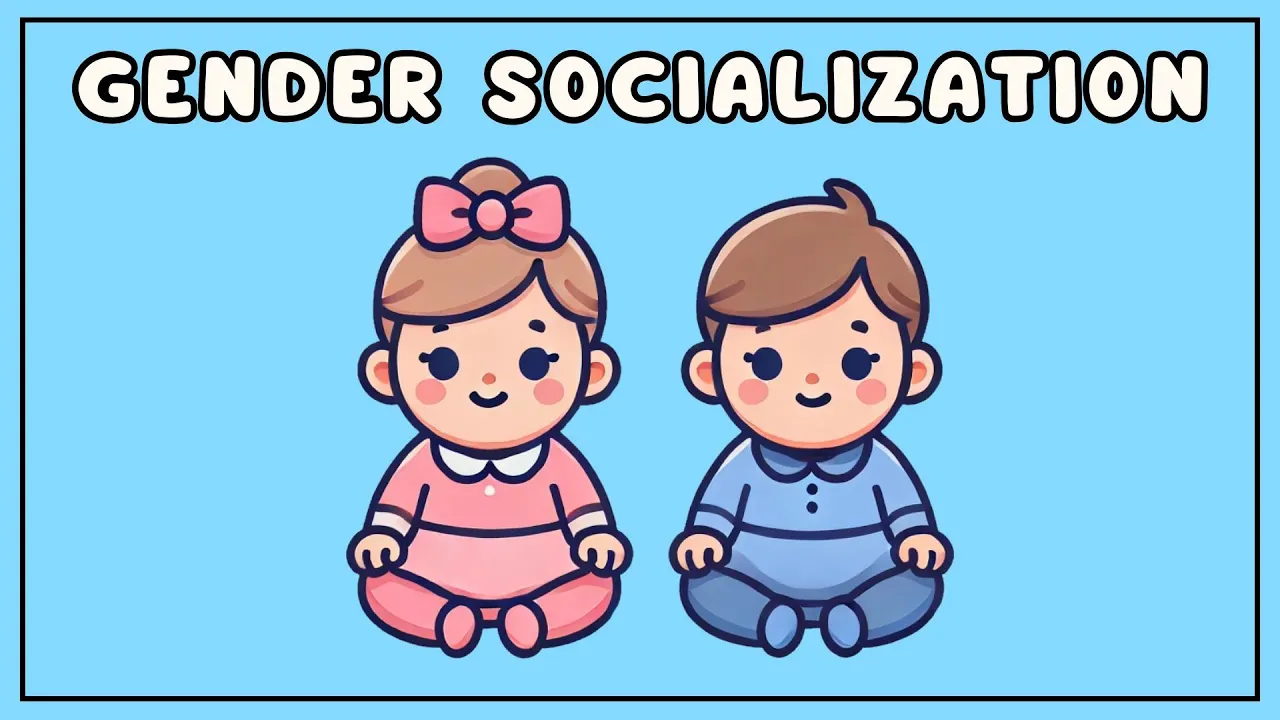
gender socialization is the process through which individuals learn the roles behaviors and expectations associated with their gender within a specific culture from a young age children are influenced by family peers media and institutions to adopt gender Norms that shape their identities and interactions this process helps societies maintain shared understandings of masculinity femininity and other gender identities while gender socialization plays a significant role in shaping personal and social identity it also reinforces societal structures and can perpetuate stereotypes and inequalities the primary agents of gender socialization include family education peers and media all of which contribute to
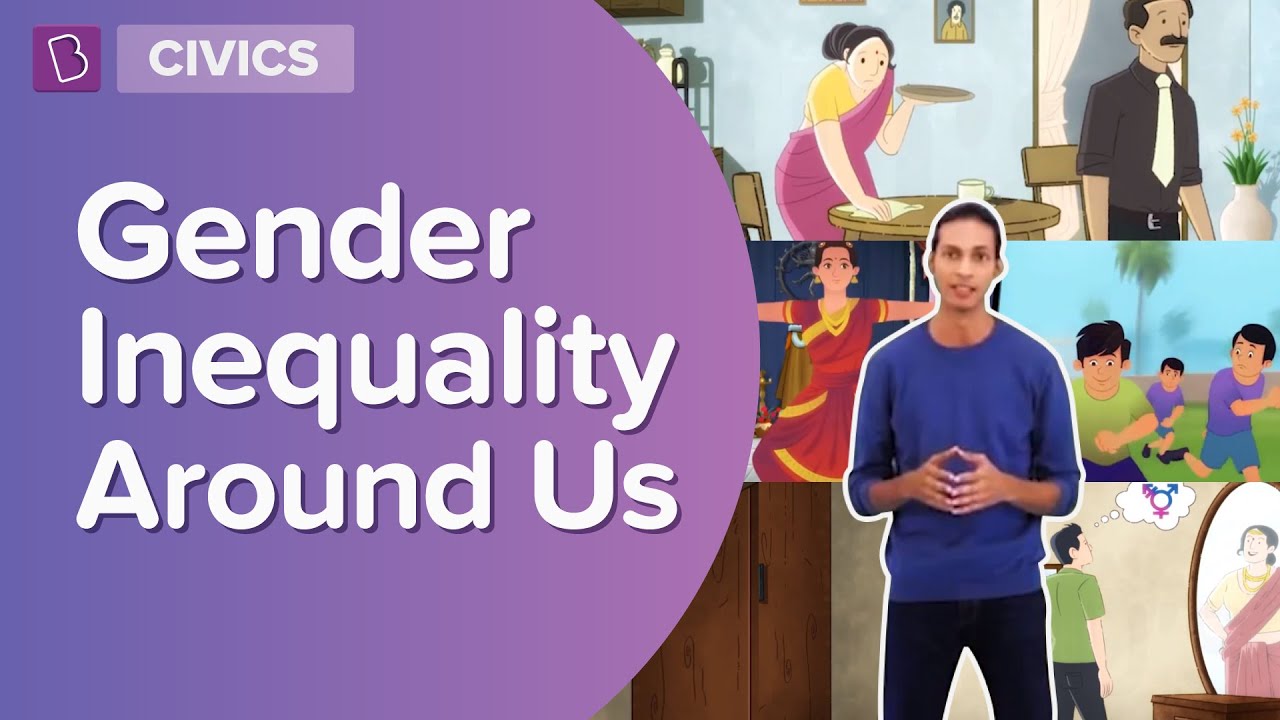
shaping an individual's understanding of gender roles within the family children are often socialized into gender Norms through activities toys and expectations for instance parents May encourage boys to play with trucks or Sports equipment and girls to engage in activities like playing with dolls or helping with household tasks these early experiences establish ideas about what is considered appropriate for each gender education further reinforces gender socialization through both curriculum content and teacher interactions for example boys might be encouraged to excel in math and science while girls are often steered toward Humanities or caregiving roles additionally gender expectations
for classroom Behavior such as boys being seen as energetic and girls as polite can shape self-perception and aspirations peers also play a significant role in gender socialization by reinforcing Norms through social interactions Children and adolescents often face pressure to conform to peer group expectations about how boys and girls should act dress and communicate for example boys May face criticism for displaying emot ions while girls may feel pressure to prioritize appearance or social harmony media is a powerful agent of gender socialization portraying and reinforcing gender Norms through movies advertisements video games and social media male characters
are often depicted as strong and decisive while female characters are shown as nurturing or passive these representations shape how individuals view themselves and others perpetuating stereo types one example of gender socialization is seen in children's toys toys are often marketed specifically to boys or girls with action figures and building sets associated with boys and dolls or play kitchens targeted at girls these distinctions influence children's interests and perceptions of what is suitable for their gender another example is found in sports boys are often encouraged to participate ipate in competitive physically demanding sports like football or basketball
while girls may be directed toward activities like gymnastics or dance these distinctions reinforce societal ideas about strength Grace and competitiveness tied to gender a third example is workplace expectations women are often socialized to prioritize nurturing or supportive roles leading to higher representation in caregiving professions like nursing or teaching while men are directed toward leadership or technical roles contributing to gender disparities in fields like engineering or executive positions gender socialization has significant consequences for individuals and Society on a personal level it can limit opportunities and self-expression by pressuring individuals to conform to rigid roles for instance
boys who wish to pursue artistic interests or girls who aspire to careers in stem Fields May face discouragement or ridicule on a societal level gender socialization reinforces stereotypes and perpetuates inequalities traditional Norms often contribute to unequal pay underrepresentation of women in leadership roles and the undervaluing of traditionally feminine traits like empathy and cooperation additionally rigid Norms can harm Men by discouraging emotional vulnerability and fostering toxic ideas about masculinity efforts to challenge traditional gender socialization involve promoting inclusivity and dismantling harmful stereotypes in families parents can encourage children to explore a wide range of interests and activities
without regard to gender schools can adopt gender neutral teaching practices and encourage all students to pursue diverse subjects media campaigns that celebrate diverse representations of gender such as women in leadership or men as caregivers can also challenge traditional norms






![La nurs'oreille [Épisode entier] | GABBY ET LA MAISON MAGIQUE | Netflix](https://img.youtube.com/vi/JOK1HjVkYig/maxresdefault.jpg)