When we talk about Chile it is generally done based on its economic growth, its natural resources or social and political issues; but the focus of this video is going to be on the Chileans. 20 million people inhabit this country of curious geography and, like each nation in Latin America, it has a particular story to tell about the origins of its population. If you are interested in knowing how the Chilean people were formed, don't miss this video.
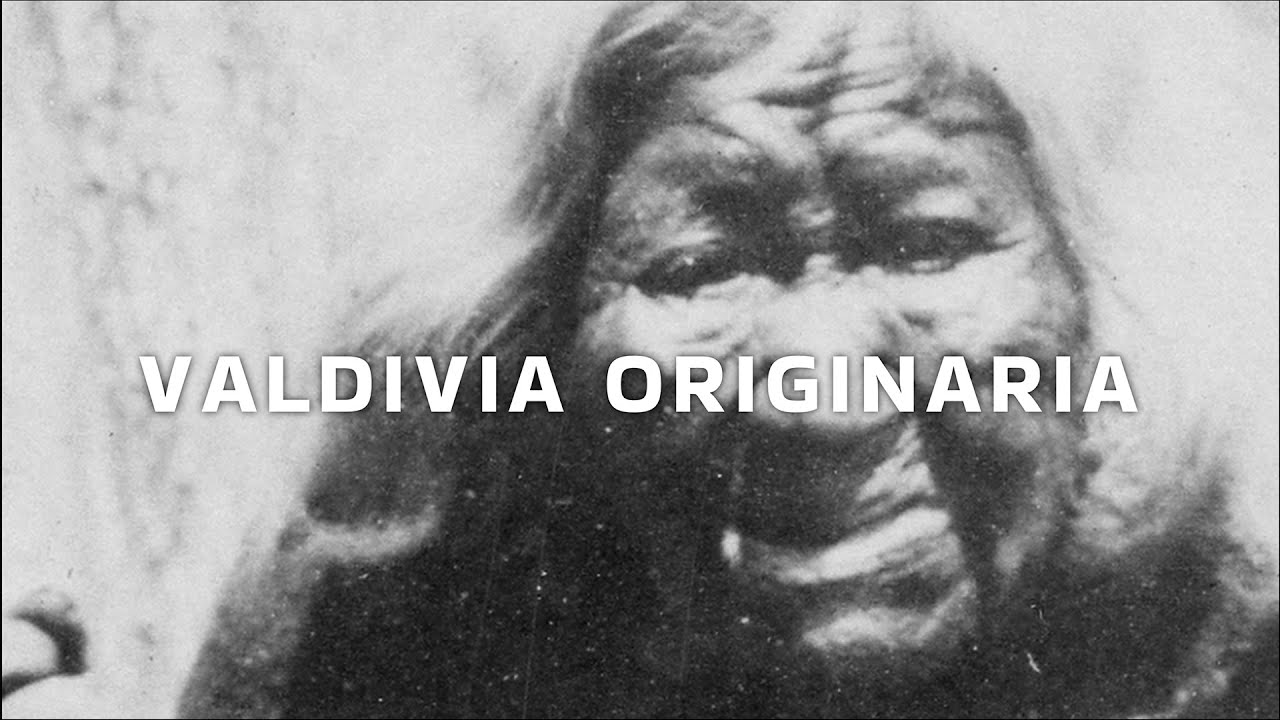
This relatively isolated country has been inhabited by man for thousands of years; In fact , the oldest human footprint on the continent that can be dated with some certainty was found in Chile and is estimated to be 15,000 years old. When the Spanish entered what is now Chilean territory, they found a diversity of ethnic groups that had important differences in terms of degrees of civilization and culture and that have a lot to do with modern Chileans; given that millions have ancestry from these pre-Columbian peoples. For many who do not know the history of this country; If we talk about their natives, the famous Mapuches may automatically come to mind and in fact many believe that the majority of Chileans who have aboriginal ancestry descend from the Mapuches; but it is not a 100% accurate assessment.
In fact, the Incas had a lot to do with the origin of the Chileans; but not because Chileans in general have ancestry in this Andean town but because of the influence they caused in the territory. Before the Spanish arrived in the north and in much of central Chile, the Incas subjugated or influenced different peoples; while the further south of the Maule River; This influence lost strength or was non-existent. The Incas contributed to the cultural and technological development of those they subjected or influenced; but they also accustomed the locals to the idea of being subject to other peoples.
When the Spanish entered Chile; The resistance was much stronger among those who were never vassals and resisted the Incas than among those who were dominated by them; where the struggle was much less or even the situation was more experienced as a change of power. Because of this; It was not the Mapuches but a people closely related to them; known as picunches; who were previously subject to the Incas who contributed most to the formation of the modern Chilean people. Not only because they assimilated relatively quickly into the culture of Los Conquistadores but also because they were quite numerous.
During the first years after the founding of Santiago; in 1541; There were barely 200 Spaniards settled there but by 1549 there were 500. The first Spanish women arrived in Santiago in 1543; but the miscegenation between the Conquistadors and indigenous women was very important. Also on the Mapuche side it used to happen the other way around; with Araucanian warriors having offspring with Creole or mestizo women kidnapped in the malones on both the Chilean and Argentine sides of the continent.
According to a genetic study carried out in the country on 421 individuals from 15 regions, 86% of the samples had Aboriginal maternal lineage and European paternal lineage. According to an investigation by the Chile genomic program that was based on genetic samples of 3,200 Chileans; The estimate was reached that the average Chilean DNA is 53% European and 45% Amerindian while African ancestry is very low, between 2 and 3%. According to the data analyzed, there is also a significant variability in these contributions depending on the region and social class to which the study participants belonged.
It must be taken into account that these analyzes are based on small samples to represent populations of millions of inhabitants; something that always generates division over whether they are numbers close to reality or not. But Chileans not only have origins between the Spanish conquistadors and the native Amerindians. In general, the Southern cone was the preferred area to immigrate for Europeans in South America; But unlike what happened with Argentina, Brazil and Uruguay, the amounts that Chile received were much more modest and the demographic impact was smaller.
This was mainly due to two reasons: the economic and the geographical. The rest of the Southern cone was experiencing economic booms and had a coastline on the Atlantic; while Chile offered fewer opportunities for progress at that time and with its Pacific coasts was relatively further away. Despite these differences; Several groups of Europeans took root in Chile and among their descendants there are important families in the world of business and politics and individuals who represent the country in sports competitions.
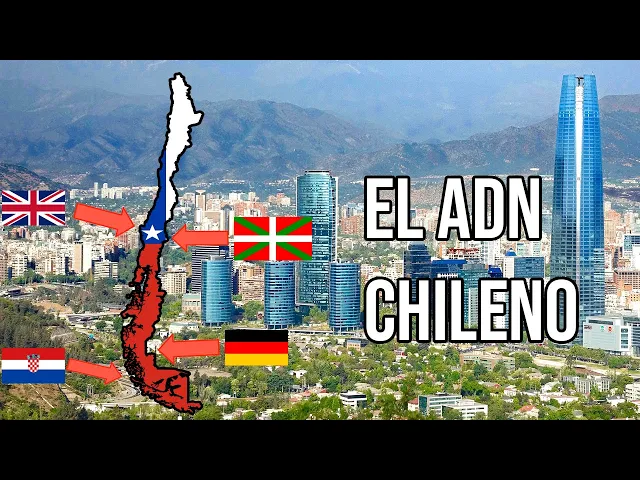
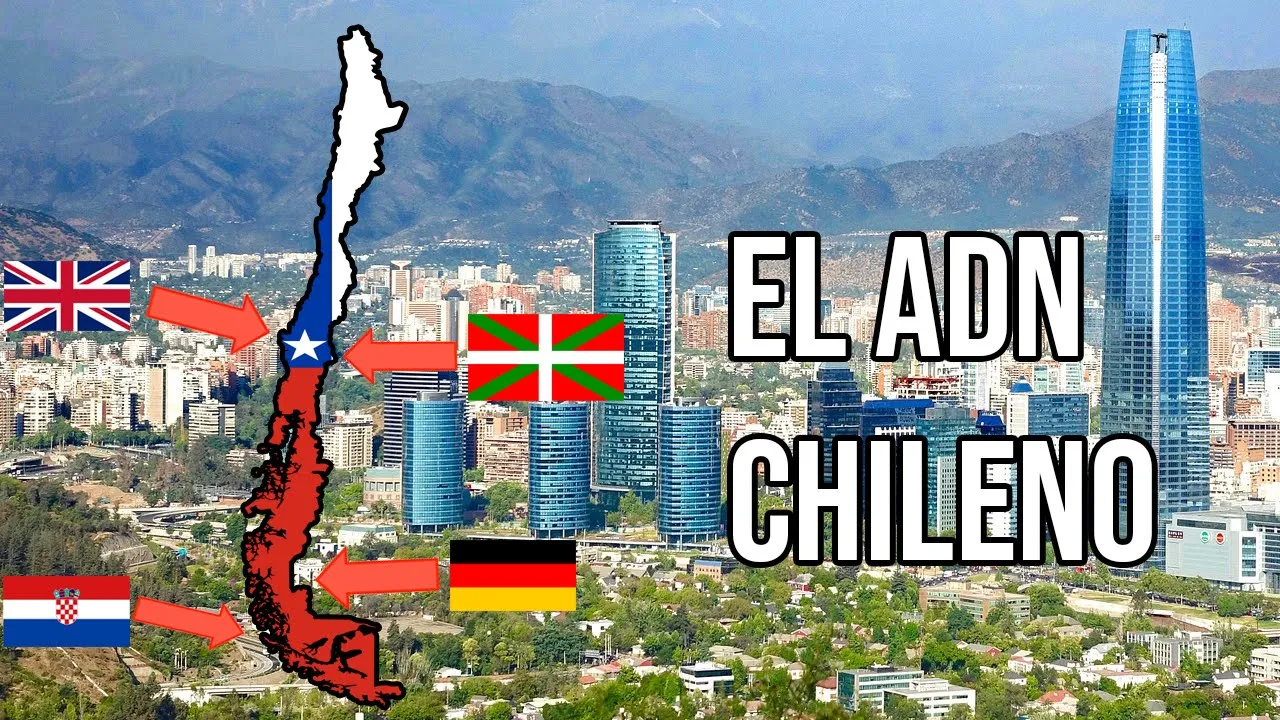
The main communities of European origin that exist in Chile are the Basque, the Croatian, the British and the German. The Basque presence in Chile has existed since the discovery of these lands by Spain. Many families of Basque origin became prosperous with trade and ended up becoming the country's aristocracy; having important roles in the world of business, culture and politics.
Surnames such as Allende, Azócar, Balmaceda, Carrera, Larraín, Piñera, Ugarte and Zañartu among others of Basque origin; They are associated with the upper and managerial classes of the country. In fact; It is estimated that three quarters of the presidents that Chile has had are of Basque origin. Between the years 1701 and 1810, around 24,000 Basques arrived in Chile.
There was also another important wave of Basques during Franco's government in Spain. It is estimated that between 10 and 30% of Chileans may have ancestors of Basque origin. [Music] Croats also chose Chile to settle, escaping the wars and political instability in the Balkans.
Many Croatians settled in the extreme regions of the country: the great north and the south. The most important wave of migration occurred between 1890 and 1914. Those who emigrated to the north did so because of the boom in saltpeter exploitation and those who went south did so because of gold extraction on the Magellan Islands.
Punta Arenas has a very important Croatian community. It is estimated that there are a maximum of 400,000 Chileans of Croatian origin or with some degree of ancestry in this nationality. Even the current Chilean president has a Croatian surname and one of the richest men in Chile Andrónico Luksic is also of Croatian origin.
In the case of the British; Although their number was quite limited; They exerted great commercial influence in the country and it is said that they established the custom of drinking tea in Chile. They settled mainly in areas with important ports and commercial activity such as Magallanes, the nitrate north and Valparaíso. Immigrants of British origin used to live in fairly closed communities from the rest of the country, preserving their language and their ties to their land of origin.
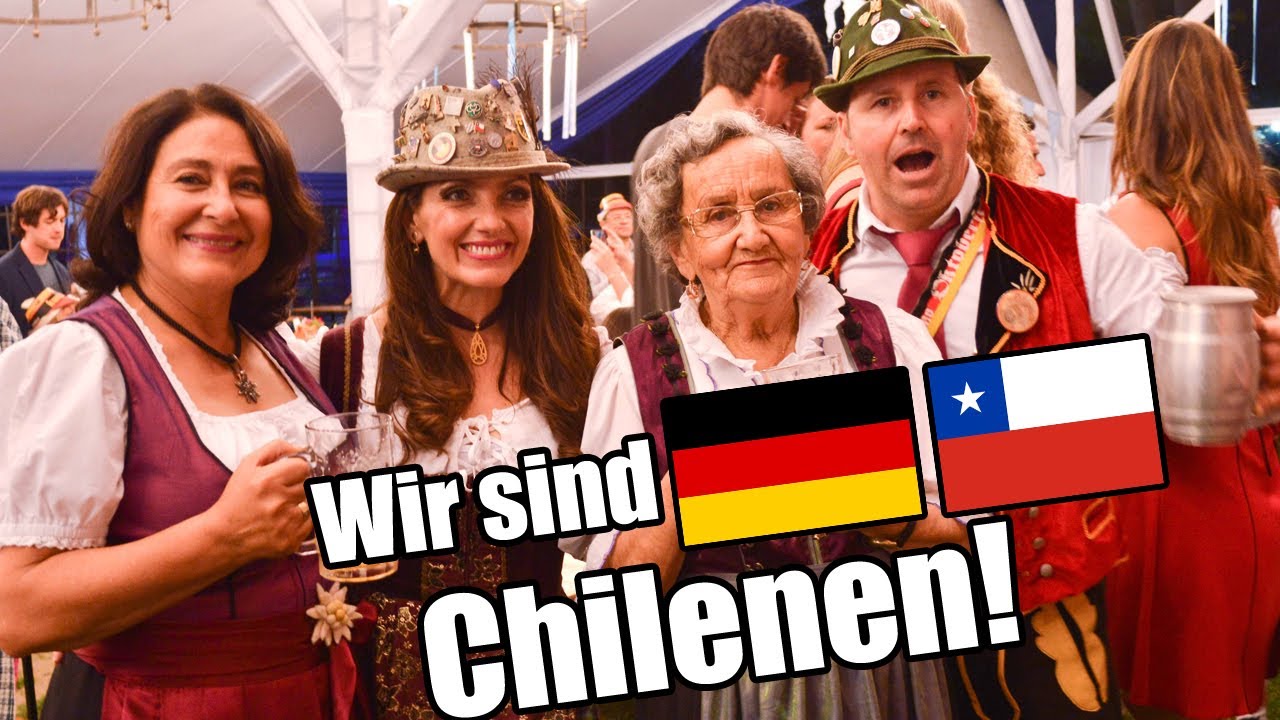
The number of British descendants in Chile is estimated to be between 350,000 and 400,000. Another interesting wave of migration to mention is the German one. During the 19th century, thousands of immigrants from what is now Germany arrived in Chile mainly as settlers.
They settled in significant numbers in the regions of Los Ríos and Los Lagos; where they formed colonies that Chile promoted to ensure sovereignty in this part of the territory. Cities like Valdivia; Temuco and Puerto Varas also have an important German influence. They contributed the beer tradition and kuchen; a type of sweet cake that became a typical dish in many areas of southern Chile.
It is estimated that there could be around 500,000 German descendants in Chile, 3% of the national population. Today, immigration comes mainly from the American continent: Peruvians, Bolivians, Haitians and smaller groups of other nationalities such as Argentines and Brazilians migrate to Chile, attracted by the fame that the country has earned for its stability and sustained growth of the economy. .
Surely there are many other things to mention about the origin of Chileans. You are invited to leave data or opinions in the comments box that I will be reading; We find ourselves in another video behind the data. Greetings !
! !