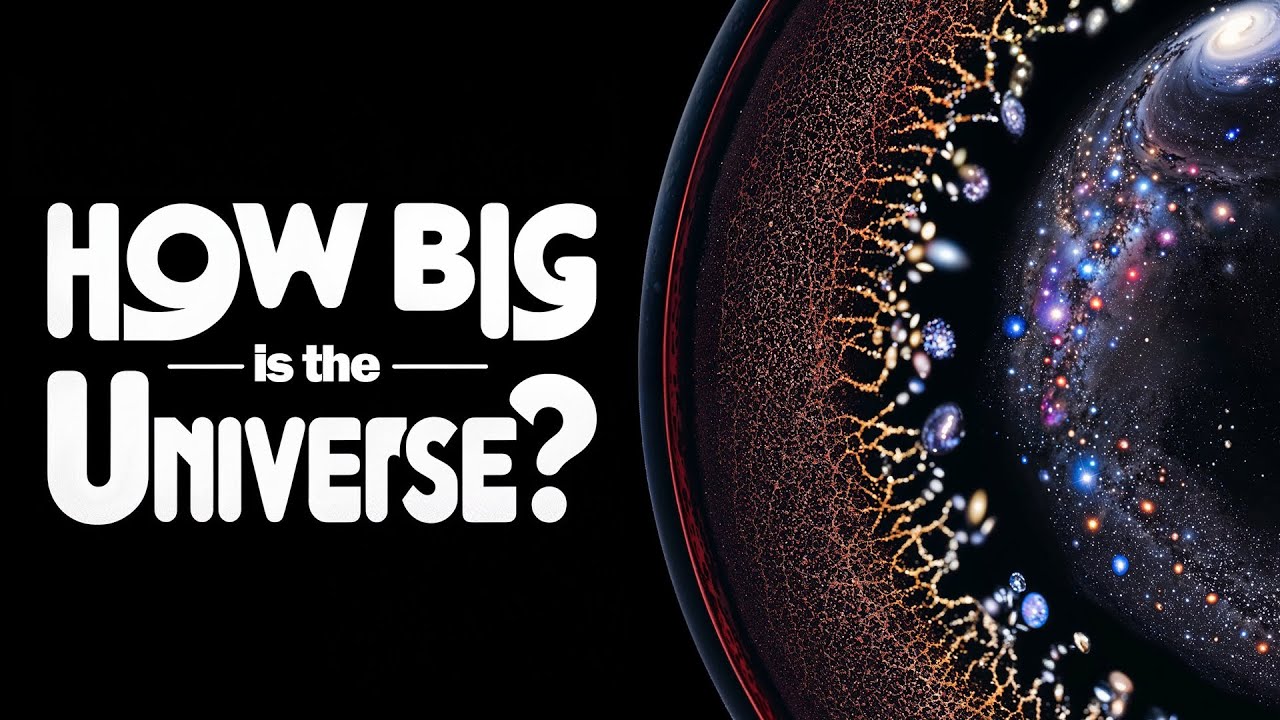
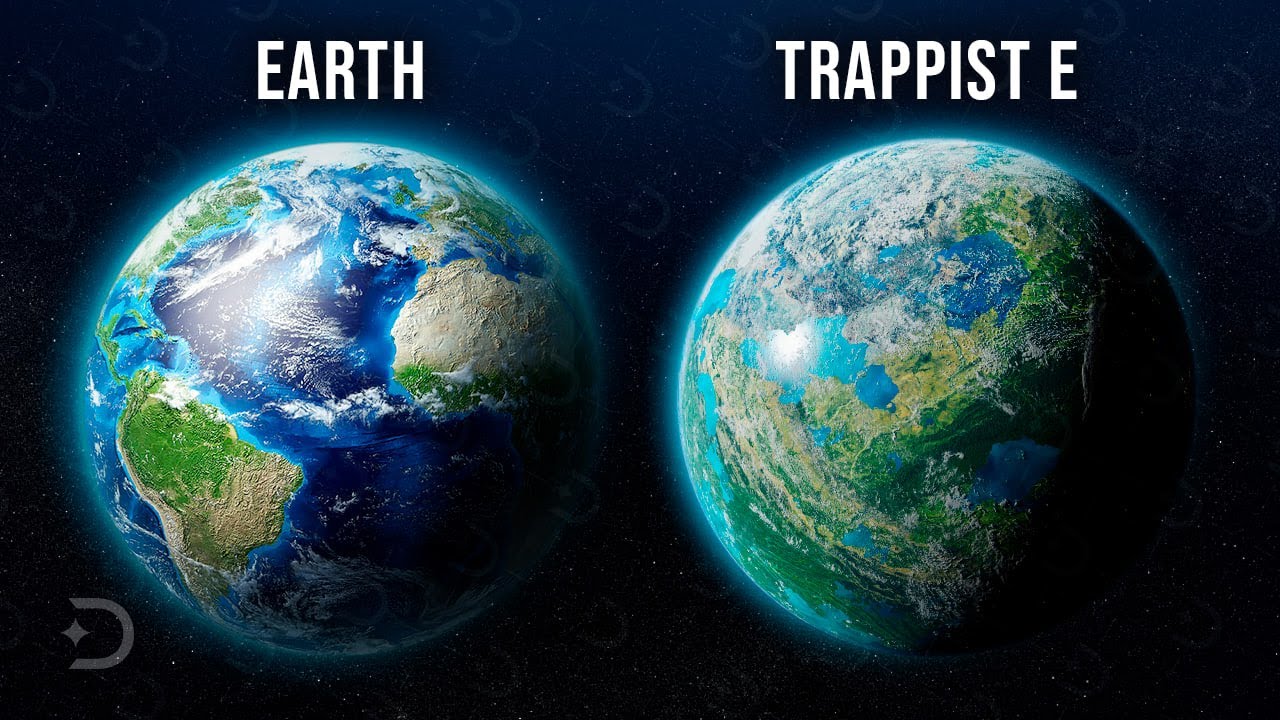
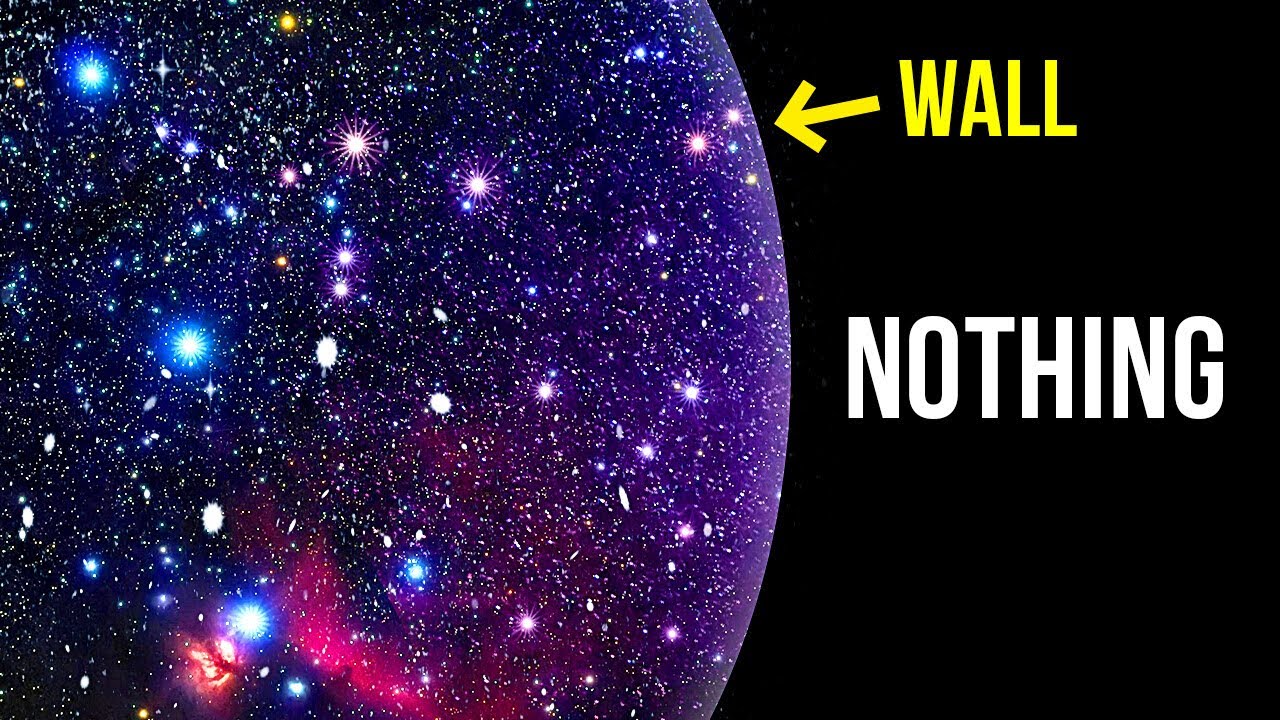
how far out do you think the boundaries of space stretch up toe when you think of the universe and the infinite galaxies that exist in them a simple guess would be to the end of our solar system right where the last planet Neptune ends right but what if you were to discover that there exists alien worlds far reaching beyond the limits of our very solar system and the Milky Way that there are planets some habitable and some with layers of solid ice lurking in the abyss of the universe well not just planets but asteroids galaxies and dark matter that is invisible but radiating energies so what actually makes up the universe is not merely the composition of planets we know of or the asteroid showers we hear or witness there is so much more in the depths of the cosmos that has been loitering around for billions of years welcome welcome to lab 360 it's time to explore if you were to cross over the very boundaries of our Milky Way the universe which otherwise appears to be a formless shapeless void of nothingness you'll transcend into a colossal Treasure Trove of other worldly objects or Heavenly Bodies free floating through the mysterious Dark Matters of the interstellar and Intergalactic space considering the observable width of the universe to be approximately 93 billion light years in diameter there remains no doubt in the presence of rogue planets stars and galaxies in the empty dark space of these many rogue planets roaming around freely in the yawning space some are closer to earth besides the presence of Dark Matter Dark Energy dwarf planets and distant stars make the whole spectrum of the universe an enthralling experience thanks to the Voyager spacecrafts and an invisible chaotic region with frothing activity influenced by the electromagnetic waves beyond our solar system was discovered composing exoplanets the Stars black holes Dark Matter other massive galaxies and much more so let's do a deep dive into these Celestial enigmas first off we have exoplanets this is the term given to planets located outside our solar system these planets orbit a star just like how Earth orbits the Sun from rocky planets to gas giants the special thing about exoplanets is the fact that they are diverse in nature there are jupiter-like large gas giants called hot Jupiters that remain very close to their host star the mini Neptunes and super Earths are the most common type of exoplanets they can either be huge Rock rocky planets or gas planets smaller than Neptune then there are exoplanets called ocean worlds with a rocky core and are entirely covered by a vast liquid ocean running hundreds of kilometers deep lastly there are Earth or Mars like planets with a solid surface but may or may not contain small oceans or have an atmosphere and thanks to the invention of the transiting exoplanet survey satellite also known as Tess scientist have discovered 5,500 plus exoplanets existing beyond our solar system in March 2022 alone NASA discovered 65 exoplanets in fact exoplanets also have an eimon just like our moon or extra solar moons that orbit them the first hot Jupiter exoplanet to be discovered was the 51 Pegasi b in 1995 and is situated 50 light years away from Earth the latest terrestrial exoplanet to join the list is TOA 700e a rocky planet situated 102 light years away these exoplanets are often also referred to as free floating or rogue planets believe it or not it is more likely that there might be over a trillion exoplanets in our Milky Way galaxy alone Brown dwarfs these are substellar objects object that have more mass than the big gas giant planets like Jupiter and that of a small star according to astronomers any celestial object with mass between 15 to 75 times that of Jupiter is a brown dwarf these strange Cosmic objects are not big enough to sustain nuclear fusion of ordinary hydrogen and are often also considered as a failed star so far the discovery of brown Dwarfs has been part of a binary system it is a system in which two stars orbit around one another dwarf planets these celestial objects roughly spherical in shape are planets that orbit a star and often have comets asteroids or other dwarf planets near them since they are smaller in size dwarf planets lack the gravitational pole required to pull the surrounding material found in their orbit according to the international astronomical Union there are officially five dwarf planets in the solar system Pluto ays series make make and hamea fun fact each known dwarf planet in our solar system is actually smaller than Earth's Moon our moon is less than a third of the width of Earth with a radius of about 1,080 Mi so in the current scenario there may exist hundreds and thousands of dwarf planets in the solar system galaxies a galaxy is a huge collection of gas dust stars and their solar systems held together by gravity galaxies vary in shape and size there are eight Galaxy types categorized as per their shape spiral galaxies elliptical galaxies lenticular galaxies irregular galaxies active galaxies safer galaxies quazars and Blazers while the largest galaxy located more than a million light years across will have trillions of stars the smallest galaxy can comprise a few thousand stars and span just a few hundred light years as far as the age of galaxies is concerned they are almost billions of years old however there are a few galaxies which are almost as old as the the universe having formed around 13. 8 billion years ago according to astronomers the youngest known Galaxy formed approximately 500 million years ago as per some scientists there could be as many as 100 billion galaxies in the universe a mesmerizing fact the Hubble Space Telescope once looked at a small patch of space for 12 days and found 10,000 galaxies of all sizes shapes and colors the closest Galactic neighbor to our Milky Way is the Andromeda galaxy which has confirmed the presence of many exoplanets this B spiral galaxy is approximately 2. 5 million light years from Earth if scientific predictions are to be believed the Milky Way and Andromeda galaxies are expected to collide in around 4 to 5 billion years asteroids about 13.
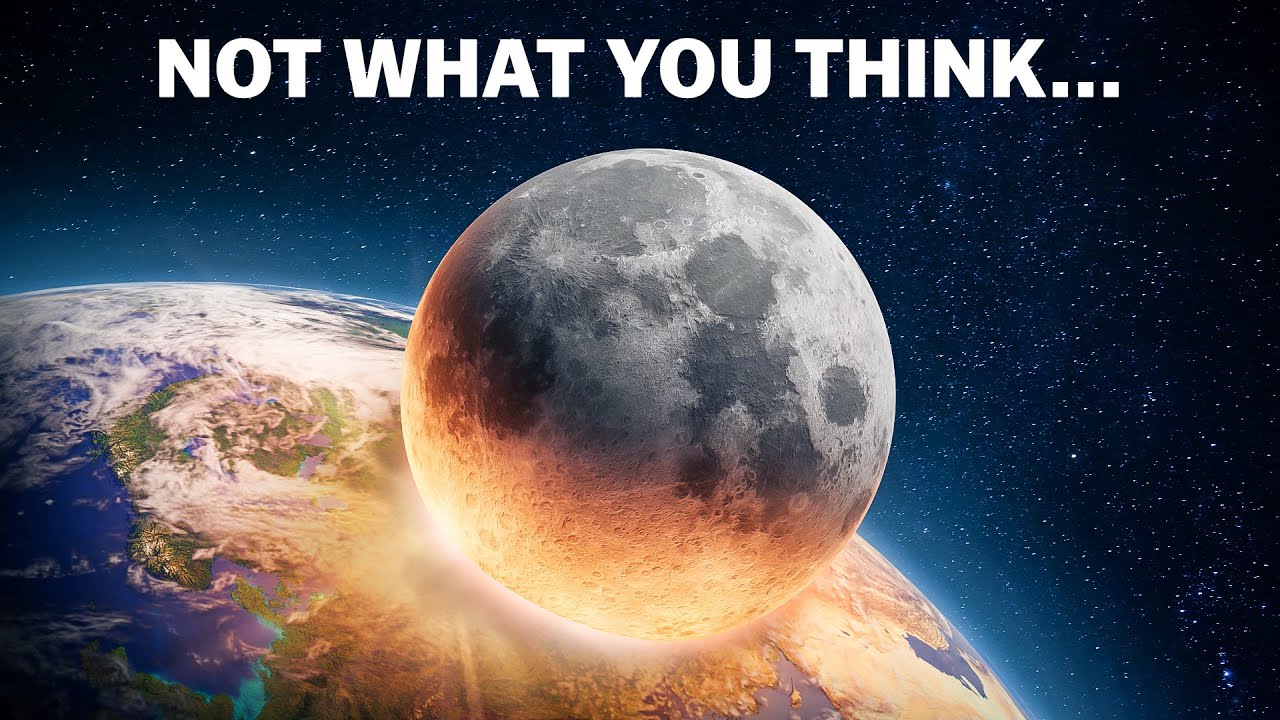
8 billion years ago when the Big Bang happened the explosion Left Behind airless Rocky remnants that have been orbiting the Sun between Mars and Jupiter and thanks to the presence of gravitational pole in Space the remnants get sucked in and eventually crash into neighboring planets these leftover remnants from the early formation of our solar system are also known as minor planets or asteroids currently there are about 1. 3 million known asteroids and the study of asteroids will help scientists determine the formation of our universe in recent development NASA scientists had sent the spacecraft Osiris Rex to carbon Rich asteroid benu and collected samples from it it is one of the most potentially hazardous asteroids with a high probability of impacting the Earth around the year 2182 venu is a about 1/3 of a mile wide at its equator and is touted to be an ancient relic of our Solar System's early days containing more than 4.