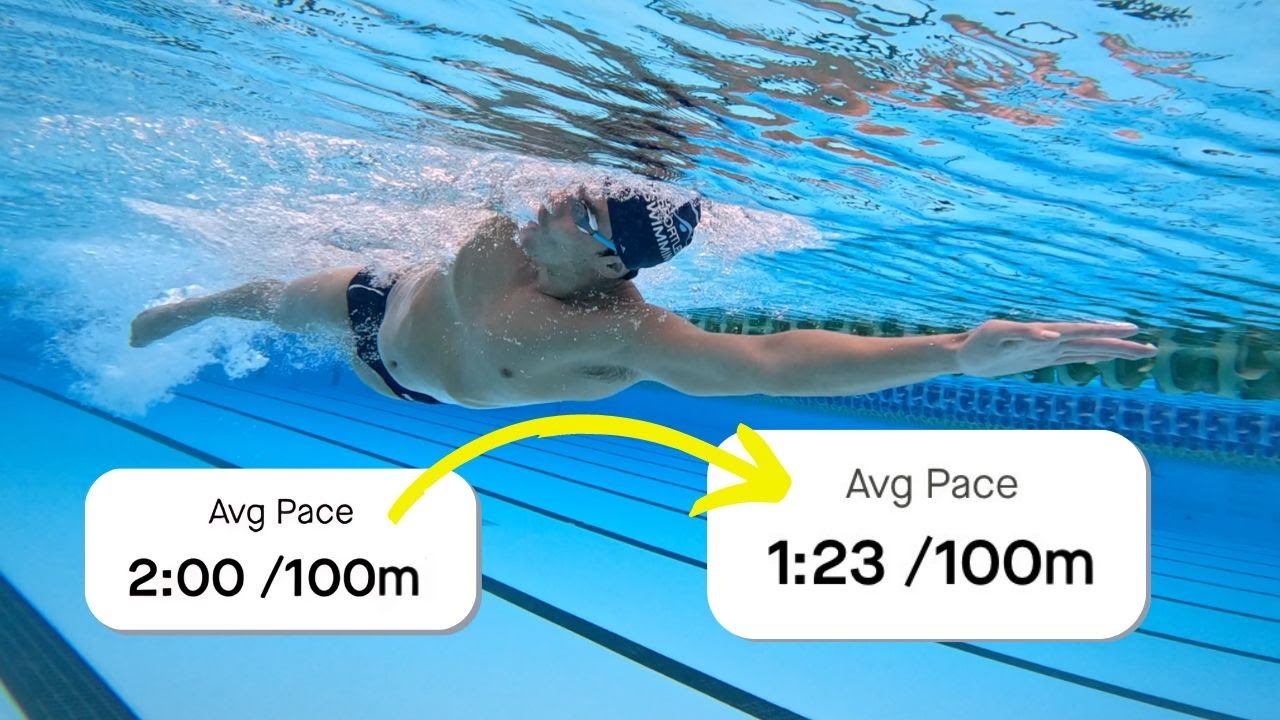
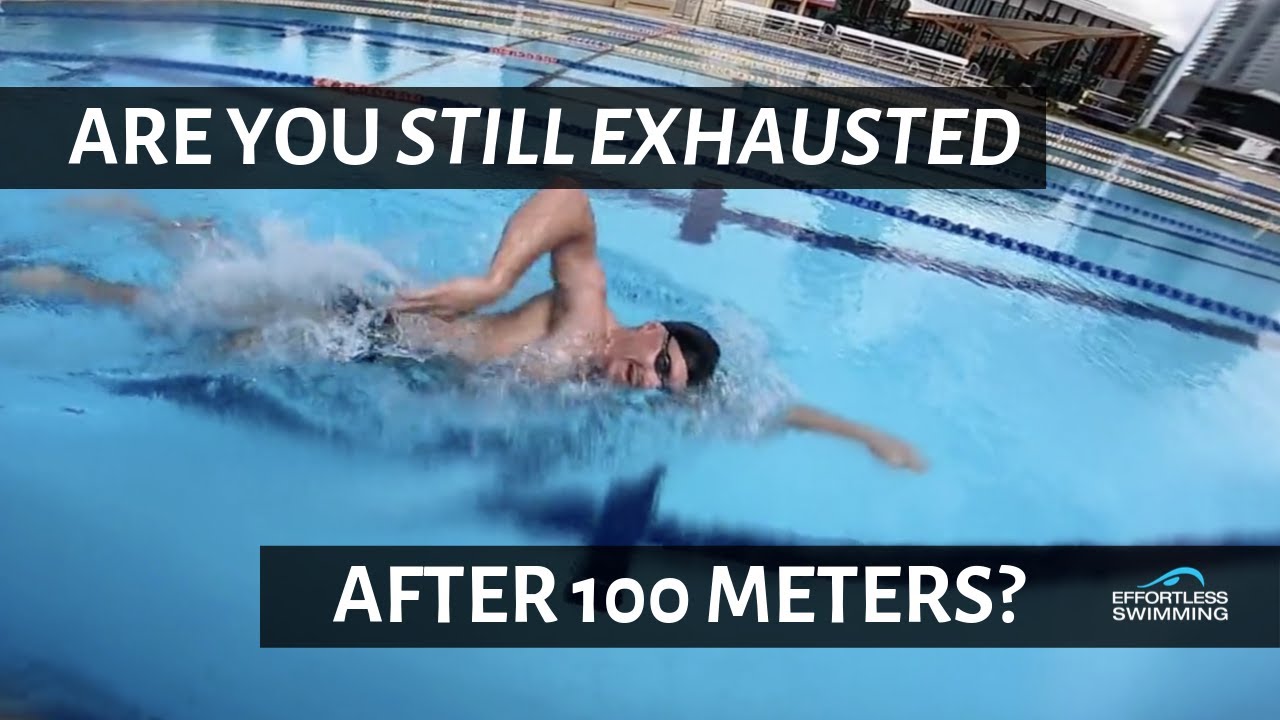
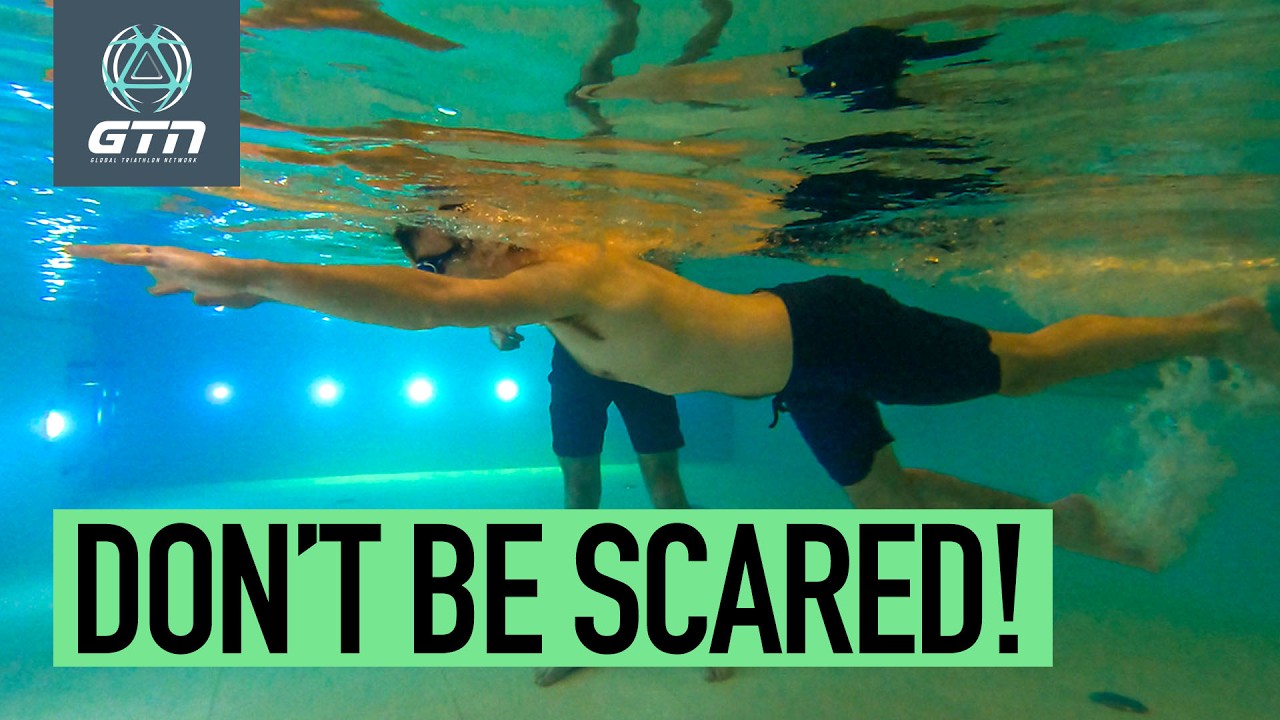
we know that when you're relaxed you swim a whole lot better so in this video i want to show you through a three-step process or three drills you can go through to become a more fluent and a more relaxed swimmer and that's not only going to help you swim faster but it can be a way that's going to help you swim much further for a lot less effort so let's take a look at these three things that can help you become a more relaxed swimmer [Music] now you might have seen the video we did last
week on lucasfight i'll put a link above if you haven't yet you what you will have noticed in that incredible iron man swim that he did he looked very relaxed as he did it now obviously there's some output there but he just managed to just look relaxed the whole way and swimming's really that dichotomy of relaxation and tension it's finding that balance between the two because obviously we do need to put in some effort in order to hold the water and move through it but if you can stay as relaxed as possible through that process
then that's when you're probably going to find your heart rate stays lower you move a whole lot better and you're probably going to enjoy your swimming a whole lot more now over the course of the last 12 years that i've been coaching what we've found is that there's a couple of things that can make a big difference with helping you stay relaxed in the water so the first thing that will sometimes start with is just the recovery which is when your arm comes over the top of the water now in this part of the stroke
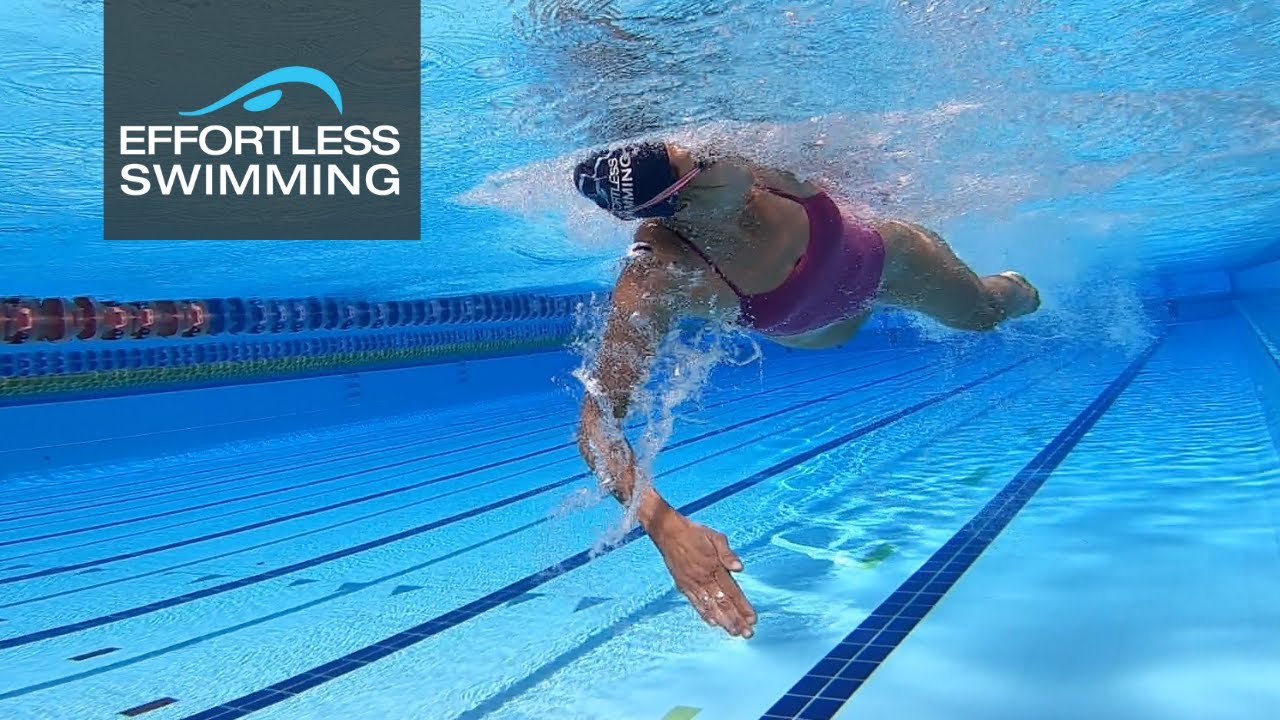
sometimes people are very tense as they move over the top and if we see that your hand and your forearm is really stiff and tense as you're coming through it's probably wasted effort because that tension isn't going to help you move forwards what we want to try and do in the recovery is we want to relax the hand and forearm to a point where it feels a little bit more like it's your maybe elbow leading the way or like your deltoid is sort of helping initiate that recovery so one of the things that we try
and aim for usually with that recovery and i'm talking more about like middle to long distance from us here not necessarily sprinters is we want to keep the hand and the forearm somewhat relaxed now if you have followed this channel for a while you'll know that i'm not necessarily a huge advocate for most adults to recover really close to their body because it can take a pretty reasonable amount of mobility through the shoulders to get there and a lot of the athletes that i've worked with don't have that so what can be a good approach
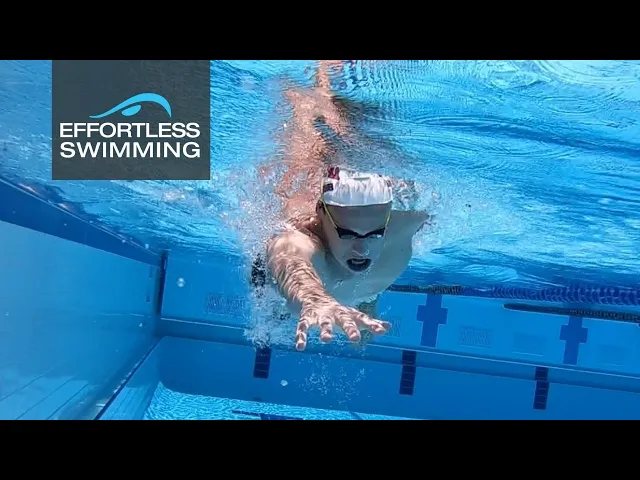
to having a nice recovery and a relaxed recovery is to just keep the hand that little bit wider than what you might expect now a drill that i quite like here is fingertip drag drill with a twist so the twist is you're just going to go a little bit wider with the hand so as you go through this fingertip drag drill you're going to drag those fingers on the water and in order to do it you've got to keep that hand loose and floppy and relaxed as you do it you've got to feel as though
you're leading the way a little bit with this elbow imagine a piece of string attached to it someone's pulling that forwards and that's at least initiating the first part of the recovery and then just keep that hand away from the body a bit as you drag the fingertips forwards now there's nothing necessarily wrong with fingertip drag but closer to the body but i find that as i said for most adults you're probably better off going that little bit wider so that can be the first step at having a recovery that is relaxed is developing that
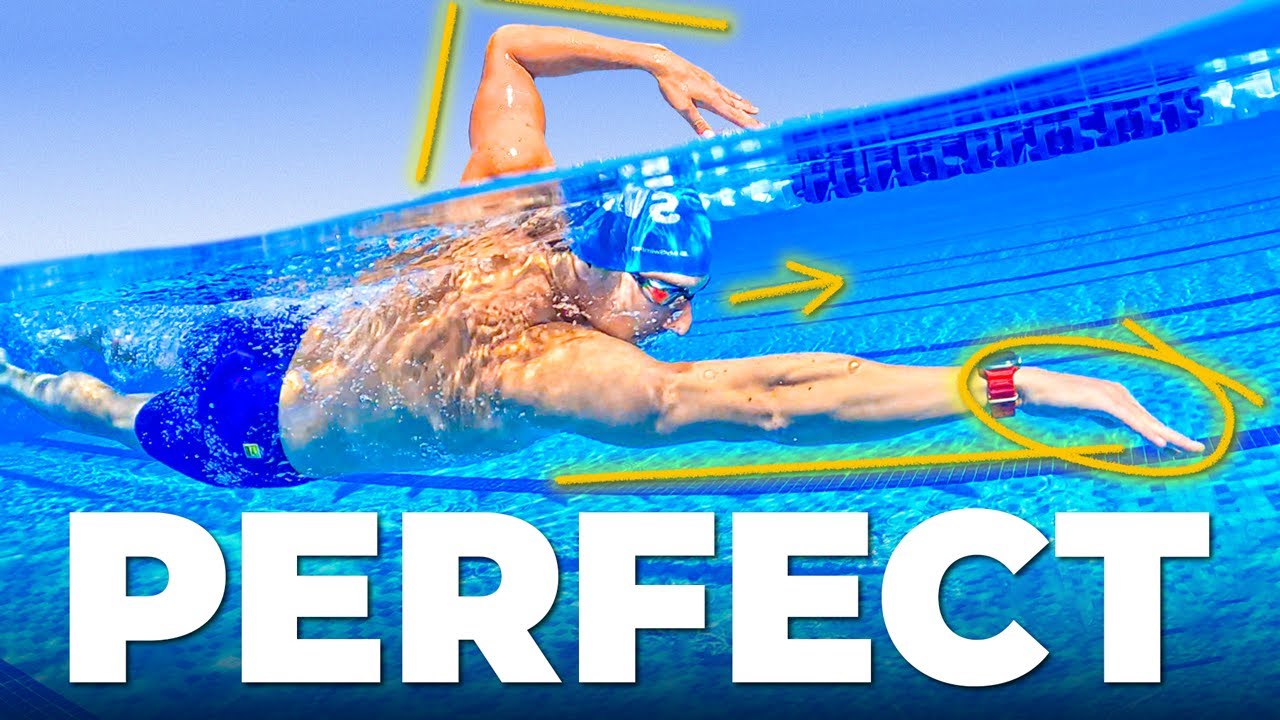
now you might be worth it might be worthwhile wearing fins and wearing a snorkel as you're doing that because that's going to take out the breathing and that's just going to sit nice and high in the water and just allow you to focus and concentrate on that more relaxed recovery so that's step one a relaxed recovery now the second point to that is we want to make sure that we're entering in the right position and the right position is where the fingertips are going first and the elbow is up a little bit so it creates
this triangle kind of shape there upon entry so if you can enter the water there instead of reaching out as far as you can possibly go where you may land with your elbow first so if you can land fingertips first then all you need to do from there is just straighten the arm and you'll actually hear often hear this little bit of a slap with the elbow it'll just sort of slap down on the water just listen it's not like you're necessarily trying to spear the water all the way through now a really good drill
for that is just entry drill with a kick board and that's where you can have fins on grab a kickboard and you're just going to swim one arm freestyle but that kickboard is going to force you to enter fingertips first because if you go too far you're going to hit the kickboard and it's not going to allow you to enter correctly so that's step two at swimming more relaxed all right number one we got relaxed in that recovery hand and forearm should be somewhat relaxed number two make sure we enter in the right position with
the fingers first and the elbow somewhat up now if you're wondering like where should i enter with my hand the the way i think of it would be if you had your arm out in front of you out here it'd be somewhere from about your almost like your knuckles through to about your uh your elbow so anywhere in that sort of range is where we'd want to enter if in terms of where your other arm is so that's step two now the next part of that is the reach phase when the hands are reaching forwards
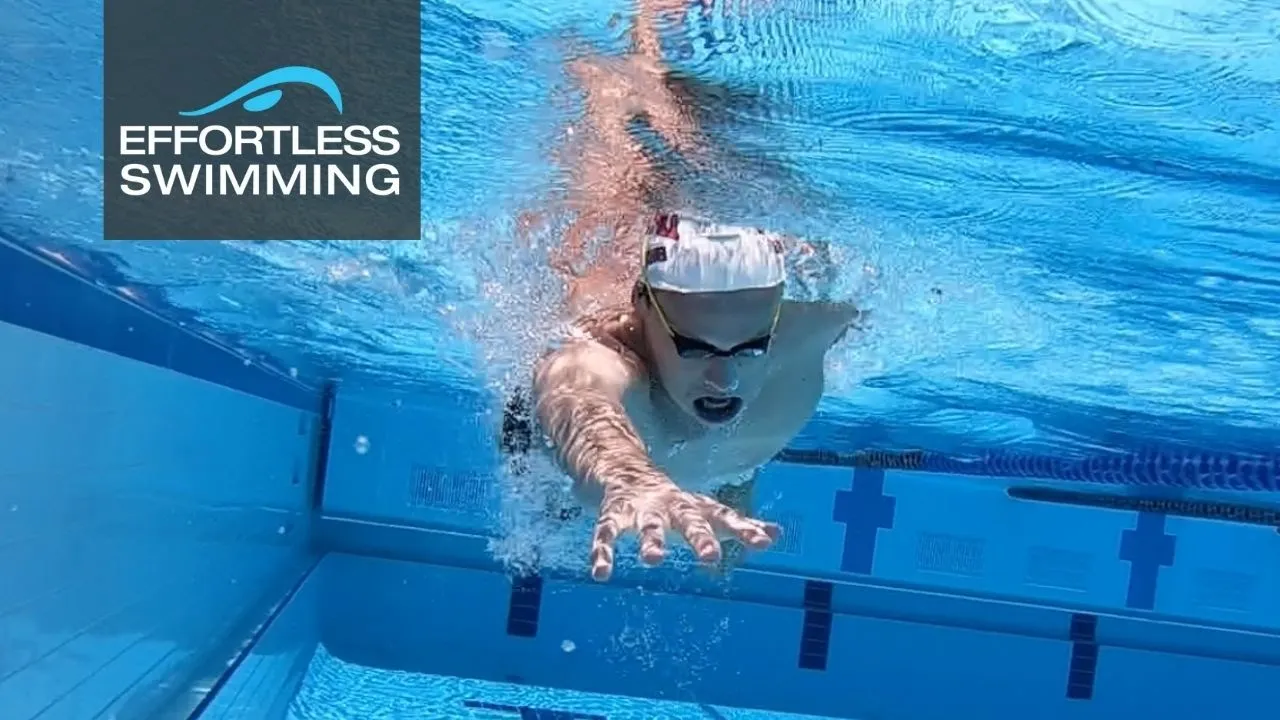
out in front and often there's sort of two things that we see happen that happens here some people they don't know that they actively need to reach forward and extend before they start the catch they think they've got to pull immediately through but if you look at it in terms of like your profile in the water when you're reaching forwards that's when you're most streamlined so you're going to get some pretty decent speed in that position because you're creating the least amount of drag in that position there so it's okay to actually to actually think
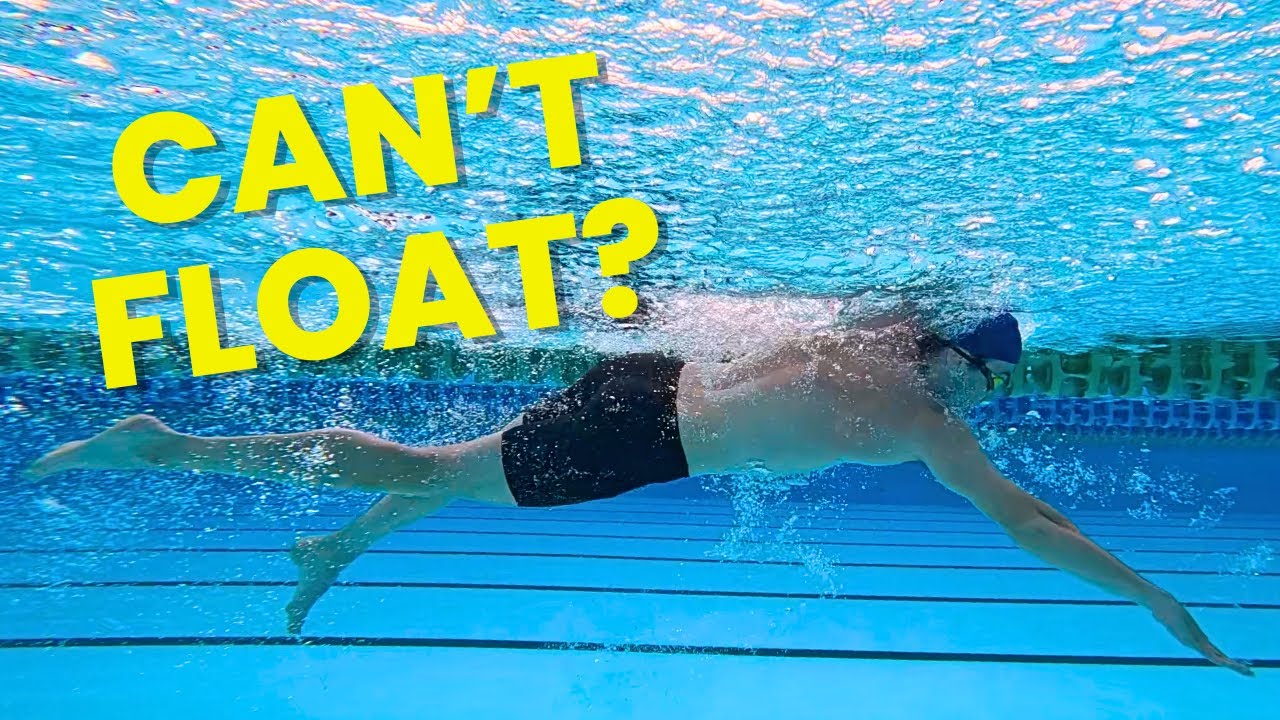
of it as perhaps extending or like rotating forwards as you're going through that part but the the key to doing this well is make sure you do it at the right depth so often i'll get asked where should my hand be when i'm reaching forwards it's definitely not up at the surface because that's going to increase the drag when the hands up super high and it's not down too low so usually where you'll see most elites from is it's like fingertips at about shoulder depth or you might even think of that as like arms completely
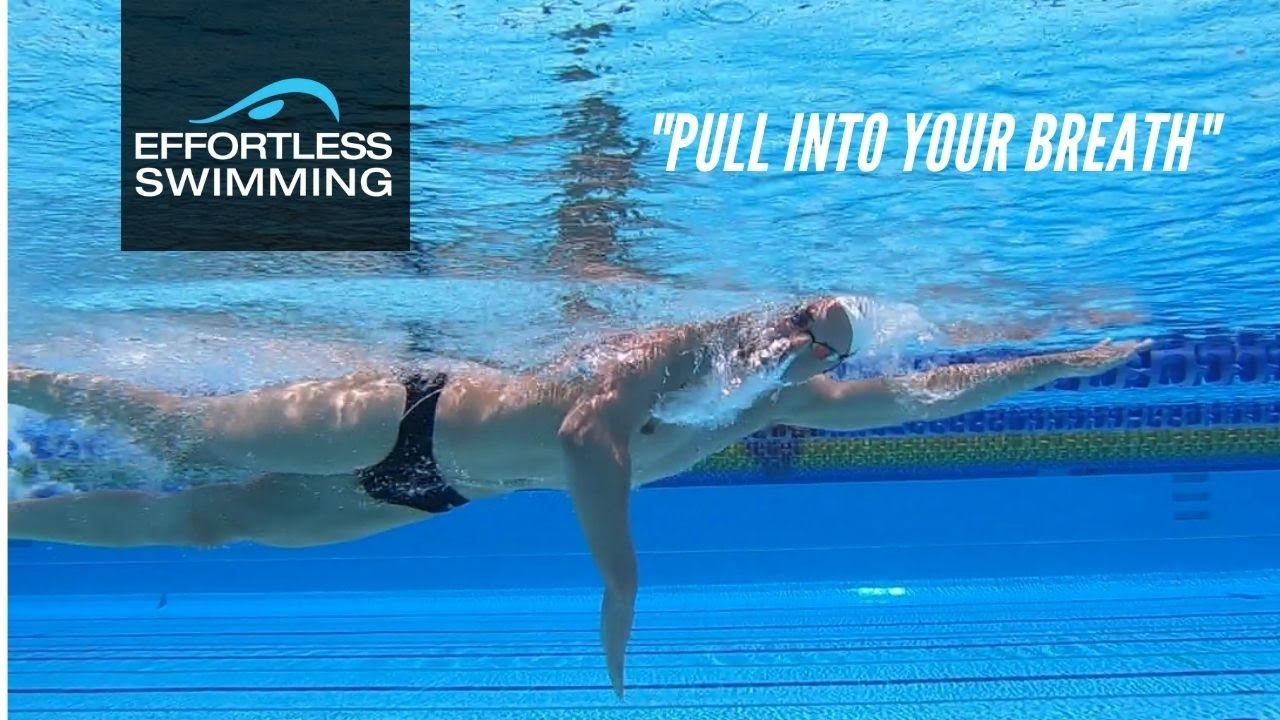
straight under the water so you typically want fingers just below wrist wrists just below the elbows very slight downwards angle there but again the key to doing this well is try and have that little bit of relaxation through the arm as you're going through it now you're going to start to begin the catch just after it so you will obviously need a bit of tension there but you're so much better off if you can just feel like pretty relaxed through there as you're reaching forwards as opposed to to having a lot of tension because not
only will you be able to feel a lot save a bit of energy but it's going to help you set up the catch so much better if you're quite relaxed and typically when i'm when i get in the water and i'm going through warm up with my hands with my fingers as i'm reaching fours i'm just i'm trying to feel pretty loose and that way i find i just develop would generate that feel for the water a whole lot better and set myself out well for the session if i can keep that happening so in
order to sort of go for that to get that i do quite like this drill here it's called two-stroke switch with paddle so if you put a paddle on your hand preferably a flat paddle then you can kick on the side and it's best to wear fins for most people kick on the side and then you can take two strokes and you'll swap to the other side now the reason that we do this drill is it's going to force you to have your hand at the right depth because with that paddle it's obviously a lot
more drag that gets created if the hand's in the wrong position so if your hand is up too high you're going to feel it it's going to have a lot of drag credit it's going to feel like it's sending you backwards or at least slowing you down if your hands down too low similar thing so that's why i think this two-stroke switch with paddle can be a good like self-coaching drill to make sure you're in the right position because a lot of people don't have a coach there to look at them so you might just
be say doing that drill without a paddle but you won't necessarily know if you're in the right position unless you're looking at it but this pattern will give you a pretty good indication as to whether or not you're at the right depth to start your catch so if you were to follow that process now you might do let's say it was like two fifties of wide fingertip drag drill and then two fifties of the kickboard entry drill and then you might just do two fifties one with the paddle on your left hand one with your
the paddle on your right hand for that two-stroke switch with paddle drill and that might set you up really nicely as part of your warm-up and then you could just go into the rest of the session and if you find that you start to feel a bit more relaxed with that then perhaps you might want to practice that or do that for a week or two until you feel like you've improved that part of your stroke so that's a one way that you can use to help just make your swing feel a whole lot more
relaxed now if you've got any questions on that put it down below if you get a chance to try it let me know can you hear how you progress with it and if you are looking to improve your swimming i work with people on a daily basis inside our effortless swimming membership so you can check out the details there there's a two week free trial so you can test it out see if it's what you're looking for in terms of some structure about improving your technique and as i said i'm there on a daily basis
answering questions and interacting with swimmers there so thanks very much for watching hope you enjoyed the video give it a like and subscribe if you haven't it's how we get to reach more people and i'll see you next week with another video [Music] you