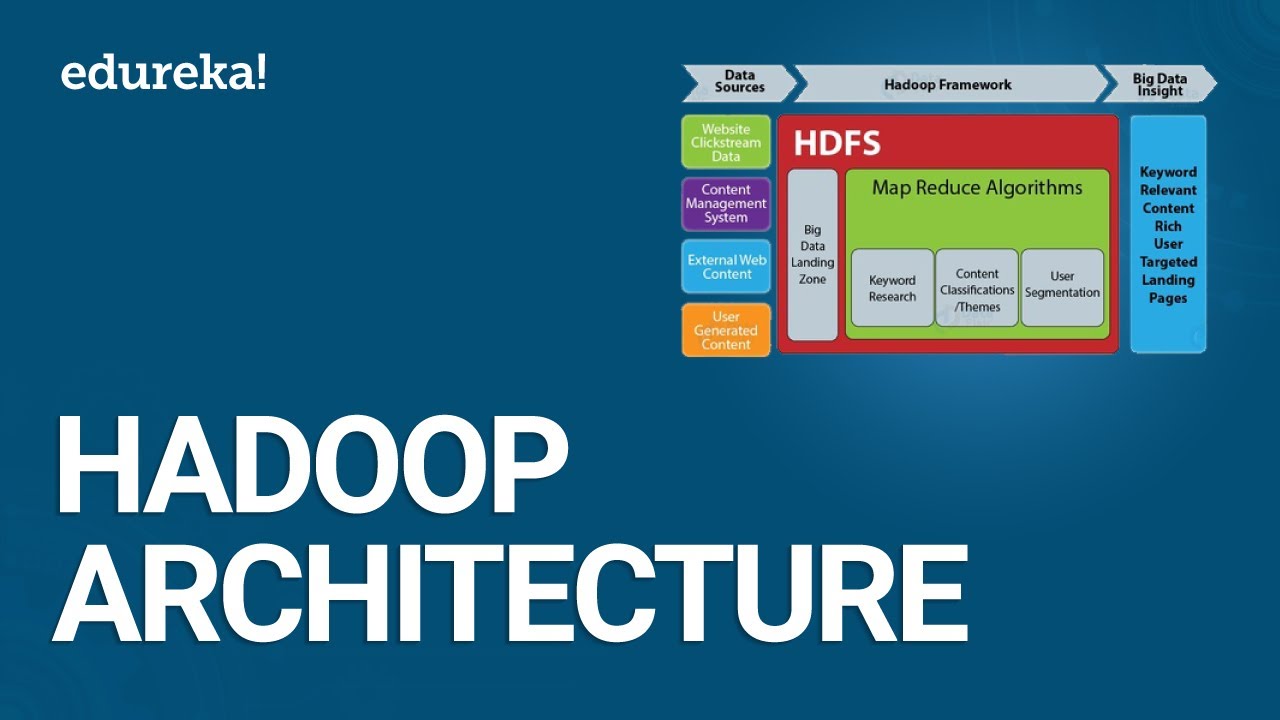
Welcome to our video on hdfs the HUD up distributed file system if you have ever worked with big data or in the field of data engineering you have probably heard of Hardo it's revolutionized the way we handle and analyze large data sets but what is hdfs and why should you learn it hdfs is a distributed file system designed to handle the high throughput computing needs of large scale data processing systems it was designed to run on clusters of community Hardware making it costeffective way to process large amount of data one of the main benefits of
hdfs is its scalability it can handle petabytes of data across thousands of nodes making it well suited for Big Data applications another key feature of hdfs is its fall tolerance it can handle node failures without losing data ensuring uninterrupted data processing but why should you learn hdfs well if you're planning a career in data engineering it's an essential skill hdfs serves as a foundational infrastructure for the Hardo ecosystem enabling other tools like map reduce and Spark to process and analyze large volume of data efficiently so whether you are an aspiring data engineer or just curious
about hero learning hdfs is a great place to start in this video we will explore the basics of hdfs from its architecture and data modeling to best practices for managing data let's dive in on that note consider the data engineering postgraduate program offered by simply learn in collaboration with both University and IBM which present an excellent opportunity for professionals seeking practical explosure this comprehensive program is designed to equip participate with essential data engineering skills and is closely aligned with AWS and Azure certifications ensuring industry relevance and recognition fast track your career as a data engineering
professionals with our data engineering course this course covers big data and data engineering Concepts the hopo system Apache python Basics AWS EMR quick site Sage marker the AWS Cloud platform and Azo Services check out the course Link in the description for more details having previously covered the introduction of hdfs let's now explore a deeper understanding of the definition of Hadoop distributed file system Hadoop distributed file system or hdfs is a specifically designed distributed file system that stores and process large volume of data across multiple commodity Hardware nodes it is a fundamental element within the Apache
HUD of ecosystems providing fall tolerance High through port and scalability for a better understanding let's illustrate hdfs using a simple Layman example so now imagine you have a large library with thousands of books managing such a massive collection efficiently can be challenging so to to address this you organize the books into a distributed system with multiple bookshelves in this example the library represents the hdfs the books in the library represents the data such as files and the bookshelves in the library represents the data notes in hdfs and the librarian who keeps track of the books
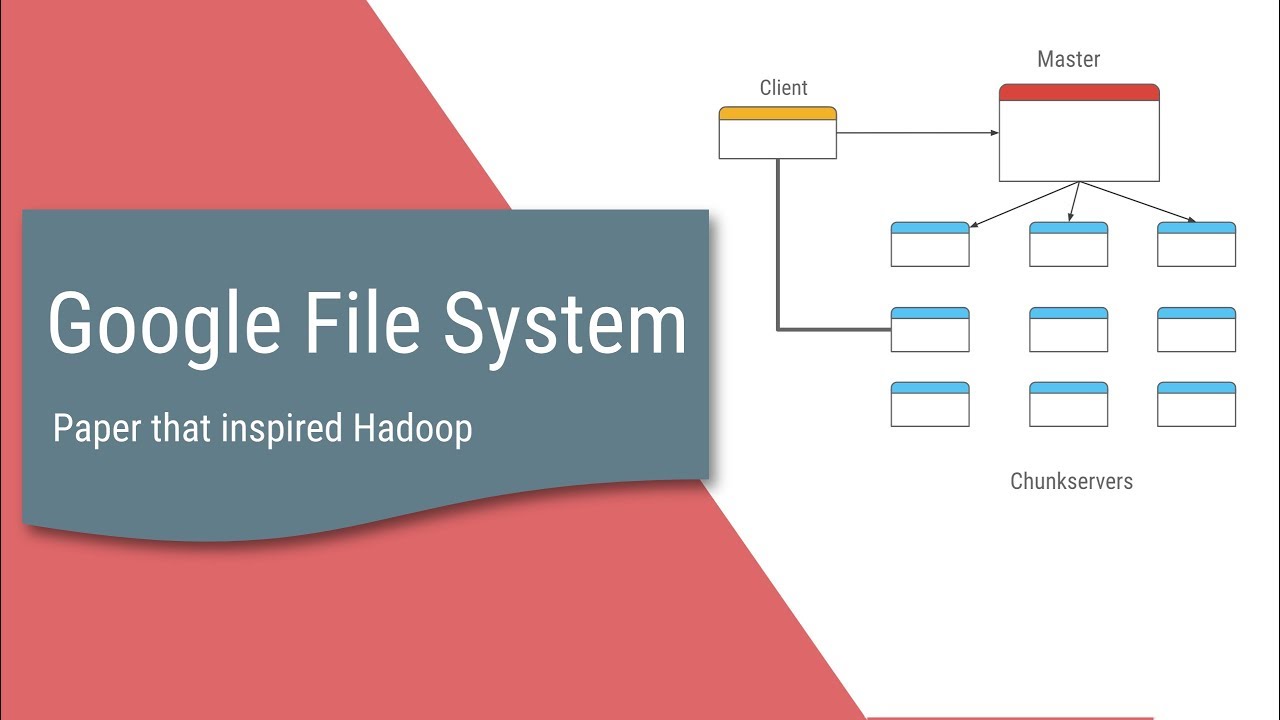
and their location represents the name note in the hdfs you achieve better scalability for tolerance and efficient data access by organizing your library into a distributed system system similarly hdfs enables large scale data storage fall tolerance and parallel processing for Big Data applications now let's look at the architecture of hdfs from the given diagram below name node is the master node in hdfs it stores the metadata about the file system including directory tree file permissions and file to block mapping it keep tracks of data blocks location and coordinate data access operations and then we have
data notes data notes are the slave nodes in hdfs they store the data blocks and perform read and WR operation as the name node directs data nodes are responsible for data block creation deletion and replication we have blocks so hdfs stores data in large blocks typically 64 or 128 megabytes here each file is divided into blocks and replicated across multiple data notes for fall tolerance rack so a rack is a collection of data notes grouped based on a physical proximity it helps in improving data locality and reduces Network traffic in hdfs a client refers to
the entity or applications that interact with the Hardo distributed file system it is typically a software program or component that utilizes the hdfs API to perform various operations on file stored in hdfs the client communicates with the hdfs Clusters to request file operations like Reading Writing or modifying now let's have a look at the file operations like file read and file right so here the client can read the contents of the files stored in hdfs it communicates with the name node to obtain the locations of the data blocks connects the appropriate data nodes to retrieve
the data the client can read the entire file or specific portion of it next file write here the client can write data to files in hdfs it communicates with the name node to obtain Block locations and then interact with data notes to write the data blocks the client can perform single wres or uptain data to existing files and next we have data modeling in hdfs hdfs follows a right On's read manyu model which means that once a file is written it is not modified however new data can be appended to the existing file so here
are some key aspects of data modeling in hdfs first we have file organization files in hdfs are organized in a hierarchal directory structure similar to the traditional file system directories can be created to manage and collect the data effectively next we have replication hdfs replicates data blocks across multiple data nodes for fall tolerance the default replication factor is typically three meaning each block is stored on three data nodes the replication Factor can be configured based on the desired level of fall tolerance and the third we have data locality hdfs optimize data access by keeping the
computation close to the data it tries to schedule task on the same data nodes where the data blocks are stored to the minim it tries to schedule task on the same data notes where the data blocks are stored to minimize network transfer and next we are moving on to the best practices for managing data in hdfs effectively manage data in hdfs consider the following best practices first we have data organization design a logical directory structure that suits your data access patterns and faciliates easy data management organize data into meaningful directories and subdirectories next we have
file size hdfs performs best with large files rather than a large number of small files aim to have multiple file size of the block size to maximize data locality next we have replication Factor configure the replications factor based on the importance of the data and the available storage capacity higher replication factors provide better fall tolerance but require more storage next monitoring and maintenance regularly mon monitor your hdfs cluster's health and promptly address any issues monitor dis space utilization block distributions and cluster performance next backup and Disaster Recovery Implement a backup and Disaster Recovery strategy to
ensure data durability regularly backup critical data and replicate it across different cluster or locations following this guidelines lets you maximum hdfs architecture and feature to effectively store and process large scale data with this we have come to the end of this video on what is hdfs I hope this video was informative and interesting until next time thank you and keep learning staying ahead in your career requires continuous learning and upskilling whether you're a student aiming to learn today's top skills or a working professional looking to advance your career we've got you covered explore our impressive
catalog of certification programs in cutting Edge domains including data science cloud computing cyber security AI machine learning or digital marketing designed in collaboration with leading universities and top corporations and delivered by industry experts choose any of our programs and set yourself on the path to Career Success click the link in the description to know more hi there if you like this video subscribe to the simply learn YouTube channel and click here to watch similar videos to ner up and get certified click here