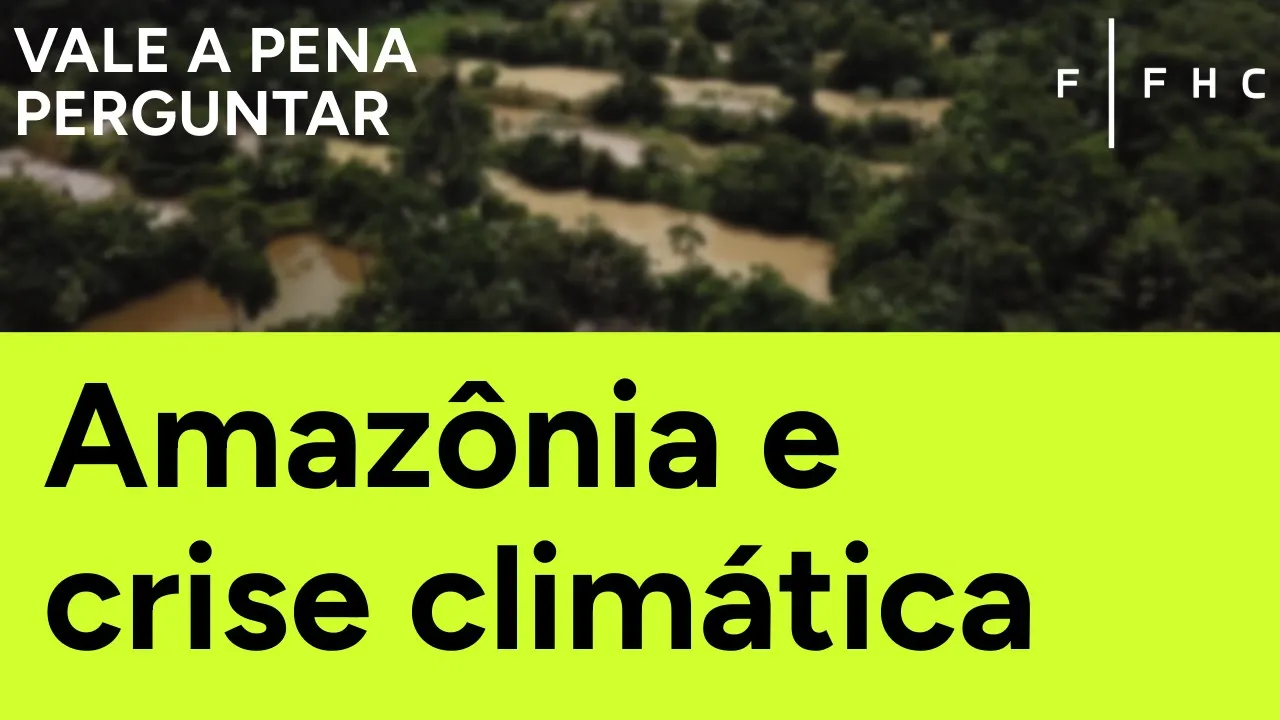
Why is the world worried with Brazil? It is fundamentally concerned about the Amazon carbon sink. The Pan-Amazon carbon sink, of which Brazil has 62% sovereignty It is equivalent to around 10 to 14 years of global carbon emissions.
If someone asks a Brazilian which municipality emits the most, I think São Paulo would win by a landslide. But the reality is that the cities that emit the most greenhouse gases, in the Brazilian case, are in the Amazon region. What we are living these days with heat waves, if we lose the Amazon, we really lose hope.
The Amazon cannot go beyond what we call the point of no return, It is the point from which it accelerates exponentially, which, according to some, is 25% of forest loss, while others say it could be 40%. Brazilians, particularly Carlos Nobre, are strong supporters of the 25%, a figure that we are very close to already. What's the tipping point?
There is no need to destroy the last tree in the Amazon to make that ecosystem unviable. After a certain point of degradation, it becomes unviable. So we really need a new development model for the Amazon region.
Brazil has a lot of expertise in agroforestry, specially in the Amazon. We have capacity to produce agroforestry, which is to restore the forest so that it becomes forest again where possible, and together wit the forest, under the shade of the trees or in compatibility with the forest, produce cocoa, açaí, coffee. So we can look at at least another 40 chains in the Amazon that can now go from artisanal to become export products.
Organizing these chains based on biodiversity is very interesting, very beautiful, but there is no logistics. We hear several attempts to develop biodiversity assets, but how do you get the product out of there? It is very difficult.
There is enormous potential for what is called bioeconomy. But bioeconomy also has pitfalls. An entire segment of bioeconomy can me made possible associated, for example, with the exploitation of Amazonian biodiversity, and the production of inequalities.
Or it can be done by creating productive arrangements, business models that guarantee a fairer sharing of the results produced with the local population. So there need to be measures that last. And these measures include land regularization, economic instruments and a new production model, mainly for the Amazon, which is based on socio-biodiversity products, which uses local products, which industrializes with low-carbon plants to create jobs in the region, and invest in technology and research.
The Amazon is not the lungs of the world. That is a misconception because there is a balance between the oxygen it produces and the one it consumes. The Amazon is a complex organism in equilibrium.
That equilibrium is being affected by climate change, deforestation, and the elimination of many species. So, the ecological cycle of some chains is breaking. Mercury contamination is huge.
The threats are endless. Today the harshest and saddening observation is the deeply rooted presence of drug trafficking. There are many factions controlling the Pan-Amazonian territory.
Many criminal groups operate in a very orderly manner, with several integrated crimes. One finances the other. The money from gold, from drug trafficking, finances deforestation to cut wood and so on.
Land grabbing is a very problematic issue and the resolution of deforestation control involves, among other things, the land issue, taking public lands and guaranteeing public allocation, guaranteeing they are destined to conservation units, forestry concessions, communities under a collective regime for agroforestry. With the advancement of climate change, Brazil has become one of the countries where large-scale restoration is possible, one of the few countries where we have seeds that come from conserved forests because there needs to be conservation. Who loses with the development model adopted by Brazil?
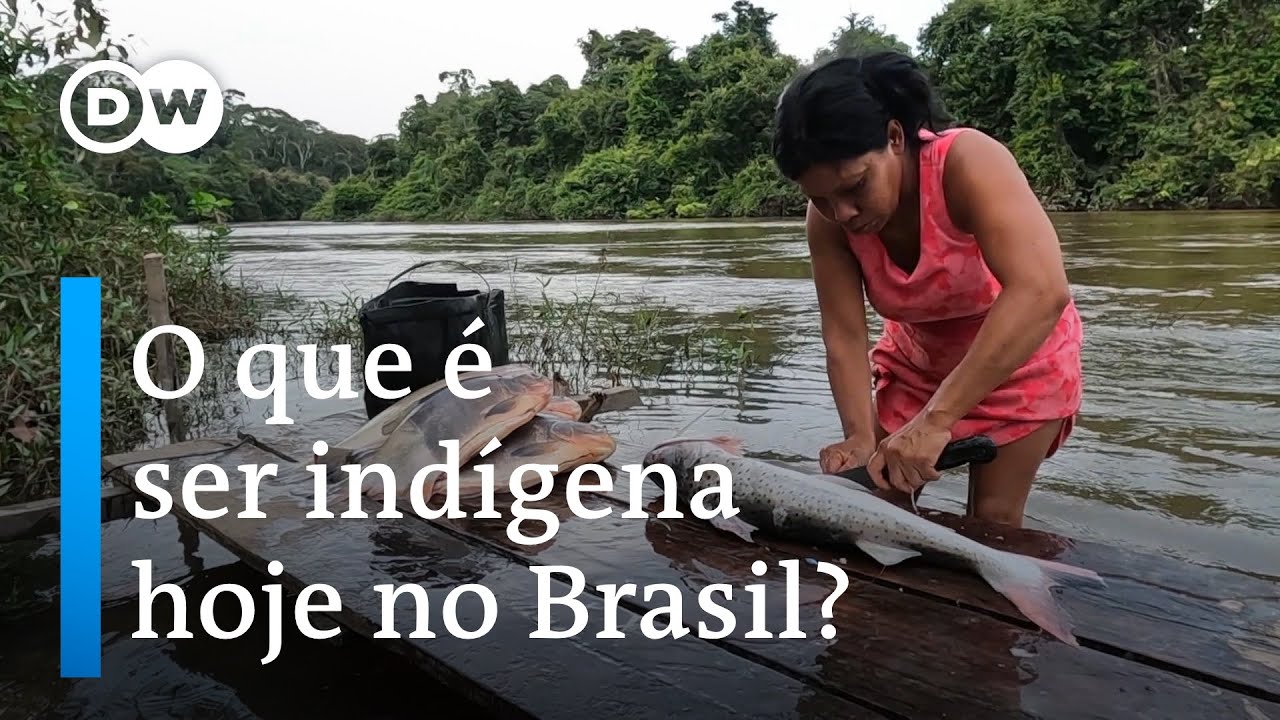
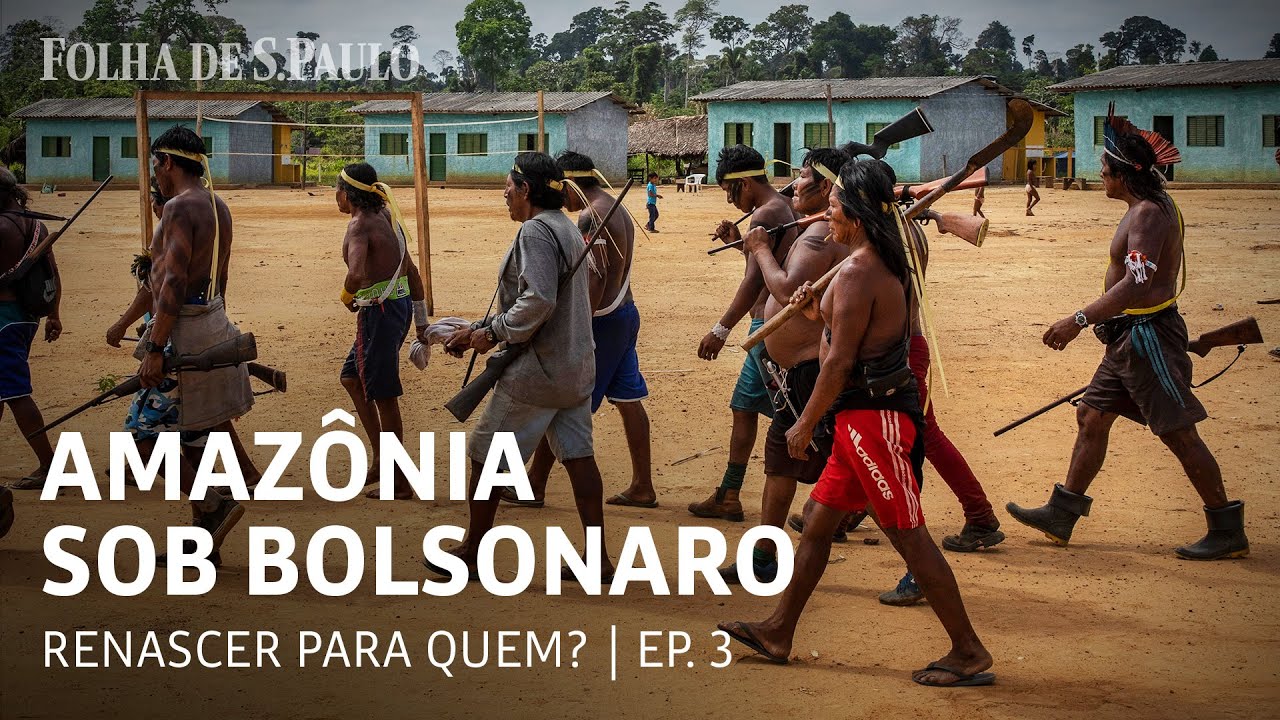
I think the traditional populations have lost a lot, the indigenous peoples, that did not have opportunities nor, on the one hand, to have their way of life respected and guaranteed. And Brazil didn't need to destroy the lifestyles of these populations in order to enable the production of wealth. There wasn't a lack of land.
In short, that wasn't necessary. Thinking about our initial discussion on development models, we really need to refound a development model that assumes the forest standing. Because the model that was imposed will only lead to the end of the Amazon.
So it needs to be a decarbonized territory. Oil and gas exploration is not the future of the Amazon. The future of the Amazon is the forest and the resources that the forest can provide.
We need to talk more about this. We need to stop being afraid about the end of the world, because it is not the end of the world. We have in Brazil more than 200 people who speak more than 200 languages, who bring millennia of culture, who were the object of genocide and who today are the greatest conservators and preservers of the forest that still remains, which is what generates water for Brazilian agribusiness and agro-exporting economy.
So agribusiness was supposed to love indigenous people. The Brazilian rural sector was supposed to be the first defender of the indigenous population. Why?
Because they don't give up on the forest.