Imagine, nearly 74,000 years back, Earth witnessed an explosion unlike anything in human history. The Toba super-eruption, its might, equivalent to thousands of nuclear bombs, hurled a staggering 1. 7 billion Tonnes of sulfur dioxide into our atmosphere.
To grasp its colossal scale, let’s compare it to the eruption of Mount Pinatubo in 1991, which looks a hundred times smaller in comparison. Now, think about the 1815 blast of Mount Tambora, leading to the infamous "year without a summer," where bewildered New Yorkers saw snow in June. Yet, even this event was a mere whisper compared to Toba’s earth-shaking roar.
This ancient cataclysm drove humanity to the brink, slashing our numbers to a mere 3,000 to 10,000 survivors. It was a natural nuclear winter that almost wiped the slate clean, yet here we are, the resilient offspring of those who weathered Earth's fury. But here's a chilling thought: what if the next nuclear winter is one of our own making?
Could we, the descendants of those ancient survivors, withstand a catastrophe we triggered ourselves? From 1961 to 2003, the United States had a blueprint for Armageddon, known as the Single Integrated Operational Plan, or SIOP. This wasn't just any plan—it was the ultimate playbook for nuclear war, detailing how, when, and where the U.
S. would unleash its atomic arsenal. The President had at their fingertips a variety of options for retaliation, offense, or deterrence, intricately outlining the doom of launch procedures and the grim dance of destruction targeted against adversaries.
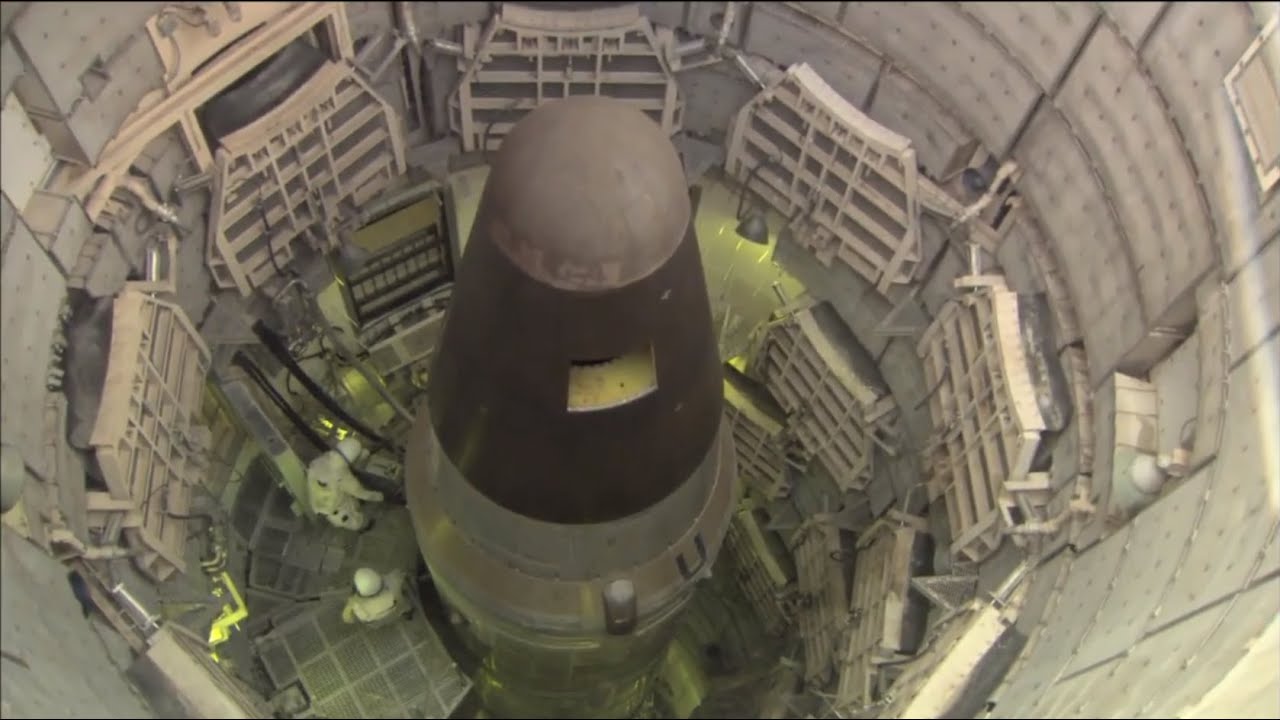
At the heart of the SIOP was the nuclear triad, a three-pronged approach to ensure second-strike capability. This formidable trio included strategic bombers, land-based intercontinental ballistic missiles (ICBMs) primed for launch, and the stealthy, lurking presence of submarine-launched ballistic missiles (SLBMs). This triad is the backbone of America's nuclear strategy, designed to deter any thoughts of aggression.
From the cold corridors of power during the Cold War to today's tense geopolitical chessboard, nuclear weapons remain at the heart of global strategy. Currently, the United States officially holds 5,550 nuclear warheads, while Russia's arsenal is declared at 6,257. Across the globe, nuclear-capable states acknowledge possessing about 13,000 warheads, yet whispers and estimates hint that the actual count might be even more alarming.
Since the atomic age dawned in 1945, humanity has witnessed 2,475 nuclear detonations for testing purposes, a testament to the terrifying capacity for destruction that now lies in human hands. The vast majority of these tests were conducted by the United States and the Soviet Union, marking the planet with their explosive signatures. Remarkably, only two of these immense forces have ever been used in warfare—against Nagasaki and Hiroshima.
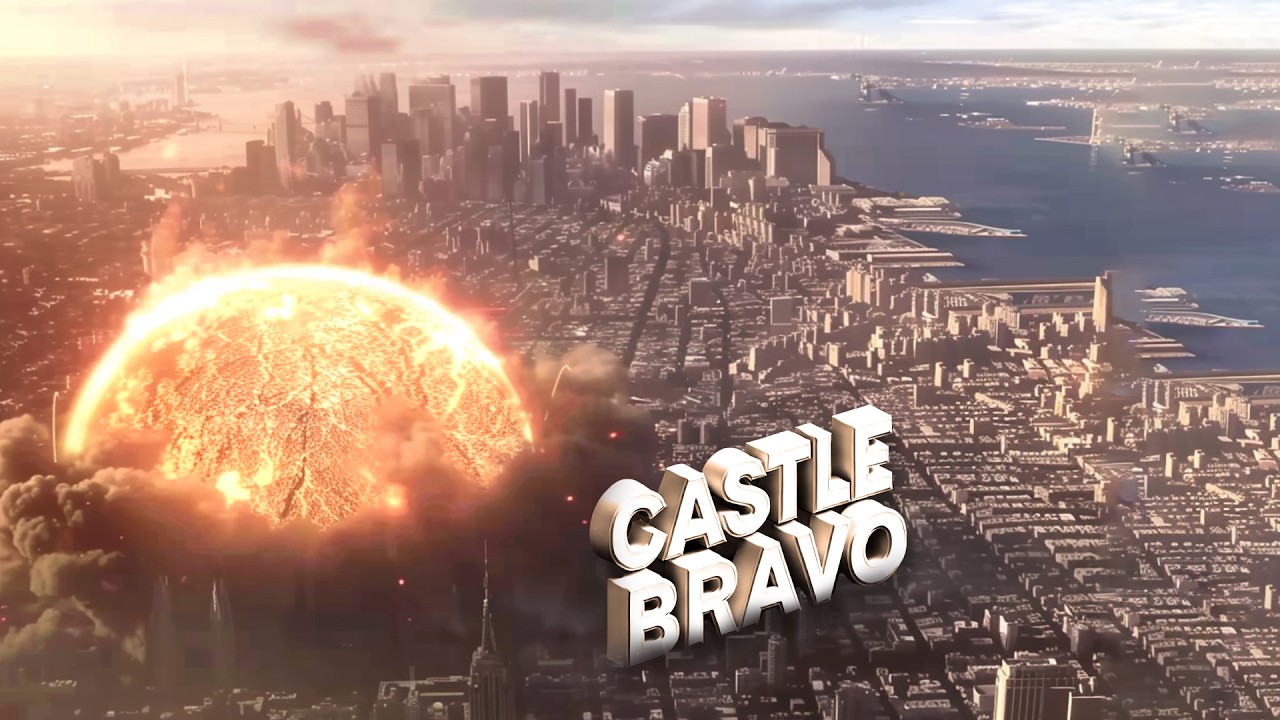
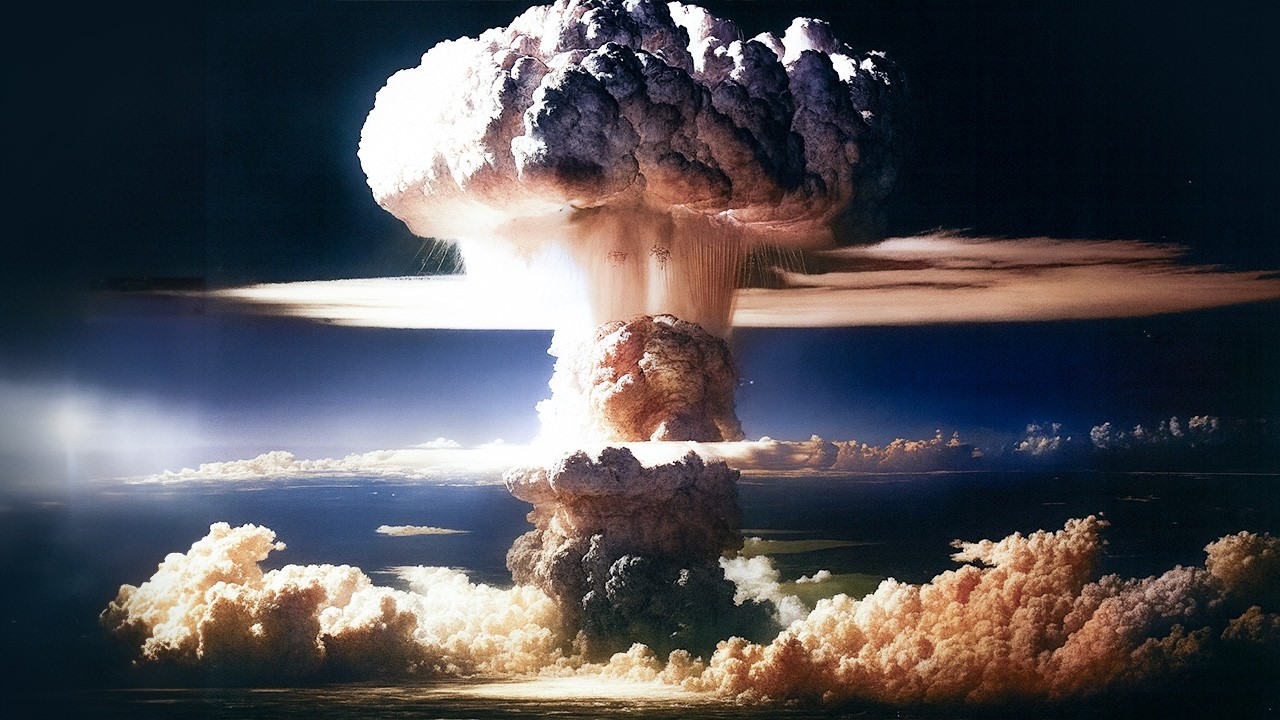
The United States' pinnacle of nuclear might is the B83, a thermonuclear gravity bomb with a maximum yield of 1. 2 megatons—equivalent to around 57 blasts at Nagasaki. However, this formidable weapon is overshadowed by the past spectacle of Castle Bravo, a behemoth that, in 1954, unleashed 15 megatons of TNT, dwarfing Hiroshima's tragedy a thousandfold.
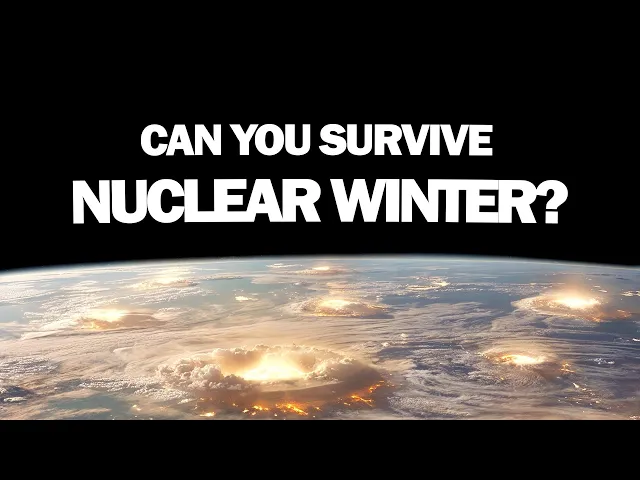
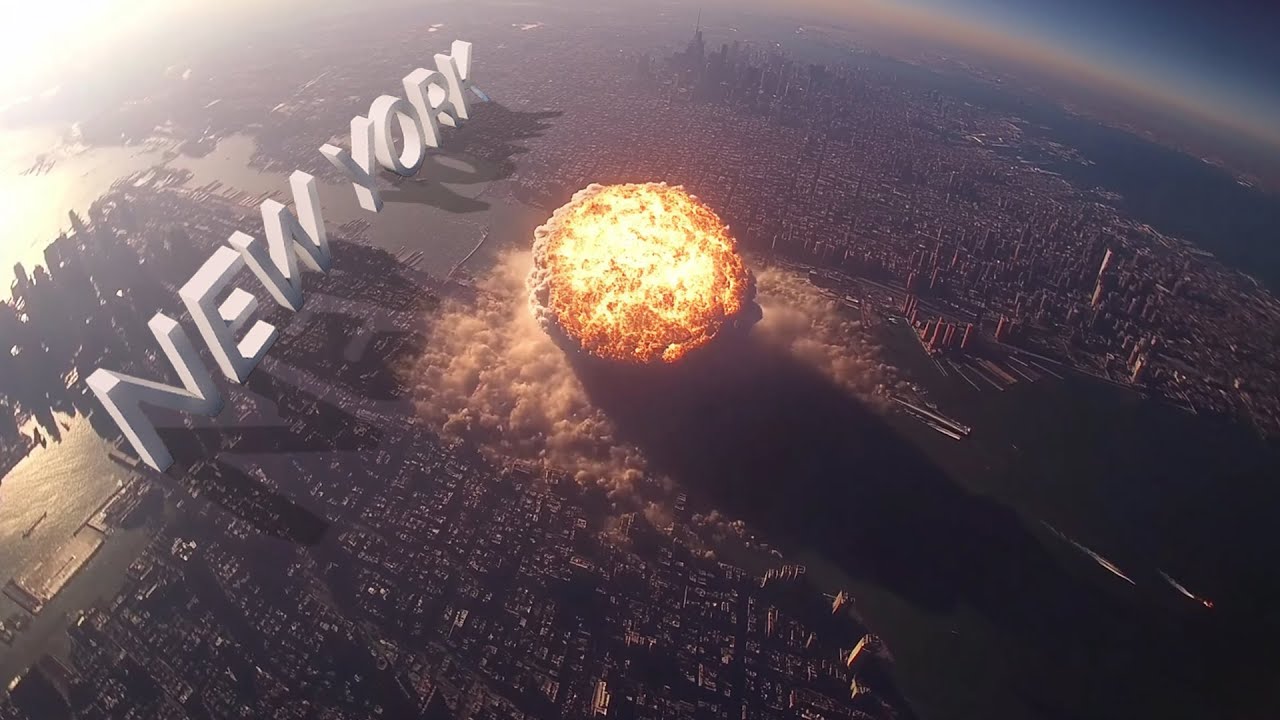
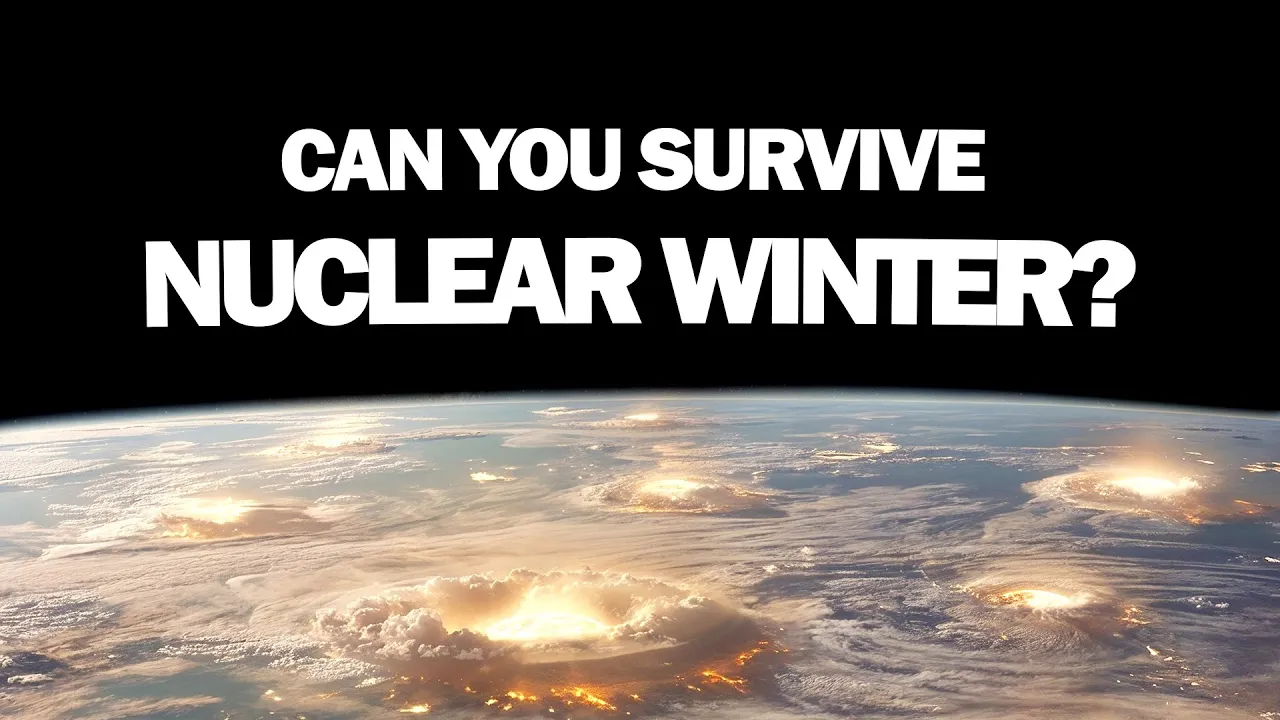
But even Castle Bravo itself is overshadowed by the Tsar Bomba, the Soviet Union's ultimate expression of nuclear prowess. With a yield of 50 megatons of TNT, this leviathan of destruction could have, in theory, doubled its devastating power to 100 megatons with uranium-238. Now, imagine this behemoth detonated over downtown Los Angeles; the catastrophic blast radius you're about to see would be visible from the International Space Station—a vivid illustration of the absolute power and peril that nuclear technology holds over us all.
However, in the shadowy realm of nuclear warfare, it's not the behemoths that pose the greatest threat to our survival—it's the multitude. Astonishingly, experts have come to a consensus that mere hundreds of low-yield nuclear weapons, if detonated simultaneously, could trigger a decade-long nuclear winter. This chilling scenario underscores the fact that the true horror lies not in the explosive might of a single weapon but in the collective aftermath of many.
The severity of a nuclear winter, a term that conjures images of darkened skies and frozen lands, hinges on the total number of nuclear detonations. It's a grim reminder that in nuclear war, quantity has a quality all its own. Renowned astronomer Carl Sagan, along with his colleagues, delved deep into this dark prospect through the pivotal study "Climate and Smoke: An Appraisal of Nuclear Winter.
" Their work illuminated the devastating impact that nuclear conflict could unleash upon Earth's climate. In the grim aftermath of a major nuclear exchange, the concept of nuclear winter transitions from a theoretical nightmare into a chilling reality. Imagine thousands of nuclear weapons detonating simultaneously across the globe.
This catastrophic event would not only obliterate cities but also catapult massive amounts of debris, ash, soot, and aerosols into the atmosphere, creating dense global dust clouds. These clouds would act as a formidable barrier, blocking the sun’s rays for years and severing the planet’s lifeline to the sun's energy. As sunlight fails to pierce these clouds, Earth would undergo a dramatic cooling.
Temperatures would plummet worldwide, transforming regions known for their warmth into landscapes more reminiscent of the arctic tundra. This sudden shift would plunge the world into an artificial ice age, radically altering climates and ecosystems. Take Europe, for instance, currently basked in the temperate warmth provided by the North Atlantic Drft.
This ocean current acts as a natural thermostat, but in the wake of nuclear winter, its flow could be disrupted, dressing Europe in a climate more akin to Canada. This dramatic cooling, while daunting, pales in comparison to the domino effect on agriculture. Shortened growing seasons would spell disaster for crop yields, striking a fatal blow to the foundation upon which civilizations stand.
The ensuing famine could decimate Earth's population, with survivors grappling with severe vitamin and mineral deficiencies, leading to widespread disease and illness. As if that was not bad enough, the barrage of nuclear detonations would wreak havoc on the ozone layer, amplifying the sun’s ultraviolet radiation reaching the Earth's surface. The heightened UV exposure could lead to an increase in cancers, particularly skin cancer, and significantly damage eyesight, necessitating protective eyewear with UV filters to prevent blindness.
Amidst this chaos, the initial destruction would be horrific, with mass fires potentially consuming everything within thousands of square kilometers, claiming hundreds of millions of lives within hours. Yet, the prolonged aftermath of a nuclear winter, with its billions of potential casualties, poses an even graver threat. The creation of firestorms, capable of sending millions of tons of soot into the stratosphere, would further blanket the Earth, obstructing sunlight and ensuring a dark, cold, and barren world.
In this dark scenario, one might wonder how survival is even conceivable. How can humanity endure through a nuclear winter? The answer lies not in preventing the onset of such a winter—once the threshold is crossed, the cascade of environmental catastrophes is inevitable—but in understanding the mechanisms of survival in a world where sunlight, warmth, and food are scarce.
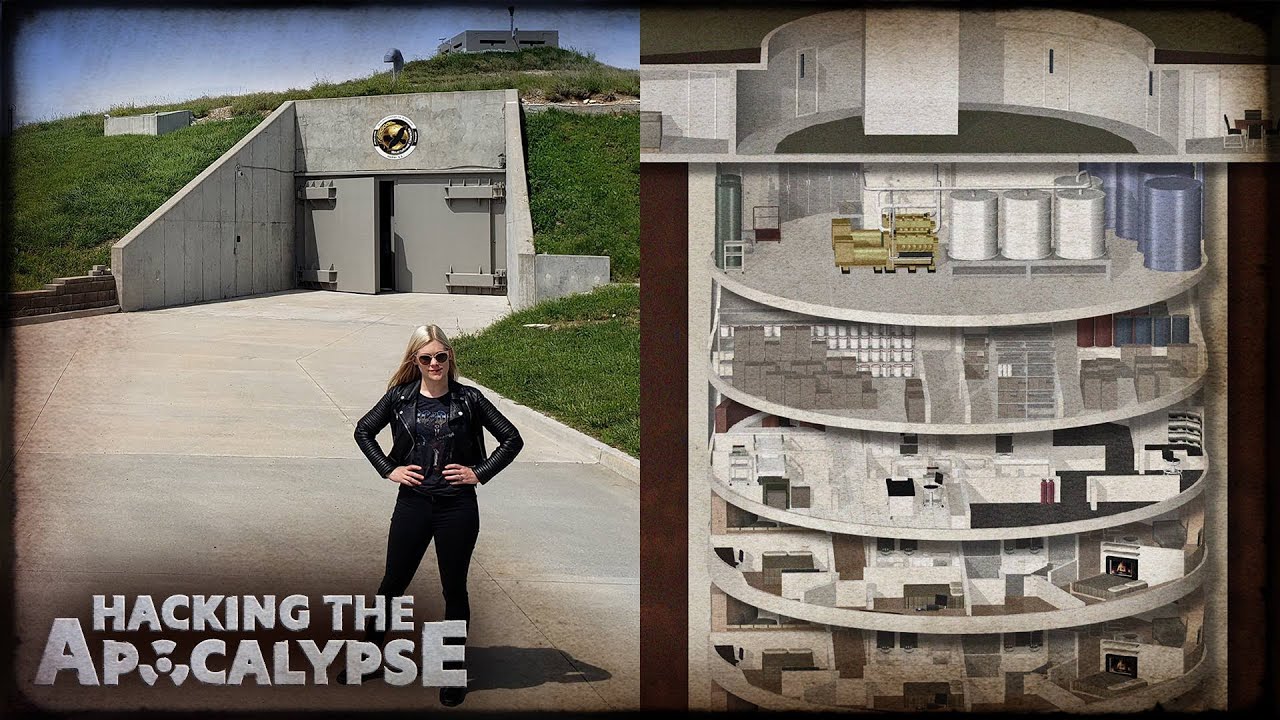
Resilience, innovation, and preparedness could be the keys to navigating the long, cold night of a nuclear winter. In the possibility of a global nuclear war, Switzerland is possibly the safest place in the world. Unique in its foresight, Switzerland stands as the only nation equipped with sufficient nuclear fallout shelters to protect its entire population.
A remarkable law enacted post-1978, mandates that every residential building must incorporate a nuclear shelter, capable of withstanding the devastating impact of a 12-megaton blast from as close as 700 meters. Those unable or unwilling to integrate such a bunker into their homes must contribute to community shelters instead. The country is dotted with an astounding 8.
6 million fallout shelters, ensuring unparalleled access to safety. Among these, vast public shelters, stand ready to harbor up to 2,000 individuals. These sanctuaries are not just about survival; they are designed to sustain life for over four months, a testament to Switzerland's commitment to the welfare of its citizens in the face of unthinkable disaster.
However, securing a place within a nuclear fallout shelter, while significantly increasing one's chances of surviving the initial onslaught of a nuclear war, marks only the beginning of a long cold journey. The aftermath, a world forever altered by nuclear fallout, presents challenges far beyond the initial survival. In the unforgiving aftermath of a nuclear winter, understanding the rule of threes becomes crucial for survival.
This simple guideline helps prioritize needs in the most critical situations, allowing individuals to make informed decisions amidst the chaos of environmental dangers or personal injury. Here's a breakdown of the rule: The first threshold is air: you can last only three minutes without breathable air before unconsciousness claims you, or if you find yourself in frigid waters. Next is shelter: in extreme conditions, whether scorching heat or biting cold, three hours is your limit without adequate protection.
Water is the third essential; humans can manage three days without it before dehydration becomes a serious threat. Finally, food: in the absence of sustenance, you have up to three weeks before starvation becomes critical. Let's delve into each of these survival essentials and how they apply in the stark landscape of a nuclear winter.
While in the rules of 3 we have to find breathable air, In the wake of nuclear fallout, locating a radiation-free zone becomes paramount. One should steer clear of large craters, as they're hotbeds for intense radiation. Additionally, securing iodine pills is a smart move to counteract radiation poisoning, offering a crucial shield in your survival arsenal.
In a nuclear winter, the pervasive cold emerges as a critical threat. Ensuring your shelter is well-insulated is critical to survival, as maintaining warmth becomes a matter of life and death. Knowing how to set up proper insulation is your best defense against the relentless, bone-chilling cold.
In a nuclear winter, finding fresh drinking water becomes a significant challenge. While it might seem that snow would be abundant, the reality is more akin to a frozen desert. Where snow does exist, it's likely contaminated with radioactive particles.
Thus, purifying any available water is not just important—it's critical for survival, underscoring the need for reliable filtration methods in this stark new world. Finally, securing food in a nuclear winter, where global famine prevails, will be an immense challenge. As nuclear devastation disrupts manufacturing and distribution, scavenging for goods becomes increasingly difficult.
While hunting might appear as a viable option, the reality is that the nuclear fallout would have severely disrupted the complex food web, making even this option less reliable than one might hope. So, can you survive a nuclear winter? While adhering to the rule of threes in survival might offer a glimmer of hope, it's a stark reminder of our precarious position.
Our species has once navigated through the aftermath of a colossal volcanic eruption, a natural nuclear winter that nearly obliterated us. Yet, the prospect of enduring another nuclear winter—this time, from our own actions—casts a long shadow of doubt over our collective fate. By igniting the world in a nuclear inferno, we possess the harrowing capability to induce a global freeze, a self-inflicted ice age that could halt the very essence of intelligent life as we know it.
This scenario begs the question: is the pursuit of power worth the risk of freezing the world over? It's a chilling reminder that the power to shape the future of our planet—and to safeguard the continuity of our species— for now, rests in our own hands.