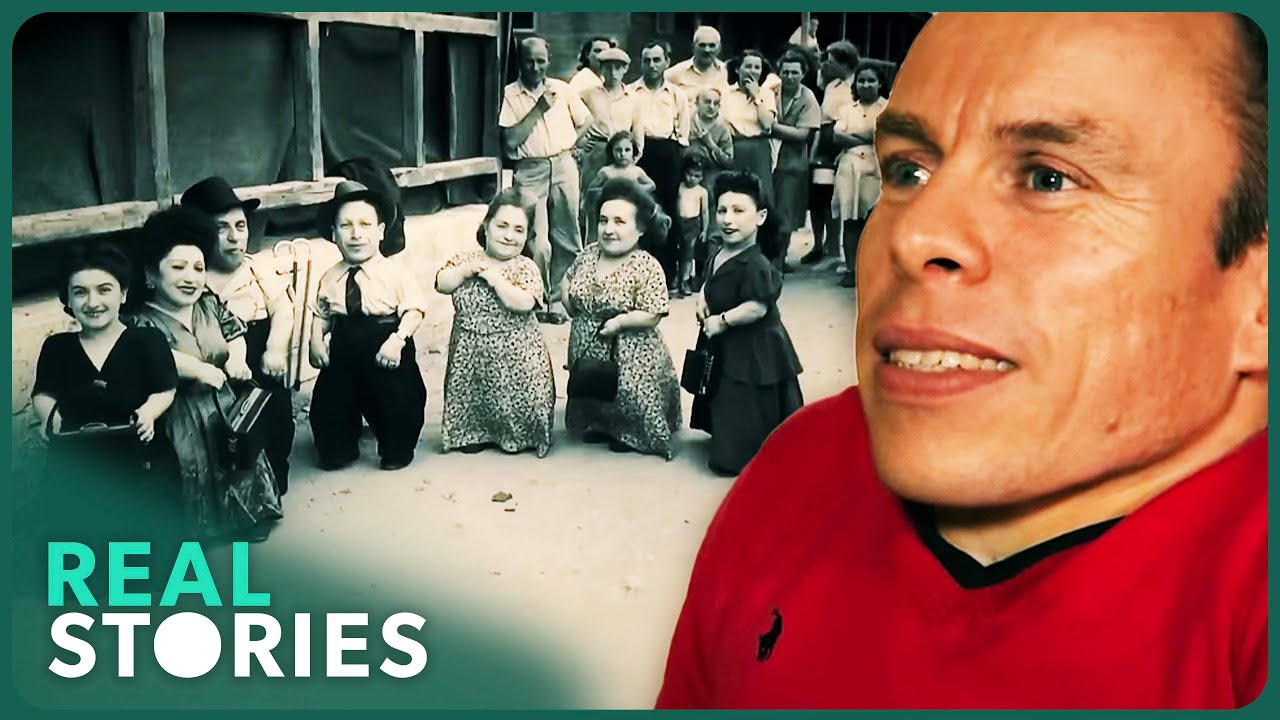
it was the night of may 16 1944 the auschwitz birkenau nazi death camp hundreds of romani people armed themselves with hammers pipes and shovels they'd been warned the day before that the nazis planned to execute all six thousand of them at the camp several guards went inside the building to round up the roma but they had barricaded themselves they refused to leave and the guards had to retreat those who fought back that day were eventually killed in august even under the most dire circumstances the romani people had resisted the nazis but decades after the holocaust
the roma community continues to experience widespread discrimination when people talk about the holocaust they talk about the tragedy and horror of six million jewish lives being lost to the nazi war machine but they never mention the thousands of gypsies that were killed by the nazis no one ever wants to talk about that because no one ever wants to talk about the positives it's centuries of dehumanization and i think it's so sad that we need to emphasize that we're human that we're not animals to people to actually have the right to be respected this is the
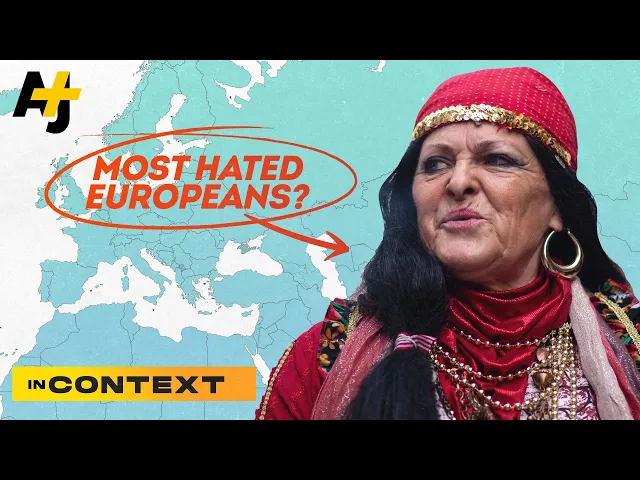
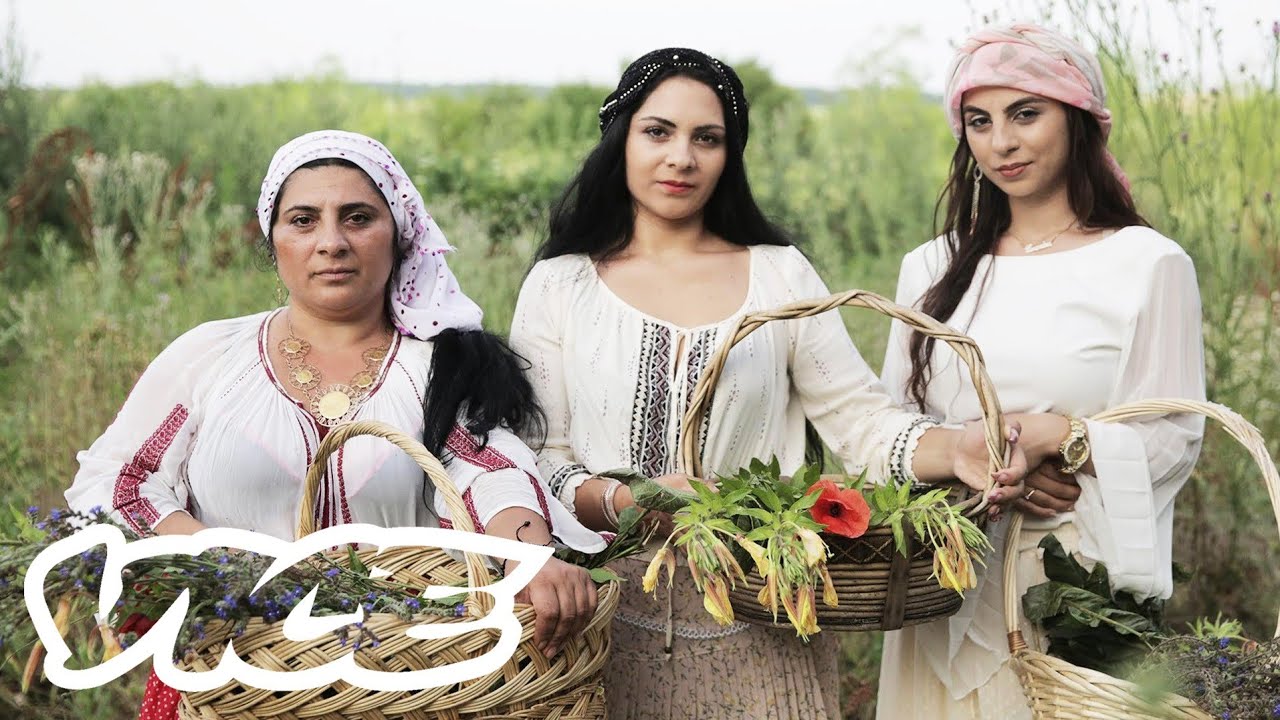
story of a brutally targeted community's fight for survival first who are the romani people they actually aren't just people from romania the roma are an ethnic group historians believe romani people first arrived in europe from northern india about a thousand years ago today the romani community can be found all over the world and they're europe's largest ethnic minority group around 12 million people like did you know this guy was romani and this originated from the romani community in spain but despite the size and diversity of their community the romani people have been fighting against social
stigmas for years a huge stereotype is that all romani people travel from city to city never settling in one place because of this romani people have been known by various names such as roma travelers and [Music] that word is often used interchangeably to mean a member of the romani community of which shakira is not and it's almost never used in a positive sense look captain gypsies the gypsies live outside the normal order and they must be stopped i've heard people come up to me and say i'm a gypsy too i like to travel you know
i have a gypsy soul and all of that stuff but like it's not a lifestyle it's not like we decided that we're gonna travel around the world because we have nothing else to do it's because of persecution uh that the community has been nomadic the portrayal of the romani community is a wider problem rooted in something much deeper this is part of how how racism and anti-roman racism usually functions there are all these uh mid-crafts that are constructed above roma that make roma look lazy criminal dirty so that white europeans don't feel the moral responsibility
and the accountability to actually do something about racialized poverty and racism which are realities of the present time but are also legacies of a history of injustice that injustice can be traced back centuries beginning in the 1370s romani people were forced into chattel enslavement in romania which lasted until the late 19th century and similar to the u.s there were no reparations paid to those who had suffered throughout that slavery all across europe romani people were also subjected to laws suppressing their culture and efforts to exclude them from mainstream society like being forced to go to
segregated schools or prohibited from buying land i think that there is a lot to say about this whole mythology that roma do not value education that roma do as a culture we are not interested in in education so i don't think it is a tradition i think it's in some cases it's a response to oppression is a response to fear is a response to disappointment but it was nazi germany that decimated the community the nazis murder of six million jews in the holocaust is well known but the hundreds of thousands of roma murdered alongside them
have largely been ignored nazis targeted romani people for being supposedly racially inferior and by the end of the holocaust many countries had lost more than 80 percent of their roma populations so much death and yet still to this day the romani people have to fight for their losses to be recognized romani people continue to be targeted throughout europe with the un warning in 2021 that hate speech and violence against them were on the rise and that's why a lot of folks especially the most vulnerable ones amongst our community will stay within the community and then
you could have a phd you could be a journalist you could run a media and people will still come up to you and say really racist things to you but also treat you as if you're not worthy of life you're not worthy of time you're not human for instance the gypsy hunts that were organized in different parts of of europe including in some of the nordic countries the four civilization of romani people which happen of romanian women which happened not only in the czech republic and slovakia but in many other european countries before during and
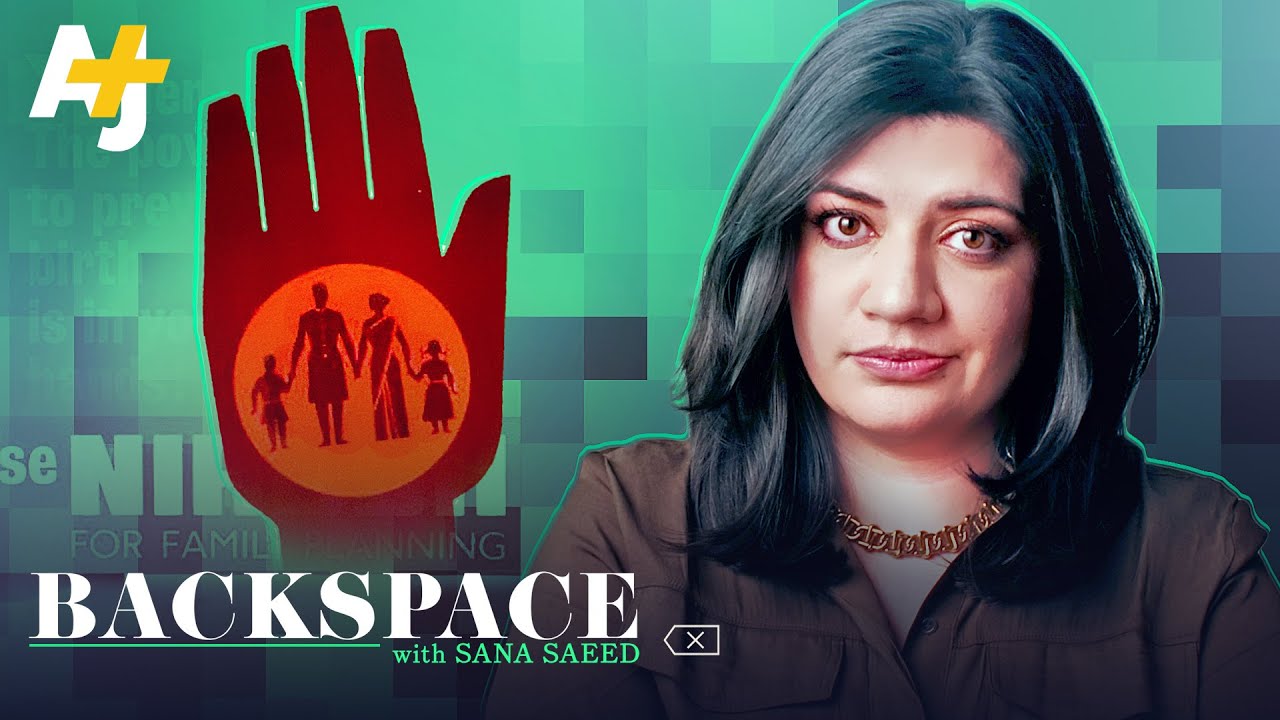
after the after the holocaust today around 90 percent of romani people in europe live below the poverty line in some countries romani children are forced into segregated schools or special classes back in 2013 a hungarian mayor shut down public water pumps that the romani community depended on saying the free water supply was being wasted and in 2019 bulgarian officials proposed what they called a roma integration strategy to limit the number of children romani women could have by offering free abortions poll after poll shows many europeans hold deeply negative views about the roma people the problem
is that we face structural inequities the problem is that we face racist structures so why don't we fix these racist structures and spaces as opposed to thinking that roma are inferior and that's why you can't talk about the current conditions of the romani community without acknowledging the centuries of discrimination racism and oppression i hope that in the coming years we will not be always uttered but i also hope that [Music] we will be given the resources not to be you know but that also means that some people need to give up their seats both dr
matate and leila savage believe that in order for anti-romani racism to be dismantled there needs to be an honest discussion about how societies share power this means it's not just about inclusion and representation but having realistic reforms that put romani people in positions of power we can't really disconnect racism from power because these two are interconnected and just like on the night of may 16 1944 the roma community is not backing down i think that were a very resilient community and try to understand what is your role in anti-gypsyism right like are you sustaining it
or are you challenging it you