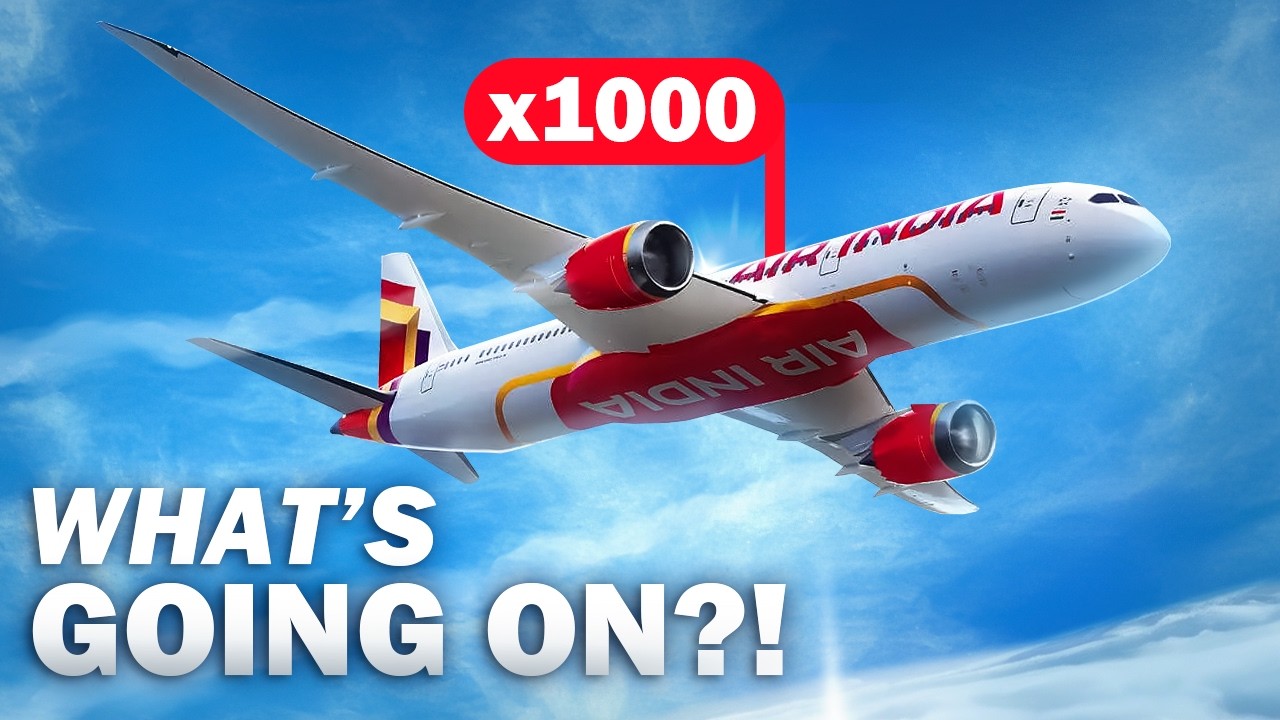
something is happening with Air India amidst the turbulence of the global aviation industry the airline has made a surprising decision to Halt Boeing aircraft orders in the future with a large scale restructuring underway this move is bound to have a significant impact on its growth strategy but why has Air India chosen to pause cooperation with Boeing what is the airline planning let's find out Air India is undergoing a major restructuring with a strong focus on fleet modernization to to strengthen its Market position in 2023 the airline signed significant orders with both Boeing and Airbus to
support its long-term growth strategy however Air India has recently made a bold statement regarding its future aircraft orders Campbell Wilson CEO of this Airline emphasized that the airline will not make any new commitments with Boeing at this time he stated that the airline wants to observe the American manufacturer restructuring process over the next few years before making a definitive decision this is a noteworthy move reflecting the Indian Airlines cautious approach amid the challenges Boeing is currently facing over the past half decade Boeing has experienced a turbulent period marked by a series of missteps that have
severely impacted its operations and finances as a result supply chain issues delivery delays and concerns over product quality have emerged these challenges have led Air India and many other airlines to reconsider their Rel relationship with the American manufacturer Wilson emphasized that their Airline will only commit if they can have complete confidence in the quality of the products Boeing delivers so how does Boeing situation affect Air India but wait thanks for sticking around until now we are on a journey to reach 50,000 subscribers so please help us by hitting the button if you haven't already done
so thank you for your tremendous support Wilson acknowledged that nearly every supplier Air India works with IS F facing its own challenges complicating the process of purchasing and receiving new aircraft though Boeing remains at the center of the most pressing issues this directly impacts the airline's Fleet expansion and renewal plans preventing this operator from swiftly replacing older aircraft which in turn reduces operational efficiency and increases maintenance costs additionally delays in aircraft deliveries mean Air India cannot launch new routes as planned this is particularly crucial as the airline seeks to expand its International operations to compete
with regional Rivals such as Emirates Qatar Airways and indigo Furthermore with delayed aircraft deliveries Air India is forced to continue operating its older Fleet incurring higher maintenance expenses and missing out on the fuel efficiency benefits of newer models like the Boeing 787 or 7x this directly affects the airlines financial performance and its ability to remain competitive in terms of ticket pricing Air India currently has hundreds of aircraft on order but many of these agreements include expansion options this is a common strategy in the industry allowing Airlines to flexibly increase orders as demand grows with India's
Aviation Market expanding rapidly this operator must ensure it does not fall behind as the 2030s approach meanwhile one of its key competitors Indigo has already laid out a longterm plan the airline has ordered 30 Airbus a 350s with an option to purchase an additional 7 bringing its potential total to 100 aircraft this demonstrates indigo's careful preparation for the future highlighting the need for Air India to make similar strategic decisions to maintain its Competitive Edge air India's actions are understandable given Boeing's Reckless indecisive approach and lack of accuracy in promising delivery timelines only to delay them
further these inconsistencies disrupt Airline operators strategic plans forcing them to constantly adjust their operations until there is certainty regarding Boeing's new aircraft operators will not take risks that could jeopardize their future even their survival Aviation experts believe that if Boeing improves product quality and resolves its ongoing issues this operator May regain confidence and proceed with new aircraft orders however for now the airline remains cautious while air India's order book may continue to grow its expansion Pace might not be as rapid as initially expected when it embarked on its rest R structuring plan ultimately everything will
depend on Boeing's next steps and the quality of the products it delivers to its customers do you think Air India made the right decision comment one if you agree or share your reason if you don't besides British Airways ba one of Europe's leading Airlines is grappling with significant challenges related to its Boeing 787 Fleet the airline has been forced to ground several of these aircraft due to ongoing issues with Rolls-Royce Trent 1,000 engines this situation has not only disrupted flight schedules but has also impacted Ba's ability to operate Long Haul routes which are a key
part of its Network the Boeing 787 plays a crucial role in British Airways Fleet particularly on InterContinental routes thanks to its fuel efficiency and longrange capabilities however persistent problems with the Trent 1000 engine ranging from initial design flaws to premature wear have led the airline to repeatedly withdraw aircraft from service for maintenance therefore ba has to adjust its schedules and seek alternative solutions to minimize passenger disruption according to internal reports these engine related disruptions are expected to continue throughout the year affecting the airlines operational plans while ba has faced challenges with the 787 before the
prolonged nature of this issue presents more significant strategic concerns including maintaining operational reliability and ensuring flexibility in its Fleet Management but is that the only reason or or is there a deeper motive behind it British Airways struggles with the Boeing Dreamliner are not solely due to engine malfunctions but are also tied to a broader Global Supply Chain crisis Rolls-Royce the manufacturer of the Trent 1000 engine has faced severe difficulties in sourcing replacement parts this has resulted in extended maintenance delays leaving grounded aircraft out of service for longer than expected in reality Rolls-Royce has been dealing
with Trent 1,000 issues for years design flaws related to fan blades and engine durability have forced the company to implement multiple corrective measures including component Replacements and design improvements however the pace of repairs has been significantly impacted by post-pandemic supply chain disruptions the shortage of spare parts combined with repair backlogs from numerous other airlines operating the same engine type has prevented Rolls-Royce from meeting the demand for timely overhauls as a result British Airways along with other affected Airlines such as Vietnam Airlines and Ana is facing a situation of Uncertain waiting unable to determine when engines
will be inspected when parts will arrive or when grounded aircraft will return to service this has not only reduced operational efficiency but has also led to additional costs associated with schedule adjustments and leasing replacement aircraft this crisis highlights the aviation industry's Reliance on engine Supply chains and the severe impact that technical issues can have on an airline's operations given the current Outlook British Airways may need to reassess its Fleet strategy and explore more sustainable long-term solutions to mitigate further disruptions notably this situation affects significantly ba operations firstly one of the biggest challenges ba faces is
the uncertainty surrounding when Rolls-Royce will fully resolve the engine issues unlike temporary maintenance downtimes where Airlines can plan for scheduled repairs the unpredictability of the current situation complicates long-term planning without a clear timeline for when the grounded aircraft will return to service this Airline must continuously reassess its scheduling often making last minute changes to compensate for the shortfall in capacity secondly this lack of certainty also affects the airline's ability to optimize Fleet utilization normally Airlines have flexibility in reallocating aircraft to different routes based on seasonal demand and market conditions however with multiple Dreamliners out of
service ba has fewer options and must be cautious in making route adjustments overcommit to a flight schedule could lead to last minute cancellations delays and customer dissatisfaction while overly conservative planning risks losing market share to competitors thirdly the operational impact extends Beyond passenger inconvenience adjusting schedules and reallocating aircraft comes with financial costs including higher operational expenses due to inefficient aircraft deployment and potential compensation for affected passengers additionally regulatory bodies impose strict guidelines on flight cancellations and delays meaning ba could face penalties if it fails to meet operational commitments ultimately the continued grounding of the Dreamliners
forces British Airways to balance Network efficiency with operational resilience the airline must carefully navigate these challenges to maintain reliability while mitigating Financial losses all while waiting for a resolution from rollsroyce that remains uncertain to mitigate the impact of ongoing Boeing 787 groundings British Airways has implemented a series of strategic adjustments to stabilize its operations as part of these measures the airline has reduced flight frequency to Doha to optimize aircraft allocation suspended its seasonal winter route to Bangkok for the 2024 2025 period and cancelled the London Heathrow Abu Dhabi route from March 30th to October 25th
2024 among these adjustments the cancellation of the Abu Dhabi route is particularly significant as the service had only recently been reinstated following disruptions caused by the covid-19 pandemic however given the current flea constraints internal assessments at ba concluded that maintaining this route would not be operationally sustainable rather than overextending its resources the airline has prioritized stability by focusing on routes that can be reliably operated without excessive risk of disruptions this measured approach is crucial as the continued loss of capacity from Boeing 787 groundings forces British Airways to adopt a more conservative stance on network expansion
with no clear resolution timeline from rollsroyce the airline must remain flexible making data-driven decisions about long-term scheduling while awaiting further updates from engine suppliers in the short term ba has focused on maximizing efficiency across its current Network by reallocating aircraft to higher demand routes and trimming underperforming services the airline aims to optimize its available resources however if the situation persists further adjustments may be necessary to prevent operational disruptions and maintain service reliability looking ahead British Airways top priority remains ensuring a realistic and sustainable flight schedule that minimizes disruptions rather than overextending its Network and risking
Mass cancellation the airline is strategically consolidating its operations to maintain reliability while the grounding of multiple Dreamliners presents challenges Ba's measured response will likely help it navigate this crisis while safeguarding its long-term operational integrity