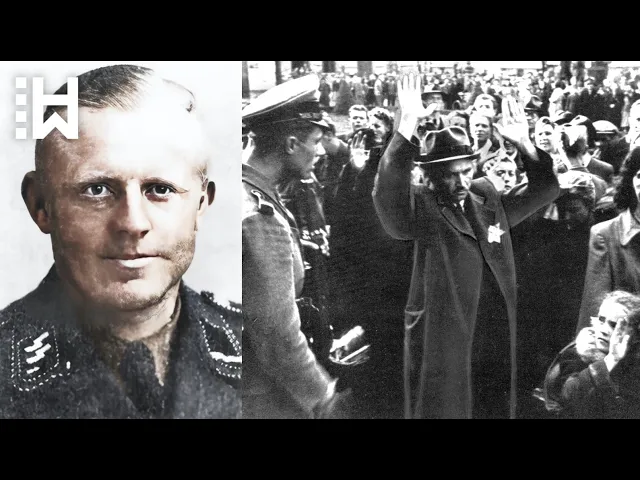
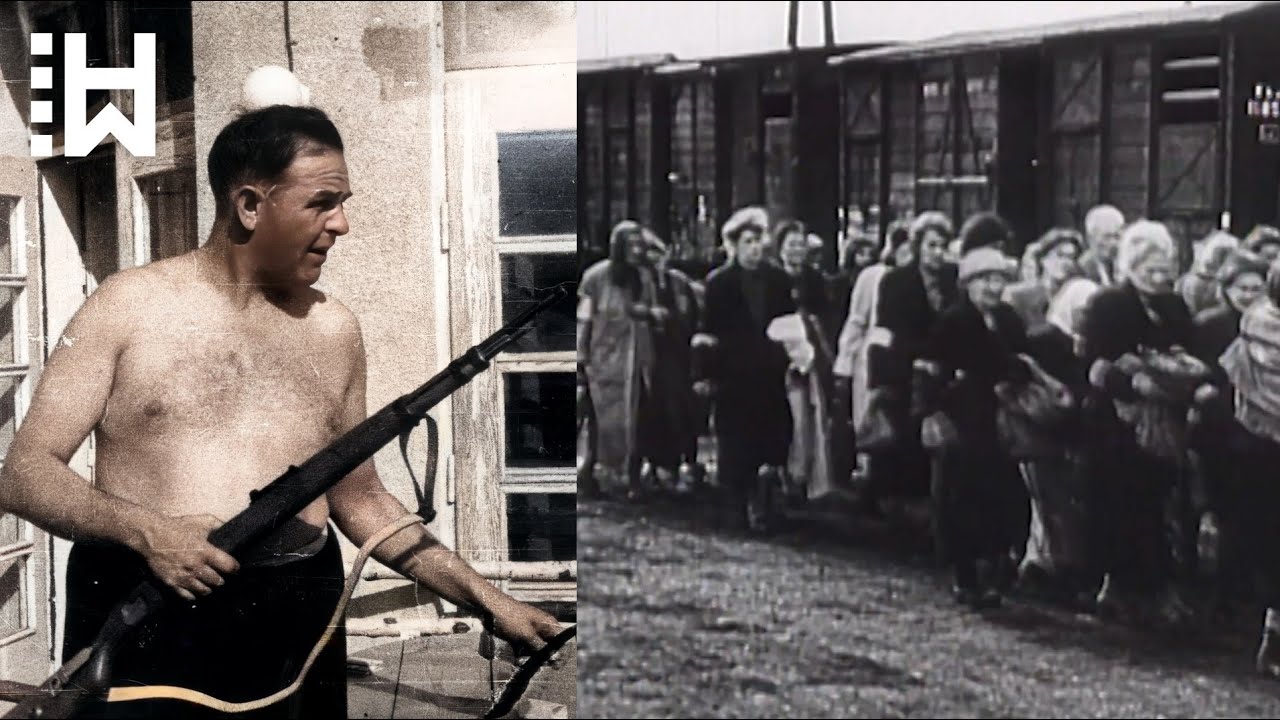
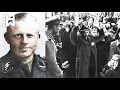
to undress and were often deceived into believing they were going to take showers. After they were gassed, their bodies were removed and taken to the crematoria for incineration. Moll was deeply involved in this process, overseeing the transportation and disposal of countless victims over the years.
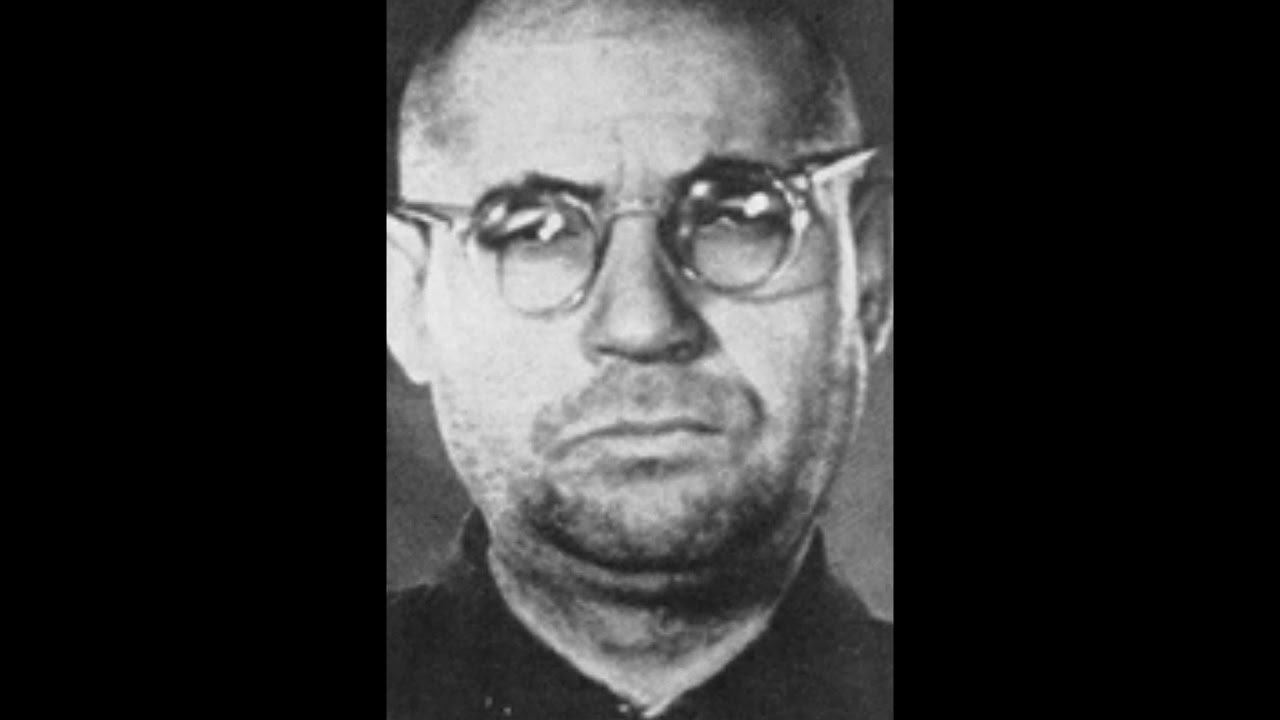
In conclusion, Otto Moll exemplifies the extreme brutality and inhumanity of the Nazi regime. His actions not only contributed to the suffering and destruction of millions but also reflect the larger system of violence and oppression that defined this dark chapter in history. It is essential to remember and educate others about these atrocities to ensure that such horrors are never repeated in the future.
to disrobe. In crematorium, I—they undressed either in the yard, surrounded by a wall, or in the antechamber. Wooden barracks were erected for this purpose at bunkers 1 and 2.
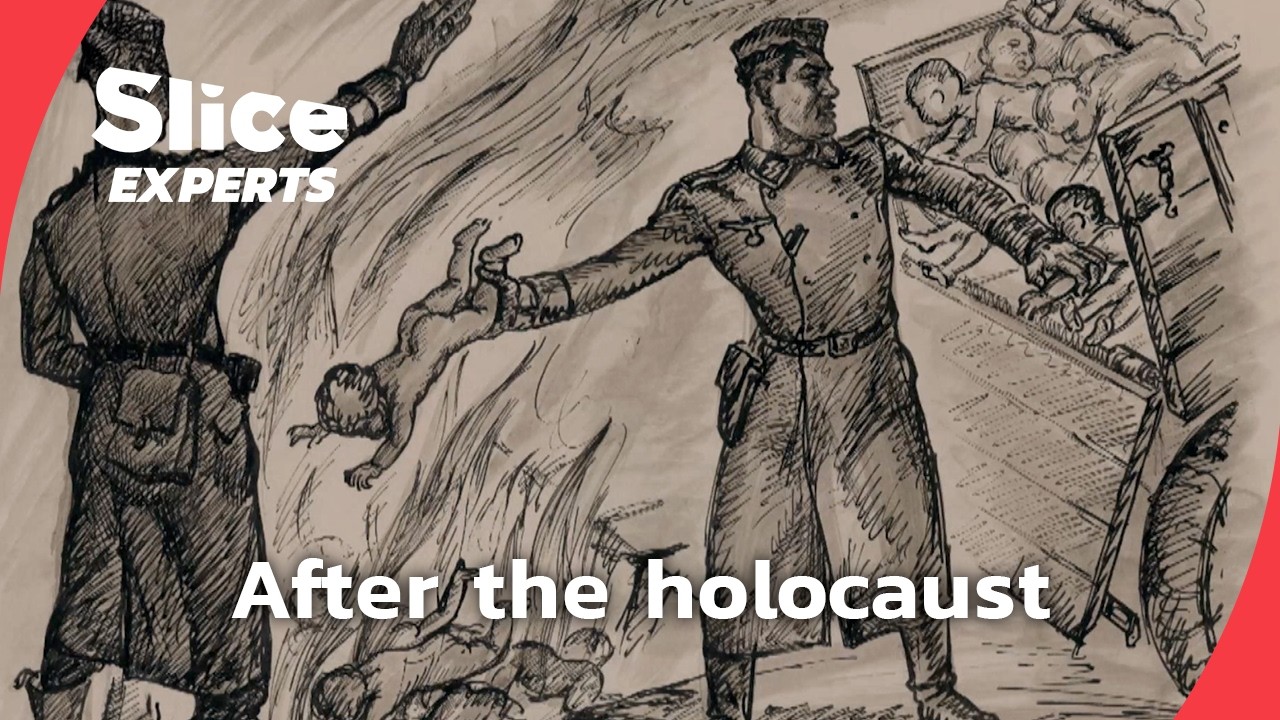
At crematoria II-V, there were special undressing rooms. On one occasion, the truck full of prisoners was being driven to a gas chamber but turned so suddenly that a woman’s child, about 3 years old, fell out. Otto Moll, who was driving behind the truck, took the child by the neck and then by the leg, and smashed his head against a guardhouse wall, killing him on the spot.
Then, Moll drove up to the truck and threw the child’s corpse to his mother. Smashing children into the concrete walls in front of their mothers was only one of Moll’s specialties. For his merits in killing innocent men, women, and children, Hitler decorated Moll with the War Merit Cross, First Class with Swords on the 20th of April 1943.
This even casts a significant light on his importance in the extermination of the Jews. In addition to him, only Commandant Höss and Josef Klehr, the head of the SS disinfection commando, were decorated with this medal among the Auschwitz personnel. From September 1943 to May 1944, Moll was the first commandant of the Fürstengrube and Gleiwitz I, which were Auschwitz sub-camps.
In May 1944, he returned to the Auschwitz-Birkenau camp, where he was appointed the head of all crematoria by the camp’s commandant, Rudolf Höss. During this period, the extermination of Hungarian Jews was to take place. Moll was aware of the fact that the planned ten to fifteen thousand corpses per day would overwhelm the crematoria's ovens.
So, just before the arrival of the Hungarian transports, Moll ordered fire pits to be dug alongside crematoria, which he provided with a gutter system of his own design. In this way, fat from the burning corpses could be drained off, collected, picked up by the inmates with buckets, and tipped into the flames to burn. The SS men kept the people fated to die unaware of what awaited them.
In his speeches to the new arrivals, Moll repeated that they were being sent to the camp where work was waiting for them, but first, they had to undergo disinfection and bathe. Moll told them politely to hang their clothes on the hooks, take a shower, and even promised they would be provided soup and tea or coffee. However, they were taken into the gas chambers, locked in, and killed with Zyklon B gas.
Moll often strolled through the crowd of arrivals scheduled for gassing, observed them undressing, and lured small children away from their mothers with sweets in order to throw them outside into the boiling fat of the fire pits. On a few occasions, he was seen picking children up by their hair and then holding them suspended while he shot them. Sometimes, there were so many incoming transports that the gas chambers were incapable of containing all the new arrivals.
The excess people were generally shot, one at a time, often by Moll himself or by the other SS men, especially Erich Muhsfeldt. When some people asked Moll to spare their life, he replied, “An order is an order,” and killed them without any remorse. The Jews were shot in the back of their heads and dropped into the fire.
It sometimes happened that some prisoners put up a fight or children cried. As a punishment, Moll would throw them into the burning pits alive. Even among the SS men, Moll was notorious for his cruelty and hatred towards the Jews, especially women and children.
When he did not throw the children into the fire alive, he would kick them to death with a smile on his face. The prisoners did not consider him a human and would call him “Schweinemetzger,” which meant “pig butcher. ” Moll often led attractive Jewish women to the edge of the fire pits to enjoy their fear.
He would whisper lewd words into their ears, then shoot them in the back of the head and drop them into the fire. Another of Moll’s specialties was setting his dog on naked women. The dog would bound towards them in a rage, chasing them toward the fire pits while biting and snapping at their legs and buttocks.
Moll would then shoot the poor women in their stomachs so that they would fall over and watch them burn to death. The fire pits were also used for smaller groups of victims consisting of up to 200 people, as the use of poison gas for such a small number was considered uneconomical and therefore a waste. The Hungarian children, as well as the sick, old, and disabled people, were driven by truck to the fire pits by Moll or colleagues who had been instructed to shoot them by hand or throw them alive into the flames.
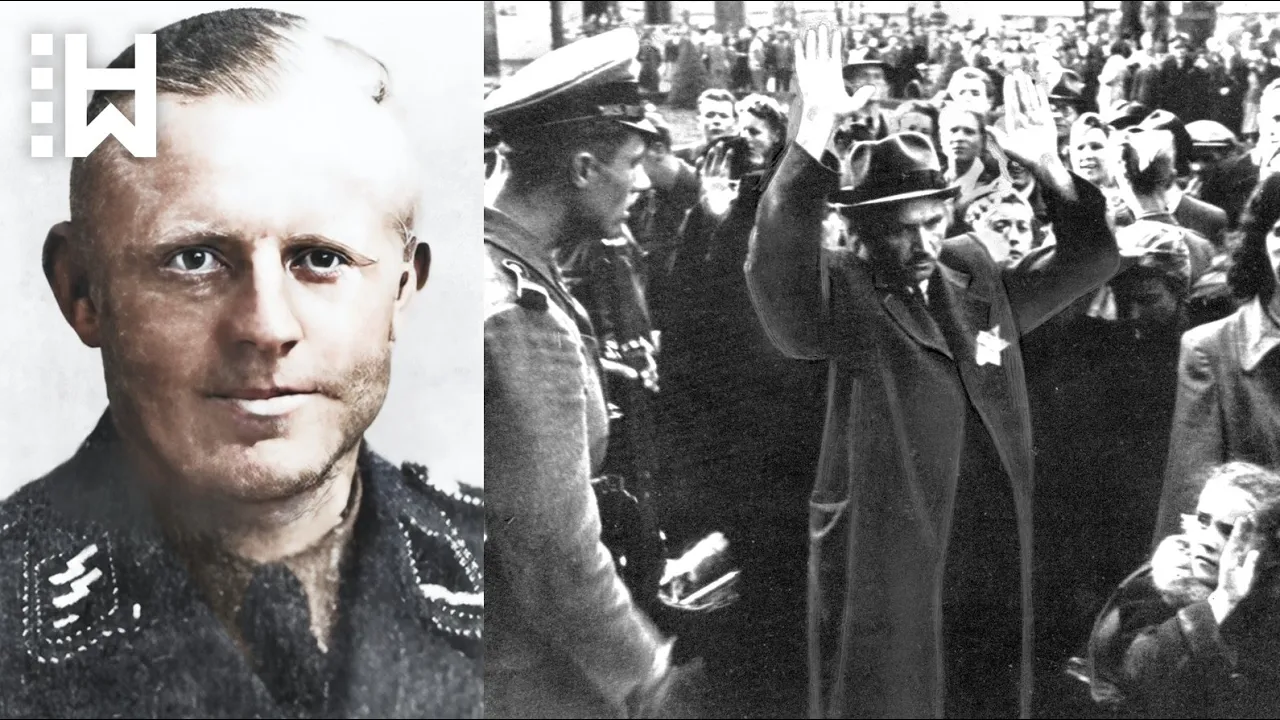
During 8 weeks, from May 15 to July 9, 1944, Hungarian gendarmerie officials, under the guidance of German SS officials, deported around 424,000 Jews from Hungary to Auschwitz-Birkenau, where, upon arrival and after selection, SS functionaries killed the majority of them in gas chambers. As the head of all crematoria, Moll also directed the work of the Jewish Sonderkommando, which was a unit of the camp’s prisoners forced to help with the disposal of gas chamber victims. Those who refused to do the terrible work of the Sonderkommando, Moll would personally throw alive into burning furnaces.
On one occasion when he found jewelry in the possession of one of the members of the Jewish Sonderkommando, he poured gasoline over him and set him on fire. Moll was also known for being a great shooter, and when he felt that the prisoners from the Sonderkommando were not working properly, he would shoot them from considerable distances. Among Moll’s many sadistic specialties also belonged beating people with clubs and iron bars or throwing them against electric fences.
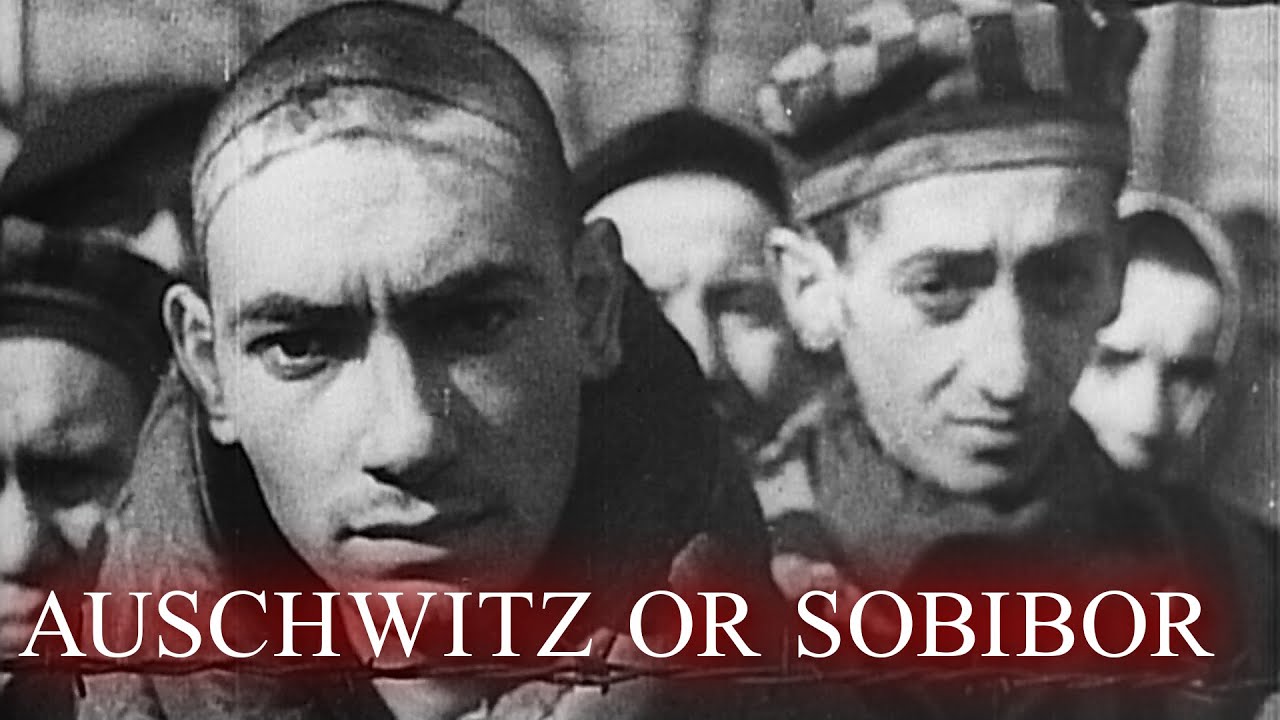
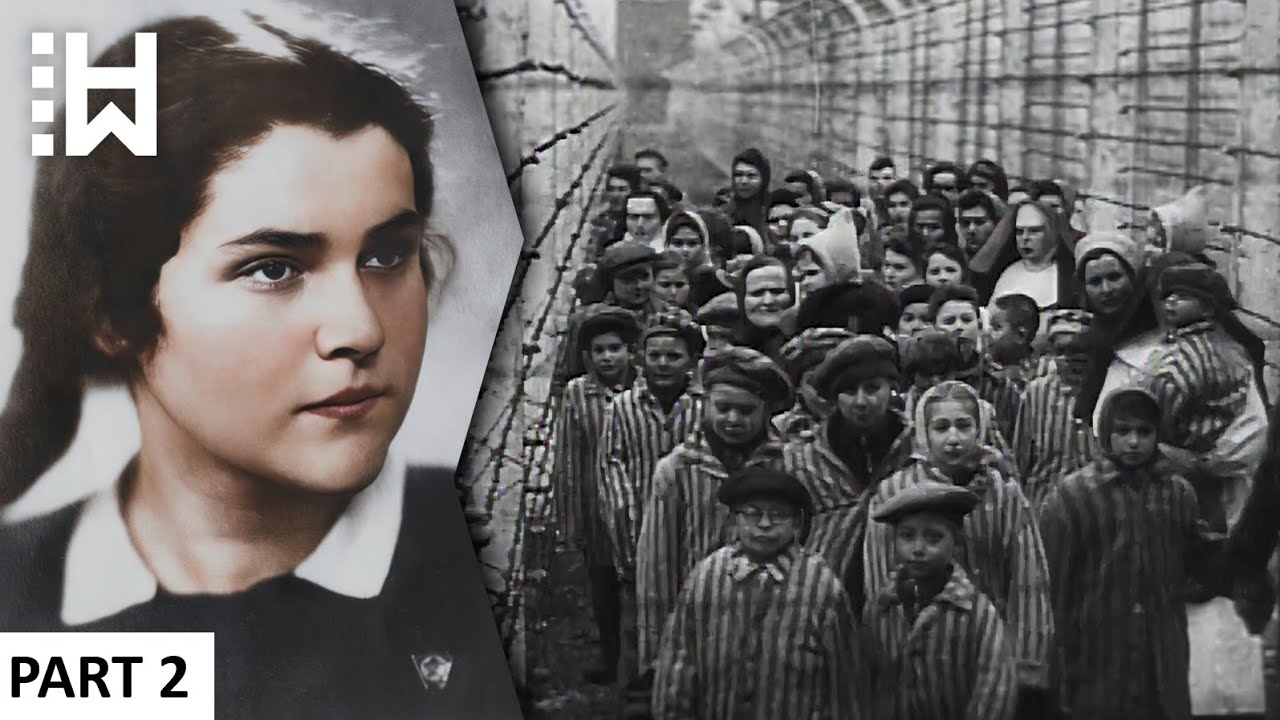
After the end of the extermination of Hungarian Jews, Moll returned to the position of the head of the Gleiwitz I sub-camp. In mid-January 1945, as Soviet forces approached the Auschwitz concentration camp complex, the SS began evacuating Auschwitz and its subcamps. SS units forced nearly 60,000 prisoners to march west from the Auschwitz camp system.
Prisoners suffered from the cold weather, starvation, and exposure on these marches. Otto Moll led one such death march, and in February. .
. In 1945, he arrived in Kaufering, which was the common name of a system of eleven subcamps of the Dachau concentration camp system. The conditions in Kaufering were horrible.
The prisoners deported to each of the 11 subcamps had to construct the accommodation themselves. The resulting huts, partially buried for camouflage from aerial reconnaissance, were completely inadequate for the weather conditions. Rain and snow leaked through the earthen roofs, and vermin infested the huts.
Prisoners had to sleep on straw that had been spread on the floor. What little food the prisoners did have was taken by the SS guards, and those who were sick were fed even less. There were even incidents of cannibalism, and some prisoners were so desperate to escape from their horrible reality that they would try to commit suicide by throwing themselves into the electrical fencing.
At Kaufering, Moll abused and killed prisoners as well as willfully neglected their care. During Kaufering camp’s existence between June 1944 and April 1945, fifteen thousand out of 30,000 prisoners died from hunger, disease, executions, or during death marches. A few days before the subcamps of Kaufering were liberated, between the 24th and 27th of April 1945, by the Seventh United States Army, Otto Moll had forced prisoners on a death march to the Dachau concentration camp.
During this death march, he was involved in the shooting of at least 120 Russian prisoners who were too weak or sick to continue marching any further. Moll himself shot 26 of them. On the 28th of April 1945, Otto Moll arrived at Dachau.
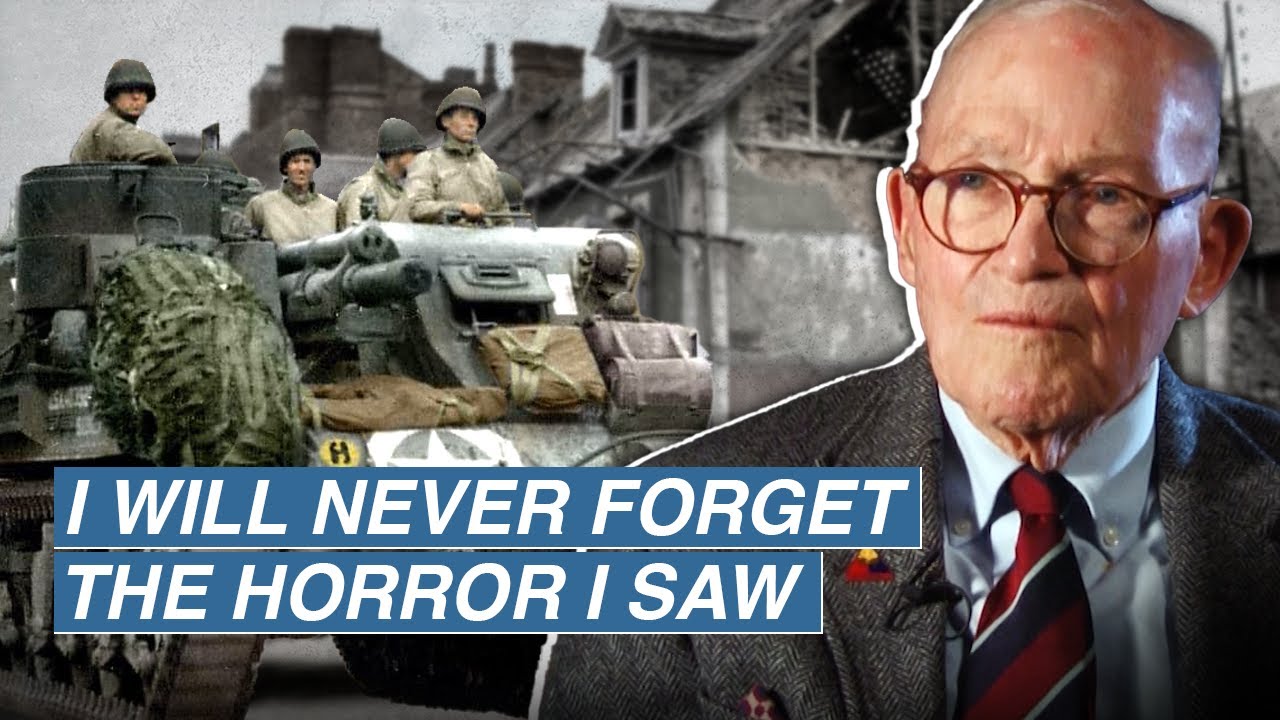
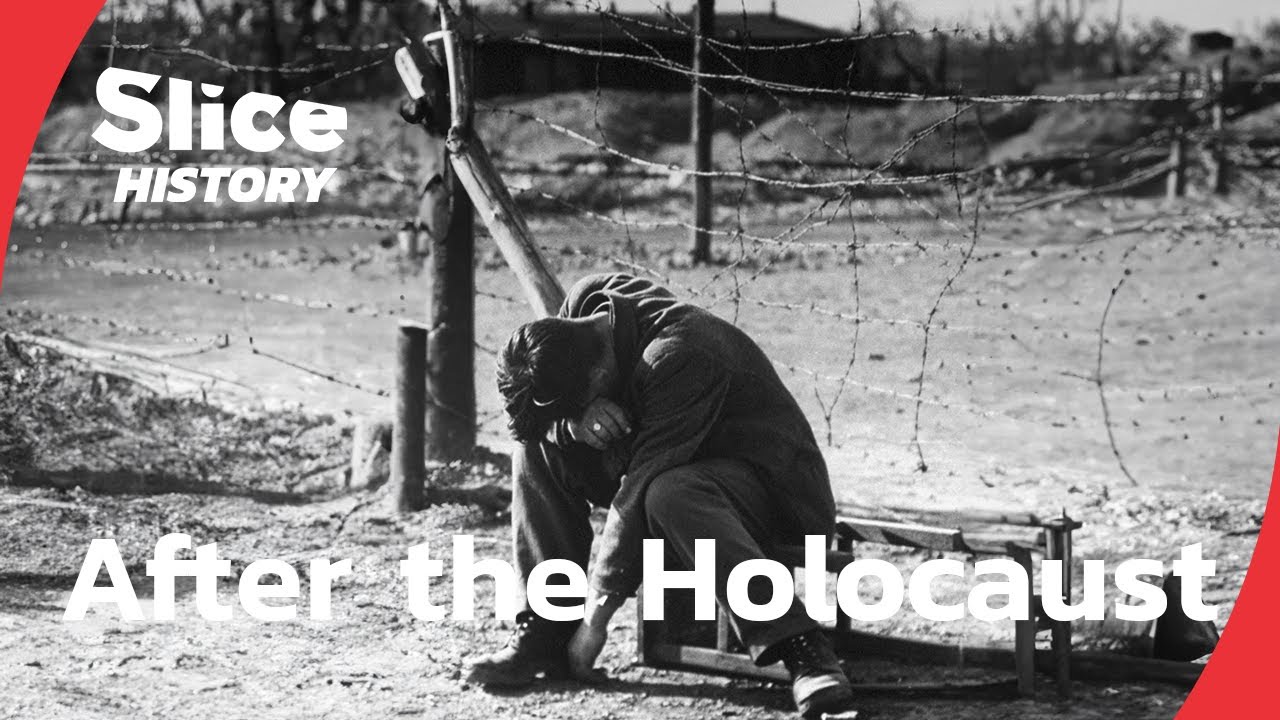
When the camp was liberated on the following day by the U. S. Seventh Army’s 45th Infantry Division, the conditions in the camp were terrible.
The soldiers could smell not only human excrement but also decaying bodies, and many of these soldiers cried or vomited as they found dozens of railroad cars filled with thousands of dead bodies and 30 thousand survivors who looked like walking skeletons. Many inmates were sick and dying from typhus epidemics and starvation. Otto Moll was arrested and finally had to face justice and pay for his crimes.
In November 1945, he was tried at the first Dachau trial, which was held within the compound of the former Dachau concentration camp. On the 13th of December 1945, the U. S.
Military Tribunal found Otto Moll guilty of fatally shooting 26 prisoners who had collapsed from exhaustion during the death march from Kaufering and sentenced him to death by hanging. Moll's crimes at Auschwitz were not part of the indictment, and he was never prosecuted for them. Half a year after his death sentence, he was confronted by his former superior, Rudolf Höss, during the Nuremberg trials.
Even though Moll admitted to some of his crimes, he largely denied involvement in the killing of Jews. If he had hoped that his lies would help him escape justice, he was wrong. In the end, some justice was served.
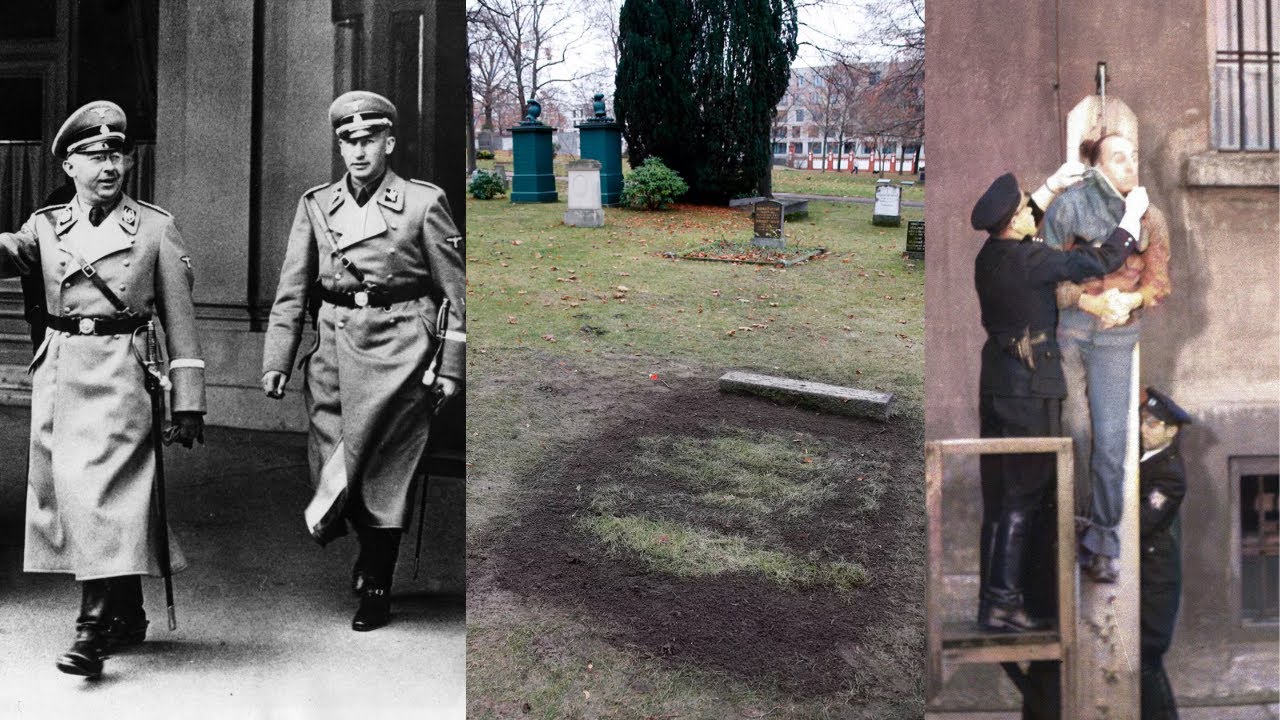
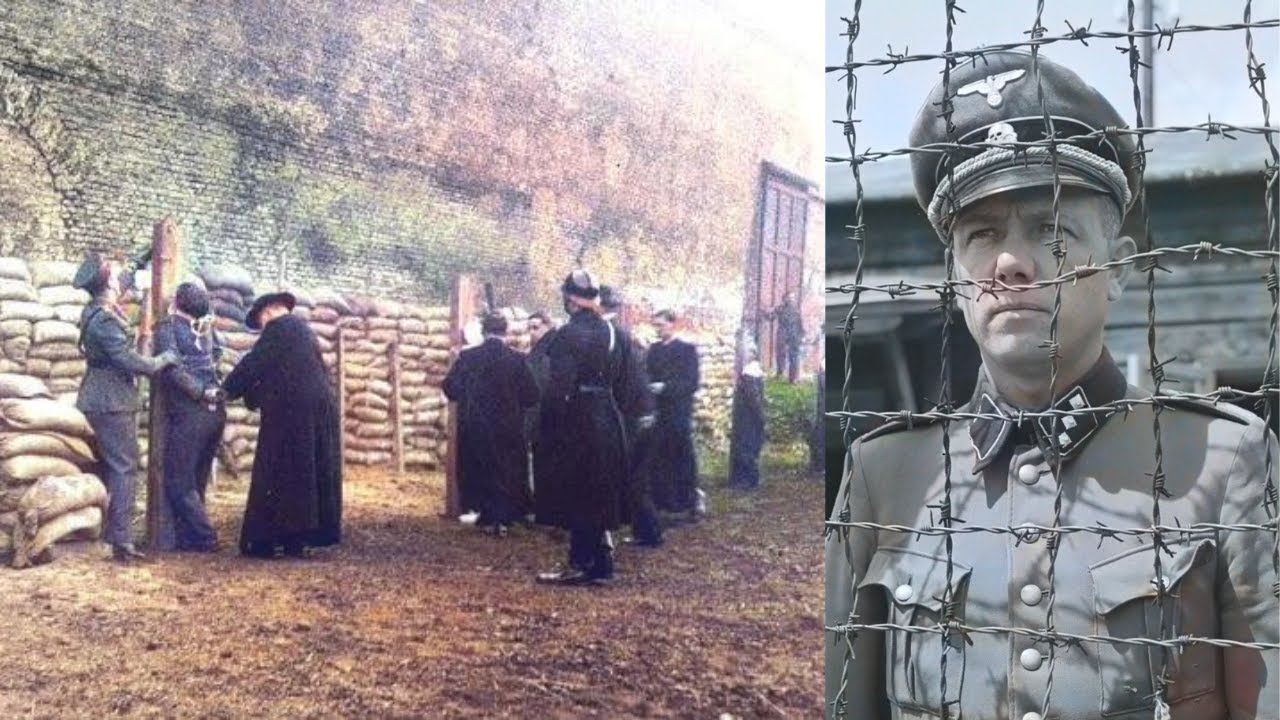
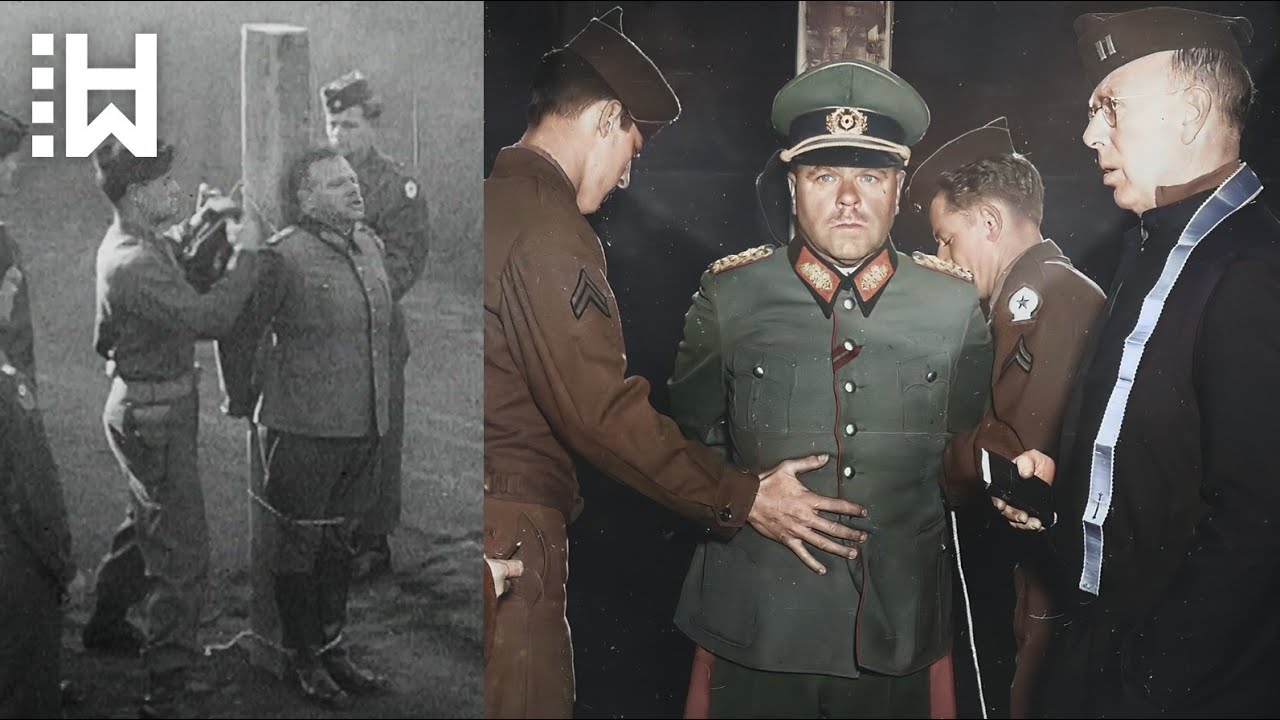
On the 28th of May 1946, Otto Moll, then 31 years old, was executed in Landsberg prison. There were no tears shed for Otto Moll.