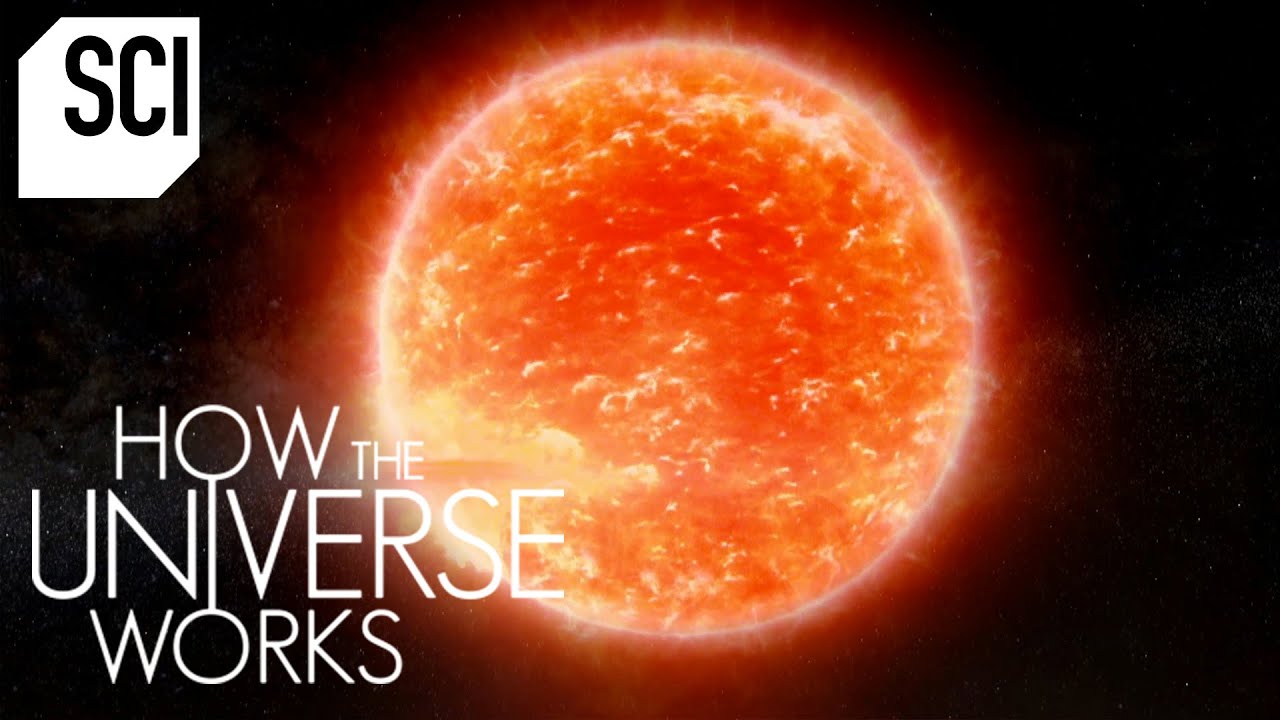
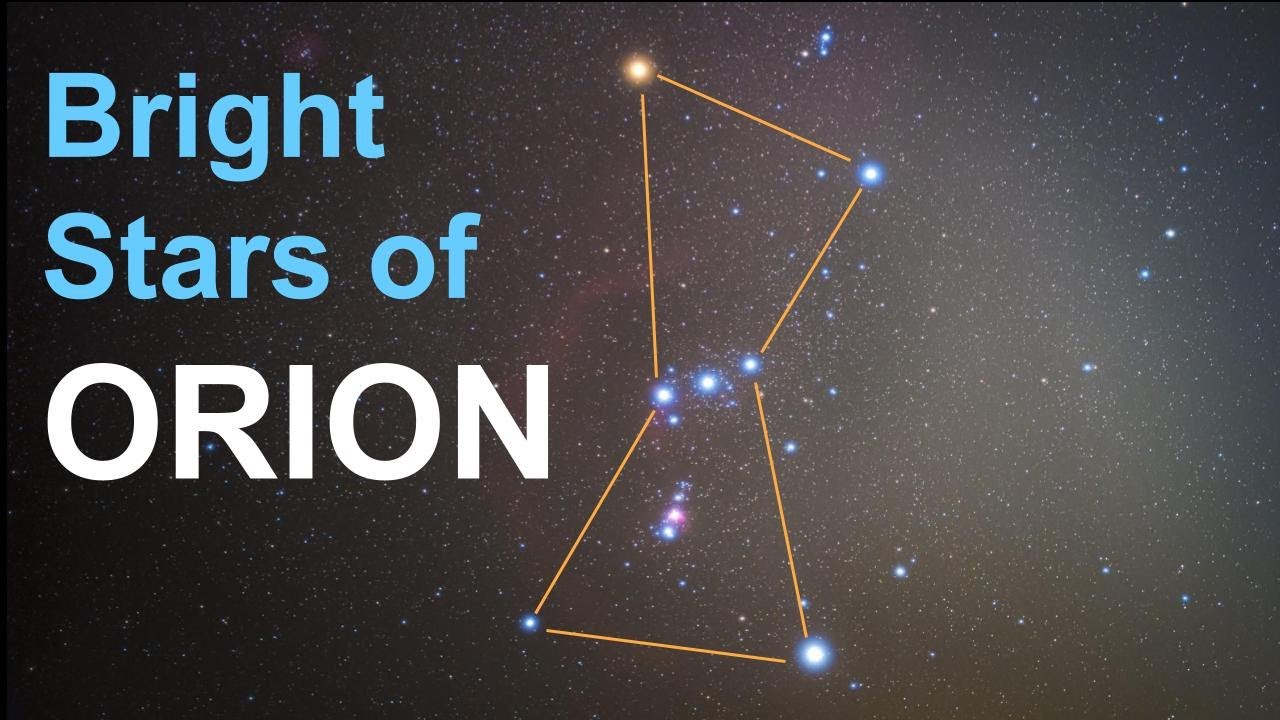
Beetle Juice located in the constellation Orion is one of the most recognizable stars in the sky its vibrant red Hue and prominent position have made it a favorite among stargazers and astronomers alike but what makes Beetle Juice truly intriguing is its mysterious Behavior astronomers call it a variable star because it pulsates expanding and Contracting in size over time this pulsation causes the Stars brightness to fluctuate sometimes making it one of the brightest stars in the sky and at other times dimming significantly now beetlejus is a true giant with a diameter more than 1,000 times that
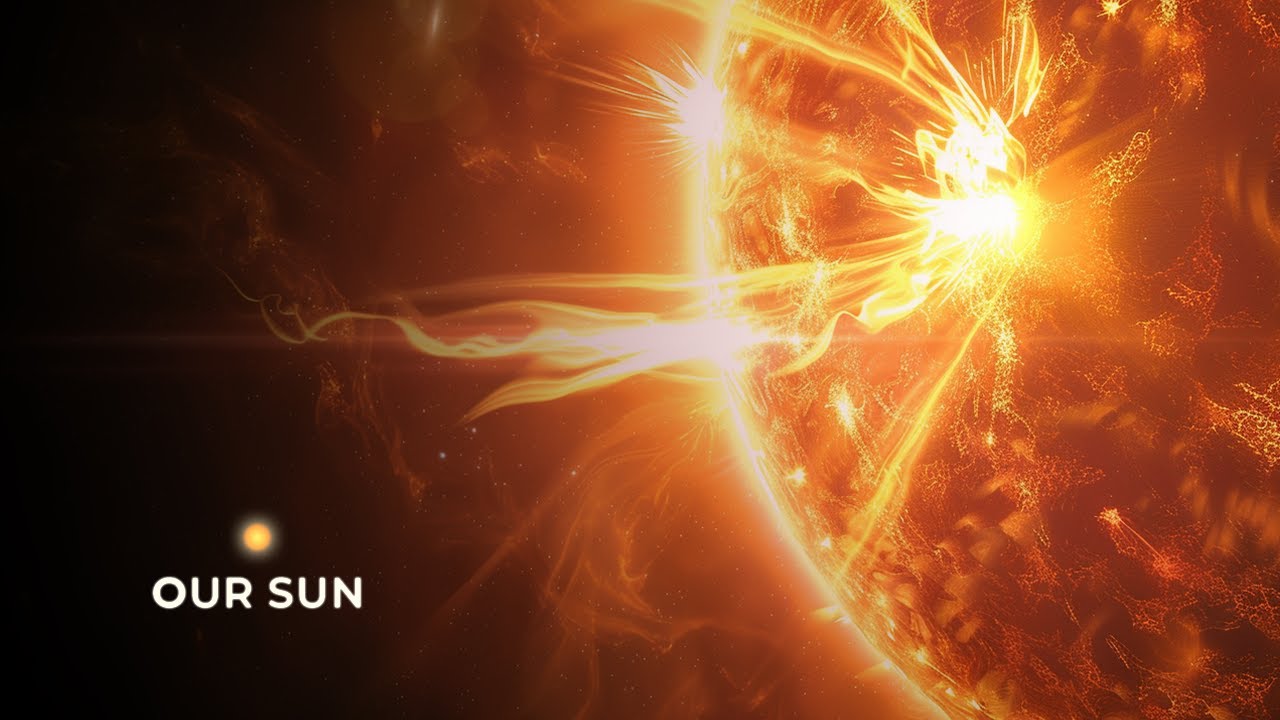
of our sun if you placed it at the center of our solar system it would engulf the inner planets including Earth and go all the way up to Jupiter its immense size and mass make it a red super giant star nearing the end of its life yes the Behemoth of a star is dying but that is not the reason we are curious because Stars die all the time what has had astronomers on edge is the dimming of beetle Jews in late 2019 in early 2020 the star underwent an unprecedented dimming event losing a significant portion
of its brightness this sparked speculation and curiosity among scientists worldwide several theories emerged to explain Beetle Jew as dimming but one possibility stood out and was later found to be correct by the Hubble Space tele scope based on Hubble's data scientists found that the star ejected a massive cloud of dust partially obscuring its light from our view however the star last dimmed in February 2020 and has since not repeated its cycle what we know is that as the star recovered from blasting out a huge amount of its inerts in late 2019 in an event that
became known as the great dimming its surface is now bouncing like gelatin on a plate and it has lost the natural natural 400-day heartbeat that has been present for at least 2 centuries yes Beetle Juice is still acting very strange and looking ahead it will eventually reach the end of its life and explode in a brilliant Supernova but when that will happen nobody knows for sure except for a team of scientists and according to them the explosion may be happening right now as you watch this or very near in the future welcome to lab 360
it's time to explore if astronomers had to guess the next nearby star to go supernova in the Milky Way their bets might go to Beetlejuice the bright red super giant star that marks Orion's shoulder is nearing the end of its life and it's less than 1,000 light years from Earth but how close is it to going Supernova and will we be around to see it typically astronomer suggest it might explode within the next 100,000 years that is soon on a cosmic time frame frame not a human one and that is kind of disappointing however our
calculations may have been off and the spectacle could unfold in front of our Naked Eyes anytime a new study by hideyuki SEO and his colleagues of the tohoku university in Japan claimed that the star might be further along in its Evolution and that much closer to exploding than we thought but how are they claiming this it's the Stars pulsations you see Beetle Juice is unstable breathing in and out regularly with overlapping overtones following its brightness over the past Century astronomers have noted changes over periods of 2,200 days 420 days 230 days and 185 days usually
astronomers treat the 420 day up and down as the primary in- andout pulsation with the shorter Cycles as overtones the 2,200 day or six-year period isn't generally considered part of these ins and outs and is instead dubbed a long secondary period a feature of Unknown Origin common to 1/3 of super giant Stars if the 420 day period is the primary one then Beetle Jews would have the span of 800 to 900 Suns lined up in a row placed in the solar system it would almost reach the orbit of Jupiter SE and colleagues however think that
might be an underestimate if the 2 200 day cycle is the primary one and all the rest are overtones then the star would be even more massive spanning 1,200 Suns even wider than Jupiter's orbit in line with its larger size the star would be even further along in its life cycle stars like Beetlejuice live fast and large like the sun they first light up by fusing hydrogen into helium within their cores but they quickly move on to helium fusing it into carbon carbon then Burns to make other heavier elements around the core lighter elements burn
in shells causing the star to Billow outward like a hot plasma balloon SEO and his colleagues use computer simulations to watch Stars evolve from birth to old age then they calculate the pulsations they ought to see at each stage they find that all four pulsations from the 2,200 day cycle through the 185 day cycle can be explained by a breathing star in the late stages of carbon burning after carbon is exhausted in the core a core collapse leading to a supernova explosion is expected in a few tens years the researchers right but when will the
carbon run out it's hard to tell because the pulsation periods don't change much at this late stage it's not possible to exactly estimate how much carbon is left in the core at present SEO says we just guessed the time to the carbon exhaust is probably less than a few hundred years so to put some headlines in perspective seo's group isn't saying Beetle Jews will blow tomorrow or even in the next decade the researchers claim is that Beetle Juice would blow within 1,000 years rather than 10,000 or 100,000 the 2,200 day pulsation if radial creates other
problems too spectroscopic measurements show that the star's surface expands and contracts at some 1.5 km/s if the star is breathing at this rate over the span of 2,200 days its total diameter would be changing by 180 times the sun size every cycle even for astronomers that's a lot what's more the 2,200 day pulsation would also affect the pulsation of the overtones so for example the 400 day cycle wouldn't always be 400 Days when the star Puffs out to its full size this overtone would lengthen likewise when the star shrinks it would shorten these changes would
be expected to repeat systematically every 2,200 day cycle McLoud says and I don't think we see evidence for that in Beetle Juice is long-term light curve which varies more randomly around the 400 day typical cycle now for those unaware when a star runs out of hydrogen then helium starts to burn into carbon which causes swelling in a star as all the fuel is burned out and the remaining elements do not form fuel against their own weight the core collapses to form a solid neutron star which the inrush of surrounding gas rebounds against a form a
supernova Beetle Juice is a red Superstar with an age of at least 8 million years it is believed to be in the last stages of its life cycle having burned through the hydrogen in its core so will we be able to watch the beetlejus explosion if we could live live for another couple of thousand years then sure what a spectacle it would be to behold right let us know in the comments below and don't forget to subscribe to lab 360 because together we will [Music] explore