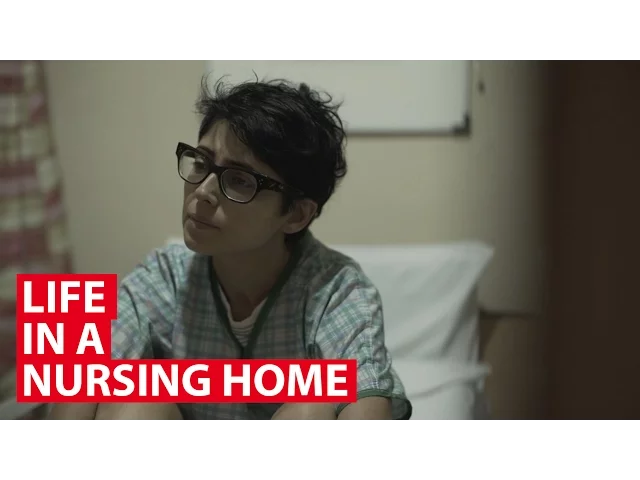
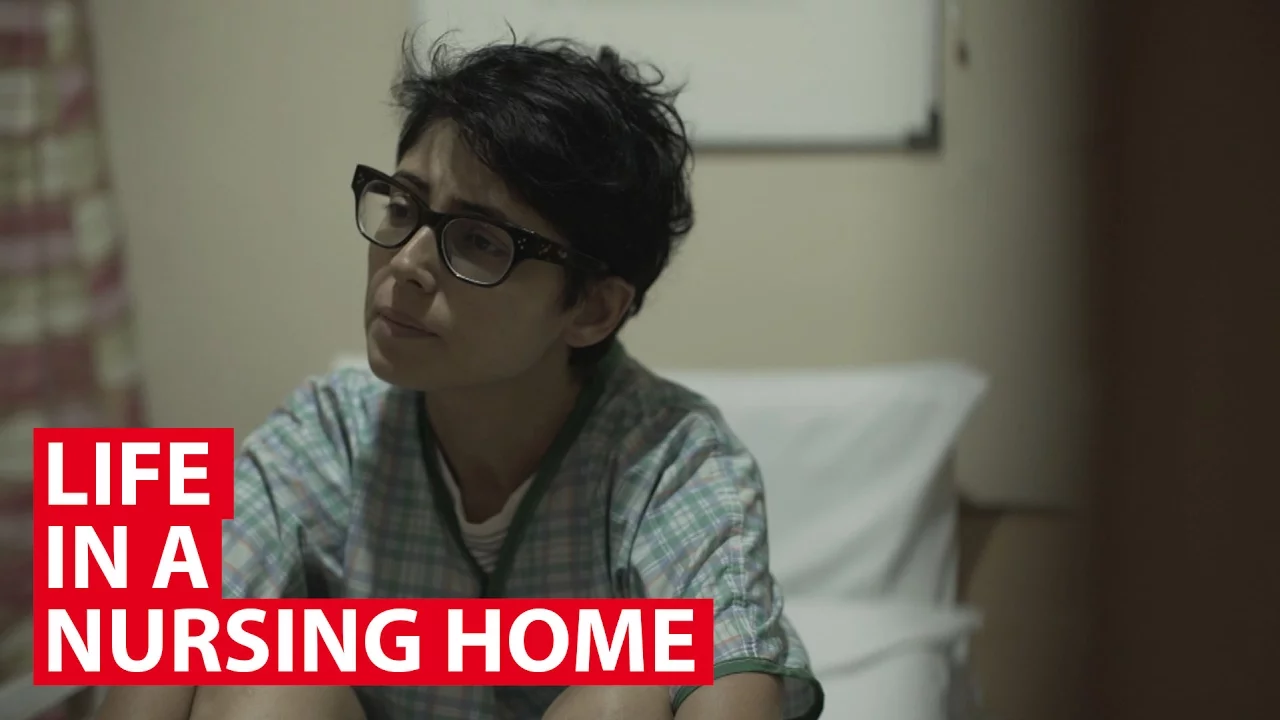
What made me very emotional about being there was just the space just didn't seem to have any life in it. There was no privacy. There's nowhere to hang your clothes.
There's nowhere to put your pictures. There's nowhere to be you. It was just like being in a room full of moms, grandmas.
They've all got stories. They've all got lives. And it feels like your life is on hold.
So, it starts with um the nursing staff who are very cheerful and joyful people uh walking into the wards and rousing everybody up. And uh then getting everyone into the shower as quickly as possible. They have two shifts for showers.
So, you either chose the 6:00 a. m. or you chose the 7:00 a.
m. It would be breakfast, exercises, lunch, nap, nothing, maybe a couple of things here and there that you might have been chosen for, maybe a karaoke session or tai chi session or something. It was a system that has been imposed on people that this is how it's got to be done.
Those who were there temporarily and knew they were going to leave were fine. But those who were in there long-term or those who didn't have anyone coming to see them, you see it straight away. Many of the people who are in homes, their best friends are the nurses.
It doesn't necessarily feel that their best friends are their families. I have been in a high dependency ward for 3 days and I have not seen one family member here. Not one person who comes to sit with anybody at all, ever.
Everyone ends up being a patient or just a body. There is no real engagement of the human spirit. What happened to the living that happens in the last quarter of your life?
It's not a criticism of the facilities themselves. It's a criticism of the system. You cannot approach elder care the way that you approach hospital visits.
It can't be just to meet an end need. It is a life. You have to think in terms of life and end of life.
Isn't that how you keep yourself alive? With happiness and thoughts and interaction and energy.