one of the big success factors here at Spotify is our agile engineering culture culture tends to be invisible we don't notice it because it's there all the time kind of like the air we breathe but if everyone understands the culture we're more likely to be able to keep it and even strengthen it as we grow so that's the purpose of this video when our first music player was launched in 2008 we were pretty much a scrum company scrum is a well-established agile development approach and it gave us a nice team-based culture however a few years
later we had grown into a bunch of teams and found that some of the standard scrum practices were actually getting in the way so we decided to make all this optional rules are good start but then break them when needed we decided that agile matters more than scrum and agile principles matter more than any specific practices so we renamed the scrum master role to agile coach because we wanted servant leaders more than process masters we also started using the term squad instead of scrum team and our key driving force became autonomy so what is an
autonomous squad a squad is a small cross-functional self-organizing team usually less than eight people they sit together and they have end-to-end responsibility for the stuff they build design commit deploy maintenance operations the whole thing each squad has a long-term mission such as make Spotify the best place to discover music or internal stuff like infrastructure for a be testing autonomy basically means that the squad decides what to build how to build it and how to work together while doing it there are of course some boundaries to this such as the squad mission the overall product strategy
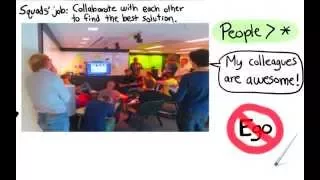
for whatever area they are working on and short term goals that are renegotiated every quarter our office is optimized for collaboration here's a typical squad area the squad members work closely together here with adjustable desks and easy access to each other screens they gather over here in the lounge for things like planning sessions and retrospectives and back there is a huddle room for smaller meetings or just to get some quiet time almost all walls are whiteboards so why is autonomy so important well because it's motivating and motivated people build better stuff also autonomy makes us
fast by letting decisions happen locally in the squad instead of a bunch of managers and committees and stuff it helps us minimize handoffs in waiting so we can scale without getting bogged down with dependencies and coordination although each squad has its own mission they need to be aligned with product strategy company priorities and other squads basically be a good citizen in the Spotify ecosystem Spotify is overall mission is more important than any individual squad so the key principle is really be autonomous but don't sub optimize it's kind of like a jazz band although each musician
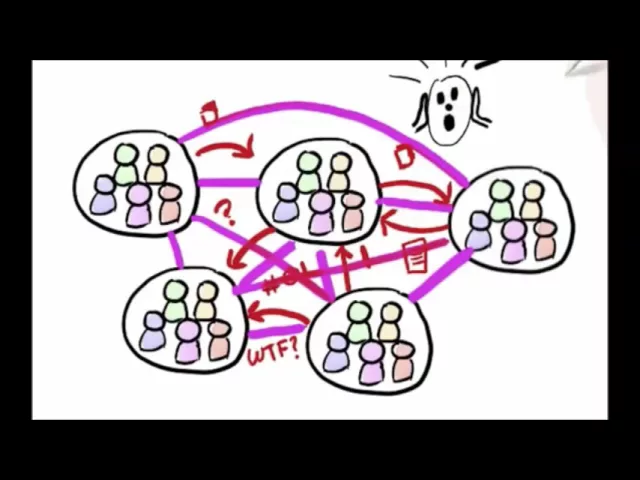
is autonomous and plays his own instrument they listen to each other and focus on the whole song together that's how great music is created so our goal is loosely coupled but tightly aligned squads we're not all there yet but we experiment a lot with different ways of getting closer in fact that applies to most things in this video this culture description is really a mix of what we are today and what we are trying to become in the future alignment and autonomy may seem like different ends of a scale as in more autonomy equals less
alignment however we think of it more like two different dimensions down here is low alignment and low autonomy a micro management culture no high level purpose just shut up and follow orders up here is high alignment but still low autonomy so leaders are good at communicating what problem needs to be solved but they are also telling people how to solve it high alignment and high autonomy means leaders focus on what problem to solve but let the teams figure out how to solve it what about down here then low alignment and high autonomy means teams do
whatever they want and basically all run in different directions leaders are helpless and our product becomes a Frankenstein we're trying hard to be up here aligned autonomy and we keep experimenting with different ways of doing that so alignment enables autonomy the stronger alignment we have the more autonomy we can afford to grant that means the leaders job is to communicate what problem needs to be solved and why and the squad's collaborate with each other to find the best solution