[Music] hey everyone this is james lindsay you are listening to the new discourses podcast and finally after months of anticipation after many times on twitter of this blowing up i want to talk to you about hegel i've been promising to talk about the hegelian idea for a while i've been Tweeting about it something peculiar happens every time you tweet about hegel and you get too close for example if you point out that wokism is a hegelian religion especially if you point out that wokism is a hermetic religion based in the dialectical philosophy of hegel something
weird happens people go berserk you end up Or i end up at least getting bombed by people and kind of disproportionate fashion and something very inorganic begins to happen in many of these cases of course there's the usual making fun of me but lots of very obviously leftist accounts kind of lose their mind pop up on my radar and what will happen is some stuff that's just not quite real right something that's hyper real In a sense and that'll be that you know somebody will throw a dunk and somebody will with maybe just a few
dozen followers will reply to something maybe in dunk fashion and a reply tweet from an account that's not very big will somehow get hundreds of likes sometimes in a very small amount of time it's not organic behavior there's something weird Going on with hegel and this has driven me to want to understand more of hegel hegel is of course relevant everybody who knows much about marx knows that hegel is relevant to marx and i want to make the case that hegel is relevant to what's going on and in fact that we can understand the woke
ideology or work world view is a better way to put the world view of critical social Justice also known as theory as a hegelian faith and so to begin this is probably going to go pretty long because i want to do this in depth i want to get it all there i have copious notes for this i want to just read to you something that might not stick out to you otherwise from critical race theory and introduction this is by richard delgado and gene stefancik it's a typical fundamental textbook and Critical race theory and i've
quoted from it about a bajillion times so i just want to read to you this paragraph in the section about essentialism and anti-essentialism they write some observers hold that all minority races should compromise their differences and form a united front against racism in general the danger in this essentialized approach is that certain minority groups Socioeconomic classes and sexual orientations may end up better off and others worse recall how shabbily black women were treated in the civil rights movement of the 1960s rarely allowed to speak for the group made to march in the second row and
relegated with a few exceptions to support roles it has only been relatively recently that black women and latinas have Emerged as a power as powerful voices on the american scene perhaps the essentialism slash anti-essentialism debate sets in when mainstream thought is beginning to see the validity in the larger group's complaints like an automobile with deferred maintenance smaller subgroups that have until then remain silent begin bringing suppressed issues to the larger group's attention and so The dialectic progresses that's the end of the quote but let's check that last part and so the dialectic progresses that word
dialectic is not there by mistake neither is the idea that's just put forth with the dialectic that is progressing and in fact neither is the idea that it's progressing into a smaller and more niche area so what the argument here is That they're making in this last sentence is that as larger scale problems seem to be getting sorted out smaller scale problems get brought up to the fore and have to be worked out as well and so the dialectic progresses none of this is there by mistake so in this episode of the podcast i want
to convince you of two primary things they're going to be Kind of my north star i suppose in communicating this stuff to you one this idea of dialectic is important in fact it is the operating system of leftists and it has been for almost 200 years it's so important that if you don't understand this seemingly quirky word and where it comes from philosophically you don't have the slightest idea of what's going on in leftist politics secondly this dialectic is a method of Worship in a broad religious movement that started primarily with georg wilhelm friedrich hegel
in the early 19th century the phenomenology of spirit in 1807 is probably a good bookmark to say when this started so we're looking at 214 years since the publication of that book his later writings extend into the late 1820s so we're looking at Roughly 200 years ago that broad hegelian religion has denominations that include marxism neo-marxism also known as critical theory or cultural marxism fabianism and wokeness so i want to convince you of these two things the dialectic is the operating system of leftism and that leftism that's operating dialectically is in fact a religion that
can be traced back To the metaphysics of hegel that's a tall order but i think it's crucial if you want to understand what's going on with the woke why it appears to be religious why it has many of the features that it does if you want to be able to anticipate the moves that it makes if you want to be able to counter it you have to understand it the polish proverb is never attempt to cure that which you don't understand So i want to make sure we understand that leftism in particular this kind of
radical leftism that line of marxism neo-marxism fabianism wokeness that have really characterized leftism over the past 200 years or at least 150 years starting with marxism i guess those are all species within a broader or denominations within a broader Religious movement that relies upon the dialectical approach laid out first in significance by hegel so the rough picture i want to paint we could go back the dialectic really finds its first expression in kant we're not going to talk about kant it was developed further by ficta we're also not going to talk about ficta and there
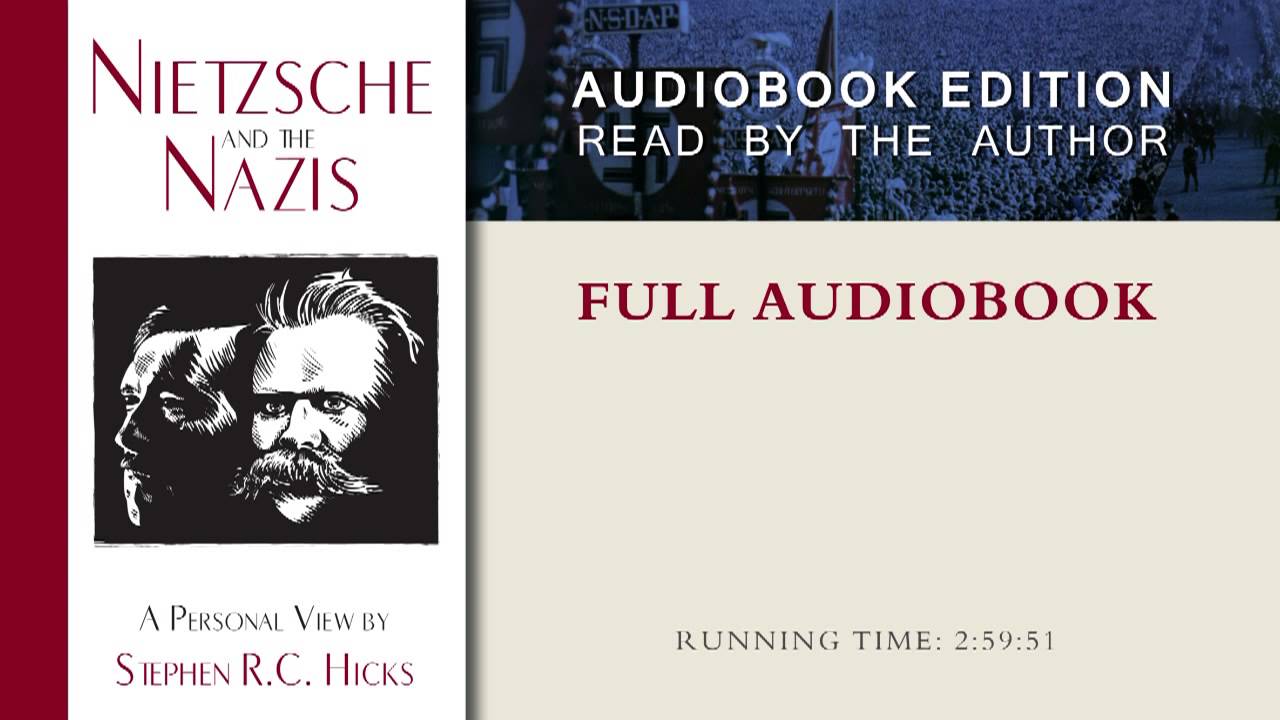
hegel picks up the story so We're going to start with hegel uh if you want to know more about those other things you can talk to my friend stephen hicks or you can listen to his listen to her read his book i listened to it so i automatically went to the audiobook explaining postmodernism he has some of the relevance of hegel and ficta and number a number of other thinkers that led up to before hegel but i'm going to begin With hegel and so what happened is hegel eventually died but a movement he was really
an intellectual rock star at the time where he was in germany and he a movement arose around him or actually a few movements rose around his systematic philosophy and the progressive one of these was known as the young hegelian movement the young hegelian movement is what inspired marx and marxism became the Definition of basically everything leftism following marks but especially following the success of the russian revolution foisted by lenin it also gave rise to neo-marxism and approximately in a kind of odd and broken way post-modernism and of course my thesis and cynical theories which i
wrote with helen parker plecos is that neo-marxism and post-modernism fuses a few other things That were going on to form what we now call woke so we have this line hegel to the young hegelian movement to marx via fauerbach to neo-marxism and to some degree post-modernism and sort of a broken way to woke and we have this long thread running of this one religion that's taking different denominational forms as it's going through time you could say that the woke are in some Sense you could say in fact in some odd sense the neo-marxists are almost
like it's calvinists or even the woke or like it's puritans if you read something like robin d'angelo's white fragility and you're aware of what a puritan confessional tract looks like where they're going through their humiliation after they believe that they've been saved it's pretty obvious robin d'angelo feels As though she has been saved in an anti-racist religion she knows that racism is bad that she feels like she's done the proper atonement that she should have received grace but because it's a puritan mindset that she's operating within she's got scrupulosity probably which is a form of
ocd if i had to guess can't diagnose her for sure she enters into this humiliation where she tries to repeatedly show that she's utterly Depraved and therefore going to be able to be worthy of justification and then eventually glorification and so this is the mindset of the woke you can see this is a a very religious way when you read robin d'angelo if you're familiar with puritan tracts so the big idea not there are lots of big ideas in hegel lots of things going on i want to follow that particular track Hegel to the young
hegelian movement to marx to neo-marxism and post-modernism in a broken way to the woke and so the one that i want to focus on centrally is this operating system that hegel laid out in an applicative way in the probably for the first time which is the dialectic dialectic is thesis antithesis synthesis those are the words usually here so you have some idea that's a thesis You're met with its opposite that's the antithesis and you have to contemplate the two figure out a way to bring them together into something that unifies the ideas and that's a
synthesis that's supposed to provide more information a higher understanding is a better way to phrase that i'm sorry uh of of the circumstance so the thesis is a idea that has been forwarded it misses Something its antithesis reveals the contradictions from what it's missing and its synthesis arrives out of it so this can be traced back to socratic thought there are positive and negative versions of this of note i suppose we should say that hegel never actually framed the dialectic this way his thesis antithesis synthesis that's kant's organization Hegel borrowed from kant his own formulation
was actually abstract negative concrete so you have an abstract idea abstract understanding of something it meets its negative and that allows you to derive something concrete from it which is clearly reflected in the neo-marxist literature repeatedly if you've read it because the neo-marxist literature constantly calls for engaging in So-called negative thinking and negative thinking is bringing that negative to bear which is the critique marks his ruthless critique or criticism of everything that exists that's bringing the negative to bear on the abstract so that you can synthesize it to the concrete which is a concrete solution
which usually for that means something looking like communism You can hear this verbiage for example just pull one example out of herbert marcusa i've read herbert marcus's repressive tolerance essay before i've read selections from his one-dimensional man we're going to cover some of both of those again in this episode but in his 1969 essay on liberation which i intend to read for the podcast in full with commentary uh fairly soon i have Not read that one yet but we incur we encounter this paragraph marcus writes but the demand to state the concrete alternatives to say
the failing states of the world capitalist states particularly that he's looking at but also the failures of attempted socialist and communist states he says but the demand to state the conch to state the concrete alternatives is Justified for yet another reason negative thinking there it is draws whatever force it may have from its empirical basis the actual human condition in the given society so he's like let's look at the lived experiences of where suffering and oppression are let's tap into those and we're going to use negative thinking to do so and it's empirical because we're
looking at the actual experiences people are having the Actual human condition and then you're going to compare that he writes and the given possibilities to transcend this tren this condition to enlarge the realm of freedom in this sense negative thinking is by virtue of its own internal concepts positive negative thinking is positive isn't that odd what he says that means is oriented toward and comprehending a Future which is contained in the present this containment idea is going to be very important also that this perfect future that negative thinking can unleash is contained in the present
the philosophy here the metaphysic here is actually that if we could just get the we could get the problems off of that contained future then the contained future could emerge Right so what we have here is somebody believing that there's this kind of perfect future and if we could just get the problems off of it by using negative thinking we could peel away all the problematics we could expose all the contradictions we could expose all of the systems of oppression that prevent it from being perfect then that seed that's contained within In the present day
would be able to blossom into a fully liberated society that's the essay on liberation right that's a very important way we're going to come back to this again and again it's a very important way to understand the way that these people think and it's crucial to understand that this is a hegelian approach but to go back to marcusa He writes and this containment which is an important aspect of the general containment policy pursued by the established societies sorry and in this containment the future appears as possible liberation so that's what i was just saying in
the con contained within the society we see the seed of liberation the seed of a new society that cannot and does not exist Anywhere on earth up to this point and he writes it is not the only alternative the advent of a long period of civilized barbarism with or without the nuclear destruction is equally contained in the presence so there could be good roads or bad roads negative thinking and the praxis guided by it is the positive and positive effort to prevent this utter negativity so he frames out Negative thinking as positive and he says
that it allows us to peel away the constraints of a civilized barbarism in the established societies peel away the problematics and get the seed of a more perfected future using negative thinking and the praxis guided by it praxis is what you have when you combine theory meaning really hegelian reason if as we're going to see but we could say critical theory We could say postmodern theory we could say woke or theory if you want what we just call capital t theory put into practice that's what praxis is it's theory combined with being put into practice
so it's activism on behalf of a theoretical or ideological model well when we take negative thinking and we we do activism on behalf of that then this negative thinking becomes Positive because it prevents us from going into the possible calamities that are also contained and the seed of a more perfect liberated future could possibly blossom it's very important as you'll see to understand that this is how this hegelian religion thinks perfected society we already have the seeds of it and we just have to somehow peel away the problems and then the perfected society will emerge
if you've Listened to my other recent podcast communism doesn't know how i go into this kind of magical thinking that they have and i actually describe it as alchemical and you're going to find out why i described it as alchemical again and again as we go through this longer discussion of hegel and his relevance so this said i think we already see then that to understand both the leftism over The last 200 years but also hegel's relevance to that we have to grapple with this idea of the dialectic because this is as i said the
operating system beneath all of leftism at least since hegel's time and it really emerged in the form that we're looking at in leftism from the progressive school of thought that followed him in the 1820s and 1830s it's referred to as Young hegelianism young hegelianism i'm not going to dive deeply into this because i want to get to marx and the neomarxists etc but um in the woke young hegelianism has to be distinguished from old hegelianism so hegel is not particularly easy to decipher if you haven't read him he can be quite quite difficult to decipher
actually and so radically different interpretations Of hegel erupted in the wake of hegel's later years in death one of which is young hegelianism which was rampantly progressive and one of which was old hegelianism was which was ultra conservative in essence very briefly hegel's philosophy his systematic philosophy that he laid out was supposed to describe the emergence of a perfected State and perfected society through the perfection of ideas and the young hegelians looked around at the world that they lived in in the 1820s and 1830s in prussia and said we're not there yet there are all
kinds of problems the dialectic house still has to be applied to there are all kinds of contradictions in our experience whereas the old hegelians Being ultra-conservative looked at the state of society they lived in and said aha hegel was saying that we're already there and so hegel's dialectic had already achieved fully achieved what it had aimed to do with the absolute as hegel had it and thus the perfected state of society already had realized itself and emerged in prussia at the time Which would then demand that in the sense that history had ended uh capital
h history and so absolutely no change would be needed from this kind of historical high point which was a sort of proto-folkish national organization of the prussian state in the mid 19th century so the young hegelians have to be distinguished from this and that they looked at this old hegelian idea and thought no no way there's all Kinds of problems and the young hegelians had a student within their their ranks karl marx karl marx was a young hegelian he was also influenced by other thinkers as we'll discuss who are also in this kind of idealist
tradition uh you know what do we have like you know kant develops the the dialectic ficta develops it further This inspires shelling who worked alongside but not with hegel and both shelling and hegel were profound influences on marx um but nevertheless marx was actually a young hegelian and so we can just turn to kind of understand the central sen the centrality of the dialectic hegel's dialectical application to marx by going to The marxist.org glossary i love marxists.org i love to read this i love to see the way the marxists interpret these terms it gives you
tremendous i'm writing an encyclopedia on my own website on new discourses so it gives me a tremendous insight into how these people think about their own terms of course the woke are different than the marxists but it does give me Good historical insight and helps me open up my mind and understand how they use the terms in multiple ways at once but reading from the marxist.org glossary the entry on hegel what they write is the most important representative this is describing hegel the most important representative of classical german philosophy he represented an objective idealism a
brilliant investigators of Investigator of the laws of dialectic which he was the the first consciously to apply so marxists today believe that hegel began the dialectical application and that dialectical application is what marx turned into dialectical materialism which is the mode by which marxism progressed and thought sort of the article of faith it's like the religious Engine of marxism as dialectical materialism so we have the kind of just to summarize historically we have formulates the structure of the dialectic this was developed further by ficta and went on to inspire shelling also hegel would have been
steeping in all this and through both hegel and shelling and and also the way the fauerbach had taken Up from hegel's thought within the young hegelian movement uh marx was able to to take all these ideas and create dialectical materialism by putting his own spin on it so hegel took all these theoretical developments on the dialectic and he sought to make them practical that was what that's what the marxists say he was the first consciously to apply the laws of Dialectic and of course ironically enough he did this dialectically or maybe it's not ironic maybe
it's necessary to how he would approach he took the abstract remember his his formulation wasn't thesis antithesis synthesis although we're going to kind of cling to that because it's easy to understand his was abstract negative concrete Um so he took the abstract form of dialectic put forth by kant challenged it against its negative to arrive at a concrete applicable form that the marxists recognize he was the first to consciously apply apply to what to the changing of society that's what that's what hagel really did is he figured out how to take this for for for
kant it's really a philosophical endeavor it's something that's going on in in the Realm of philosophy it's something like what uh even you know maybe socrates uh written down by plato would have been engaging but it's really an article of philosophy and it's a very useful one we even talk about this positively and how to have impossible conversations peter and i do the the dialectic of hegel and ficto we mentioned but really it's kant and ficta uh we Really should have taken a look at this uh more closely philosophically speaking because theirs was a philosophical
idea where we can compare ideas against one another and find the flaws and try to figure out what we're missing and reach a better understanding and there is a conversational approach that philosophers frequently use to improve their ideas you can find that kind of referred to in The bible under iron sharpens iron that's kind of a dialectical process that's abstract it's a philosophical endeavor well on the other hand hegel had this idea that we're going to use this to create a better society we're going to change society using the dialectic by studying the ideas and
the the shape of the state and the society itself and the spirit that it generates so it's not just philosophical inquiry anymore he Figures out how to apply it so hegel brings the laws of dialectic into the world of application so the beginning of praxis happens with hegel the dialectical praxis as it were marx goes on to name this after having adopted it and done a number of things with it that we're going to get to so central to all of marxism then is this dialectic and central to all of the left since Marx is
marxism so the dialectic flies as the operating system underwriting everything that's going on with the left over the last i don't know 200 years so taking from marxist.org we continue uh they they quote angles and marks both on this idea so engels wrote they say in his review of marx's the critique of the political economy this is engels speaking or writing The hegelian method he writes on the other hand was it was in its existing form quite inapplicable so for hey marx and engels who were creating communism um it wasn't good enough even the now
applied form of the dialectic is still quite inapplicable because as we'll see he was too mystical it was essentially idealist this is back To engels and the main point in this case was the elaboration of a world outlook that was more materialist than any previous one hegel's method took as its point of departure pure thought whereas here the starting point was to be inexorable facts so this is him describing the difference between marxist communism versus hegelian dialectic we're dialectic we're no longer going to Engage in the realm of pure thought we're going to move into
the realm of inexorable facts engels continues a method which according to its own admission quote came from nothing through nothing to nothing that's he's quoting hegel and the science of logic part one section two he says this was by no means appropriate here in this form here is to to marxism To the political economy nevertheless all of the available logical material of all the available logical material engels rights it was the only piece which could be used at least as a starting point so hegel becomes a starting point for what marx wanted to do it
had not been criticized or overcome now one of the opponents of the great dialectician that had been able to make A breach in its proud structure it fell into oblivion because the hegelian school had not the slightest notion of what to do with it the hegelian school would be the young hegelians here it was therefore above all necessary to subject the hegelian method to thoroughgoing criticism what distinguished hegel's thought angles continues from that of all other philosophers was the tremendous sense of The historical upon which it was based abstract and idealist though it was in
form yet the development of his thoughts always proceeded parallel with the development of world history and the latter is really meant to be only the test of the former in other words hegel said hegel's view was very historicist he believed that history had a trajectory history had a telos and if you don't understand How history is moving you don't really understand what's going on and the dialectic is actually for hegel the thing that is moving history so engels continues if thereby the real relation was inverted and stood on its head nevertheless the real content entered
everywhere into the philosophy all the more so since hegel in contrast to his disciples did not parade ignorance but was one of The finest intellects of all time he was the first who attempted to show a development and inner coherence in history so this historicism very important and while today much in his philosophy of history may seem peculiar to us yet the grandeur of his fundamental outlook is admirable even today whether one makes comparison with his predecessors or to be sure with anyone with anyone who since his time is Indulged in general reflections concerning history
everywhere in his phenomenology aesthetics history of philosophy this magnetic magnificent conception of history prevails and everywhere the material is treated historically in deaf in a definite even if abstractly distorted interconnection with history so what i've said before by the way that critical theories only kind of concentrate themselves You see this happening here angles is talking about needing by commenting on marks is saying that what we need to do is take hegel and concentrate him even further through critique the critical theory that's emerging will eventually be named critical theory several decades later almost a century later
but not quite um it needs to be concentrated through more and more critique the dialectic has To be applied to the dialectic in a sense so angles wraps up by writing this epoch-making conception of history he's very taken with the historicism of hegel which of course is central to marx's philosophy as well and to marxism this epic making conception of history was a direct theoretical premise for the new materialist outlook so dialectical Materialism that marx was forwarding and this alone i guess is provides a typo this alone provides a connecting point for the logical method
too since this forgotten dialectics has led to such results even from the standpoint of pure thinking and had in addition so easily settled accounts with all preceding logic and metaphysics there must be at any rate there must at any rate have been more to it than Sophistry and hair splitting which of course schopenhauer would have viciously criticized it as just a bunch of sophistry because it is um but the criticism of his method angle final uh finally writes with all of its official philosophy had fought shy of and still does with uh was no trifle
okay so he's a big fan of the historicism he thinks that Hegel brought forth very important ideas the dialectic is a very important one but it wasn't correct in its formulation he says something about if it's standing on its head it's going to have to be righted of course uh that's exactly what marx had written marx later wrote in fact as this is still quoting from marxist.org and his preface to the second edition of capital volume one Marx writes my dialectic method is not only different from the hegelian but is its direct opposite so abstract
meets negative um right to hegel the life process of the human brain i.e the process of thinking which under the name of the idea he even transforms into an independent subject is the demiurgos of the real world and the real world is only the external Phenomenal form of the idea so just to kind of summarize what that means for hegel there's the idea which is kind of what's going on for real because he's an idealist and then the world becomes a image of the idea okay and so marx is like that's upside down what we
have to actually look at is we have to look at the real world and go from there so he writes with me On the contrary the ideal is nothing else than the material world reflected by the human mind and translated into forms of thought marx is probably right on this the mystification which dialectic suffers in hegel's hands by no means prevents him from being the first to present its general form of working in a comprehensive and conscious manner with him it is standing on its head it must be Turned right side up again if you
would discover the rational kernel within the mystical shell and so the dialectic becomes obviously central but the marxists are not happy marx and engel specifically not the marxists are not happy and with how it's been formulated they say that by focusing on the ideal rather than the material they get it upside down of course as i pointed out we see the Structure of hegel's dialectic being applied to hegel's dialectic where hegel's dialectic is framed as the abstract just as hegel did to kant's formulation of the dialectic and now it has to be made more material
it's negation it has to meet its negative which is um where where mark says with me on the contrary it's exactly the opposite um so we have Abstract meaning negative uh negation and so the concrete that's going to come out of this is going to be dialectical materialism for marks and so we see the dialectic turning on the dialectic and creating a new view that's supposed to be the progression of history and this is being reflected it's being written and shared this is the entry for hegel on today's marxist.org Website so jumping entries to give
you more insight we got to understand the dialectic that's the goal right now because i want you to understand that the dialectic has been the operating system of the left it has been central to engel central to mark central to hagel fauerbach was the one who tutored marx and made him materialist in the first place as a young hegelian so we've got this Hegel to young hegelian to mark's chain where the dialectic is evolving through dialectical means the operating system is so central to the left's thought that the operating system of the left is operating
on itself to evolve itself so we now have hegel having applied the dialectic to kant's dialectic and we have marks and angles applying the dialectic to hegel's dialectic To receive to get to dialectical materialism which is the essence of marxism and so here we have as we read in the critical race three book and so the dialectic progresses i told you there's a very important little sentence that you wouldn't normally care about when you read that so now to go into the dialectic entry itself on marxist.org what do they write they write it was hegel
who was able to Sum up this picture of universal interconnection and mutability of things in a system of logic which is the foundation of what we today call dialectics as engels put it so they quote angles here quote the whole world natural historical intellectual is represented as a process that is as in constant motion change transformation development and the attempt is made to trace out the Internal connection it makes a continuous whole of all of this movement and development they go on to write this is marxist.org again that's the end of how angles put it
it was in the decade after hegel's death in the 1840s when hegel's popularity was at its peak in germany then marx and angles met and worked out the foundations of their critique of bourgeois society hegel's radical Young followers there's our young hegelians had in their hands a powerful critical tool the dialectic with which they ruthlessly criticize christianity the dominant doctrine of the day this is we'll see something that hegel was actually interested in as well he wanted to reestablish a folkish german religion that escaped the orientalism of christianity which he felt had been Foisted upon
germany kind of inappropriately well the young hegelians really felt this way and they ruthlessly criticized christianity using the dialectic so to carry on however one of these young hegelians ludwig fauerbach pointed out that holy family was after all only a heavenly image of the earthly family and said that by criticizing theology With philosophy the young hegelians were only doing the same as the christians hegel's absolute idea was just another name for god for frauerbach ideas were a reflection of the material world and he held it to be ridiculous that an idea could determine the world
fauerbach had declared himself a materialist marx and angles began as supporters of fauerbach However very soon they took up an opposition to farbach to restore the hegelian dialectic which had been abandoned by fauerbach remember this is marxist.org summarizing the history of the dialectic forest here and to free it from the rigidity of the idealistic hegelian system and place the method on a materialist basis so you see it is the dialectic being applied to the dialectic itself kind of amazing so hegel they quote Was an idealist to him the thoughts within his brain were not the
uh were not the more or less abstract pictures of actual things and processes but conversely the thing things and their evolution were only the realized pictures of the idea existing somewhere from eternity before the world was this way of thinking turned everything upside down and completely reversed the actual connection of things in the world Thus for marx and angles thoughts were not passive and independent reflections of the material world we're still reading from marxist.org by the way but products of human labor and the contradictory nature of our thoughts had their origin and the contradictions within
human society this meant that dialectics was not something imposed on to the world from outside which could be discovered by the activity of pure reason Was a product of human labor changing the world its form was changed and developed by people it could only be understood by the practical struggle to overcome these contradictions not just in thought but in practice so again i make the claim you know what hegel puts forth this dialectic which he has dialectically derived from kant and via the the the vehicle of the Young hegelians we now have marks and engels
trying to turn this materialist and they actually are in fact dropping in a dialectic on the dialectic again and transforming it into something else and the thing that comes out of this is the dialectical materialism which mark said stands hegel on his head so i think we have now firmly established the line of the dialectic From hegel to the young hegelians to marx and marxism and the marxists themselves obviously still support this because they write about this in this particular way on their website today so this i think line has been that the operating system
of the left up from hegel to marx is dialectic and it in fact takes the dialect to concentrate the dialectic into a form that becomes marxism Which is a dialectically enhanced dialectic so the operating system is almost reflexive in the sense that it concentrates itself this is where marxism comes from and again it has to be stressed that the entire operating system of the left from the 1840s and 50s when marx and angle start writing this stuff down marxism starts to become a thing especially following the Russian revolution in 1917 the entire operating system of
the left really becomes marxist up through probably the 1960s when finally the failures of communism become undeniable when finally khrushchev comes out and speaks and reveals as the the premier of the soviet union how horrible stalin's regime was how opposite to what people claimed it was how what stalin claimed was what the What walter durrante at the new york times claimed it was the propagandist got the pulitzer prize kind of like nicole hannah jones today so i think we've established that far well it turns out that this even though we have this kind of disillusionment
with marxism in the 1920s we have this frustration among many communists that the russian revolution worked many marxists but no other revolutions are working the Hungarian revolution failed no other revolutions are sparking marx's prediction that they would happen in big industrial centers like london and new york and los angeles and chicago and berlin isn't coming to pass it's only in bfe peasant russia that it's happened it tried in hungary but hungary couldn't do it something is wrong and the neomarks has come up with a new theory Well the neo-marxists are very interested in the dialectic
and they in fact make it central to the project they name it all the time they talk about all time titles of their books include for example the dialectic of enlightenment critical theory is in fact the application of the precise dialectic that's now been dialectically moved again from where marx was in fact it's been said that the critical Theorists turned that where mark said that hegel was standing on his head they put hegel back up right because marx is actually going to turn him upside down by making it too materialist and not realistic enough to
help people actually operate they didn't take it back to the idea as hegel did they took it into the realm of culture that's why they're often called cultural Marxists but it'd be more accurate kind of i think to call them cultural hegelians but at any rate uh or or dialectical culturalists or something cultural dialecticists or something like this so they're not applying in the kantian sense that's been dialecticized into the hegelian sense they're not applying it in the strict hegelian sense that's been dialecticized Into dialectical materialism and marxism and they no longer believe in that
and so they're now criticizing that they're bringing the critique to marxism itself and they're putting it into the realm of culture and by doing so they are now doing it in this new way where the dialectic has applied to the dialectic repeatedly to come up with this new thing but they're also becoming much more politically activated again like the Young hegelians were and so they're kind of dipping back to when marx was his most young hegelian in his very early writings some neo-marxist critiques suggest that marx lost his way while writing capital um the communist
manifesto was better uh and but by the time he's getting in his early letters are best and when he started getting into writing things like capital he was Already kind of off his rocker he'd gone too far smelling his own farts if you will and they got it wrong so they wanted to put this hegel back into marx but without making the same mistakes where mark said already to them rightly critique hegel so this was kind of one of their big projects of course they also wanted to work freud in they also wanted to work
social science and some other things But they also wanted to figure out how to attack culture specifically having dirt decided following people like gramsci following people like george lucach that um that culture somehow upholds uh society and prevents these revolutions to the to the end of history to the utopia to communism really and so it's a very politically activated sense for the neo-marxist in a very different way But again we're seeing my case i'm trying to make is this is a fundamental operating system of leftism it's what's driving their vehicle um it's what makes their
computer work if you want to stick with operating system metaphor i guess this is how the left thinks it's how it moves how it achieves its goals goals and so it must be understood if you want to understand what's happening in the world today with this Blossoming of absolutely insane woke leftism which i'm telling you is the last the most recent manifestation i should say hopefully the last but the most recent manifestation of this crappy line of thought this crappy religion as it's come down for the last 200 years ultimately from the metaphysics of hegel
which we'll get to a bit further down so to convince you just how central the dialectic is to the process of the neo-marxist and to Show you how they use it i'm going to quote a number of examples from them so max horkheimer the first the first chair of the frankfurt school the institute for social research writes in traditional and critical theory where the idea of critical theory is defined for the first time he writes in the following pages this is actually in a footnote this activity which is what he's talking about In terms of
his his methodology critical theory the following pages this activity is called critical activity this actually comes from marx by the way he didn't make up this term you could go all the way back to the critique of pure reason or whatever you want to do with kant you could whatever you want to say but the point is actually that mark had developed was Marx had developed something he called the uh critical philosophy and the critical activity comes out of the critical philosophy and for marx that meant the ruthless criticism of everything that exists uh largely
in order to tear it down and make room for his own uh his own vision that he was imagining into the world uh so horkheimer's written in the following pages his activity is called Critical activity the term is used here less in the sense it has in the idealist critique of pure reason so not kant then in the sense that it has in the dialectical critique of political economy so hegel in particular though political economy was that phrase we saw from marx describing political economy that engels was commenting on when i read from earlier so
we're talking about hegel through marx it points to an Essential aspect of the dialectical theory of society horkheimer concludes so horkheimer you know first chair of the first leader of the frankfurt school the institute for social research at gertie university that is really where critical theory comes from it was developed this is the seat of neo-marxism this actually arose when he horkheimer i mean in conversation with some others envisioned the idea of creating for the Critical left uh a great analysis and eventually book on the dialectic that would restore something of hegel from marx and
marx's failures uh or or you know critical to understanding the task we had to criticize marx we have to do the dialectic to marx's dialectically derived dialectical materialism which was derived from um hegel's dialectic at this point and so he produces eventually in 1944 1947 this book that i mentioned a minute ago with theodorodono another major neo-marxist called the dialectic of enlightenment which is considered to be the real comprehensive treatment of critical theory or in other words the first real statement of neo-marxism and what neo-marxism about the whole book is titled the dialectic of enlightenment
where they're trying to explain that the enlightenment unleashes Its own dialectic that turns reason into unreason it turns rationality into irrationality so i'll read a little bit around and from this book in the dialectic enlightenment horkheimer and adorno make the case in the words of one of its the editor of one of its editions uh philosophical fragments edition which happens to be the one that i have the editor's name is uh gunslin noir if I'm pronouncing that right or it's an afterword where he describes what's going on with the dialectic of enlightenment and he writes
the self-destruction of western reason is seen to be grounded in an historical and fateful dialectic of the domination of external nature internal nature and society enlightenment enlightenment which split these spheres apart is traced back to its mythical roots Enlightenment and myth are not seen therefore as irreconcilable opposites but as dialectically mediated qualities of both real and intellectual life as they write in the book myth is already enlightenment and enlightenment reverts to mythology this paradox is fun is the fundamental thesis of the book meaning dialectic of enlightenment reason uh noah writes reason appears As inextricably entangled
with domination since the beginnings of history liberation from the compulsions of external nature has been achieved only by introducing a power relation i'm sorry power relationship of second degree both represent both the repression of the internal nature of human drives that was very important to marcus in particular Uh and social domination are already at work and myth finally fascism in the modern culture industry are the forms taken by a return of repressed nature so you can hear the freudian aspects being worked in as well in the service of an advancing rationalization of instrumental thought modeled
on the domination of nature and serving its purposes enlightened reason is progressively hollowed out until it reverts to the new mythology of A resurrected relationship to nature to violence this is what the dialectic enlightenment is arguing that's what the the editor is writing here this theme he writes is summed up in the opening sentences of the book enlightenment understood in the widest sense as the advance of thought has always aimed at liberating human beings from fear and installing them as masters yet the whole enlightened earth is radiant with Triumphant calamity so he's saying that the
enlightenment has devolved into domination reason has become a tool of domination you can see the kind of the precursors that post-modernism is going to be thinking similar things already here in 44 and 47 from these guys and these neo-marxists um i guess you could say that the this book kind of culminates very near The end and the kind of a cheerless proclamation is his statement of thesis really in the progress of the of industrial society which is supposed to have conjured away the law of increasing misery it had itself brought into being the concept would
justify the whole the human being as a person as a bearer of reason is going under the dialectic of enlightenment is Culminating objectively in madness so rationality becomes irrationality by the dialectic of enlightenment and of course that's where you're going to have a thesis meeting its antithesis rationality is becoming irrationality and so a synthesis that escapes this is what's going to be needed and that's really what they're calling for and critical theory is framed as the tool to do it that's the Purpose of this book dialectic of enlightenment so the neo-marxists are completely on board
with the concept of dialectic again the left the the neo-marxists are going to become the things that lead up to herbert marcus herbert marcus is going to become the father of the new left which is supposed to take over where the old left which is the marxists left off and we already see this trajectory of Relying still on that operating system of the dialectic and so when we turn to marcusa it's no surprise that we see him talking about the dialectic all the time when we read for example herbert marcus in one dimensional man which
he wrote in 1964 this being his most popular and famous book sold 300 plus thousand copies in the first year from what i understand so we're talking about an absolute Intellectual rock star absolutely hugely influential this laid the groundwork for the new for the new left that emerged during the vietnam war into a new era and started with hippies and civil rights and turned into eventually what we're dealing with today in the woke and what marcus writes in one-dimensional man writing in 1964 is dialectical thought Understands the critical tension between is and not first as
an ontological condition pertaining to the structure of being itself however the recognition of the state of being its theory extends from the beginning a concrete practice intends from the beginning of concrete practice so what he's saying is that we have to understand through critical through the analysis of Critical tension between is a not between what is what the world actually is and what it ought to be that's that normative vision of a perfected society and this is this is something very important dialectical thought takes this as an ontological condition that pertains to the structure being
itself that's what he says however he writes the recognition of this state of being its theory Intends from the beginning a concrete practice so you see this language of hegel we have the abstract meaning the nega and it's negative and resulting in a concrete practice in other words activism that's going to lead us to this new multi-dimensional for him two-dimensional analysis that's going to use Critical theory in particular to achieve what it's trying to do it's going to have is and ought not just is as its analytical mode two-dimensional not one-dimensional there's more to the
one-dimensional metaphor but we'll leave it to that so this this dialectical thing is the essence of critical theory and so even from you we got them we we had up to marx no question he called his project the Dialectical materialism right so up to marx there's no question that the dialectic of hegel derived from hegel i should say through the dialectical process itself is the operating system of the old left well with marcusa we have the birth of the new left and that also is going to rely upon this dialectic he mentions the dialectic repeatedly
in all of his works so with marcus pushing it this way It's no longer just going to be central to the old left and whatever remnant goes forward out of the death of the falling of the the various communist regimes the horrors of communism crisis of faith and communism that arose from most but not all marxists at the time so not only the remnant of the old left and all of the old left leading back to uh to the old marxists but also to the New left that arose in its wake largely starting in the
years leading up to and then launching off during the vietnam war so what does this look like in practice what does this dialectic of the new left look like in practice so we turn back to marcusa you can look at this a couple of examples from marcus's writing again in one dimensional man he writes the laws of thought are laws Of reality or rather become the laws of reality if thought understands the truth of immediate experience as the appearance of another truth which is that of the true forms of reality of the ideas thus there
is contradiction rather than correspondence between the dialectical thought and the given reality the true judgment judges this reality not on its own terms But in terms which envision its subversion and in the subversion reality comes into its own truth so marcusa is recommending a very subversive approach in application the dialectic becomes a subversive activity it's something that we're going to get in we're going to get inside and do kind of under undermining that which exists by confronting That which is with its negations and so thesis is going to meet antithesis in a subversive way and
it's going to force us to look for probably force us to look for some synthesis or at least to tear remember earlier when we read from the essay liberation it's going to force us to start tearing away the constructs of current society so the seed of the perfect society can blossom This is marcusian thought at this point and it requires that multi-dimensional or two-dimensional at least uh thought that he's speaking about in one-dimensional man so we can turn to more concrete examples of this in practice from marcusa because marcusa is really paradigmatic of the post-war
uh post-world war ii i should say uh critical theory school that inspired the black feminists who we'll talk about Momentarily um kind of this second generation critical theory that then becomes the the road map to developing the woke that we live in today so in repressive tolerance which i've read in full in another podcast four episodes herbert marcus writes according to a dialectical proposition it is the whole which determines the truth so again we're seeing this hygiene idea That the the the whole is you have to understand the whole to understand the particulars this is
a kind of hegelian metaphysical axiom and the dialectic is how you're going to approach doing this again we're talking about this being the operating system of leftism so we're looking at new leftism its emergence from marcusa here on repressive tolerance he says this is not in the sense That the hole is prior or superior to its parts but in the sense that its structure and function determine every particular condition and relation this is pure hegelianism you can't understand the particulars without understanding the whole so the whole is the thing you're trying to extract from their
particulars is that same idea of peeling away the the problems of society so that the the the utopian society can emerge so that The seed of the perfect society can blossom if you will or bloom so he writes thus within a repressive society even progressive movements threaten to turn into their opposite to the degree to which they accept the rules of the game generally the function and value of tolerance depend on the equality prevalent in the society in which tolerance Is practiced tolerance itself stands subject to overriding criteria its range and its limits cannot be
defined in terms of the respective society so really what he's arguing for in repressive tolerance is a dialectical treatment of tolerance where tolerance is going to to be tolerance that's not actually tolerant at all but that's going to lead us toward a new and uh better liberated Future so thesis is tolerance antithesis is intolerant synthesis is repressive tolerance or this discriminating liberating tolerance and so now tolerance gets diet get the dialectic up gets the dialectic applied to it and now you get this totally tilted playing field that i said is the logic of the world
we live in today the logic of the left is repressive tolerance which Ultimately its basic thesis is that conservatives must be censored in fact they must be pre-censored it's not enough that they lose their freedom of speech they have to lose the freedom to even think the thought by being having their ideas pre-censored before they can even enter their minds so you're not talking just about the freedom of speech you're talking about cognitive liberty being put under threat by repressive Tolerance and this is the product again the point that i'm trying to make is that
in the neo-marxist era we're in the 1965 for this essay and the neo-marxist era we are now talking about the dialectic being still central it's still the operating system we're doing the dialectic on the dialectic we're doing the dialectic on tolerance we're doing the dialectic on other ideas Uh we'll see in a second democratic forms are going to be pulled into the this and so the dialectic is still the operating system of everything that's going on through the left the old left had it the new left is adopting it so in his essay on liberation
from 1969 marcus writes dialectics of democracy that's a heading right the dialectics of democracy this is how dialectics Apply in democracy if democracy he writes means self-government to free people with justice for all then the realization of democracy would presuppose abolition of the existing pseudo-democracy so we have thesis we live in a democracy or we we want democracy thesis this is a democracy antithesis it's a pseudo-democracy because there are Actually systems of power right there are systems of power with justice for all well not everybody's getting justice so we don't live in a democracy thesis
we live in a pseudo-democracy antithesis so we're going to need a synthesis of this and he writes in the dynamic of corporate capitalism this is where he's describing the pseudo-democracy i think the fight for democracy thus tends to Assume anti-democratic forms and to the extent to which the democratic decisions are made in parliaments on all levels the opposition will tend to become extra parliamentary the movement to extend constitutionally professed rights and liberties the daily life of the oppressed minorities even the movement to preserve existing rights and liberties will become subversive to the degree to which
it will meet the stiffening Resistance of the majority against an exaggerated interpretation and application of equality and justice this is very similar to what we're seeing today this logic is playing out exactly right now under the so-called equity and racial and other justice social justice movements so what do we have here democracy is the thesis thesis democracy antithesis pseudo-democracy because of systemic Power dynamics the synthesis is going to be what marcus elsewhere calls ideal democracy the communists also refer to ideal democracy if you don't know communists position themselves as ideal democracy because for them if
everybody's not perfectly equal if everybody's not got exactly the same amount of money everybody's got not exactly the same amount of opportunity exactly same Amount of access you can't have true democracy because certain people aren't going to be able to speak up as much they're not going to be able to get to the polls as readily they're not going to have the same ability to participate or the same access so it's not a true democracy until there's perfect equity and so you can actually see here how they subvert language right The word democracy meets this
argument that we're going to call its antithesis but no it's really a pseudo democracy because there's systemic power and so we have the synthesis of an ideal democracy which is a has an adjective in front of it but the adjective gets dropped so that when these people speak of democracy they later or tolerance they will later mean not liberating or discriminating Tolerance necessarily or sorry not regular tolerance but liberating or discriminating tolerance and you won't actually know which one for sure and here we have the word democracy being subverted into this ideal democracy which presupposes
that we're in a communist-like situation before it counts and this is how their language games are constructed if you want to understand why they have So much double speak this is where it comes from but again my point so far i'm dropping a lot of extra nuggets point so far is to convince you and i think i have done so that indeed the neo-marxists are certainly going to have been tied up with this idea of the dialectic and the dialectic is being applied to the dialectic again in this kind of reflexive pattern that concentrates it
And so through we got hegel now leading into the young hegelians and the young hegelians leading into marks and the marks mark's leading into the marxist and the marxist leading into the like including lenin and then marx marxist leading into the neo-marxist and the constant threat is still in this dialectical engine which even gets applied to itself To create its new iteration so the overarching project or the underlying operating system of leftism for the past 200 years i'm going to keep repeating it has been the dialectic now i want to take a quick diversion into
the post-modernists i'm not going to develop this very far but i also have to touch on one neo-marxist here theodore adorno so as for the postmodernist and theodore Dorno which you can read in his 1966 book called so again now in 1966 we're getting a lot later post-modernism is actually emerging in france already at this point but in 1966 adorno writes this book negative dialectics and in both of these cases post-modernism and in my reading of negative dialectics it seems to be the case that we have gone These guys have actually gone post hegelian um
the the neo-marxist or sorry the where the critical theorists are normally called neo-marxists the post-monarchs usually described as post-marxist in other words they've given up on marxism they retain much of the same underlying ethos but they don't believe that it works and they become kind of negative and despairing and they create kind of an upside down world version of It that just kind of is is cynical and dis in all of this well it seems that you know with with the publishing of negative dialectics which is extraordinarily critical of hegel turns out uh the post-modernists
were also quite critical of hegel i think foucault is critical of hegel and certainly being much more niche in and is actually in his approach but i think dary die if I'm not mistaken although i'd have to look that up again is very critical of hegel we certainly see lyotard being critical of hegel as well in the post-modern condition we see this kind of shift with some of these thinkers post-modernists in particular but also adorno and negative dialectics to a post-hegelian structure now like i just said to go post means to have retained the essential
core of the Of what's going on of the approach while deciding that the specific projects that had been launched on that core must have been being done terribly incorrectly and had failed so you abandoned the specifics while retaining the essential core so in in in this sense both the later writings of adorno getting into the 1960s and the post monitors seem very much Like their auntie hegel on a super superficial writing but they're not really that they're post hegelian they're mostly despairing of the idea of the synthetic project but they're not despairing of the idea
if you read negative dialectic of the collision of thesis and antithesis and if you read the ideas like deridas deconstruction or even foucault's ideas where you're going to expose the contradictions and The progress of history or the the the contradictions of progress or the contradictions of the idea of of calling anything knowledge at all these are still very thesis antithesis colliding projects but the thing is is these guys aren't looking for a synthesis they aren't trying to do that final third step they've become post hegelian in that they've adopted the dialectical core But abandoned the
idea that a synthesis is necessary adorno expresses this in negative dialectics darida does so through deconstruction and the idea is really to get to particulars rather than to come up with some new synthetic whole so synthesis for post hegelian thought that's postmodernism and the later adorno and negative dialectic is really a fool's errand for them they think that's what's gone wrong that's Why this has produced terrible roles this is why the marxist projects failed the idea of trying to create a synthesis out of the dialectical process as a fail is a failure so for adorno
we have to have a negative dialectic for dare that we just need to deconstruct so for them it's better to just take things apart and leave them apart at the level of particulars it's not a very Good example but an example i've tried to give for this in the past is you know i can go into my living room it turns out i have a very nice round kitchen table and it has kind of four legs and i have a small coffee table the kitchen table's wood the coffee table is metal as it turns out
and it has three legs and is kind of Shaped somewhat triangularly but curved like curvy triangle and then i have like a kitchen island thing that's also wood but it obviously you can't get under it it doesn't have legs at all it's a it's like a block and has wheels under it and so you could easily consider those flat surfaces on top of all of these one being round one being this weird Triangle one being almost perfectly square two of these are wood one of them is metal they're at three different heights they're very different
things you could say oh well they're tables you could even use the couch as a table you could set things on it you could lay things out and so the idea of table can be attacked by this idea that well these two things are very different from One another but we call them both table or these three things are very different from one another we call them table and just leave it we don't have to call them tables leave it as at you know this dining table this coffee table in this kitchen island leave them
at particulars that's sort of the idea so the general thrust here is is that the dialectic is the the general thrust of the dialectic is Still running we're still going to collide ideas against their their opposites their antithesis their contradictions um their negatives really in the hegelian frame but we're not going to try to put the broken pieces back together that's gone they're in their despair their pessimism and the cynicism of being post hegelian post marxist or postmodernist um adorno thinks he has the ticket the postmodernists are a Little bit more negative that's a big
difference between them but it's difficult to actually tell if you read all of negative dialectic there's no clear example there are just lots of very abstruse examples i've read criticisms of negative dialectic that it's impossible to understand what the negative dialectics is doing without reading the entire book and comprehending it And then you just have this idea of what it's doing so you don't have any concrete structures that table thing might be bs um thesaurus foucault goes as long as we're talking about postmodernist he gives his usual critiques for what it's worth uh the the
hegelian approach might be good or bad the dialectic might be good or bad um i picked this up in the foucault reader And i'm trying to i don't recall i didn't write down which uh of his essays or books that comes out of but the hegelian dialectical approach might be good or bad but the underlying engine of his project is still going to be hegelian in that it's trying to reveal the internal contradictions and ideas like progress categories science truth knowledge and then just kind of leave it at that Because who for co the idea
was to break down restrictions so that he could so-called expand potentialities we see the same language in marcusa as well the idea of expanding uh the potential range of being human into achieving liberation so these are pretty consistent themes they're ultimately hegelian the postmodern left is like this Despairing broken let's not even try to do anything positive with it uh whereas all of the positive projects that came out of the dialectic or in the synthetic aspect thesis into this then building a synthesis and the post-modernists and even this later negative dialectic adorno are kind of
abandoning that project at this point in the late 60s whereas marcus is still pretty into it Right and marcus really became the defining feature of the new left uh which means that again my from young hegelian into marxist old left into uh marcuzian new left all of the leftists are still operating very strongly in this particular frame this hegelian dialectical frame so the dialectic is the operating system of leftism for the past 200 years it's the Point i really want to take home from this half this first half of what i'm talking about with hegel
i also have to make the case that this dialect this reliance on dialectic and i'm telling you this is going to be long there's a lot to this this reliance on the dialectic appears in the woke literature as well so let's start with patricia hill collins landmark Book in 1990 black feminist thought we're going to see the dialectic rev invoked repeatedly remember also that it appears in the critical race theory book right and so the dialectic progresses the bigger thing gets resolved so now we have to look at the smaller thing so the dialectic progresses
that's that's the uh theme there in the critical race three record here in 1990 in black Feminist thought which is a landmark book it's not quite critical race theory it's like the proto-critical race theory it is black feminism and the link by the way to black feminism is that herbert marcus not only did he inspire much of the black liberationist movement to think in critical theory ways not only was his or his ideas picked up by that but they were particularly picked up by the black Feminists the black feminists would have included as a thought
leader angela davis who was the phd student of herbert marcusa and she was very very influential on the development of black feminist thought and black feminism comes into its fruit here you can even find for example ibrahim kendi praising angela davis explicitly in his book stand from the beginning which traces five thinkers One of whom is angela davis very significant figure in the development of woke thought here right at the cusp of the birth time of a birth of woke in 1990 in kind of the pinnacle book of black feminist thought titled black feminist thought
from patricia hill collins a gigantic figure in the field we read black feminism remains important because U.s black women constitute an oppressed group as a collectivity u.s black women participate in a dialectical relationship linking african-american women's oppression and activism so oppression and activism have to be related dialectically dialectical relationships of this sort mean that two parties are opposed and opposite as long as black women's Subordination within intersecting oppressions of cl race class gender sexuality and nation persists black feminism as an activist responds to that oppression will remain needed in similar fashion the overarching purpose of
u.s black feminist thought is also to resist oppression both its practices and the ideas that justify it if intersecting oppressions Did not exist black feminists thought and similar oppositional knowledges would be unnecessary as a critical social theory black feminist thought aims to empower african-american women within the context of social injustice sustained by intersection intersecting oppressions since black women cannot be fully empowered unless intersecting Oppressions themselves are eliminated black feminist thought supports broad principles of social justice that transcend u.s black women's particular needs dialectical relationships dialectical thinking already present here very core to understanding how black
women as a collectivity as a political group are related to all the other axes of oppression how they're To understand their own oppression and how these these oppressions bang up against each other and compete against one another and and clamor for attention and the goal as we haven't talked about yet but from marcus is to to create solidarity and that solidarity as we'll talk about a little bit more later is to be affected through intersectionality by the way the title of patricia hill collins next big book After black feminist thought in 1990 was intersectionality 1993
if i'm not mistaken though i don't have it in front of me so what else does she write in black feminist thought this dialectic of oppression and activism the tension between the suppression of african-american women that women's ideas and our intellectual activism in the face of that suppression constitutes the politics of u.s black Feminist thought the dialectics of oppression and activism constitutes the politics of u.s black feminist thought more important understanding this dialectical relationship is critical in assessing how u.s black feminists thought its core themes epistemological significance and connections to domestic and transnational black feminist
practice is fundamentally embedded in a political context That has challenged its very right to exist so dialectic it's the center it is it is the politics the dialectic of oppression activism constitutes a politics of u.s black feminist thought i'm telling you it's the operating system of how much all of this stuff is based the critical race theory comes out of black feminism hello okay so what else does she write In black feminists that i have several quotes from this historically while they often disagreed on its expression some u.s black women were profoundly reformist while more
radical thinkers bordered on the revolutionary african-american women intellectuals who were nurtured in social conditions of racial segregation strove to develop black feminist thought as critical social theory regardless of remember that's critical Theory right it's critical theory which is based on the dialectic because we just heard that from horkheimer just a minute ago regardless of social class and other differences among us black women all were in some way affected by intersecting oppressions of race gender and class the economic political and ideological dimensions of u.s black women's oppression suppressed the intellectual Production of individual black feminist thinkers
at the same time these same social conditions simultaneously stimulated distinctive patterns of u.s black women's activism that also influenced and was influenced by individual black women thinkers thus the dialectic of oppression and activism characterizing u.s black women's experiences with intersecting oppressions also Influenced the ideas and actions of black women intellectuals dialectic dialectic dialectic we're drawing a straight line now that is the twist so i shouldn't call it a straight line it's like a twist like a twisting line like twisting and concentrating line from hegel straight to patricia collins black feminist thought and the reason that
that line is twisting and concentrating is because the dialectic Is being applied to the dialectical process as it goes so she writes again as long as social justice remains elusive for african-american women it is likely to evade u.s society overall this is always just asserted by the way they just say that if black women don't have all of whatever they want then the u.s society doesn't have it either that's just an assertion that's core to Critical race theory and in this case black feminism from which critical race theory sprung what do you think kimberly crenshaw
was black feminist therefore collins writes the need for black women's activism is most likely will persist but while the dialectical relationship linking oppression and activism remains that's theory and practice or in other words praxis as its Synthesis the changing organization of intersecting oppressions as well as the contours of activism required for resistance demand a dynamic black women's activism and equally vigorous us black feminism so theory and practice both have to be put into play we're going to see that theory and practical are very central to the way that hegel thought about these things as well
and in dialectic Got applied to it and of course marx derived the idea of praxis which is theory put into practice from these same ideas so the lines are very straight here so one more from patricia hill collins thus far this volume this is near the end of the book has synthesized two main approaches to power one way of approaching power concerns the dialectical relationship linking Oppression and activism where groups with greater power oppress those with lesser amounts rather than seeing social change or lacking or rather than seeing social change or lack of it as
preordained and outside the realm of human human action the notion of a dialectical relationship suggests that change results from human agency because african-american women remain Relegated to the bottom of the social hierarchy from one generation to the next again just asserted u.s black women have a vested interest in opposing oppression this is not an intellectual issue for most african-american women it is a lived reality lived reality indeed as long as black women's oppression persists so will the need for black women's Activism moreover dialectical analyses of power point out that when it comes to social injustice
groups have competing interests that often generate conflict so black feminism one of the key intellectual roots of critical race theory one of the key pillars theories within uh critical social justice theory dialectic its engine is dialectical the Dialectical engine tracing all the way back to hegel this is again modified by fauerbach modified by marx modified by the neo-marxist modified again by marcusa modified again into black feminism through dialectical processes at every single step this is what we're seeing the dialectical engine dialectical operating system of leftism Both old leftism new leftism that's following marcusa and now
woke leftism we can see the same reliance on dialectic in bell hooks's book bell hooks is a black feminist as well in 1984 she writes feminist theory from margin to center this is a very huge theme for them margins to center kimberly crunch was famous paper mapping the margins What is bell hooks right in 1984 yet women need to know that ideas and theories are important and absolute ideas and theories right ideas that's hegel an absolutely essential for envisioning and making a successful feminist movement one that will mobilize groups of people to transform this society
ironically lack of knowledge about revolutionary politics leads women to see Ideas and theories as unimportant in the chapter on dialectics and revolution grace lee boggs and james boggs discuss the importance of ideas to revolutionary activists what do they write revolutionary revolutionists this is quoting the two boxes revolutionists seek to change reality to make it better therefore revolutionists not only need the revolutionary philosophy of dialectics They need a revolutionary ideology idea a body of ideas based on analyzing the main contradictions of the particular society which they're trying to change projecting a vision of a higher form
of reality in which this contradiction would be resolved and relating this resolution to a social force or forces responsible for incapable of achieving it in other words a critical theory that's Like the definition of a critical theory right there how does it operate through a full revolutionary philosophy of dialectics so this is quoted in bell hook's book as support for the case that she's making that black feminists in particular and feminists more in general need to be thinking in terms of philosophies and ideas if they're going to have a successful movement they can't be anti-intellectuals
she's writing So the boxes go on as quoted in bell hooks it is only after you have arrived at the correct ideology that it makes sense to develop your revolutionary politics i.e the programs necessary to mobilizing and organizing the revolutionary social forces if your ideology is wrong that is misdirected or limited then all of the most brilliant programs for militant activity Must be absolutely clear about this sequence from revolutionary philosophy to revolutionary ideology to revolutionary politics the dialectic is at the heart of this bell hooks extremely influential writing in 1984 about the centrality of the
dialectic what is described here is literally literally the hegelian dialectic right did you catch it right They'll read that sentence again they need a revolutionary ideology that is a body of ideas based on analyzing the main contradictions of the particular society we're going to see that's related to the geist which they're trying to change projecting a vision of a higher form of reality so there's your ideas and idea the idealism in which this contradiction would be Resolved and relating this resolution to a social force or force is responsible for and capable of achieving it as
we'll see hegel is a great big statist so we're going to see this kind of trinity of the kind of the culture or the spirit of society giving our eyes to the idea in the relationship to the ideas of society and the ideas and the relationship to the state and the state in its relationship To again that spirit of society that's a very hegelian sentence that is hegel that is hegel quoted from two boxes in bell hooks's book in 1984 bell hooks being absolutely instrumental in the to the rising of somewhat of critical race theory
but actually of inserting critical race theory and black feminist thought which we just discussed from crunch uh from from collins directly into critical pedagogy into Education after her book 1994 book teaching to transgress so again the operating system is the dialectic and the dialectic derives from hegel as concentrated by farbach marx various neo-marxist marcus the black feminists and here we see it arising quoted in quoted in his almost original form frankly uh and in call for revolutionary Politics it requires a revolutionary dialectic and a perfect ideology in bell hooks 1984. just to give you another
i mean i've got several more examples we're going to read through i'm sorry i need you to understand that this is really what's happening in the world today if you understand the woke you have to understand the dialectic kimberly crenshaw the creator of Intersectionality one of the founders of critical race theory actually the person who named critical race theory also thinks dialectically this becomes very obvious in her chapter that's titled unmasking color blindness in the law lessons from the formation of critical race theory that is the third chapter in a volume that she edited in
2019 titled seeing race again what a Wonderful concept she's driving here becoming racists but seeing race again is the title of the book 2019 book so she wrote this s wrote this essay as a chapter for the book and she writes in there this essay this is the beginning of the essay revisits the history of how critical race theory crt emerged as an intellectual response to colorblindness in the context of institutional Struggles over the scope of equality and the content of legal education it exemplifies how in the aftermath of a groundbreaking challenge to the social
order institutional actors from across the political spectrum embraced a gradualist strategy of integration premised on the assumption that the colorblind meritocracy stood outside of the economic and racial power the emergence and Continuing significance of crt in relation to colorblind ideology is a reflection of the cross-institutional traveling of resistance the conditions of possibility that seed insurgent knowledge and the con the continuity of these dialectics in the contemporary era so she's thinking dialectically so i don't want to keep belaboring this Point but since i mentioned with bill hooks especially that when it's so important within education that
the idea of teaching this dialect so we have this engine of of of the left i've got it up through critical race theory and black feminism now all the way back to hegel through marx flower by et cetera et cetera et cetera el nino marxist mercuza you know we see um a door no defect from it after he writes Dialectic of enlightenment with horkheimer and then all the with a straight line like hegel to the young hegelians there's our first progressives in this line of thought becoming marxist so then the old left arises out of
that the old left gives white gives way to the new left the new left is the neo marxist left under marcusa and this new left is dialectically Driven and this new left gives rise to the black feminism movement and these other radicalist movements that we're seeing now and they are dialectically driven all the way up to a book in 2019 where kimberly crenshaw the founder of critical race theory is saying that the dialectics is uh is crucial to what she's saying and along the way we have bell hooks who Inspired kimberly crenshaw for example writing
and quoting somebody who basically lays out the exact hegelian vision in the modern day so this is all extremely important we now have that this is the underlying operating system of the left i think is a continuous old left new left or young hegelian really to old left which is marxism to new left which is Neo marxism to woke left continuity and but it's also crucial in education this is how they teach it this is what their goal is to teach children to think dialectically because that's the engine of their worldview that's how they think
about the world so it is the heart of the critical pedagogy project which is the critical theory applied to both the theory of education and the contents of education So the dominant mode of education in the west today seeks to teach our children the hegelian dialectical mode because that's the underlying operating system of how they how leftism operates in our society and they have totally dominated the institution of education following gramsci's indication that education is one of the five pillars of culture that must be infiltrated and overturned from within so here Reading from isaac gotzman's
the critical turn in education which was a book from 2015 talks about probably the most influential critical pedagogies his name is henry giroux he writes students argued giroux and this is quoting drew need to learn how to be able to move outside of their own frame of reference so that they can question the legitimacy of a given fact Concept or issue he wrote that in 1978 now to gotzman furthermore he contended marshalling the support of marxist literary theorist frederick jameson students quote this is quoting giroux have to learn how to perceive the very essence of
what they're examining by placing it critically within a system of relationships that give it meaning in other words students must be taught to think dialectically Rather than in an isolated and compartmentalized fashion for giroux it was important that contextualization of information be embedded in a pedagogy that takes seriously the social relationships of the classroom this goes way back in education however um you can read from john dewey he was a very progressive education reformer very influential in our current education System he was in the late 19th century when he wrote in again perfect hegelian fashion
quote the state is then the completed objective spirit that's like prince tre hegel the externalized reason of man it reconciles the principle of law law and liberty not by bringing some truce or external harmony between them but by making the law the whole of the prevailing interest and Controlling motive of the individual and so we haven't really touched on hegel's statism yet but that's going to be relevant and just wanted to drop that in there because it's tied into critical education so even going back a hundred more than a hundred years so this is being
written before 1900 but just before 1900 we have this idea that the hegelian view of the state the completed objective spirit that's so Freaking hegelian is that says hegel's metaphysics and the way that you get that completed objective spirit the externalized reason of man is through the dialectic so we have the whole dialectical project here um there's a link by the way not just i mentioned bell hooks inserting critical race theory into critical pedagogy critical pedagogy is rising up there's another guy before Who is very important but less influential than giroud before him named michael
apple michael apple repeatedly if you read gotzman you'll find out that he repeatedly talks about the need for dialectic and education but then later even today even very recently we can see the the insertion of this kind of dialectical line of thought but important neo-marxism which we now know is based on the dialogical thought into Education so we read from in allison bailey's paper tracking privilege-preserving epistemic pushback which were appeared in in the classrooms or something the exact title um it was published in hypatia in 2017 hypatia being the leading feminist philosophy journal that very
much so dips into um critical pedagogy it was the target of two of our Fake papers one of which was a critical pedagogy paper but this brings very to the front that critical pedagogy is based very deeply also not just in giroud's belief that the dialectic should be brought into the classroom but also that neo-marxism itself should be brought into the classroom what does she write in 2017 allison bailey quote the critical thinking tradition is concerned primarily with epistemic Adequacy which is a fancy way of saying knowing what you're talking about to be critical is
to show good judgment in recognizing when arguments are faulty assertions like evidence truth claims appeal to unreliable sources or concepts are sloppily crafted and applied that's true for critical thinkers the problem is that people fail to quote examine the assumptions commitments and logic of daily life the basic problem is Irrational illogical and unexamined living end quote well if you read marcus you know what she's talking about she doesn't cite marcus you're not quoting marcus there but you're not living that unless you're a critical theorist according to marcus so unless you're approaching the world from critical
theory you're stuck in irrational illogical unexamined living That fails to examine the assumptions commitments and logic of daily life you're caught up in his so-called heteronomous interests that i've mentioned in many podcasts so far okay so here's she's framing out that critical thinking isn't really critical thinking which is exactly what marcus does in neo-marxism in this tradition bailey continues sloppy claims can be identified and fixed by learning to apply the tools of Formal and informal logic correctly critical pedagogy begins from a different set of assumptions rooted in the neo-marxian literature on critical theory commonly associated
with the frankfurt school not really hedging anything there is she here the critical learner is someone who is empowered and motivated to seek justice and emancipation that's what marcus says critical Pedagogy regards the claims that students make in response to social justice issues not as propositions to be assessed for their truth value but expressions of power that function to reinscribe and perpetuate social inequalities its mission is to teach students ways of identifying and mapping how power shapes are understandings of the world this is the first step in toward resisting and transforming social Injustices in other
words the dialectic where theory has to be wedded to practice to generate practice by interrogating the politics of knowledge production daily rights this tradition also calls into question the uses of the accepted critical thinking toolkit to determine epistemic adequacy to extend audre lorde's classic metaphor not that classic it was written in 1984 but anyway The tools of the critical thinking tradition for example validity soundness conceptual clarity cannot dismantle the master's house they can temporarily beat the master at his own game but they can never bring about any enduring structural change they fail because the critical
thinkers tool kit is commonly invoked in particular settings at particular times to reassert power those adapt with the tools often Use them to restore an order that assures their comfort they can be habitually invoked to defend our epistemic home terrains so critical pedagogy for her for allison bailey is based in neo-marxism she echoes marcus virtually perfectly and she's talking about teaching people to think in terms of ways that are going to be emancipatory and empowering in perfect line with the Dialectical process outlined by marcusa so in education we see this again and again and again
and again now under critical pedagogy so we're not just satisfied that the leftism isn't just satisfied i should say use the the dialectical method as its operating system it must install that operating system in children which is why i've said repeatedly that the woke don't use Education to indoctrinate they use education to program and reprogram they're not teaching you to accept a particular doctrine uncritically although that is happening as well they are teaching you to think in a particular way and that way is dialectically again we heard that explicitly not metaphorically not anything explicitly from
henry giroux the the considered the Father of critical pedagogy what he said is in other words students must be taught to think dialectically so that is the object here that's what's going on and i could go on with this at length over and over and over again quoting from luminaries across this dialectical left if you will the inheritors of young hegelian thought including marx down through the neo marxist through the leading lights of critical race theory and every other Critical social justice theory today and i could quote from them again and again and again showing
explicitly not hedging a single word that the dialectical mode of thought is how they think about everything it is their underlying operating system it is the heart of their interrelated word worldviews and it comes from hegel the first to consciously apply it in the words Of the marxists on marxist.org so a couple more quick points that finalize my case on this and then i'll move on to the metaphysical part which is the second more difficult case to make i think i've really hammered this one in first recall that we began by reading um from the
book critical race theory and introduction which ended with and so the dialectic progresses i want to draw your Attention back to that so if you recall that little piece was framed out in terms of the so-called essentialism versus anti-essentialism philosophical program and i brought that up i mentioned that that was important and it's the way that critical the the section in which that phrase appears is in a section in the book there is a section in the book where It's analyzing how critical race theory interacts with the ideas of essentialism versus anti-essentialism but these two
essentialism and anti-essentialism are clearly thesis and antithesis right it's thesis and antithetical in its construction essentialism versus its negation anti-essentialism so what then is the woke synthesis that's forwarded say by critical race theory it's in the critical race theory Book but also by the other theories of critical social justice the answer is structural determinism this is a very important concept i've talked about it in some other podcasts i'm not going to elaborate on it too much here but it is the structure of society is the hypothesis structural determinism is the the doctrine really that the
structure of society determines something like an Essential lived experience that nevertheless it's not in essentialist because it nevertheless hides within a social constructivist mode of thought so race under critical race theory is a social construct so race can't be essential to the person so it dodges essentialism but they claim that race and this is explicitly articulated by crenshaw and many others their race is sociopolitically imposed By the whites and the origin allegedly white supremacists and racist society so that the lived experience of being a particular race in that system becomes essential so race is not
essential in the sense that they are social constructivists this anti-essentialist but the experience of being a race in a particular power structure where that race is imposed by that power structure Does define what it means to be that kind of a person of that identity category we hear that again and again in black feminist thought we just heard it from from patricia collins over and over and over again about black women right so your lived experience becomes essential so via the dialectic critical race theory gets to be race essentialist while claiming its race Anti-essentialist and
so it's really hard to pin down whether or not it's racist or not because it's taken essentialism and anti-essentialism collided them in the dialectic and produced this new thing that's hard to fight called structural determinism and structural determinism is the logic behind how they organize society when they say things like for example that positionality must be consciously Engaged or intentionally engaged that's a robin deangelo it appears all all over the place in robin angelo's writing that's what she's talking about structural determinism has to be taken into account structural determinism allows them to be essentialist while
claiming anti-essentialism and it keeps people from being able to pin down what they're actually doing and why and how they're actually racist It's by claiming a imposed lived experience that people aren't allowed to buck so they had a dialectical synthesis of these two ideas and that's what's going on when the so the dialectic progresses into yet another deeper intersectional group in that book that's what's taught what's being talked about and of course again i draw your attention to the word progress progresses that's the idea behind hegel Is that dialectic is constantly progressing through an arc
of history so this is still the operating system and finally on this part of the podcast anyway we're going to keep going i'll note that the entire concept i've kind of hinted at this already of intersectionality as framed out by kimberly crenshaw is also just a huge dialectical machine i did a podcast series on crenshaw's mapping the margins her Most famous paper so people who want to know more about how i identify the dialectic in intersectionality itself can go listen to that and hear me develop the thought there that's really where i developed it the
first time but in its core essence intersectionality turns critique inward into itself really it takes already so-called marginalized activist groups And dialectically attacks them they attack themselves with their own tool feminists have to confront their racism black liberationists have to confront their sexism and misogyny and also everybody's gonna have to confront their homophobia or whatever the goal that is stated there is to create solidarity but if you read marcus's essay intolerance section four it's a four-part essay is just solidarity solidarity is the objective That is said to create liberation so this is all we're seeing
here it's the same dialectical neo-marxist engine so solidarity becomes the uh dialectical synthesis of these competing remember where uh patricia collins was talking about the competing forms of identity and their oppressions intersectionality becomes the synthesis of these competing forms of oppression In the dialectic of oppression and activism that she keeps talking about intersectionality becomes the synthesis there [Music] of course marcus also says that we have to biologically change mankind to want and need liberation and that that will actually be done by changing them biologically to want need solidarity to one another to create a whole
new kind of man Liberated man and kind of an echo of the new soviet man that will be able to tolerate and usher in liberation but um marcus's eugenics is another topic for another day the point here though is the the dialectical critique really what we're going to see is the alf haven der culture at the heart of the leftist project gets turned inward under intersectionality Directed from one identity political group to another to create solidarity allegedly across all of the so-called marginalized identities by evoking their guilt that they're oppressed and therefore that they're ignoring
the oppressions of other people and need to be more sensitive to that and intersectionality therefore becomes the synthesis of the various otherwise competing forms of systemic Oppression so if you see critical say race theory queer theory etc as means to tear everything down intersectionality becomes the means to synthesize and put them back together into a new cobbled together upside down pyramid hierarchy which is exactly what people are perceiving and that's where it lives that's why it is intersectionality is the dialectical synthesis of all of the Competing forms of so-called systemic oppression and it gives an
analytical framework allegedly for working that out and establishing a hierarchy which is the inversion of what patricia collins called the matrix of domination that describes how intersectionality works so but of course though intersectionality has to be organized this way why because the Dialectic is the operating system of the left it's driven by alphabet just like we're about to turn to uh it's the been the core of progressive therefore dialectical thought and the dialectical progressive left's project for almost 200 years that's the point i wanted to drive home with this first half ever since hegel unleashed
it into and it's an uh applicable form Into the world so of course intersectionality would be organized that way so to summarize the dialectic is the operating system of of leftism it has been since the young hegelians took it up probably in the 1820s and 30s right up through today to today so 200 years just incidentally as an aside the concept of manifest destiny which is Often charged by the left as being this catastrophe that destroyed you know native americans and all these lands and blah blah turns out that that wasn't exactly a conservative meta-narrative
it was championed by the so-called young democrats the young democrats were the american parallel to the young hegelians they had you they had adopted a lot of the hegelian progressive philosophy of The young aliens these young democrats use these ideas including manifest destiny in the united states of the 1830s and 1840s to what a lot of people see as calamity but not necessarily and i guess kind of as a final capstone to that line stephen douglas who famously lost the debate in the election to abraham lincoln was an avowed hegelian in the young hegelian mode
as well So just something to kind of contextualize that period of history for you this was happening in the united states not just europe in terms of thought and activism so i think i've established that the essential core of the the operating system of the left is the dialectic this has been from hegel and the young hickey lanes all the way forward to the marxian old left to the neo-marxian new Left to the contemporary woke left and this is the engine that drives all of their thought and activism the dialectic which draws back to hegel
how does it work though the tool is called alph haben it's a german word it means to keep and yet to destroy at the same time it's a very complicated term i've talked about elf haven a little bit Before i'm going to develop alphabet here a little bit to give you an idea that hegel himself was fascinated by this idea of al-fabin keeping and destroying he writes in his book the science of logic or just science of logic alf haven constitutes one of the most important concepts in philosophy alphabet he says has a two-fold meaning
in the language on the one hand it means to preserve to Maintain and equally it also means to cause decease to put an end to this is a delight to speculative thought defining the language words which have in themselves a speculative meaning this was hegel refer talking about his fascination with the term alphabeen alf haven i'm going to con make the contention is the negation process it is the negative process when when hegel lays out Abstract negative concrete it is the negative process or in other words it could be the antithesis process i gave this
example in a recent video that i put out i derived this from a friend of mine on twitter um brilliant observation in frustration by my friend emmy who pointed out that uh she said that this is basically what you see on twitter but it's really more accurate to say is what you see from the Dialectical aspects of twitter and this is a perfect example of alph haven it's that you know i might say that the sky is blue and a straight negation of that would say no it's not blue or you maybe you would negate
by implication by saying it's green or it's red or it's some other color but an alf haven would say not at night or maybe even not when it's Raining and so it has this feeling of deliberately missing the point so you get to keep the blue like you didn't actually tear down the blue you get to keep it but at the same time you've torn down you've abolished the concrete sense that the idea was right in the first place so now you have to reach this synthetic view of the sky that's more complicated that the
sky is only blue during daylight hours and Clear skies or something like this it's a very good way to get a sense of how this dialectic proceeds through this concept of alpha haven and what alphabeen actually looks like in practice according to the way that hegel imagined it this is this kind of very annoying tool the dialectic proceeds upon by the way since he uses this word speculative over and over Again it's important to point out that hegel was a speculative idealist as a type of philosopher speculative means looking into a mirror speculum is a
mirror in latin and sort of is what it means and what hegel meant by being speculative or what he means as a speculative idealist is that the way to understand ideas is to reflect upon them and the purpose of reflecting upon the Ideas is to recollect or remember what's already known in a very abstract sense or really it's also to divine the concrete from facing the idea and its negation at the same time so alf haven in that it means keep and destroy at the same time is speculative in that it contains this place where
you have the thing in its opposite reflecting back on one another at the same time So alf haven is in a sense what is an autological word that is alphabeting itself i i don't know my german conjugation so we're going to use uh germ english for that and say alph habening which is totally wrong and i don't care sorry germans you guys can put it in the notes or whatever so this is this is going to be key to moving into the trajectory of hegel's underlying metaphysics that We'll get to in in the next part
of the podcast or the development of the podcast and that is that he has this metaphysical assumption that the particular can only be understood through the whole and speculation is going to be kind of how you're going to accomplish that and so the recovery of the whole through a pro speculative thought process of Reflection and recollection remembering is is going to be able to be achieved through examining the particular and their antithesis through the dialectic and that is the ultimate objective for hegel of philosophy aka reason or in german uh fernand so this makes hegel
we have to point this out because we're gonna come back to this a bunch of times later hermetic and hermetic means an alchemist And that's his philosophical orientation because alchemy is achi his alchemy is achieved through the dialectic the dialectic is like the fire that heats the contents of ideas in its alembic and gives gives rise to their refined or synthetic uh understanding alphabet is the process that's going on is the way in which ideas are to be refined alchemically kept yet destroyed that's where marcus is talking about Peeling off the the the power of
of the current era so that the seed within can sprout that's a hermetic idea uh hermeticists believe for example that gold seeds of gold exist in all the base metals so if you can just get the the base parts to peel away then the gold the seed of gold will sprout and blossom and the base metal will be transformed into gold That's a hermetic or an alchemical belief this is actually the underlying idea of hegelian thought so when we say that hegelian thought is a hermetic or alchemical faith that's actually what i'm talking about and
alphabet is the tool keep but destroy by which it's done and of course it's itself so-called speculative so it's very also it's very important to realize that what And we'll see this later on um that what hegel actually means by speculative is having mystical content it's mystical it's mysticism speculative means mysticism and so this is going to open the door to a lot of things for hegel that he already was like hermeticism alchemy and in particular also gnosticism which is why all of these ideologies like critical Race theory can be thought of as race gnosticism
like people having a particular race because of their structurally determined lived experience have special insight under a doctrine of standpoint epistemology that gives them the ability to understand things and have racial knowledges et cetera he gives them special knowledge that's gnosticism that's racial or ethnic Gnosticism and this is why because the hegelian faith is itself gnostic and it's open to being gnostic because it's speculative by which me is meant mystical and the people who know the secret are the gnostics the people who understand the mysticism are the gnostics the ones that have the special knowledge
and that special knowledge for Hegel is defined in what he calls reason or renewed so we're going to see this developed as we go on into his metaphysics but i really just wanted to drop this here to reinforce the idea that hegel is already thinking just in his comment on what alf haven means which is a very fascinating and important concept central to his dialectic this reinforces the idea that he's Thinking metaphysically and he's thinking in terms of his metaphysics alchemically or hermetically about the progression of society this is to also say then that since
he's thinking mystically and gnostically he's thinking religiously and the catechism of his religion is the dialect is the dialectic which is driven by this odd concept keeping and destroying Called alph haven in german so as a further aside speculative let me just kind of like dive into this a minute further also taps into two features that we see all the way through hegelianism marxism neo-marxism and woke-ism which is that words are always given more than one meaning we've already seen how that happens with say democracy intolerance for example um under marcusa and the Dialectic is
how that's achieved so you're alchemically developing a second meaning to words so that you can talk in two ways at once the people who understand this fancy new language the so-called initiated priests are the gnostics they understand something on a deeper way they understand in modern parlance under these ideas the systemic way of thinking and Understanding the world while everybody else understands the words and the various ideas and what's going on in another more simple way and the other more simple way is not accessible to the gnostic or to is not accessible to the agnostics
the people who aren't given access to this way of thinking so alf haven becomes a kind of paradigm example a word that means its own opposite but this same Kind of thought was taken up later by marx under the words for the term for example science we could do it with democracy and tolerance also as marcus did but democracy certainly under marxism but marx used science to mean scientific socialism very frequently he claimed that socialism itself is scientific uh viscens schaff-lichter so ziolitimus Or something like this in german i'm going to mess that up every
time i have to say it throughout this whole thing i think i got viscent staff leaked liquor right but maybe not leecher liquor i don't know german so the marxism and communism that he labeled as scientific and everything else pseudoscientific or science are really pseudoscientific or scientistic but they actually present themselves as Being scientific so you have this reversed meaning game played through the dialectic communists did the same thing like we talked about before with ideas like freedom democracy tolerance which they insisted require communism as a precondition something the neo-marxists are also argued that marcus
we saw argued vigorously further in their day and the woke still do now um we also see this tendency For so-called speculative meanings that invite narcissism and mysticism in their understanding all the way down to what everything going on in the woke in proliferation right now i've documented some of these in tremendous detail on the social justice encyclopedia i'm keeping on new discourses um you could talk about it within like racism meaning two things you could talk about It in diversity inclusion etc uh segregation desegregation all of these things decolonialization is actually colonizing the curriculum
for example these are all key examples of the sophistic double like sophistry double speak characteristic of hegelian ideologies um which these are actually kind of just one genus in the broader order of sophistry and gnostic abuses so Here's that's a very big picture kind of thing uh just to kind of drop that in there as an aside but we can see the double speak clearly under alf haven we can turn to lenin who is big on alf haven he said for you know for him alpha he was talking about sublation technically which is a typical
translation maybe a vulgar translation of alphaben he says it means to supersede put an end to but simultaneously maintain and Preserve so you've got this kind of double speak there lenin's promoting this idea of half haven marcus talks about it um in his essay on the affirmation character or on the affirmative should say character of culture which he put published in culture and society in 1937 herbert marcus wrote it is the real miracle of the affirmative culture People can feel happy even if they are not that's one of his big themes that people are actually
miserable but they think they're happy you know i guess you can you you can own nothing and be happy if the culture has entered a western thought only as an affirmative culture the abolition of its affirmative character will act as an abolition of culture as such where the german he wrote for abolition Of culture is alphebong der culture where alfhebang is a is uh the noun version of alphabet so alphabet or culture by the way seeing it pop up here from marcusa in 37 alphabet or culture is a phrase that actually arose much earlier uh
with another communist thinker about two decades earlier um namely the enormously aggrieved georgie lukach or i guess it's just George lucas he's not a girl i'm trying to get that right we saw it as a necessary goal alphabet or culture the destruction of culture the abolishment of culture saw that as a necessary goal to achieve the kind of revolution meaning a communist revolution that had just failed for him in hungary he saw that western civilization was the problem we had to tear down western culture to achieve The revolutions that he was craving as a as
a as a communist and the pathway must be to destroy western culture alf haven der culture and he first discussed this idea in an essay from 1920 the first time that the phrase alfie vender culture appears in the communist literature comes from 1920 in the essays title is who will save us from western civilization by george lukach This line of thought then alphabet or culture becomes kind of a genesis point where i've talked before where lukach and antonio gramsci and max horkheimer for example met in vienna i think that was in 1923 so just after
this this is obviously how they're thinking to destroy the culture and then we have the frankfurt school coming out of this between luke koch and horkheimer going back Uh to frankfurt and we have gramsci going to prison a few years later and writing the prison notebooks which become the basis of cultural marxism that are literally to infiltrate the cultural hegemonic sphere by entering the pillars of culture and abolishing them from within by establishing a counter-hegemony uh counter-hegemony or a counterculture within them and having it burst Out uh through the dialectical process so this this is
where all of this kind of came from and that of course redirected the goal of the hegelian and marxian thought that had been developing up to that point 1920 1926 is what we're talking about right now toward attacking culture culture rather than attacking ideas or material materialism i guess we're attacking material Facets of life like economics particularly so as can be identified you know as you could hear in the examples we gave earlier from marcusa this has been core to the south haven deer culture has been core to the leftist program more or less ever
since their goal is to tear down western culture especially popular culture that makes people happy because as Marcus noted you can be happy you can be miserable and think you're happy he talks about this in like almost everything he writes it's all through one-dimensional man it's in repressive tolerance it's an essay in liberation all these people think that they're happy but they're really miserable and we gotta use these critical methods to show them how miserable they are as for lukach by the way he's not a very pleasant guy Um here's what he has to say
about what alf haven is really about in the same essay who will save us from western civilization from 1920. he writes in the last analysis the communist social order means the alph hebong of the economy as an end in itself this is all the more true because aside because this side of the transformation the alphabong of the economy as an end in itself Cannot express itself in the surface appearances of life after the seizure of power domination over the economy that is what the socialist economy is means the alfhebong of the autonomy of the economy
so destroying the economy for lukach is the socialist end in itself and the reason according to lukach is that it enables the seizure of power and Thus the domination of the economy the society and that's what the social socialist economy actually is he explicitly says that 1920 and who will save us from western civilization so he advocates that that all of this abolishment this destruction of destruction be turned toward culture rather than the economy so that the see so the seizure of the culture of western civilization Can be accomplished that culture can then be western
western culture can be destroyed that would be an end in itself such that it will affect the seizure of power to affect domination and that is the cultural marxist project that is what the leftist project has been about through the entire cultural marxist neomarxist era leading up at least until the the very recent era but i think that the Woke is actually a continuation of this and alf haven der culture is their project today in many serious ways and this is hegel's idea weaponized marcus uh echoed the the sentiment uh in an interview he did
in 1969 on television remarking that he only quote wants to designate what has to be overcome which in german is uh you know prince pronounce this Probably uber vundin without entering the speculation about the end result there's no interest in looking at the end result we just have to designate what has to be overcome that's where he said in the sa liberation if we can just tear away the problems of society the powers of society the injustice of society the seed of the true better future the liberated future will bloom and blossom and come out
This concurs with marxist critical philosophy that didn't seek to install its own ideology at all but rather just to tear down the existing capitalist economy and figure it out from there this is why i did a whole podcast on communism doesn't know how it also justifies lukach's bad attitude in general but generally communism doesn't know how because it believes that the perfected Society lives underneath the flaws and culture and if you can just tear down all of the so-called bad aspects from their perspective of culture then the perfected society will blossom out of this will
grow out of this and this is a alchemical a hermetic idea okay so alf haven't done culture is the explanation for most of the the woke left actions today too why do We tear down statues why do they get dumped in lakes why are they being defaced why are they being graffitied et cetera because they are cultural icons that represent something about the culture so you have to abolish the culture alphabet or culture why are we destroying the idea of men and women or the the the worthiness of heterosexuality are having children why are we
calling mothers birthing persons Alphabeen dirk culture the cultural institution of the family is one of the five that gramsci noted has to be destroyed infiltrated and destroyed alphabet or culture why are we cancelling dr seuss and damn near every other thing alphabet or culture these are cultural podcasts by dr seuss these are pieces of the culture that people can relate to one another they understand one another based on Whether it's old movies whether it's old cartoons whether it's friends whether the show friends i mean whether it's seinfeld whether it's dr seuss whether it's huckleberry finn
whatever it is all of these things have to be abolished because whether it's to kill a mockingbird because they are cultural touch points that let us relate to one another so Alphabet or culture why are we painting black lives matter on streets and putting on a big green monster during the baseball game alf havens or culture why are we changing the names of schools for people who allegedly were connected to uh historical evils alf habender culture why are we decolonizing the curriculum which is really colonizing the curriculum by the way alpha habendar culture why did
Ghostbusters do an all-women reboot or star wars episode 7 just be an inversion remaking episode 4 all alf haven der culture the idea is to break down those cultural touch points and make it so that we have to now argue we can't talk about ghostbusters without talking about this new ghostbusters reboot we can't understand episode 4 of star wars without having to compare it against the woke remake in episode 7. Alf habender culture it makes it impossible to have cultural references that are solid and universal so alf haven is the tool that's like the the
heat in the fire dialectic is the fire that's boiling the alambic the the alchemy alembic to purify society to take away all those negative pieces to purify everything so that the seed of the perfected society is marcusa had it can Grow out the dialectic has therefore been the operating system of leftists in a clear line twisting and concentrating itself all the way back at least to the young hegelians who derived it directly from hegel in a progressive fashion last 200 years so that's mission number one i know we're almost at two hours or maybe past
two hours that's mission number one the operating system of the left Is fundamentally the dialectic and the dialectic is credited to hegel but there's something more that has to be understood this has to be understood as religious it's not just philosophy this is a religion this is a faith tradition and it's engaged in with the same intensity of a faith and that's because hegel had a metaphysics underneath what he was doing In that metaphysics even through marx and his dialectical materialism has survived hegel in fact is what's known as a theosophist which is to say
he has forwarded some religious philosophy or speculation about the nature of reality and the soul that's based on mystical insights into the nature of god like i said his speculation is mysticism we're going to back that up Here in a second for hegel the idea of god is what he called the absolute or sometimes the idea or the absolute idea which is what you get when the ideas of the world become perfected and aware of their own perfection which is achieved through the process of the dialectic progressing history that's the historicism that engels praised so
Strongly in hegel's philosophy even as he complained about hegel's dialectic itself and its inapplicability marx had the same idea too but his metaphysics was a kind of scientistic again not scientific materialism which he called dialectical materialism i'm going to mess it up again we're going to go for the german wiesenshaft leecher socialism scientific socialism in english at any rate Which isn't science at all so remember what marx had said this is one of the first quotes that i read in this podcast with hegel and i'm inserting the names a little bit for clarity with hegel
the dialectic is standing on its head it must be turned right side up again if you would discover the rational kernel within the mystical shell so this mysticism is key to hegel's metaphysics Marx thought he was getting rid of it but he actually isn't as we're going to uncover so the essence of the essence of hegel's speculative idealism is a mystical shell it turns out as i've been saying a hermetic alchemical metaphysic based in mysticism and gnosticism in other words knowing the secrets of reality or of of of god or whatever marx rejected the mysticism
or so he thought in favor of Materialism dialectical materialism but because dialectical materialism communism doesn't know how because he retained that hegelian drive as a kind of very potent imaginator of new ideas in society and he didn't know how they were going to get to communism that was just going to happen he didn't really get away from it he was still trying to drive the progress of history marxist Marks and angles were fans of uh of hegel's historicism which was predicated off of his uh his metaphysic and he's still trying to drive this so marx
claimed he got rid of the mysticism through turning it into dialectical materialism but he didn't maybe i mean maybe he did and he did just enough i guess is the way to put it because this is the primary reason why the u.s supreme court Rejected the claim that communism or marxism constitutes a religion it's because it's materialist it doesn't have a god or whatever this is despite what both the father of culture marxism antonio gramsci and defected communist party uh usa leader dr bella dad both had to say about it gramsci said and i quote
socialism is precisely the religion that must overwhelm christianity With overwhelm being in the uber abundant sense that we just talked about a minute ago had he been writing in german rather than in italian bella dodd had it this way she was one of the leaders of the u.s communist party uh and in 1953 she she testified to the house on america the house committee on american activities and she explained how we have to fight Communism differently and what communism ideas and goals are and she said in that testimony that communism is like a religion president
eisenhower said the other day but it is religion without a god if you believe strongly in communism it is your duty to bring it into every phase of your life communism is a way of life and it is almost like a religion it becomes a part of you It affects your entire thinking it affects your attitude toward your students toward your government affects your attitude toward things that are happening day by day most communist college professors begin by being very much interested in their students and if they have a communist philosophy they pass it on
okay so communism is very much like a Religion right this is what one of the leaders of the communist party was saying in 1953 so the marx rejected hegel's mysticism he had unreal he had such unrealistic and largely hegelian beliefs about how history would progress in the material world would evolve they they could be considered somewhat mystical in their own right his communism doesn't know how you just peel away all the problems and the Perfect society will emerge the consciousness he believed would awaken the revolution would come that would be the class consciousness of the
proletariat the revolution would come proletarian revolution the managed state economy would then emerge and take over in a state of socialism and that would eventually through the dialectical materialist process realize its own Redundancy and a communist utopia would emerge from this as all of the as the dialectical materials and purified all the bad ideas out of the state marx was really just an applied young hegelian he applied young hegelianism by dropping the overt mysticism while keeping all of the social alchemy so the core the alchemical core is still Present in marx and that derived from
hegel and his metaphysics which is key to understanding what's going on so marxist kept alive the religious fur not just for communism but also all of its hegelian roots in the hegel for beginners section for example of the marxist internet archive they write gushingly of their intellectual progenitor meaning hegel who is ultimately one of marx's Inspirations they write reading hegel gives one a sense that the movement of thought will coincide with a vision of harmony that awaits us at the end of the whole process the end of history every serious reader of hegel can bear
witness to the intoxication of such moments intoxication that's exactly what i'm talking about and this is where the communism doesn't know how faith-based part comes in marx derived That from hegel maintained it in his own vision which was then readily taken up by his followers and evolved into neo-marxism and eventually woke-ism the post-modernist kind of lost faith if you will uh the neo-marxists so thus the woke have retained like i said this thought they brought it back into a more mystical frame by abandoning this the solid material side of this and focusing instead on Culture
which i'm going to insist in hegelian form is on geist well hegel called geist or spirit this religious zeal though is palpable for example when you read marcus talking about liberation i already read allison bailey talking about how she abuses her students it's obvious in all of the major works of the 1960s from marcusa his earlier arrows in civilization Where he waxes poetic almost about how a certain sexual liberation it's clear what he's talking about sexual liberation freeing the eros which is subordinated by the demands of consumer and capitalist culture to do productive work through
something like the protestant work ethic your sexual drives are subordinated your your id is subordinated and rather than being able to find Healthy expressions you you feel like you're happy in a society where you're not but if you could just be liberated sexually you'd be free for all this this is why i said before the reading marcus you get the in at least in aeros and civilization you get the impression that he just wants to have orgies a lot which when you look at him is totally gross but anyway his goal was to in that
book was to mar To marry marx and freud philosophically and that's a forced marriage if i've ever heard of one but all this pulls us back to hegel again so let's go back to hegel let's get into his metaphysic a little bit but first is goals hegel really was driven very religiously in fact to try to create a metaphysical faith system for a germany that wasn't going to rely on What he believed was the orientalism the intrusion of christianity which was a middle eastern religion unbecoming of of germanic peoples and pride so he believed that
he could develop a new metaphysic a new religion and the german folk identity and he wanted to reinstate this folk identity as folk religion he was also very pro-germany uh you can read that for example if you read where he's been analyzed by Benedict viviano where is written in its classic form hegel's philosophy of history concludes that prussia is the present and permanent incarnation of the holy spirit and that it is god's will that prussia should conquer and govern the world or so was understood such an understanding led to the first world war i would
say it probably led to the second one too Um hitler was a hegelian turns out uh his his trajectory was a little bit different um more kind of through the the thoughts of um heidegger but anyway hegel wanted to retain his metaphysics he wanted his metaphysics to give the germans back a sense of national identity and pride and to perfect the german state this turned out to be expressed in a way that went pretty badly wrong at least twice In the 20th century and that was all done on the back of broadly hegelian projects people
who picked up hegel led to the first and second world wars in their german pride also is a speculative idealist coming back to that hegel's very centered on the ways that ideas shape society and defined and as a result he defined a systematic philosophy which is Not that far off from a systematic theology once you understand his underlying motivations or systematic theosophy i should say is your theosophist that approaches how ideas are supposed to be formed or find understood and eventually incorporated into society that's his applicable side and the dialectic was the engine he wanted
to also analyze how this is supposed to occur Speculation and mysticism is how it was to be approached so for example in his lectures that he gave in 1827 hegel states quote as a whole the mystical is everything speculative or whatever is concealed from the understanding and in his lectures on the philosophy of religion in 1824 uh hegel speaks of the so-called uh lucinian mysteries stating that the mystical is the speculative what lies Within so like i said when he says speculative like we saw with alf haven he means mystical in the encyclopedia logic uh
hegel writes that it should be mentioned here that the meaning of the speculative is to be understood as being the same as what is used in earlier times is called the mystical he also states this is kind of very important we're Going to focus on this next that the trinity is called the mystery of god its content is mystical that is speculative this bit about the trinity is going to be really important to understanding his metaphysics as a speculative idealist who was grappling with the ideas of his time and challenging the idea of christianity which
he saw as an orientalist intrusion into the German folk arena so at the center of hegel's metaphysics then as a speculative idealist are the ideas of society so we're going to lay some groundwork for this and move into this trinitarian thing so in particular for him the absolute idea which represents the culminat culmination and kind of actualization of all ideas in a perfected form so let's turn back to our friends at Marxist.org and we'll see that this is actually explicitly a metaphysical conception of what ideas are so they write the absolute idea this is the
entry on absolute idea by the way is both the apex and foundation of the philosophical system of hegel it includes all the stages of logic leading up to it is the process of development with all of its stages and Transitions the absolute idea or world spirit weld geist in german plays the same kind of role for hegel as a deity quote history is the idea clothing itself with the form of events that's in the philosophy of right section 346 according to these guys that marxist.org and they continue and marx rejects the need for any such
concept since history is the product of people not the other way around like absolute Truth knowledge of the absolute idea is an unattainable ideal representing the whole of nature which has developed to the point where it is conscious of itself or the concept of nature developed to such a degree of concreteness that it has returned to itself recollected itself if you will an absolutely comprehensive practical and concrete concept of the world Hegel defines the absolute idea as the quote unity of the theoretical idea and the practical idea the theoretical idea is the completed notion or
concrete concept of the world or object the practical idea is the activity expressing this concept practice the unity of the two means fully conscious practice people acting in true accord with their own nature So for whatever rejecting of hegel's mysticism that marx did you can see that his instruction to wed theory to praxis we just ran into conscious practice praxis that's what marx is talking about his instruction to what theory to practice which is maintained to this day in both marxism and neo-marxism and also it appears in the derived woke literature and activism especially in
critical pedagogy education And and critical theory these all demand that a this element of social activism are present to qualify as a as a critical theory and all of this is readily derived from hegel's idea of the theoretical idea and the practical idea remember when i said earlier that we're going to talk about the theoretical and the practical ideas so there's two ideas the theoretical there's your thesis Meeting the practical where it runs into the world there's your antithesis and he sees the absolute as the final synthesis of the theoretical and the practical within his
dialectical framework and for marx praxis is the kind of materialist manifestation where this is occurring it is the vehicle of the dialectic so the metaphysical point here for hegel is unavoidable the absolute plays the role of deity this is what the Marxists say about it the whole of nature when it has developed to a point that it's conscious of itself and has so become concrete in other words synthetic in the dialectical language and that it has returned to or recollected itself in speculative or mystical philosophy so here we can turn to the trinity and understand
hegel's views the metaphysical Spiral as i would phrase it so we'll begin by talking about a letter that hegel wrote in 1816 where he remarks quote i stick to this idea that the spirit of time has given the order to move forward this order has been obeyed this being is moving forward irresistibly like an armored and compact phalanx and with a movement as imperceptible as the sun's through good and bad roads Countless light troops against him and for him flank him everywhere so what he's talking about here is that the idea that history or the
spirit of time is moving forward irresistibly and it's actually invincible you can't change the course of history it's going to do what it's going to do it moves slowly and steadily but like the sun there's undeniable movement you look now you look later It's clearly moved but you'll never see it moving in any moment unless maybe it's right along the horizon or something and it also moves through both good and bad roads in other words it does things that are clearly going to be perceived as progress and it's going to be is going to do
things that are not perceived as progress but they still count as progress because this is the progress of history and it's going to be carried along by Countless light troops some of which are for and some of which are against so you're going to have people arguing on both sides of what they believe is the right direction of history so it could be that you have this great leader that people are supporting and he's not actually doing a great job or you could have this horrific dictator and people oppose this person but this is just
the march of history According to how hegel conceived this is for him how the absolute this perfected thing moves along through an arc of time called history and the goal is that the absolute is going to use the unfolding of history to come to understand itself and in the instant the absolute understands itself as the absolute history will end in other words we'll Hit what you might call the eschaton the end of the world in kind of a kind of religious language it's important to realize that hegel's thinking endlessly in triads just like his dialectic
you have thesis antithesis synthesis technically i guess that's cons but you have abstract negative concrete these triads you have objective spirit subjective spirit absolute spirit theorists Theory practice and their synthesis in what marx called praxis which is theoretically driven activism which pauline christians would probably call evangelism so when mark says that we have to have theory wedded to praxis what he's actually saying is you have to be an evangelist on behalf of marxism and do activism which would be the kinds of things that christians tend to do like tending to the poor and acting in
Charity but two other big triads we have to focus on our for hegel are being and nothing there's your thesis and antithesis being and nothing and his synthesis there or the concrete is becoming being nothing and becoming form a hegelian synthetic triad being nothing and becoming and then another is ideas nature and geist in other words the Ideas the natural world as a manifest in the spirit so these last two triads become crucial to understanding hegelian metaphysics this is because he had to grapple with he had these because in particular use grapple i mean being
and nothing are pretty fundamental philosophical concepts but they're also important if you're looking even in the judeo-christian context But certainly the idea of these kind of trinities is very important to grapple with if he's going to grapple with the tr the chris the christian trinity and make sense of it as he wanted to because he wanted to synthesize out of the orientalist christian imposition which is an antithesis for him to the german folk religion and create a new metaphysic a new Systematic theosophy for the german folk religion that he hoped for he wanted to understand
in particular because he was kind of a monist in a sense i want to understand in particular how christianity was just manifest one one narrow uh manifestation of a more complete picture what would have been called uh In in the old hermetic tradition a prisca a pristine theology if you will or primordial theology uh or he was also interested in the development the absolute would actually be representative of what would be called a philosoph philosophia parentis and that was his goal is to get back to to recollect the philosophy of parentis the perennial philosophy That's
the the perfect expression of philosophy that is that's held up uh in the or exists in i should say the absolute so these are both big ideas that we're going to come back to later as well but the general idea here just to kind of summarize is that prisca theo theologia is a is a hermetic concept in other words an alchemy concept that there's some primordial or pristine Original theology that all the world's faiths and philosophies lend partial insight to they're like fragmented you can imagine like there's one true faith and it's like a mirror
and it's been smashed and you know all the pieces are on the ground and they're reflecting different parts and this one's reflecting christianity and this one's reflecting buddhism and this one's reflecting Islam this one's reflecting judaism this one's reflecting jainism and whatever and they're all lending partial insight to the real thing but if they could just be made to converge then you can get to that original one true theology the priesthood theologia and the alchemy is alchemy is how that's done because the fragments of this true philosophy appear in all of these junky worldly forms
base metal forms if You could just purify you could get the seeds of the true the true philosophy the original philosophy the primordial philosophy to sprout out of this then you could get back to this preschool theologia through an alchemical convergence of the various um different faiths of the world for example uh you could also reach if he's more interested you know Prescott the theologia has kind of this like ancient old gone primordial aspect to it philosophia parentis has a different kind of eternal and that's where his absolute really was and that's what he's really
interested in he's using the prisca theologia as a model this this idea that he took out of the hermetic literature as a model to get toward this perennial Philosophy which is what the absolute actually is and that will be able to be recovered or recollected alchemically from the various faiths and philosophies of the world by means of his speculative approach and systematic philosophy ultimately what he calls re or gets called translated as reason he calls for uh which we will then we're also going To spend some time on that later and i pronounce that it's
furnum i'm working on it my german so to kind of drive home this is all still very uh metaphysical for hegel very religious hegel has it in his lectures in the philosophy of religion um quote philosophy is only explicating itself when it explicates religion and when it explicates itself it is explicating religion so for him Philosophy in other words reason is religious he goes on to say the trinity to draw back to that trinity because we're looking at these triads that he's interested in for his his uh his dialectic etcetera and some of these key
examples the trinity is called the mystery of god its content is mystical i.e speculative these are two things that hegel says in his lectures on the philosophy of Religion so now we can take a closer look at the way the hegel would conceive of the trinity and i want to focus we could talk about and i will briefly let me talk about being nothing and becoming we're going to come back to the idea of becoming but being god is i am the i am you know i he he is being and it is in contrast
to the Great philosophical question of why is there something rather than nothing so being is contrasted with nothing and he says that becoming is the resolution the synthesis of understanding this mystery but he has this other trinity that he's very interested in which is idea nature and spirit or geist so as an idealist you know he centered on the ideas of society reason is how you engage with them or Reason itself is the expression of the ideas these take the place of like god the father as the absolute as we've already heard from the marxists
the natural world for him then becomes like the manifestation of this on earth and so it's like the sun or jesus but the natural world is disordered in and of itself and is not that interesting For somebody like hegel who's putting forth a systematic philosophy and so hegel has this statement the state is the divine idea as it is expressed on earth so the state becomes in this trinitarian metaphor the son so you have the ideas are the father the state becomes the son and geist or spirit or the various normativities of culture in some
sense those are indicative of the holy spirit so his trinity become The ideas the state and the spirit of the world as they're developing but chris he does not have a christological understanding of this or a christian understanding of this i guess i should say christianity holds these things father son and holy spirit to be co-eternal as three aspects of one eternal and perfect godhead god which manifests in the word As the logos of john becomes flesh in the world in christ and the holy spirit is that which is god moving within and through the
world and these things are co-eternal they are one thing as three things and this is how the christian metaphysic understands it this isn't how hegel sees it because hegel sees things in a process oriented or evolutionary oriented fashion Um specifically hegel believes that god the the when you talk about god or the absolute is that's god merely in himself or god in potentia as an abstract as a logos or as a reason and that's insufficient to be truly a deity because the absolute to be complete would have to not just be abstract which is the
beginning of his dialectical process but be concrete so god cannot merely be abstract he has To be concrete so he has to meet his negative and then come to synthesis in order to be completed so this is a fundamental contradiction or creates a fundamental contradiction for hegel and the cipher is dialectic because a god that is abstract is not concrete and a god that is concrete is not abstract so there's our contradiction so a synthesis will be needed to reconcile these And that synthesis is the realized absolute and here's where we come back to being
nothing and becoming as the absolute who becomes absolute only by his realization of himself as a synthetic to both abstraction as an idea and worldly concreteness so which is expressed in nature and in nature as regulated by the state Which is the divine idea expressed on earth he also sees god as imminent in the world so this is kind of a paninist view rather than a traditional christian view he's not god is not transcendent to the world for hegel hegel's view is that these three things the idea or nature in the state and then geist
are so-called moments of the concept Moments are things that can't be reduced so if i had like a a puzzle for example i could take all the pieces apart and you could say here's all these pieces and i've taken it apart but if i have something like color which is constructed of like hue and shade and you know saturation or whatever i can't take those things apart and still have the color i can't take a color apart but it has these different Components so a moment is like a thing that has components but can't be
taken apart and so these things are moments of the concept the concept is kind of this key thing at the center of his is metaphysic and he compares this to the alchemical elements of mercury sulfur and salt because he's actually an alchemist and he does this while outlining a systematic philosophy that uses the Dialectic to negate each of these moments and allow for it to give rise to the next so that the spirit is absolute might eventually bloom this is where you have that idea like this the absolute is like the seed it's contained within
all of this and we can just peel away all of the bad idea all the bad parts the unperfected parts of the idea then the ideal or perfected spirit The absolute the felt geist might bloom and this is just like alchemists hold that gold is believed to bloom from its seeds that are contained in every base metal and other materials it's just like marcus believed that liberation exists like a seed inside of a corrupted society that if we could just figure out how to do alf haven to it correctly so that we Could keep that
seed while tearing away the rest of the junk then it would be able to blossom and take off so for hegel this is his metaphysic again the ideas take earthly form in nature and in the world and they're managed under the concept of the state so the divine idea expresses itself through the state so an inclination towards statism in hegelian Philosophy has a metaphysical imperative it's not only obvious but as a metaphysical imperative the state in turn then sets the material conditions for society which gives rise to how people live it gives rise to the
spirit that they live under in other words the culture which we'll call the geist of that nation or society or the world maybe when it's all perfected and it's the world and it will be the veld geist And this is where what the goal is to try to head to the geist then in turn though because each moment negates the previous the geist is then going to be able to refine how the prevailing ideas the philosophy using the dialectic and alpha and by finding the contradictions in that new structure the ideas are coming down the
state is imp Implementing them the the culture that arises and things still aren't perfect and the cultures the people in the culture are going to start discovering the problems and so the geist is then going to take the next level of refining and the more conscious they are the more consciousness they have the more ability they're going to have to refine these ideas and that's going to give rise to a new iteration of Improved ideas allowing this process to repeat so we no longer have this kind of eternal god that is father son and holy
spirit we now have this ideas as god state as son and geist or culture as spirit and they rather than just being three in one we now have this kind of spiraling process where one gives rise to an improved version of the past Of the next or whatever or of the previous i should say so we have this spiraling through history where where a new improved state follows from the new improved ideas usually as hegel had it through the activity of a man of action that is being used by history which has its talos of
purpose to it and this is going to create new conditions and thus a new geist which is in a sense a new culture and that's Going to start the process all over again so you have this spiraling through history of ideas state spirit ideas state spirit improving as they go along the trajectory of history that's hegelian metaphysics so this sense the trinity is no not transcendent and eternal it's imminent and it's a process it isn't it's becoming it isn't perfect it's perfectable And perfecting through the process of history in other words it's heading toward the
emergence or the recollection of that philosophy parentis the perennial philosophy by speculatively which is say mystically trying to recollect the prisca theologia this is a very alchemical approach to this trinity this is hegel's philosophy on this philosophy is how this is going to be done for hegel reason for numbed Because that's how the geist informs the philosophers to improve the ideas and the process that hegel recommends to do this is the dialectic which is through seeking those contradictions but while keeping that essential core in other words alphabet the reason for this is ultimately the alchemy
the hermeticism that he based a lot of his thought on because he was an alchemist It's also because he's a gnostic and he believed that his ideas of reason were higher and they understood things better so for hegel though the godhead isn't a thing that is in the world or is transcendent to the world i should say but merely is it's a process that spirals through and creates history as it goes again ideas give rise to a state father begets sun this creates conditions for a spirit That then flows back into the father which is
now more self-aware than it was before and this unfolding of history and refinement of ideas are one and the same for hegel this deity is absolute spirit or the absolute or the absolute idea it is the ultimate synthesis of all of the subjective spirit and objective spirit through the dialectical process it's the synthesis of the theoretical and the practical It is what happens when the abstract god meets his negation in the worldly squalor and is synthesized into um into the absolute into something that is becoming absolute i really should say into becoming so being nothing
and uh becoming so while the absolute is always absolute in the met the hegelian metaphysic the deal is that the absolute doesn't know that it's absolute until its ideas are perfected Right so god isn't god until god uh god isn't god if he's just an idea if he's just transcendent god has to be in the world and also transcend it and that has to be synthesized okay and so that's what the absolute is it has to be a god that is out of the world and in the world and simultaneously aware of itself as such
that synthesis has to arrive and The name for that synthesis is the absolute and the when that occurs the so-called ideas of of the society thus the state that flows from it thus the spirit of the people are all going to be perfected and that's what marx thought would be the communist state or that's what marcus thinks is liberation that's what you see when you talk about black liberation that's what you see when you hear people talking about Racial justice or racial liberation or whatever liberation they're all talking about today in the woke thing so
god for hegel doesn't become god until god realizes that he's god which is required or which occurs only after uh god makes creation as a dialectical other to himself to compare himself against and the process unfolds itself all the way until the Perennial philosophy is remembered as a result that's i guess very complicated but they kind of bounce back to judeo-christianity to make it more simple the judeo-christian metaphysic god is i am the i am i'm the alpha and the omega the thing that is before beginning and after the end eternal perfect etc god creates
the World because it is his will as the creator to do so in the hegelian metaphysics god as absolute becomes rather than is through a process of having the world and reflecting himself against the world and refining in that process the ideas of the world via that above described spiral process so the absolute becomes truly absolute only when it is both abstract and concrete and Realizes itself to be such and thus it becomes the absolute it realizes itself as the absolute or it actualizes itself realizes itself for the words that you often see around this
so this absolute then becomes the last idea to be perfected uh the realization that god god realizing himself is the last idea to be perfected so a god that everything's perfect except he doesn't realize that everything's perfect yet Is the last step before the perfected god so that last idea to be perfected is god realizing himself as god so god realizing himself as god becomes the final perfected idea after which which time the ideas become perfect and again the state becomes perfect so the spirit and culture become perfect and history reaches its end and utopia
begins and that is the hegelian historicist um metaphysic that dr Is driven through the alchemical method of dialectic that that burns off or tears away the uh incorrect ideas the failures of history the the things that have to be taken apart via the process of alf haven which is to destroy and yet keep so hegel frames this out roughly as god creating in the world the world itself as some other to itself As an abstract idea so now you have the the abstract god creates a negation or the negative the other which is the world
by which he will be able to know himself that is through hermetic theosophy that is the definition of hermetic theosophy that god requires the world to realize that he's god and that is the heart of the hegelian thought this perfect being he is so so the absolute represents or The deity represents an a perfect being say that he doesn't know that he's perfect so he creates his imperfect world so that's the the priscilla theologia for example would understand it would be the theology that understands that god so he creates this imperfect world as an antithesis
to his own perfection and it's the process of dialectical synthesis which will be carried out by philosophers Politicians so-called men of action who are summoned by history for the purpose of driving the telos of history he will eventually be able to be made aware of himself as absolute the philosophers and so on drive this because they are the ones who work with the ideas and exist within the spirit or the geist the culture the national or world level be that you know a national geist or a World geist veltgeist in german but again ultimately this
is alchemy this is hermeticism it means a lot more specifically if we get into what hermeticism is really about but the root of hermeticism is the belief that god requires creation to be god and that he learns that he is god through his creation this is a complete rejection of the christian metaphysic where god Is god is transcendent and god doesn't need his creation he created it because he wanted to it was his will so hegel the alchemist applies his alchemical thoughts to metaphysics and what arises is his view of phenomenology and ultimately the dialectic
that's supposed to drive this and this is why what we're dealing with with the woke with the neo-marxists less with the post-modernists they get Complicated because they were despairing they were like they lost the faith with the marxists before them with the young hegelians before them that's why what we see is this long 200 year long religion that's manifesting in different ways and it's all the hegelian metaphysic applied to basically create the perfected society by a bunch of frankly megalomaniacs who think that they know how to do it they Know what the perfect society looks
like and they try to approach it so with marx and the later the neo-marxists they're not as up on all this mysticism all this alchemy in the specific sense maybe with the exception of walter benjamin uh he's an early frankfurt school guy who was actually a jewish mystic um maybe is an important exception but most of them weren't that deep into the Mysticism marx certainly wasn't deep into the mysticism unless you want to try to classify him as a satanist which there are marx quotes that would kind of support that um but anyway none of
this this this deeper engine of hegel though despite the fact that they kind of get rid of the so-called mystical shell to get to that kernel that's what marx was talking about None of the engine really goes away the dialectical process a lot of the alcohol alchemical belief is still presently there marx reframed things in a material way he talked about ideology superstructure in society right well there's your ideas state and uh spirit these are echoes that persist all the way down for example in critical race theory today we have white supremacy as the ideology
that Gives rise to a systemic racism superstructure of society that thus creates an inequitable society and a uh you know imperfect spirit and the critical race consciousness like marxist class consciousness is to be awakened by the critical race theorists and that will lead people to challenge this existing status quo through a dialectical process that we heard from many black feminists and critical race theorists already That will result in a revolution at the level of culture a cultural revolution where has that ever been tried before that eventually brings equity and racial justice and it's going to
refine the ideology out of white supremacy and the ideology will therefore give rise to a not systemically racist superstructure and we enter into a post-racial utopia And that's really what the goal of critical race theory is but it has no clear objective to get there but this is all exactly the same ideas whether you want to point to hegel or you want to point to marks whether you want to point to marcusa all in new packaging same operating system new computer so that this is all alchemical then for hegel and metaphysical is quite clear that
it's state Alchemical i don't think i've really established going into like neo-marxism and vocalism other than you know to point out that marx believed that the awakening of class consciousness would move the proletariat to advance history to its communistic end liberal capitalism would therefore give way to statist socialism and eventually resolve in as marcus had it many years later a society That presently exists nowhere on earth in other words something that isn't derived from which is in that case perfected communism so in other words communism is supposed to be the end point here so it's
no surprise that the neomarxists understood and adopted this ultimately alchemical form as well so we can turn back to the let's let's look at their literature we'll find some Uh horkheimer and adorno we mentioned the dialectic of enlightenment and by the way this is the first time the word dialectic appears in that text other than the title they're talking about dialectical thinking is given as the kind of thinking quote in which each thing is what it is only by becoming what it is not that's alchemy another good example that this alchemical thinking Is still going
on appears in marcus's repressive tolerance tolerance is only truly tolerance by becoming intolerant we see it also where freedom is only truly free if you limit freedom for certain people at least democracy is only truly democratic when the people with the wrong ideas are disenfranchised maybe even lose suffrage critical thinking is only truly critical thinking when it adopts a critical consciousness Or in critical race theory a space is only desegregated when it is segregated so that it can get away from that that structurally deterministic force of racism that's a superstructure of society this is on
the rationale that a space can therefore only be de-racialized by intentionally racializing it as we saw in kimberly crenshaw's mapping the margins where she advocates that There's a fundamental difference between saying i am black and i am a person who happens to be black we have to racialize specifically to fight against the imposition of race that's already present so we have to racialize to de-racialize and again we see this double speak this is all alchemy again horkheimer and adorno dialectical thinking is in is the kind of thinking in which Each thing is what it is
only by becoming what it is not lead turns to gold it's still alchemy of course let's be fair i mentioned theodore adorno in the dialectic of enlightenment earlier he criticizes this exactly this idea i tell you he turned kind of post marxist by this thing 20 years later in 1966 he seeks to recover the dialectic in some new way That merely negates what is and thus opens possibilities for new ideas to bloom from the particulars with nothing in the way we'll just get rid of everything that's in the way we won't have a synthetic structure
we're just gonna get everything out of the way and then that perennial philosophy might emerge but this is still alchemical thinking we see this with the postmodernist foucault's idea that through criticism He can expose all the absurdities and thus expand the potentialities of being echoes the same vibe both of these lines appear you know in the post-marxist dimension but we see in neo-marxism as well herbert marcus's liberation is the same thing under the neo-marxist approach described thusly in his 1969 essay on liberation quote beyond these limits there's also the space both physical and Mental for
building a realm of freedom which is not that of the present liberation also from the liberties of the exploitative order a liberation which must precede the construction of a free society one which necessitates a historical break with the past and the present so of course the alchemy is still present it's just worded differently and much less mystically but in alchemy this is a key important Point the alchemist must purify himself appropriately whereas alchemical magic won't work this is a key hermetic belief um for herbert marcuza we see this actually in dsn liberation which is again
1969 so it's pretty recent and he writes in kind of shockingly eugenicist terms you know we've mentioned this before what it will require i'll actually quote Here what is now at stake are the needs themselves at this stage the question is no longer how can the individual satisfy his own needs without hurting others but rather how can he satisfy his needs without hurting himself without reproducing through his aspirations and satisfactions his dependence on an exploitative apparatus which and satisfying his needs perpetuates his Servitude the advent of a free society would be characterized by the fact
that the growth of well-being turns into an essentially new quality of life this qualitative change must occur in the needs in the infrastructure of man itself a different dimension of the infrastructure of society the new direction the new institutions and relationships of production must Express the ascent of needs and satisfactions very different and even antagonistic to those prevalent and the exploitative societies such a change would constitute the extinctual basis for freedom which the long history of class society has blocked freedom would become the environment of an organism which is no longer capable of adapting to
the competitive Performances required for well-being under domination no longer capable of tolerating the aggressiveness brutality and ugliness of the established way of life the rebellion would then have to be taken the rebellion would then have taken root in the very nature the biology of the individual not on these grounds the rebels would redefine the objectives and the strategy of the political Struggle in which alone the concrete goals of liberation can be determined you hear hegel all through this at this point right but he's talking about having to literally change the very nature of the biology
of the individual so that he's no longer capable of tolerating domination maybe you could make him psychopathic he does Note in a footnote that he's not talking about biology as biology like biology biology but rather that he's just making people totally intolerant to the idea of intolerance and and of oppression and look what we're doing to our poor children making them with their microaggressions and they're so hyper sensitive and they freak out and like people say no more politics at work at base Camp and they throw themselves on the floor and cry and have tantrums
and they have total meltdowns over everything psychologically and capable of dealing with life because they need liberation they need this perfect liberated world whoo well that's marcus's project and is it happening but he's pretty insistent about this biology whatever he says about meaning not really meaning biology let's read a little bit more political Radicalism thus implies moral radicalism the emergence of a morality which might precondition man for freedom so we've got to change morality completely this radicalism activates the elementary organic foundation of morality in the human being uh-oh organic foundation prior to all ethical behavior
in accordance with specific social standards prior to all ideological Expression morality is a disposition of the organism perhaps rooted in the erotic drive to counter aggressiveness to create and preserve ever greater unities of life we would then have this side of all values sorry we would then have this side of all values an instinctual foundation for solidarity among human beings so solidarity i Mentioned is key a solidarity which has been effectively repressed in line with the requirements of class society but which now appears as a precondition for liberty solidarity is a precondition for liberty to
the degree to which this foundation is itself historical and the malleability of human nature reaches into the depth of man's instinctual structure changes in morality may sink down into The biological dimension and modify organic behavior once a specific morality is firmly established as a norm of social behavior it is not only introjected it operates as a norm of organic behavior the organism receives and reacts to certain stimuli and ignores and repels others in accord with the introjected morality isn't that what's happened to our poor crippled emotionally crippled uh College students and adults now which is
thus promoting or impeding the function of the organism as a living cell in their respective society in this way a society constantly recreates a side of consciousness and ideology patterns of behavior and aspiration as part of the nature of its people and unless the revolt reaches into this second nature Into these ingrown patterns social change will remain incomplete and even self-defeating that's a pretty scary project man i'm just going to say but we'll finalize with a little bit more from the same liberation where he really gets into this biology thing in advance in the advanced
capitals countries he writes the radicalization of the working classes as counteracted by a socially engineered arrest of Consciousness yeah of course that's his main thing and by the development and satisfaction of needs which perpetuate the servitude of the exploited a vested interest in the existing system is thus fostered in the instinctual structure of the exploited and the rupture with the continuum of repression is a necessary precondition of liberation and it does not occur it follows that The radical change which is to transform the existing society into a free society must reach into a dimension of
the human of human of the human existence hardly considered in marxian theory the biological dimension in which the vital imperative needs and satisfactions of man assert themselves and as much as these needs and satisfaction reproduce a life in servitude liberation presupposes Change in this biological dimension that is to say different instinctual needs different reactions of the body as well as of the mind so again alchemy purify your oneself sufficiently and engage in the dialectic the magic process by adopting the critical consciousness this is what marcus demands and what will happen is a liberated utopia will
emerge On the other side of everybody doing this by blooming out of the ashes of the existing society once all of its limitations its oppressions are burned away through alpha-haven especially alphabet or culture this is alchemy driven by the dialectic in order to achieve a utopia gold sprouting from lead a golden society a golden age sprouting from an oppressive lead-in age It's the same alchemy and it requires here literally at the biological level just like the soviets requested a new soviet man the purification of the self for it to actually work the adoption of a
pure consciousness of the religious whether it's critical consciousness class consciousness racial consciousness whatever it happens to be so in essence this is the hegelian idea That people will not and cannot be free so long as they are other to the absolute and in the instance that they genuinely become aware of their own role in manufacturing the absolute and how the absolute understands itself the absolute will realize itself history will end and liberation or communism or true freedom whatever they want to say will emerge in this perfected society that comes out at The end of history
and that's hegel's historicism upon which all of these stupid ideas are based it's a hegelian religion of course we can put all that crap that that marcus just said the purification etc much more simply by talking about a contemporary voice robin d'angelo the author of white fragility puts it from her much narrower perch in Critical whiteness studies in that 2018 book called white fragility that you have to try to be less white that's the ambition try to be less white that's the solution try to be less coca-cola infamously took this up as a diversity imperative
which resulted in facing massive blowback because people saw right through how horrific this is but for deangelo this is the same as marcus Really the same idea as marcusa if we were to just purify ourselves of the white supremacist superstructure get that out of the way a racially liberated world might bloom if we want to do that we have to apply the dialectic but we can only do that if we've already adopted this so-called racial humility racial stamina critical race consciousness that she's advocating we have to be aware of her Whiteness and strive to be
less white we have to recognize that there is no such thing as a positive white identity that's another quote from d'angelo once we've purified ourselves we can therefore apply the dialectic to challenge that's white supremacist superstructure by disrupting dismantling whatever the words of subverting this is applying the flame that heats The world so that the alchemy toward a perfected idea of state and culture and that's the end of history can be achieved you hear in robin d'angelo you hear in herbert mercury you see it in marcus or you see it in hegel and it's really
also in marks it's that line is completely drawn at this point and now we're starting to see that it is a religion with a complete metaphysic a complete Different idea of how the world and god and being and nothing and everything are constituted a god no longer that is but a god that becomes by the actions of humans understanding the problematics and tearing them away is that the seeds of gold it's the alchemy will arise from that elf haven't world i know alfge hoban is the correct past tense there or something like that or Alph
i don't know you can do the german so the basic idea here is that in the process of creating the other which is the world god which is present in everything which is kind of a penentius idea exists in fragmented form trapped within those imperfected or imperfections of the world and the philosophies and religions that arise the alchemical process is believed believes the same thing about seeds of Gold being trapped in baser materials uh is going to be applied here that alchemical process is to treat those and some kind of an alambic usually with fire
by spiritual spiritually pure alchemists who are in parallel are critically conscious philosophers in other words by gnostics and what will happen is they will free the seeds of gold at a perfected society or perfected ideas and get them to Blossom and thus change the base metal and material into gold or the society into a perfected absolute the idea will perfect the absolute will realize itself the end of history will arrive this is the idea behind hegel's dialectical spiral as trinity spiral that i've described maybe you think i go too far well let's check again let's
go and look at marcusa again again these Themes are going to appear over and over again and the introduction to the second edition of one-dimensional man this is not written by marcus they describe what marcus's project is and he writes marcus thought that dialectical philosophy could promote critical thinking one-dimensional man is perhaps marcus's most sustained attempt to present and develop the categories of the dialectic philosophy developed by hegel and marx For marcusa dialectical thinking involved the ability to abstract one's perceptions and thought from existing forms in order to form more general concepts uncritical thinking derives
its beliefs norms and values from existing thought and social practices while critical thought seeks alternative modes of thought and behavior from which it creates a standpoint of critique such a critical standpoint requires Developing what marcus calls negative thinking which negates existing forms of thought and reality from the perspective of higher possibilities spiritually pure alchemy this practice presupposes the ability to make a distinction between existence and essence fact and potentiality and appearance and reality these are things that will be dialecticized mere existence would be negated in favor of realizing higher Potentialities while norms discovered by reason
would be used to criticize and overcome lower forms of thought and social organization thus grasping potentialities for freedom and happiness would make possible the negation of conditions that inhibited individuals full development and realization in other words perceiving the possibility of full sorry of self-determination and Constructing one's own needs and values could enable individuals to break with the existing world of thought and behavior philosophy was thus to supply the norms for social criticism and the ideal of liberation which would guide social change and individual self-transformation and he also notes critical and dialectical thinking by contrast postulates
norms of criticism based on Rational potentials for human happiness and freedom which are used to negate existing states of affairs that oppress individuals and restrict human freedoms and well-being dialectical thought thus posits the existence of other realms of ideas images and imagination that serves as a potential guide for a social transformation that would realize the unrealized potentialities For a better life marcus believes that great philosophy and art are the locus of these potentialities and critical norms and he decodes the best products of western culture in this light so he's performing alchemy on them in order
to reach these higher unrealized potentialities for a better life so for hegel where this all comes from as we just heard The divine expresses itself in nature so the seeds of the divine the perfected ideas exist in everything but yet everything is imperfect and must contain its own contradictions the philosopher when sufficiently sufficiently gnostic will then be able to apply in other words having their right consciousness will then be able to apply reason for nunt as opposed to mir verstand we'll come Back to for noontime first on in a minute via the dialectic to expose
the contradictions and in synthesis get the seeds of divine of the divine to blossom into the world this gives rise to more perfected ideas and the process repeats again with history acting as the alembic or the world acting as the olympic and dialectic acting as the fire and alf haven acting as the the reducing Process occasionally for hegel great men of action this is a key concept they based off of for example napoleon are brought to the fore by history to move this process along kind of in lurches a lot of times there are warlords
who kill a lot of people napoleon was his archetype like i said lenin hitler stalin mao shekavara Castro pol pot possibly woodward wilson maybe fdr and others certainly looking more historically alexander genghis khan et cetera these would all make the list of men of action and they are used by history according to hegel to move the process of history along because history has this arching purpose to it is ultimately to actualize the absolute and it doesn't matter if these are good Guys or bad guys right because if they're bad guys that's okay because sometimes it
takes good roads and sometimes it takes bad roads that's what we heard from hegel earlier in his own words so philosophers primarily for hegel though philosophy he's got a high place for people like him uh are are meant to move this along in particular and the tool that they're going to use Is reason which one is perfected is the absolute though every do they you know folks with and i say folks very intentionally who live within the geist are also helping to move it along because they help to expose those contradictions in the current state
of affairs which the philosophers will then be able to identify and resolve through proper application of dialectical Synthesis so you see this kind of revolving door that we talked about with the woke between the activists and the scholars here the faster and the hegelian thought process the faster especially the young hegelian progressive thought process the faster this process goes in other words the harder the dialectic is pushed the more the existing society and status quo are torn down and broken the faster the absolute will be able to Realize itself through its through engagement with its
other and thus the faster everything will be perfected in terms of utopia so this is like i said for hegel being that he's a speculative philosopher he believes he's looking in a mirror to to remembering a process of uncovering or recollecting or remembering through speculation which again we're going to remember is mysticism that philosophy parentis the Perennial or eternal philosophy that is the one true philosophy that all theologies all religions all systematic world philosophies are all revealing some part of but are not properly doing because they're not all convergent into one idea the alchemical process
then is to take the fragmented pieces of this philosophy philosophia parentis and reduce it in the alambic of speculative Philosophy down to its essential core and the tool for doing this is going to be the dialectic that's the fire really across the differences and the the way that it's actually done is through alphaben that is the philosoph the philosophy of perennial parentis which characterizes the absolute and indicates when realized that the absolute has actualized as the ultimate dialectical Synthesis of all ideas like i said before everything in the world come back comes back to one
idea so this is hegel's speculative idealism he's trying to remember the prisca theologia the primordial theology um that was a concept actually that was introduced just to make this point really clear in case it's not yet from marsilio Fincino or facino in the 15th century through the 1400s i guess then which is a central concept in hermetic faith that's alchemy so it turns out facino was actually a priest but he was also sufficiently hermetic to where he was nearly excommunicated he was threatened with excommunication uh for his his alchemy also for his astrology and maybe
for his neoplatonism so the parallels between Facino and hegelianism end up being pretty obvious hegel was certainly aware of him because he commented on him in one of his books you can see this in the stanford encyclopedia of philosophy for example where it's where they write about facino facino saw himself as one member of a venerable sequence of interpreters who added to a store of wisdom that god allowed progressively to unfold so he's agnostic As well each of these prisky theology or ancient theologians had his part to play in discovering documenting and elaborating the truth
contained in the writings of plato and other ancient sages a truth to which these sages may not have been fully privy acting as they were as vessels of divine truth so facino who was an inspiration in some ways to higgle well as an astrologer and alchemist who Is responsible for the translation of hermetic texts meaning literally the text of hermes uh tris magistas along with various neoplatinus into latin and hegel writing in the history of philosophy um is aware of him i technically he criticizes facino's neoplatinism but he also adopts us hermetic view And something
of his uh priestka theologia in particular the view that all faiths and philosophies are manifestations of the one and the same ultimate faith that's being expressed inadequately and completely in the world and so hegel believes in his systematic philosophy and his reason when it's perfected and becomes the absolute that he has the Accurate one true philosophy or faith this is all being done for hegel however because he sees the absolute as existing throughout time even though it's becoming absolute throughout time as well freeing up the philosophia parentis from the confines of cloudy nature which has
fragmented it and locked it away in various worldly forms philosophies and theologies that were constructed by people who Only know the part but forgot the whole so for hegel when you know the whole the parts all make sense so this gets us i said we were going to come back to first stand and for nun these are these two ideas of science and and reason that hegel had so under the the broader heading of knowledge that vishenshaft uh in german which is often translated as science you actually have two categories for Hegel one is for
stand which means understanding and translation and one is for noof which is translated as reason so for stand is the lower level that's just understanding things it's parallel to traditional theory in the critical and traditional theory break it's just understanding how things work it's physics it's science it's philosophy hegel hated absolutely hated isaac Newton thought he was a total charlatan and a fraud because he was limited to this very observational empirical and very rigorous kind of things he probably also hated his alchemy because newton was an alchemist too um they died i think of mercury
poisoning as a matter of fact as a result of his alchemy for noon however is is under his reason reasons higher and his his his Articulation of this is actually laying out so-called a logic of science or something like this a system of science and for stand understanding is the low level and at the higher level you have this kind of critical dialectical analysis his his his systematic philosophy his reason and for nunes is a reason and when reason is perfected you have the absolute which is a perfected Re-emerged uh philosophy apparentus which reflects the
priscatheologia so this is kind of a very arrogant way of viewing his own philosophy is basically perfect uh but it's also a very gnostic way of thinking the the first on where you're trying to understand the world and do so empirically and logically that's low level understanding there's a higher level Of understanding and you kind of heard marcus repeatedly you know appeal to this a higher level of understanding that's available to the people who have true reason which is freed up and has a consciousness behind it that consciousness is the consciousness of the absolute pretty
intense um we could put this a slightly different way um uh One of hegel's tendons that you know under the purpose of reason is that the particular cannot be understood except in relationship to the whole we were just talking about that this is the focus on contradictions which help you understand that you don't know the whole because if there's a contradiction you clearly missed something this means that hegel's philosophy is ultimately and these are some magic words i want you to pay attention to Hegel's philosophy is ultimately holistic rather than reductionist first on is reductionist
it's to understand things break them down and get it for is holistic and that puts first on as lowly while for numerous higher the holistic science but it also means really that what he calls reason is actually ideology and this is why all the way down this Line whether it's the young hegelians probably hegel himself the young hegelians the marxists the neo-marxists the cultural marxists and we get weird with the postmodernist but certainly the woke all seem to think that they have something better a more holistic superior understanding of the world than everybody else and
that is very Gnostic in nature turning back to marxist.org glossary looking up the term dialectic we kind of get confirmation of this they say their formal thinking often has trouble understanding the causes of events something has to be a cause and something else the effect and people are surprised when they irrigate land and 20 years later due to salination of the land silting of the Waterways etc they have a desert dialectics on the other hand understands that the cause and effect are just one in another side of a whole network of relations such as we
have in an ecosystem and one thing cannot be changed without changing the whole system so here's our systemic thinking formal thinking often has trouble understanding the causes of events Something has to be a cause and something else the effect all right sorry i copied that twice changing the whole system is where i wanted to leave off there i didn't mean to copy twice sorry so dialectic they write has its origins in ancient society both among the chinese and the greeks where thinkers sought to understand nature as a whole and saw that everything is fluid Constantly
changing coming into being and passing away it was only when the piecemeal method of observing nature in bits and pieces pronoun practiced in western thinking in the 17th and 18th century had accumulated enough positive knowledge for the interconnections and transitions the genesis of things to become comprehensible the conditions became ripe for modern dialectics to make its appearance It was hegel who was able to sum up this picture of universal interconnection immutability of all things in a system of logic which is a foundation of what we today call dialectics so in other words all this stupid
scientific understanding of things people you know formal thinking all of this traditional theory is first stand and it's lowly and it's stupid and people Make big mistakes like turning their farmland into desert by not understanding on a higher level but we have a higher level for nunft which is the dialectic which is hegel's systematic philosophy so he names his own systematic philosophy ultimately as logic and that high and reason in that systematic philosophy is in fact for him the higher way of thinking and it is driven by the Dialectic so this is hegel's metaphysic and
it ties into that thread that i said that the operating system is the dialectic so in one sense you could follow marks who said hegel had the thing standing on its head and turned it back upright and then the neo-marxist said that marx had kind of got this backwards and had to turn hegel back upright again i think it's more accurate though to now to analyze these three groups in a Different way and kind of a more dialectical frame if you will i think it'd be more accurate to say that hegel focused on the ideas
which is to say god the absolute marx focused on the state and thus the materialist world or the sun and the neo-marx is focused on the culture which is the spirit or the geist So that makes a solid very clear through line that these people are all the hegel marxists neo-marxists and their woke inheritors are all talking about the same thing with just different aspects being what they believe is the relevant part where you do the alchemical process for hegel if you want to change the world you focus on the ideas for marks if you
Want to change the world you focus on the state and the material conditions for the neo-marxist if you want to change the world you focus on the culture and that translates into the woke as well just as an aside by the way take a moment to recoil and horror what it implies under marxism that a philosophy treats the state like it's jesus Which in some sense provides salvation in life but also an ideal model for how to live an ethical life because that's really what's going on under under hegelian statism especially as it got expressed
in marxism because in this way uh i just recoil in horror about that for a second just hang on jesus as the state state becomes jesus that's you know you're supposed to the way the true truth and the life become The state this really is how hegel thought about the state by the way we'll come back to this in a few moments um so this way of thinking just summing up the metaphysics if i can a little bit hegel remains speculative which means mystical trying to apply the dialectic to ideas marx frees him from his
mystical shell makes the dialectic into dialectical materialism and seeks to exploit the contradictions of material life By raising class consciousness in the people who experience it and the neo-marxist shift that whole project to alf haven der culter the dialectical abolishment or transformation of culture and working in the geist so the current woke project is primarily an effort of constant multi-dimensional alpha vendor culture cultural warfare of the dialectical Leftist motif thus it's no surprise that we are now currently embroiled in a totalizing international culture war and it's also very easy to see who the antagonists are
and how they proceed and the way that they proceed is through this you know culture war this alfhavender culture tear down the existing culture to cause problems It's also very easy to see this whole project in all three of these forms as being a religion in fact three species or three denominations of one religion or maybe four denominations of one religion the judeo-christian model is not a terrible metaphor but i don't want you to get me wrong and take this all too literally i'm just using a comparison i don't want to upset any of my
christian friends here I want to get people to think i want to spur the thinking i want to use the historical development of christianity in this regard i'm not comparising or comparing the values or the ethics involved not comparing the value i'm not comparing the truth just using it as a comparison point so people understand but in this sense one you could you could almost think of hegel himself as being kind of judaic and he's the one that's establishing and Making covenant with documenting this new absolute deity marx then falls into the role of the
early pre-pauline christians who have brought this faith into a new era of practicality but whose reach is relatively limited in the neo-marxist by turning to alphabet or culture down through the woke would be like the pauline evangelists whose reach is virtually unlimited And that's sort of the religious structure of this religion in terms of how it comes out practically and all three k so so hegel the judaic faith is very exclusive the kind of pre-pauline christian approach is also quite limited in terms of its reach but evangelistic christianity is billions and global rapidly expansive um
and this this pauline you know demand to to Evangelize is indicative of what you see in the neo-marxist and the evangelist by moving the entire project into this into the site of geist so rather than working within the idea as the deity or working within the material world as the sun they instead turn to the geist in other words they're working through what hegel would conceive of as the holy spirit and That the spirit is what moves the world and good night are they ever succeeding at moving the world with it just a metaphor though
don't get too caught up in that in all three cases though the basic underlying faith is identical present largely constant and that faith is based on hegel's metaphysics which is ultimately a metaphysic based in societal alchemy that's meant to create some New world that's perfected and utopian and this leaves it open to megalomaniacs who throughout history have come up and picked up these ideas whether hitler whether stalin whether lenin whether mao we could name more who pick up these ideas and think that their vision of the right side of history can be implemented under their
rule and the woke although they don't have this charismatic man of action behind them right now as it's phrased in Hegel or doing the same thing which is why i've called it leninism 4.0 in the past so let's step back now let's kind of change gears and start heading toward a very long wrap up to this we got a ways to go still or over three hours it's amazing step back this whole whole line of broadly hegelian thought there are lots of consequences let's Talk about the consequences of this line of thinking so one is
necessity and urgency to the dialectic if you really believe that the utopia is brought about faster by the process of the dialectic you have to do this hard and fast as hard and fast as possible this is what the progressives drive at the more vigorously the dialectic is Applied the faster we get to utopia that exists at the end of history so everybody who resists this must somehow be evil because they resist the idea of utopia and they drag humanity's feats they defeat they drag history's feet and in the whole time that that's happening they
maintain all of these oppressions of the imperfected society that's evil so you're going to see urgency you're going to see demands for conformity You're going to see demands for collectivism as a result we're also going to see statism and i'm going to have to quote hegel quite a bit but you already saw the seeds of statism i just haven't really backed them up but i really want to convince you that hegel was a status so it's no surprise that marxism becomes status the neo-marxism is totally totalitarian and the woke-ism Inherits both statism and totalitarianism because
hegel's philosophy is ultimately profoundly status remember that the state is a divine idea as expressed on earth is pretty statist so in the philosophy of right hegel writes quote the state is absolutely rational in as much as it is the actuality of the substantial will which it possesses in the particular self-consciousness Once that consciousness has been raised to consciousness of its universality as a complicated way of saying that basically once consciousness becomes kind of critically aware then you have the state being absolutely rational and it's going to be a perfected state like i keep saying
this substantial unity hegel rights is an absolute unmoved end in itself In which freedom comes into its supreme right on the other hand this final end has supreme right against the individual whose supreme duty is to be a member of the state so total statism under hegelian thought and you see this exact mentality all the way down that whole line young hegelian marxist neo-marxist woke what else did hegel say Same in philosophy of right he says the state is the actuality of the ethical idea it is the ethical mind qua the substantial will manifest and
revealed to itself knowing and thinking itself accomplishing what it knows and insofar as it knows it this sets aside of course i mean it's more statism obviously this says aside of course is Much more famous declaration in the philosophy of history which i just referenced for truth is the unity of the universal and subjective will and the universal is to be found in the state in its laws its universal and rational arguments the state is a divine idea as it exists on earth we have in it therefore the object of history in a more definite
shape than Before and in which freedom obtains objectivity and lives in the enjoyment of the subjectivity so this is why they think freedom comes from the state in hegelian leftism and remember the state has the supreme right against the individual whose supreme duty is to be a member of the state this is hegelian statism so all of his theosophy aside all of his Metaphysical side all of this has political consequences and free societies like the united states especially any free society in the united states in particular that proceeds from a lock-in or then derived jeffersonian
framework we believe that rights precede the state our rights were endowed by a creator they are inalienable in a hegelian framework this is not how it works the individual is Totally to be subsumed by the state that has a supreme right against it and the individual has a complete duty to the state total statism total collectivism so rights are then replaced by privileges to be granted by the state this is a completely different political model rights endowed by the creator meets the antithesis of privileges granted by the state The connection to what's going on in
the woke ideology today here cannot be missed especially in the now famous declaration and critical race theory and introduction that i have repeatedly quoted from page 23 in my edition the first edition critical race theorists are highly suspicious of another liberal mainstay namely rights of course they are and they're simultaneously obsessed with Privilege and how the system which is a manifestation of the idea state in the culture or geist creates and thus bestows privilege privilege is something that's granted by the state they're obsessed with the idea of privilege they're obsessed with who has privilege and
how that's unfair because the state itself is unfair because the entire structure of the idea state and culture are Incorrect and so they agitate culture knowing that that's where you have the most drive to change the entire thing to reorganize who has privilege that's why they're so obsessed with privilege that's why we want people to check their privilege that's why they want to criticize privilege that's why they're constantly harping on privilege because privilege is something that comes down from the state and they Want to reorganize everything so the privilege gets reorganized so that it operates
according to their ideology their world view another consequence of the hegelian thought as i've just mentioned a couple times is collectivism therefore because when the ideas are perfected and this is a little bit of a philosophical point everybody must have the same ideas because they're perfect and all the Contradictions that lead to different ideas must have been synthesized now think about it if anybody has different ideas that's a site of contradictions if your idea and mighty are different we now have a dialectic between us so that means it's not perfectly synthesized so we don't have
the perfect idea therefore the absolute has not recognized itself unless we all have the same idea there Can be no cognitive liberty in the perfected state we have to have total collectivism we don't all have to even be the same we have to think the same and this is going to happen by bringing that state by all subsuming our will to the state giving over our will our duty to the state entirely so now we're as collectivist organization so collectivism Is massively i don't think of course hegelian thought created collectivism collectivism precedes it but it
is a amplification of it to a dramatic degree with a powerful collectivist metaphysic underneath it and this of course collectivism leads people who take it up to try to force the situation because they believe that when there's total conformity to their totalizing ideology and that's collectively maintained then We're now near or at the point of the absolute realizing itself we're now at the perfected point and the utopia is imminent because we're all part of the dialectical process that's moving history forward and we're all in it together we're all in it together right that's collectivism and
of course anybody who has a Different idea becomes both a problem but also proof that the absolute hasn't realized itself because the ideas haven't been perfected so that person becomes a site somebody with a different idea somebody with their own thoughts with cognitive freedom becomes a site where the dialectic is continuing to play out but that means it's not done playing out so the utopia is not here so somebody With different thoughts is preventing the emergence of the utopia and probably they're just being stubborn and you can see where the frustration starts to rise and
where people get shot people who don't want to get on board with this especially want some psychopath or megaloman maniacal man of action have taken control And power which is totally a weakness of this ideology because their man of action is always being looked for he's going to move this through that's going to be pursue perceived from within this logic as being against the realization of utopia problematic and in need of elimination or at least of excommunication or silencing or complete marginalization and that's exactly what we see let's cancel culture and That's exactly what we
saw with much more horrific manifestations under people like lenin and stalin and mao et cetera che guevara fidel you know you name them and this is another thing i just mentioned you know these guys this kind of a mentality this hegelian magic is wide open to psychopaths and other megalomaniacs who think that they have and they have the charisma to pull it Off a little bit and the total ruthlessness to to force it they think they have the vision they've studied the theory and they know what it is so they have the vision and the
capacity to decide what what the right side of history actually is and it's going to strangely conform to their freaking pathologies of course and they're going to install a pathocracy a pathological government that basically Tries to make their life like everybody's working for them and they have the ability to usher that in at whatever costs this is going to happen again and again under a hegelian framework this is why the left right now and is utterly catastrophic and it keeps generating these catastrophic movements hegel's man of action is meant to come in in the attempt
to fulfill history History is using him he's not even his own agency history is using the man of action to progress the dialectic to progress history as critical race theory has it right the dialect and so the dialectic progresses right and if he fails in his mission to to fulfill history that still fits into the same mold history still progresses if he doesn't fulfill history history progresses he win win So he's likely to gain significant support from the dialectical left who believes in this kind of faith but this leads into um these kind of mentalities
that we keep hearing these these tropes for example real communism has never been tried because every attempt so far was actually just a case where it wasn't real communism people forwarded some new synthetic idea that wasn't the totally synthetic Perfected idea and the contradictions that they had in their attempt were revealed to them through the unfolding process of history which might be tens or hundreds of millions of dead people or world wars world war one and world war ii are both the results of this for example all of the communist failures are results of this
hitler is a result of this all of this as a result of a hegelian Dialectic being taken up as a faith so they say real communism hasn't been tried because it will only be tried or only will have occurred after the absolute realizes itself not before and so everything up to that point no matter how bad remember good roads and bad roads is how history progresses was just the part of the process of making our way there so thesis communism is the way Antithesis 100 million people dead synthesis neo-marxism let's shift it to culture let's
get out of material and shift to geist it'll work this time furthermore all these math mass deaths that we see through these awful hegelian projects these people are just martyrs of history they're not a tragedy they're a victory 100 million dead good that's the view because history used them their martyrs but history used them to reveal the Contradictions and the ideas that were being forwarded in that age so they're not really a loss they were revealing those contradictions as history needed them to history used them and discarded them just as it does men of action
so indeed the 100 million dead are a benefit under this kind of a world view history under hegel's philosophy under his historicism which was praised by engels Uses people for its purpose and then discards them so 100 million dead are just part of that process ends justify the means after all we keep hearing these things are ends in and of themselves as hegel had it then the spirit of the time commanded movement the absolute marches through history by good roads and bad ones so long as it continues marching 100 million dead is just another road
Just another part of the process it's all progress no matter how bad it is so let's ratchet down a few not just from that horror show yet one more example and then we'll we'll talk about what to do about it to wrap up getting close to the four hour mark people would maybe expect is another consequence of the hegelian thought is the interfaith movement you know we're ratcheting way down from 100 million Dead the interfaith movement this is actually another aspect of hegel's philosophy or the results of it because of that preschool theologia and the
philosophy apparentus that he's after interfaith is the attempt to bring all the various faiths and maybe philosophies together you can think of the uu church the united universalists for example and extract from them what was Originally there that prisca theologia before it became corrupted and worldly or to identify within them the various aspects reflected of the philosophy of parentis that is the perennial philosophy that all of them are just badly simulating in the simulation and simulacra sense of of john bodriard so for marx state atheism and his view of materialism would do and our present
incarnation of all this Nonsense which is awoke as with the others before a highly refined but mostly nonsensical vision of social justice is something to do with the philosophy of parentis equity becomes the updated vision of communism under this social justice model public-private partnerships become the vehicle a supernatural super state that replaces The state as nation state so we have our our our equity geist we have our supernational state and public-private partnerships and the faith traditions of the world all cheer this on by subverting their own beliefs to the synthetic idea of social justice so
the christians are social justice and saying it in christianity the muslims are social justice and saying an islamist the buddhists are Social justice and saying it in buddhists and everybody's actually not preaching their own or talking about their own faith or their own philosophy their own tradition they're all just using that as kind of parasitically using that to forward one different faith which is social justice and a socially just world is the new name for the project that will lead the absolute to realize Itself and actualize this is all still hegelian metaphysical faith so i
hope i've now established my two big takeaways and we can turn to what we might do with this information one we should understand that the operating system of the left and i devoted two hours to this so i hope you got the point is in fact the hegelian dialectic though it comes in different forms and with Different focuses largely because the dialectic being its main operating system applies to itself and concentrates and changes it so from hegel's very idealistic view to marx's dialectical materialist view to the neo-marxist very cultural alphabet or culture view to the
woke you know kaleidoscope of of identity politics that we have today in that sense what we see is an underlying metaphysics And underlying tool it's ultimately religious and is being driven by this process this dialectical process that is ultimately alchemical in nature understanding this thing is absolutely crucial to understanding what's going on now and the currents of less that leftist thought since at least the 1830s and maybe earlier and it should truly be seen as a Religious movement by the way of course i mentioned the dialectic with the tool of alf haben at its core
is ultimately what drives the whole thing so the methodological undercurrent of the entire leftist project over the same two century time frame is dialectic driven by alf haven abolish destroy undermine while trying to pull out and let blossom the seed of gold within it So if we turn to ben shapiro's now he's been talking a lot about this trichotomy and society of leftists we're going to talk about what to do about it leftist liberals and conservatives one thing we can take away from this mentality already is that liberals and conservatives in our society and free
societies form a more natural and sensible allyship for maintaining freedom Than do leftists and liberals the liberals don't seem to realize this yet so liberals really should be allying with conservatives not on conservative policy goals but on the the maintenance of a world order that is not this insane hegelian leftism that's likely to lead to the same kinds of catastrophes it keeps leading to over and over again because alchemy's not real and you can't Build a positive thing out of negation constantly in one sense we could say then this is another thing i want to
write eventually the west could be said to have three gods i want to write an essay called the three gods of the west exploring this idea in some broad sense these would be the judeo-christian god which would be roughly for the conservatives we don't have to be too this is Again just kind of tin potting the ideas but judeo-christian god roughly for the conservatives a sort of secularized it's not exactly spinozen but spinozen lockheed god i know glock was a christian calm down that it's kind of characterizing what you see in the jeffersonian bible or
the jefferson bible worked we carved out all of the mysticism and the magic and whatever else is the miracles with a with a razor knife Um early in the nation's founding it was reflecting those ideals the very jeffersonian liberal ideals and that's for the liberals so we have this kind of lockheed spanosian jeffersonian freedom deity for the liberals versus judeo-christian god for the conservatives and then we have the hegelian absolute as for the leftists which is a fundamentally different thing That's inimical to the underlying philosophical foundations shared by the conservatives and the liberals so liberals
and conservatives here what i'm saying once we understand what this leftism this hegelian faith really is liberals and conservatives as we use the kind of in the i'm saying ben shapiro's trichotomy leftist liberals and conservatives it's not perfect I i get it i know i could criticize the language but it's useful for how we're thinking liberals and conservatives in that sense have something deeply in common whereas the hegelian leftists have something deeply different that's really should be horrifying so there is actually a natural allyship between the uh the liberals and conservatives we could talk about
it Theologically if you want my three guys of the west would argue for example that this judeo-christian conservative god just again tim pot uh explanation in this kind of jeffersonian liberal god have as presuppositions a god that is in the the god is alpha and omega i am the i am whereas hegel's has this leftism has this god that becomes through their Activism justifying you know ends justify the means and so on so summarizing that idea again very briefly leftist conservatives with their two so-called deities as representatives approach the divine with humility that's what's something
they have in common that's that they're humble before something bigger than we are it's incomprehensible to us it's Ultimately well beyond us whereas leftists don't have this with their hegelian deity and their faith uh and in the hegelian faith behind him that's fueled up in praxis they actually approach what they believe is the divine with arrogance because their goal is to bring their own vision into being and make it lowered through their match machinations and Activism this is the reason that a lot of the kind of far uh far-right conservative christians identify it with luciferianism
or satanism because that's exactly the kind of thing that those ideas are supposed to reflect um it is a very arrogant belief though that you're going to to bring about the actualization of god through your activism And compared to the humility of whether it's god the father of the judeo-christian tradition or whether it's the the world as it is beyond and bigger than us with all that humility that's a complete departure so liberals and conservatives should be teaming up against leftists that's one thing to understand from understanding what's going on here So ultimately my goal
here has been to make clear what's going on with the woke left and most of the left over the last 200 years old left new left woke left which exists in a single current that's what i'm trying to argue a single current in which marks is just one species lenin stalin mao these are woke precursors wokeness is leninism 4.0 as i've argued Elsewhere bio bio leninism as other people have argued kind of taking a page out of foucault by saying that when you have scientific technocracy involved technocratic elements where it's bio something and it's leninism
driven through technocratic means of bioleninism these are all just threads on the same line of thought this is all one religion and that religion is Comprehensible and it's defeasible when it's understood because it's intrinsically weak it consistently fails to have the evidence it doesn't have the argument and it completely lacks the moral high ground once you understand what it is and it faith is ultimately the hegelian dialectical faith which is ultimately alchemical in nature hermetic in nature as i've been arguing on twitter and people get pissed off at Me when i do so one asks
one more thing what can we do with this idea that i've summarized is that to beat the dialectical left requires understanding that it is dialectical and then not getting dragged into the dialectic it seeks to make something out of nothing so you don't play along with it you you don't go along you don't believe that you can make something out of Nothing or that you can create positive or success out of negation that's absolutely ridiculous where you have marcus arguing that the negative thinking leads to positive none of this will work this is they literally
think that the the golden era is inside of a shell of oppression if we just rip all the oppression off the golden era will rip We'll blossom out this doesn't work so what do you have to do practically as a like an individual or an institution is you have to avoid the dialectic you have to stay out of it i did a whole podcast on on my other podcast um my private contributors only where i compared it to like alligators or crocodiles that drag you under the water and roll you they throw out a dialectical
bid you need to learn to recognize these and you Learn to not participate if you if you cave in you bend the knee you give in you you grant their presuppositions you try to argue back or whatever they drag you into the mud your options then are to mock it if that's appropriate and to get kind of funny about it or to as i've argued in yet another podcast to engage their martin bailey as it's Called rhetorical strategy steal their mot which means make their the core of their argument their kernel the truth of their
argument better than they can and then bomb the bailly which is to say destroy their activist agenda if we put it in the language of this hermetic alchemical thing you're going to go in and you're going to say yeah you're right okay it turned out there is a little nugget of gold Inside your big lump of lead and i'm going to take the gold out for you that's going to be mine and i'm going to point out why everything else you have is lead and no you're not going to turn that into gold steal the
mott bomb the bailey those are the only things you can do you have to find other modes of engagement like mockery or this very kind of savvy steal the mod bomb the bailey or you have to just stand in your principles a Little bit of chauvinism won't hurt too much refusing to bend the knee refusing to participate uh forcing them to play on on neutral terms make them define their terms etc so that you can stay out of their dialectic word games and so on it also you have to learn to start seeing and anticipating
their moves and manipulations which which you can do once you understand that they are Operating from a dialectical frame and under the belief that they're saving the world that they're bringing about a utopia through their actions so remember don't fall for it their negative elf-haven demolish deconstruct disrupt dismantle process cannot create it can only destroy and or spend can only destroy or spend harvard universities is my favorite example of this right now i Just saw a thing on twitter talking about how 40 of his professors are worried that its brand is losing status yeah it
is massively it's a freaking clown college harvard university is almost 400 years old it's burned through something like 380 years or something like this of excellent top-notch top-grade branding in just a few years by taking all this Woke crap on it only took it like four or five years but really just the last year to burn down 400 years and all it did was enable a few people to grift and a few ideas to get pushed out with imprimatur that the imprimatur is going to collapse under its own weight this is the same all the
communists or all of history all of the neomarks all through history all of the they all Do this they inc they infiltrate some whether it's an economic institution whether it's a cultural institution they infiltrate it they spend spend spend spend spend and eventually they burn the thing to the ground because they don't produce anything and they have to move on to some new thing to get other people to produce for them because you can't create through a negation process Alf haven doesn't make critical theory doesn't build critical theory doesn't even understand it has no obligation
to understand it has only the obligation for elf haven dear culture it only has the obligation to tear down so if you're in the position where you're looking at this woke nonsense or anything related to it think twice you're not going to do better in your organization harvard University burned through its branding in a couple of years you don't you're not going to do better coca-cola ended up having to back off after they tried to say be less white disney's starting to fold everything is big doesn't matter how big they are the federal government of
the united states is a laughing stock right now because they're trying to force this crap both in the critical race theory direction in the trans direction Are you out of your mind don't take it up it will burn you to the ground so fast and it will use you to advance its interests to grift a little bit to push its narrative a little bit further and burn all of your your earned hard-earned cultural social and economic capital to the ground because it can't build that's all it does constant negativity in pursuit of the Magical emergence
of the great or the good after all the negative is so-called destroyed is not going to create good that's not how it works building the good takes actual work you actually have to know what you're doing you actually have to take some risks you actually have to do some hard things good must be built up and then it must be maintained and defended and the dialectic cannot do this it is a Process of negating not building it can only destroy and spend its central article of faith which is that hermetic alchemical belief that things will
purify and perfect is ultimately wrong it's bad theory bad theory put into practice makes bad results so you need to understand that the goal of the dialectic is not in fact to create at all So this is why you shouldn't adopt it if you understand this as a religion you understand its goal is to win its goal is to take over to gain dominance we heard that from them themselves this is why the dialectical left is and always has been power obsessed and seeks to seize the means of the idea economic cultural linguistic discursive or
whatever production in society Its objective is not understanding its operational success its goal is not to create or to build it is to win to seize power and to force as much of its agenda on the world as it can before it burns out so to close i'm going to do something quite controversial i'm going to quote from a figure you're not allowed to drag into these kinds of things named george soros In his 1992 book called the alchemy of finance he writes the following i think you'll see the hegel in this or if you're
a scholar of horkheimer you'll see the critical versus traditional theory thing in this he writes the scientific method seeks to understand things as they are while alchemy seeks to bring about a desired state of affairs to put it another way the primary Objective of science is truth that of alchemy operational success it's george soros writing in a book about finance where he explained basically how he was able to crash and short the pound sterling he didn't build the british economy he damaged the british economy and grifted off of it same process alchemy is the method
his tool is called reflexivity if you want to look Up that that is we're not going to get into that whole second side discussion um but this is the fundamental difference then between hegelian alchemism alchemy and liberalism or even conservatism and the it's the same difference that you see in the neo-marxist critical theorists that they put between traditional and critical theory i could reread soros's statement that way The cr the the traditional theory seeks to understand things as they are while critical theory seeks to bring about a desired state of affairs to put it another
way the primary objective of traditional theory is truth that of critical theory operational success we could probably say this in hegelian language first on seeks to understand things as they are well for noon sinks to bring about a desired state of Affairs to put in another way the primary objective of first on his truth that of fernand is operational success this is the same thing that marx dragged up then in the difference between visa and shaft and visa and shaft lichter so styles from socialism science scientific socialism i can't say german we're just gonna so
the alzheimer's based on his critical Philosophy so critical philosophy becomes the thing here we could put this in science seeks to understand as they are well critical philosophy seeks to bring about a desired state of affairs the other two the philosophers have only sought to understand the world the point is to change it put another way the primary objective of critical philosophy is or sorry the primary objective of Science is truth that of critical philosophy operational success again it's the same thing as hegel saw between first on and fernand understanding and reason which meant the
application of a systematic philosophy to perfect the ideas of the world according to his own program and thought so finally at tremendous length i think we're just closing up on four hours i have discussed hegel as i told you i would hegel's relevance to the woke My claim that the woke is ultimately a hermetic meaning alchemical religion based in hegelian philosophy rooted in the dialectical process proceeding by the by the the neo-marxist objective of alf haven der culter i believe is now absolutely established i think i know what i'm talking about when i say that
i don't think i'm making it up i think we have a 200 year long Trajectory of this line of thought stretching back at least to the young hegelians if not hegel himself this project has progressed for 200 years it has caused nothing but calamity everywhere it obtains power it's attempting to obtain power through wokeness in the united states and throughout the west today we should not let that happen my practical advice is that people who identify themselves Broadly as liberal and people who identify themselves as conservatives should find ways to put their differences aside form
an alliance and start pushing out the hegelian dialectical leftists when i say push them out i mean push them out of positions of power push them out of positions of influence which they can only abuse and waste so there's my summary of How hegel is the roots of a huge religious movement that has been going for 200 years the woke are its most evangelistic and puritanical eruption so far in history that's why i've compared them many of them are in fact in the in the united states at least coming from a tradition of lapsed calvinism
so they filled in their calvinist roots Uh where puritanism comes out of with this woke ideology as the new operating system they've adopted a uh hegelian faith if you are a christian i hope you are perfectly clear now on why anything in this kind of critical social justice critical theory critical race theory etc line of thought is heretical to the christian faith as it's been traditionally or in reformed circles practiced You do not believe in a god that is becoming that is actualized through the activities of human beings you believe in a god that is
and is transcendent you do not believe in a trinity where one part feeds into another and creates a spiral to a utopia at the end of the world you believe in the god that created the world three pieces are co-eternal and perfect and that only he knows the hour of the Eschaton it is an absolute heresy to believe that you can somehow combine these as a matter of fact just for a last note from my christian friends it is a dialectical process just like we've been talking about to believe that you can so what you
would have is christian faith as it is let's bring in something like critical race theory as an antithesis a hegelian faith and then let's try to find a Synthesis but the synthesis of anything in a hegelian thing is going to be hegelian so you've already been dragged into a heretical frame so christians need to absolutely repel this on theological grounds everybody else and christians need to reject this on ethical grounds on reasonable grounds on evidentiary grounds on just everyday good people common Sense grounds and on the sense of knowing that our society was premised on
the fact that again just to bring this up again is so important that rights this is the lock-in frame the liberal view the rights are and are are granted by the creator we are endowed by our creator with inalienable rights they are not privileges to be granted by a state that we are totally To sub to to subvert ourselves to uh and that's the hegelian view so we're going to reject statism we're going to reject collectivism and we're going to defend the values that have made everything work throughout the west for uh just as long
or if not longer than these two centuries of hegelian religion [Applause] [Music] you