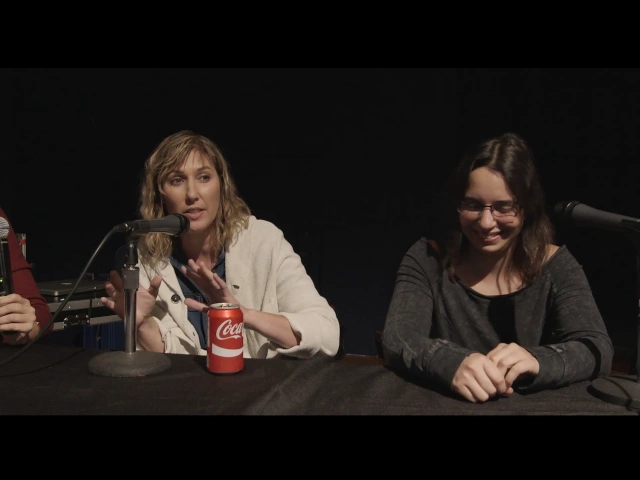
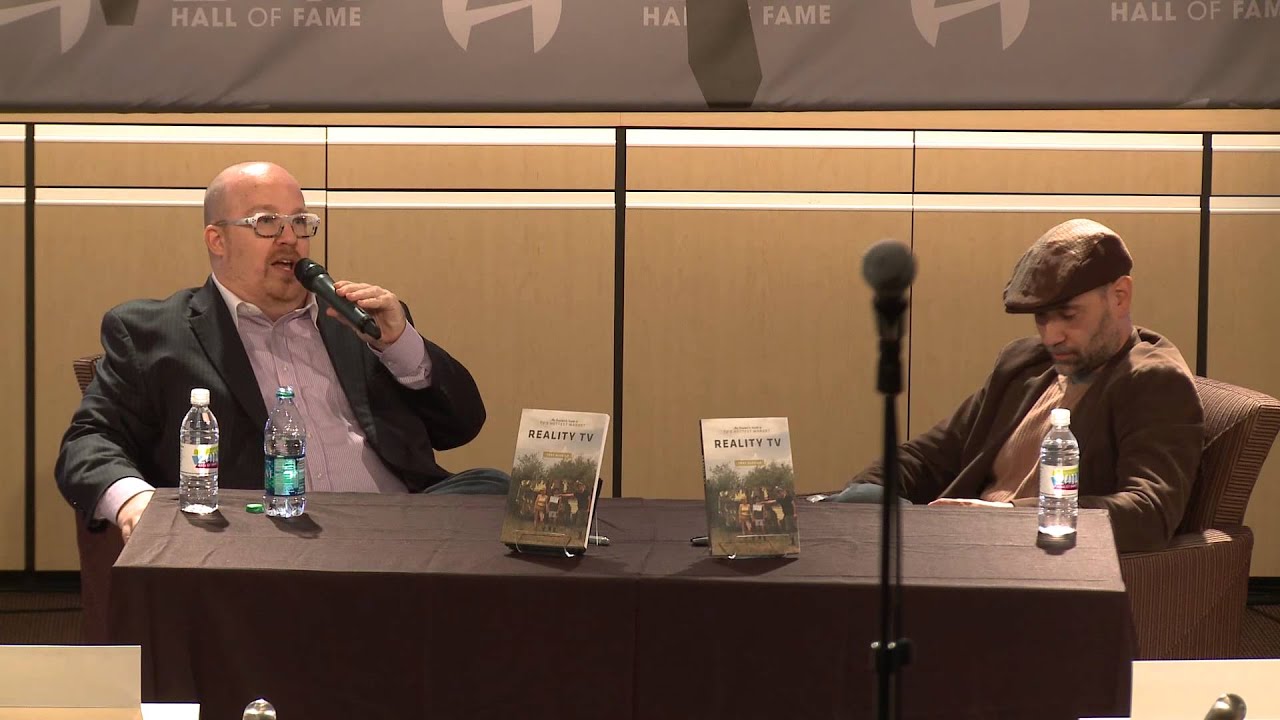
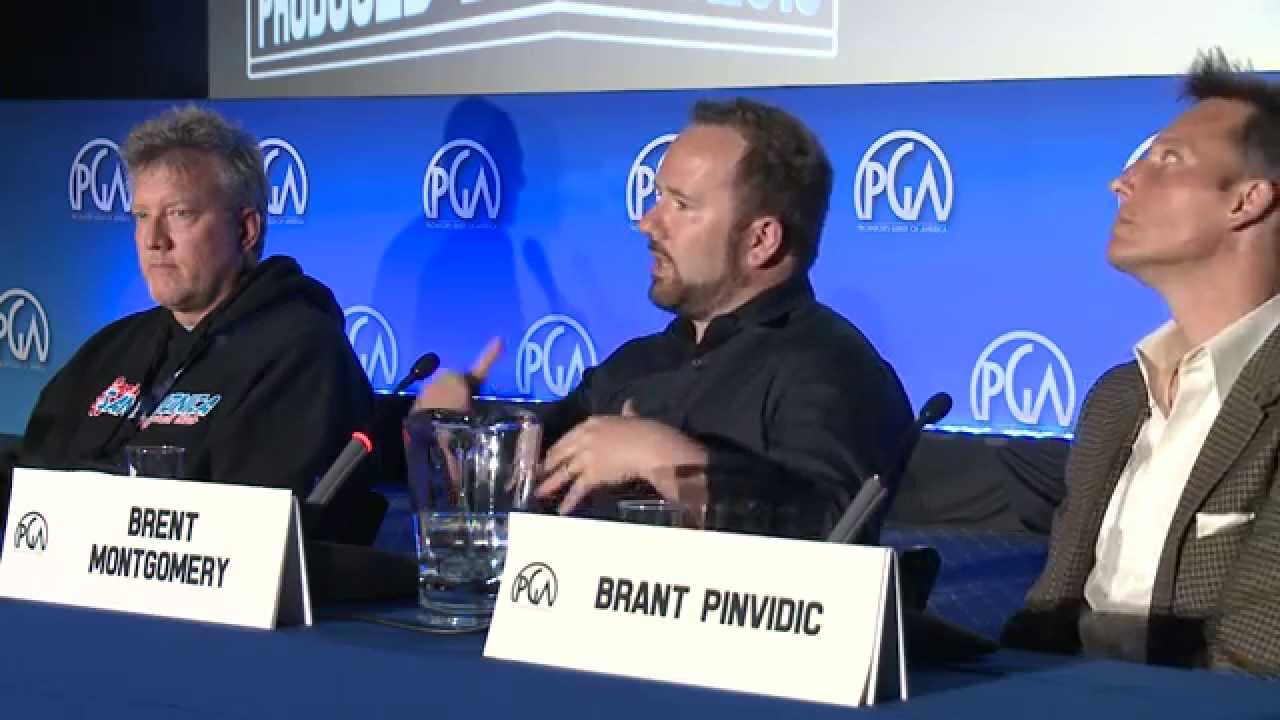
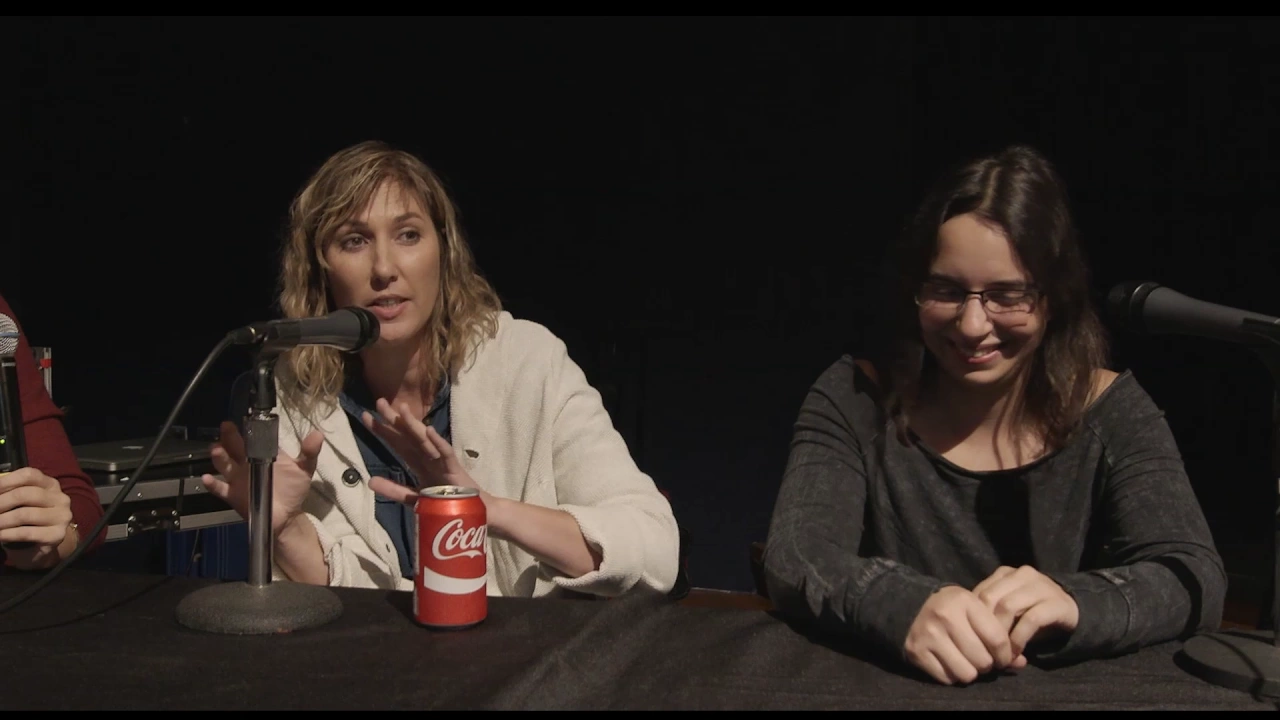
[Music] so please welcome Whitney Dunn who will introduce the rest of the panel and tonight we're going to learn everything that we need to know about editing in reality TV Whitney everything in one night hi again I'm Whitney I'll be moderating just to maybe intro myself just a little bit I've probably been editing for gosh maybe almost 15 years now currently working in reality at Warner Brothers just day in and day out typical stuff I also teach avid at a lot of schools nearby apparently events mentioned to me earlier about I was the one that
taught him how to assist and group and all that fun stuff so that's me rather than me intro in these lovely ladies I will let them tell you their name and just a little about a little bit about what they're doing and then we'll just dive right in if that works so just name what do you do so my name is Julie but everybody refers to me as Bob so I just go by Bob I don't like Julie Bob get that out and I edit a lot of reality TV and documentaries I go back and
forth depending on where my head's at do we do you want me to list the shows because I probably can't no network no network so I do a lot of like docu-series are docudrama so I do like teen moms 16 and pregnant Mob Wives big and stuff southern charm a lot of Bravo MTV vh1 Showtime I don't know great my name is Suren Amir and I come from a more eclectic I don't know uncontroversial country what does dartie okay okay I grew up in Israel and and in Israel you have to go to the army
so I I was an avid editor for the Air Force in Israel and that's where I learned avid that kind of qualifies you in Israel to be in to work in the industry so I worked for II and I did some reality content for in Israel from there I moved to the US and I did some I jumped into an assisting for reality and then editing some stuff for Spike TV shows for Spike TV for vh1 History Channel Food Network CNBC and I've that I worked on some developments work for reality television and I made
the jump to indie features more action films and stuff and after that I worked into I'm into scripted television as an assistant editor so currently that's I'm in scripted television but I spent a big chunk of my time here and there like a reality reality post editor an assistant editor awesome thank you so the way I kind of thought about starting this out is just kind of going in order really of just how to get started in reality TV since this whole panel is basically about how to break in so hence the questions will kind
of be guided towards starting out and then dive into specifics about actually editing physical reality TV and we'll just go on to Q&A from there sound like a plan yes these two make it sound like a plan everybody great okay so very discussion open so not necessarily specific towards either one of you but just when you were starting out so you know you said the army and all that but just in starting now how did you even choose post were you in the industry of in some way or just how did you get into post
specifically Israel has an interesting educational system where you choose majors in high school so I think that's really smart so I majored in Media Studies and theater and through that there was also a practical side of film where they teach you how to direct and write and produce and shoot and edit and we actually had to edit systems and a green screen room and I think it was one of those schools that got a lot of donations and they we had old school premiere floors and I that's where I learned that I really like editing
when I was 16 you are not 16 oh we need an intern and I was a great I'll intern for your company in New York I need help I was like cool show me what to do like yeah I mean the editors make Bank you know idea is that when everyone thinks they also lead lead you know it was a good thing to have in mind like oh here's something creative that I that I'm not gonna be made fun of you know that I will actually be able to make a living and be a starving
artist you know there was no like when you say like how did you start and reality TV when I started there wasn't reality TV wasn't a huge thing I think it was just starting to become a thing I cut the Gastineau girls which was free that was kind of like what started their Kardashian's into thinking like hey wait a minute we can do this so and it was I started before the gasps no girls so I think it I just you know reality TV just kind of became a thing as we were in it like
I used to tell people like you ever noticed there's no old reality editors and sending her to me like ten years later it's because it hasn't been around long enough like for that to happen yet hey Jeff awesome so usually once you decide you want post but typically the first job is assistant editor from intern I guess so assistant editing I know sure on you have been an assistant editor more recently but I also I always try to stay cutting whether at home sure you know give it get stuff from the editor to cut and
always stay keep my you know editing muscles absolutely so for somebody breaking in as an assist which is realistically where you gonna start I know we all would love to be editors starting out but realistically I started as an assist you earn assists I assumed you were an assist so starting out as an assist what do you think whether it's technology or software knowledge what do you think is the main thing or maybe top three things if you could think of what somebody actually needs to know before they can even go get that position whether
it's grouping you know [Applause] hi my name is Renee Barron I'm an editor which is why she's late because we tend to have to work late a show called science survivor and it's for science Channel and it's kind of like hacking nature with technology great yeah so before you did that we're talking assistant editing so yeah so Sharon I guess more specifically since you were doing that more recently what would you say software wise before you even can even get a job software wise what do you think people should know okay so software wise I
mean I really dig all the advancement that premier has had in the past few years and it's it's funny because it's the first program I ever learned but then I was very quickly told if you really want to be serious about this you have to learn a vid and and for the most part it's I think it still holds true but in the past few years it's been making leaps and bounds from here so I would say for the up-and-coming assistant editor really don't limit yourself learn both there's really no excuse both for both companies
let you download fully functional trials that you can just download and install and play around with and utilize tutorials like creative cow and and Video Copilot and lynda.com and who gives you like it will give you files to try stuff with and and I think don't wait to have a job to learn a software I mean there's gonna be that there's of course there's gonna be times you're gonna have to figure out things on the job but let's but I mean you'll look so much better if you'll already have you know a better understanding of
your the program before you start the job and that you'll point out something for that agree that they never knew so can I just add like as an editor the things that I know for an assistant the things that I that I noticed right away whether I like somebody or not as if things are grouped correctly if the they're using the right audio meaning that they've grouped the Ray Odierno any audio problems because there's always audio problems and an organization those are the three things as an editor if I'm looking at the assistant that I'm
like oh they're good or they're not good those are the first three things that I notice there's obviously much more right but those are the first three things that I'm like is this done how you know did they do a good job right yep and to add to that always triple check yourself absolutely you know and never assume and if you don't understand something or ask questions for that like so many people are afraid to ask but so many shows do things differently like all shows do things differently so it's not like oh my god
I don't know this I should know this don't even worry about it because the next show you work on it's gonna be different so just ask yeah you have to be adaptable mm-hmm and take initiative there's always a learning curve and and I mean I think the top thing would be to master the main editing software whatever it is that you're gonna be working with but the the big ace of assistant editors sleeve which I mean it should be on the down low that you know this but After Effects so that in terms of graphics
or getting footage in transfer well not so much for ingesting but it's a better understanding of how to manipulate images and also it gives you if you learn it properly and you know all the terminology it gives you a better way to communicate with graphics people and vendors and in the right language that they'll understand and then ask how to import them in yeah like what their specs are yeah yeah so the changes from house to house it changes from audio to visual to whatever so and and Al's changes not just like various this audio
wise but within that but the various audio houses because you have to remember to like reality TV it's like you know a lot of the times they shoot reality on look I'm not they shoot reality on all kinds of equipment so sometimes on some shows the equipment sucks and it's from 15 years ago so the things that you're bringing in you can't bring in the way that you know people do it now it's like everything is different so as an assistant you have to know like what yeah what your show is using and how to
like import that incorrectly so like even make it to the next level where you can you know start to work your way up as a junior editor and editor yeah there's gonna be mixed frame rates from various cameras if it's a food show if it's a food reality show then the then the competition part or whatever is gonna be shot with one camera the food porn is what they call it the beauty shots are gonna be shot with a whole different camera probably not the same frame rate it's a whole different kind of workflow to
make it seamless for the editors so they don't have to worry about it and they can focus on the creative part and on adding to that sorry just really quickly you guys think of it as a whole organism I'm working like a living creature so what people do out in production in order for even the editor to really appreciate it and give like the EPS and the network what they want we have to be able to use it right we have to be able to access it so all this technical stuff and the organization it
has meaning and be intuitive and it's something as simple as this and I I find this not in reality TV but if you're new to it then maybe this you would do this like a lot of times people organized by date if they don't know better right and it's like how would a post person how do those dates help any like I don't know anything about those damn dates so you know so it's like I need the scene name right so as an assistant you would do things like that like it's like you you'll have
to find out like where they keep the b-roll how they like organize it for the editor to find clearly music the same thing being able to organize the music in a way that's like easy to access because in reality TV a lot of times you're using music libraries that are so large and if they're it's just if you just get one bin filled with music it's like a terrible thing for the editor so it's things like that that just because the more you you do to help the editor I think the more likely we're like
oh we like that person you should try to edit this for us or we'll be more likely to like help you in decoration every editor is different so every editor will have their own preferences and it's a really about communication because yeah I mean communication and getting on the same page and just gelling and getting a well oiled machine you should have a post a post Bible like a lot of you know if you haven't worked at Jody before when you start they usually I'm like opposed Bible yeah most most post companies will give you
a format to follow so you're not just starting from scratch and yeah not knowing anything but I guess to take away the most important learn how to get stuff into the system and how to organize it once it's in yeah and now we'll never stop that will be your job the entire also probably that's a big thing turning music levels down like I hate when an assistant hasn't turned the music levels down because they're very high and you know like it's just a nightmare you can it's like two clicks they can all go down yeah
it's a simple whatever down automatically upon import there's no reason not to it's it's very it's it's big the little thing but that you put this audience to learn on the job right you're not gonna know you're not gonna know that chick coming out of like college or like just starting like this stuff you have to learn as you go I mean the trick is you make this mistake once and that's it never do it again okay small learning curve yeah no I mean like then you just have to be on it I mean you
make it once and that's that's a really good assistant as you make that mistake once and you're like okay moving on yep okay yeah I'll do that first so he asks what does grouping is what does grouping mean is it always the same grouping explain grouping so grouping is if you have two cameras and they're both shooting like so if we had another camera here you would want to marry those two cameras so you could click between you can turn between camera a camera B and so so you need to sync them up which means
you need to group them you also need to group the audio because there could be like a ton of audio so you need to group the audio with the cameras and make it all one big you know pile that way I don't have 50 piles and I'm trying to like make everything together so it's like a multicam multicam yeah you'll have your source window say for different you do the quad right and so see those four cameras there's like the close-up there's the why there's slider there's like whatever and but they're all in sync right
and so they're all moving together and mostly were seen mostly mostly in reality this the time codes between all three that like the cameras and the audio which is recorded on a separate device won't match at all in reality so so that's where the assistant editor really has to you know be very diligent and line everything up and add auxilary timecode or add in points however they do it to to bring everything into a sink so that the groups will be flawless and play in real time yeah I look though most times the time you
do a stack you line it up in a time line all the different elements from the different recording systems and then you before you all four layers of say say four cameras so then you have four video layers right so that's a stack with a companying audio exactly perfect yes--that's analogy yes before them yeah and and also I would I just want to say that if you're learning how to group often in reality some of the camera guys are trigger-happy so they they will cut you know one one camera run or the other camera will
start and stop so the the the assistant editor wants to shine should learn multi grouping which is a group that will have one of the cameras just start and stop as the sink and keep the sink going so you should look up will blanks little blanks blog about multi grouping as well as Vincent Rochus there's a lot of channels out there to show you multi grooving because it is pretty intensive you're not just gonna come up with it in your head you definitely need to be taught it to learn frame rates there's different ways to
go about it some people prefer creating the masters footage outside of avid and making it converting it there that could create create problems for when you're on lining for the network in the online house or however they're doing it so a lot of times what you'll do is you'll create an avid project in the corresponding frame rate for that footage bring it in and then bring over the bins into your actual project after a certain version number of avid avid adds the time-warp embedded in the footage that will adapt it to the the native frame
rate for the mid for the main project I think that's the best way to go do you still want to be innovation you you bring it in you open up you open a new project in the native frame rate of the like you have a foreign you have footage that's the foreign frame Nate from the rest of the footage right so you open a project within that frame rate bring it in to its own kind of frame right and then you just bring the bin the bin over to the to the main project it converts
upon import it makes it into an MXF file yeah so mix frame rates have each of project for each frame rate and then you can combine them once you bring them all in did you turn it down or turn it off but keep it there keep all the audio tracks because you never know what the audio house is gonna need you certainly use it for the grouping process and it mean it will it will stay married to the video so they can always match back and get it and yeah keep it the way the editors
want it I mean you should ask the editor the big thing for like the grouping with the audio like in reality shows they have at least docu-series like it's like The Real Housewives of New Yorker any of those franchises they'll do like a lot at dinner party scenes well there have like you know six characters and they'll have like you know 12 people might and it's a lot of the times unfortunately they have two main characters on the same channel and you got to flip it and that's the thing with with this stuff with as
an AE you have to know like oh this one audio channel has two of the main characters so I've got a I could be saying this wrong god is duplicated and flip the audio so the editor can hear both of their audio without constantly switching channels it's stuff like that where it's like it's per show you're just gonna have to figure it out but it's like if you're an AE and you you're in these situations it's like you have to kind of think ahead well think about how the editor is gonna best read the material
so present it that way right right yeah I mean it really depends on the show sometimes you'll get a mixed track and then that's ideal for the editor to work with and then later you'll go in and you know decide what's the correct microphone to use or they'll just edit with the camera audio that has all sounds and then and then you'll go and clean it up later with the correct what you can do to avoid that is give the editor a roadmap of what who's on what Trek and what all the track's mean so
yeah you can label the source tracks in avid yeah so you'll have like your camera audio right so let them know that what does camera audio then you'll have like the love what is the love and that's an addition to the various characters right so it's per show I think that I'd never thought of stealing it wouldn't really be relevant because like the show is recorded a certain way yeah a certain sound guy who likes to record it his you're not gonna read like a Teen Mom show Bible and go work on be like oh
yeah matches like that's not every show is different that's why they make them so just keep the concepts in mind the concept of grouping and all that is the same yeah how it evolves yeah yeah it's just the music levels come in super hot the question is why would you why would you bring the levels down and the music and it's because the music comes in super hot so usually when you're doing just a CD or a library you every that like say extreme music they differ well they will deliver a drive right that'll have
like their whole library on it write it out some is of songs and when you bring it in and you hit play it's gonna be like this because it's going under a voice so you don't need it loud music your typical you just select them all hit apply gain and lower it and they all lower all at once so the toolbar right gives you a list of different things that you can do to manipulate the media right one is called gain and yeah there's different ways they just fly it across all the clips and a
bin there's a way there ways to apply it while you're importing it what while you're importing it you can just say oh when you're importing it doing negative 15 and then it'll just you don't have to worry about it anymore and they don't have to worry about it anymore yes depressing it's not fun you could say that but like you know you're labeling every shot that comes in your labeling scenes so you're labeling stories not you know so a story which like one you know it's like dinner party and then you asterik where the fight
starts you know like it's well you'll bring it into a band right and be a clip in and this is before you actually even start grouping or stacking and what you can do that you can label say interviews blue and then you can enter in a label reality yellow and then you can label your old what are you yeah well once you once you group it then it really cuts down on what the editor you know the amount of clips that the editor has to work with I would so I would say I would say
maybe like eight hours but then you gotta contribute maybe sometimes eight hours or four hours but then you're but then an additional four hours for every camera right and you got your B cam that's roaming around doing stuff so it's it's it's a lot of footage okay okay yeah but really quick but um what you can what cuts down on that is once it's grouped I'm not looking at you know four four cameras I'm not looking at whatever but I'm not looking at multiple multiple multiple hours of cameras there I'm just looking at the one
four hours with the the various freeway no it's one screen and then with it it's a quad multi cam mode in avid yeah so then you have like your close-up you have your wide you have here drone or overhead or whatever I'm sure like it's not like you watch everything - it's like oh I'm sure you do this like you scroll through it you know like you're just looking for a shot you know you don't have to if you're looking for not content but just like the what the picture looks like you just scroll quickly
yeah you know well they say the average reality shows shoots about 200 hours per show and then the assistant nutters bringing that in but the editor only deals with a scene at a time so it's whatever scene you're working on so you're not watching 200 hours every single day you're just watching that one little scene that got pulled out for you for that one day when you're watching that one scene you're watching the four cameras at the same time so it cuts down your yeah for our like if it's an hour and now you're watching
it for one hour but this is another had to get it all down there for you to do that editing what's really fun too is that you can actually watch your timeline and you can watch the four screens at one time on your but you've already edited stuff does that make sense you can edit on the fly while you're watching a quad split yeah so you could say oh this is not nice anymore I'm gonna switch to this one right yeah you and this will fit this at it at this point you know and it
just kind of synchronizes everything [Applause] you