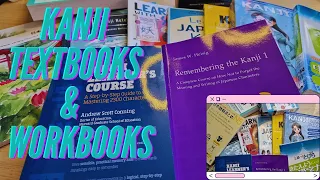
hey guys welcome back to my channel I'm bunski and I've been studying Japanese for the past 17 years if you've been following me on Instagram or through my newsletter you probably have noticed that I love kanji and a lot of people have been asking me how do I study kanji so in this video I want to get into How I Learned kanji and vocabulary because I think the two are connected and show you the resources that I use on a daily basis so let's get to it [Music] okay [Music] thank you so I want to
start by addressing the elephant in the room I have never ever used Anki to study kanji or vocabulary I've noticed in the limited time that I've spent online in the Japanese learning community that Anki is by far the most preferred platform or method to learn and organize new kanji and new vocabulary back in 2005 when I started studying Japanese Anki wasn't even really a thing or used to just buy a deck of physical flashcards or they would write their own but for me that didn't really make sense most of the words that people learned were
either from lists or they were completely out of context I on the other hand learn new vocabulary and new kanji through Reading I simply read books and whenever I find something that I haven't seen before I tend to write it down make some notes and move on I'm completely okay with forgetting I think forgetting is just part of the process of learning and so I don't really beat myself up over it if I forget a word or forget a kanji if it's important it'll come up again for me reading is its own form of spaced
repetition and this is basically still to this day how I study new words new vocabulary I read I write down I repeat until things start to stick so because my learning process is so simple whenever people ask me how do I learn kanji I really never have an answer I just say I read I write down what I don't know and that's it however I've kind of tried to break down the process that goes on in my mind whenever I'm learning new words or new kanji because it's not random so today I want to get
into the categories that I use to organize new words and kanji whenever I encounter them and those categories are grouping deconstructing and contextualizing so for the rest of this video I'll explain what I mean by those categories and which resources I use with every step so let's get started so the first Way by which I learned kanji is by grouping them together in specific ways based on either their differences or their similarities the first way I group kanji together is by their meaning for instance if I see the kanji Chichi I'll look for other kanji
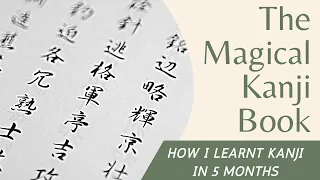
that are related to the category of family like musume and so in this way my brain will kind of categorize kanji based on their meaning in a way that it really makes sense now I know that most integrated methods like minajongo or Genki will probably organize their chapters based on themes maybe one is going to the doctor another might be going to the grocery store but unfortunately there are not many kanji workbooks that also organize their kanji thematically the only one that I know of is this and this is a fantastic workbook that I bought
many many years ago it's basically organized by theme such as people Society culture and stuff like this the reason I really like it is because it's very systematic the radicals indicated in color you get the two most important compounds and you get exercises in which you can see how the kanji is used as vocabulary and within a certain context so I think this is an absolute great method the problem with this book is that it's very very hard to get even when it was in print I know that it was difficult to get your hands
on so if you find it please get it trust me you won't regret it okay so that's one way of grouping kanji together now I want to move on to radicals or bushu so bushu are a way of organizing kanji by broader categories of meaning for instance if you have this kanji king or Kane in kanji as a radical you're almost certain that their kanji has something to do with gold or metal and so even if you can't read let's say these three kanji ikari and kagi and you don't know what they mean you can
kind of guess that they have something to do with metal the thing that they're representing is probably made of metal and so even if this doesn't tell you the reading of the kanji at least if in a jopt you get multiple choice and they use similar kanji with different radicals and you can see from the sentence that it has to do something with metal then at least you can give an educated guess as to what it might be let's do another example for instance this character AME which means ring if you see a kanji with
this as a radical you can be fairly certain that it has to do with some form of precipitation so these radicals also function as individual kanji they function by themselves and so they're fairly easy to recognize however there are many radicals that are far less easily recognizable and for those cases I use several resources first I think the most comprehensive tool that I use is this dictionary this is really a great tool if you want to find out where radicals actually come from what they mean and what their background is this dictionary is also organized
by theme so as you can see here you have the category of doll boots or animals so it's really easy to use the explanations are really really clear and it's just a joy to use so one other tool that I use is busiohanashi part one and two this is split up into two shinsho and this is written by Anthony one of my favorite kanji squatters and this material is more anecdotal it's not as comprehensive as the first dictionary that I showed you but atuji Sensei is a master at telling stories about kanji that are just
very entertaining so if you're looking for kind of fun introduction to bushu I think this is a good resource but if you're looking for a more comprehensive dictionary I think this might be a better choice now the third way in which I organize and group kanji together is by their um or phonetic marker now phonetic markers are limited to kanji that belong to the category of case Emoji which is one of the six categories of kanji but fortunately for us most of the kanji in existence belong to this specific category so lucky us so a
lot of my students always tell me that they have trouble learning kanji because oftentimes they find that they're very similar to each other they just look too much the same but actually this is something that you can use to your advantage take for instance these six kanji as you can tell all of them have a similar element to them which is the phonetic marker which is where it is King now the phonetic marker will tell you nothing about the kanji in terms of its meaning but if you know at least one reading of the kanji
it makes it very easy to look it up in the dictionary and because all standard kanji dictionaries are basically organized by queenyomi and onyomi as as well there's total number of Strokes it's very easy to just pick up any dictionary for instance this shinjigan which I use a lot or this kanjikai which I also use a lot for different reasons and to look up the kanji if you know any of the readings so creating an awareness of this phonetic marker for me was really an eye-opener because if I can at least give an estimation of
how that kanji is read I can pick up any standard kanji dictionary and look up the meaning now this Shinji again is very good because of its layout it's very easy to use I also really like that the paper is really high quality you can feel it's a little bit thicker and also when you open it you don't have to hold it open it just folds open and stays on the page so that's really really good but I also really find useful about this dictionary is the overview in the back of kanji that are very
different but that still have the same kunyomi it's good to have these together so that you can differentiate between them much more easily and that also makes it easier to remember at least for me now the reason I really like this resource the kanjike is because of this Zen yaku and the zenyaku refers to the complete translation of the setumon kaiji which is the oldest extent Dictionary around on kanji it's from the first century and it talks a lot about the etymology and the origins of kanji and of course it's completely In classical Chinese and
that's why it's so useful to have a modern Japanese translation in this dictionary so that's the main reason I use this resource so those are basically the three main ways a group kanji together by meaning by radical and by phonetic marker but I also tend to kind of play around with different ways of grouping things together let's say that there are a bunch of verbs that really sound similar but that have nothing to do with each other for instance so they all have four syllables and they all ended now but they have nothing to do
with each other but because they're so similar it's easy to get them confused when you encounter them in the wild and so I tend to kind of group these together in an attempt to trick my brain into fusing new connections between words so I do this for kunyomi but I also do this for onyomi so we just talked about phonetic markers but sometimes the phonetic marker can throw you off a little bit sometimes you think a phonetic marker has one reading but in that specific kanji it has a completely different reading an example of this
is Asa which means morning and the onyomi of this is chol so logically you would think that all the kanji that have that phonetic marker in it will also be read as chore now in most cases this is true but there's one exception this kanji which is read is and so I like grouping kanji together based on their phonetic marker and then figure out which ones are the odd ones out now to my knowledge there is only one dictionary that really helps with this and that's the kanji um this is very very niche as you
can see on the OB specifically made for people who are trying to pass kankeng EQ if you buy this and think you're getting a standardized country dictionary you will be deceived so only by this if you think it's really really useful for me it's really useful because it groups kanji together based on their phonetic marker but then also gives you an overview of the kanji have a reading that's different than you would expect based on that phonetic marker so this is where they use for that but only for that otherwise don't bother with this it's
pretty useless beyond that so this was basically step one in my kanji learning process I group kanji together in different ways in order to trick my brain into forging specific connections between kanji and placing it within various contexts so that it's easier for me to remember down the line now this works really well for learning individual kanji the next step deconstructing is very useful when you learn kanji in a specific context and of course the most specific context for individual kanji is vocabulary and in this case I kind of want to focus on two character
compound words because those are the most prevalent so take for example this list of two character compound words now at first glance these kanji are very inconspicuous you might encounter these in any kind of random word list however for me personally it's very difficult to learn words from a list if I just take these two character compound words at face value and just learn them as a word with a reading and I try to remember their meaning then I guarantee you within a few days I'll have forgotten that word so basically I need to find
ways to make that word meaningful to me or to contextualize the word or to make it more logical somehow so one way I do this is by creating an awareness of the relationship between the two kanji that are in the word now there are several certain structures that a word can have and here I want to focus on the five most common ones so let's get back to this list it seems like any kind of random word list but actually if you start paying attention to the relationship between the first and the second kanji you'll
see all kinds of different structures emerge so for example for the first one you can see that it's antonym right so this is antonym for the second example Conde you can see that the kanji have similar meanings so both have some kind of meaning of being cold for the third one unique it's a qualifying relationship because you're asking what kind of Nico what kind of meat is it it's Unico it's usinoniko right so it's beef so this is a qualifying religion in the case of the fourth Jose mountain climbing it's a relationship of a noun
and an action in The Case of the fifth stomach ache it's a subject predicate relationship so and so if you kind of break them down into the structures or the relationships between the kanji now it makes much more senses of work and that brings me to my second point in this category which is breaking down kanji or compound words into their kunyomi so I kind of did that in the previous example but let's say you have a word like shape exam most people will know that the first kanji is red is tamesu to test but
not many people will know that the second kanji is also read is tamisu so it's time and so these are as you saw in the case with Conde in a synonymic relationship both mean tamesu and so together they form the noun exam another example might be the word shodai a very basic word that means future however if you break the word down into its perspective that which is about to arrive then the word starts to make a lot more sense it's not just another word with a sound to which you attribute meaning but if you
break it down into its kunyomi it makes much more sense as a two character compound word so when I deconstruct compound words I basically try to find out what the relationship is between the first and the second kanji and then break it down into their respective cranial that way it will make much more sense to my brain and it will be much easier to memorize the word long term so that brings me to my third and final category which is contextualizing so contextualizing for me basically means reading I like to read a lot of books
and I get a lot of my new vocabulary in kanji just by reading and I memorize the new words in the new kanji in the ways I just explained to you now in my case because I'm doing a PhD in Japanese literature I mostly use literary works and if you're already kind of familiar with reading Japanese literature in the original you can maybe use resources like is basically a large database of all the copyright free literature so you can just go on there and use the literature in ways that you see fit make Anki decks
from it if that's what you want but it's a very good resource so maybe one drawback of azurai is that because the copyright has become expired the literature you'll find there is also a little bit on the older side and maybe difficult to understand if you're just getting into Japanese literature however I have you covered because a few years ago I created a free resource called boonski's newsletter over on substack I'll list a link in the description below in which I basically sent out a short passage from a literary work including a vocabulary list and
a short translation so this is a great way to get into Japanese literature if you're not used to it yet and to kind of navigate your way around it to find out what you like and what you don't like it's completely free as I said so head on over to my sub stack if you're interested now another great online resource that I use to find out how words are used in a specific context is the hinoki project website especially their natsume page on this website you can kind of enter a noun or a verb or
an adjective and then basically the website will give you the most common examples in which that word is used so for instance if you search for hanzai and you want to know how the word Hansa is used as an object you can see the most common way it's used is hanzai you want to see how it functions as a subject you can see the most frequent combination is hanzai if you want to get in more Writing Practice with Japanese or you just want to know how words are used in a specific context in in combinations
with which other kinds of work words that this is a great resource so those are basically the three categories by which I learn and organize new kanji and new vocabulary now of course I realize that what works for me doesn't necessarily work for you this is just how I learn but that's based on my own process and my own study goals maybe you have different learning goals and of course that will encourage you to use different kinds of resources than I do but I just wanted to share my own learning process because I hope it's
also useful for you now to end this video I wanted to introduce some of the other resources that I used to study kanji as I said I do Japanese literature mostly Meiji and taisho and early showa stuff and the kanji dictionaries that I introduced to you earlier are very very good but they're always based in Chinese classical literature and so if you're doing very specific Japanese literature from a specific era then sometimes you won't find the words that you need in that case I use a different dictionary and that is whoosh it's heavy this is
and this has a lot of example sentences that come from the exact works that I am reading so that's very very useful and you can also see that some of the entries in this kanji dictionary are not all onyomi based classical Chinese readings sometimes you'll have Japanese words with the specific kanji of that entry and so that's very very useful for somebody like me again this is a quite an expensive resource it costs almost 100 bucks so if you want to buy this because it looks nice on the bookshelf a sentiment that I completely understand
then by all means go for it but it's quite a specific tool but I use it a lot I also enjoy using kanji kente materials I especially like their yojis this is quite comprehensive it also gives you the shoot thing or origin of where the yojiju Google comes from so that's all so nice to have there as a reference so this is something that I use almost on a daily basis one other type of resource I really like to use when I want to get into the more obscure world of kanji is anthologies of classical
Chinese poetry annotated in Japanese Japan is a very long-standing tradition of annotating classical Chinese poetry so these are really really solid anthologies often annotated by top specialists in their field and if you don't want to go to the dictionary every time you see a difficult kanji this is really helpful because as you can see it has a so-called oshaku or a word list with all the meanings of the words that are difficult and that will really help you understand the poor but this is also a way to really get into very very obscure kanji that
you would normally never use or to see kanji in a very different context you'll find kanji that are used on a daily basis still in modern Japanese but that means something completely different in Chinese poem so this is always really cool I really like getting into this this is pretty good the chewable so that's it that's how I study and learn and organize new kanji new vocabulary so for me it's not at all about learning the most amount of words in the least amount of time but it's more about putting in place the systems that
will make it easier for me to learn organize and recognize all of those words in kanji down the line when they're used in a specific context of course as I said this is just how I learn but I hope you really enjoyed this video please let me know if you have a different way of going about learning kanji and vocabulary down in the comment section don't forget to like And subscribe because that really helps me push out my content and I hope to see you in the next one bye bye