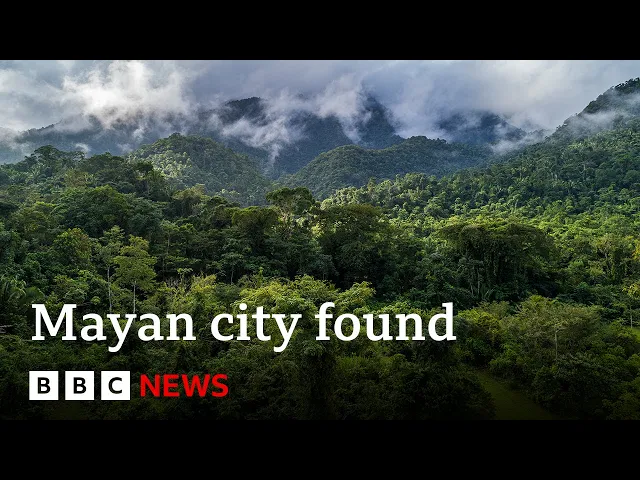
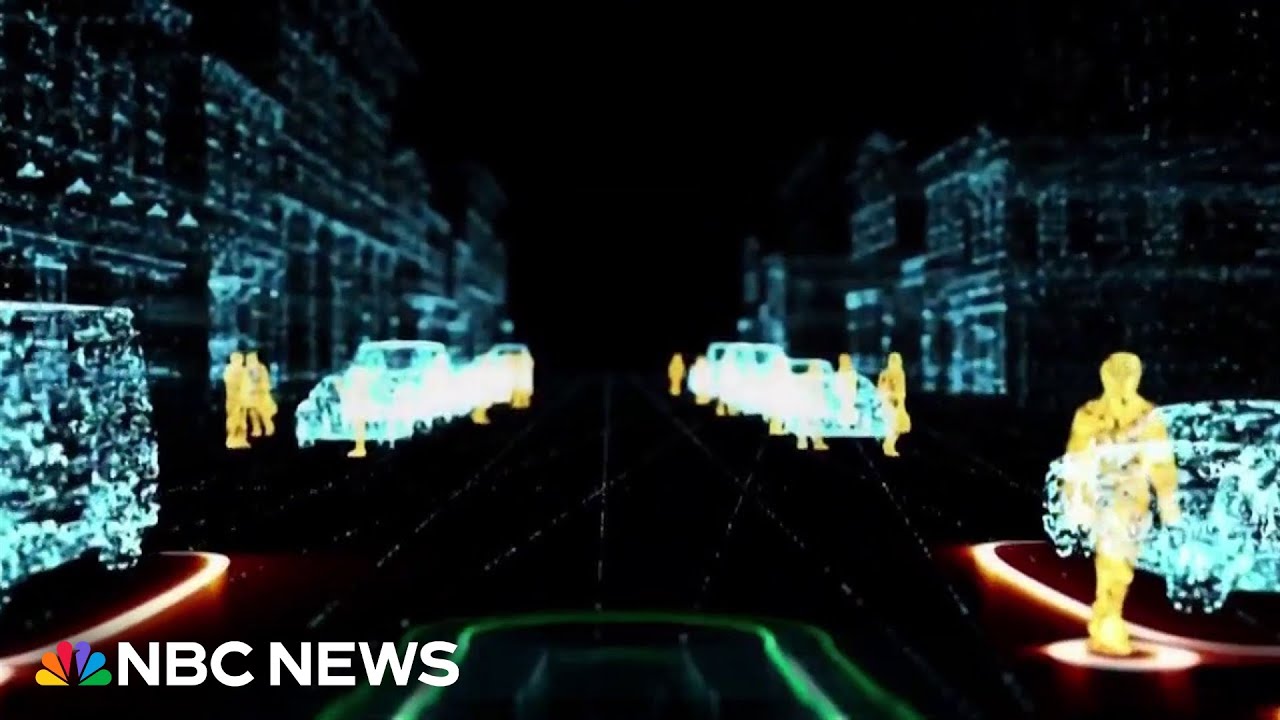
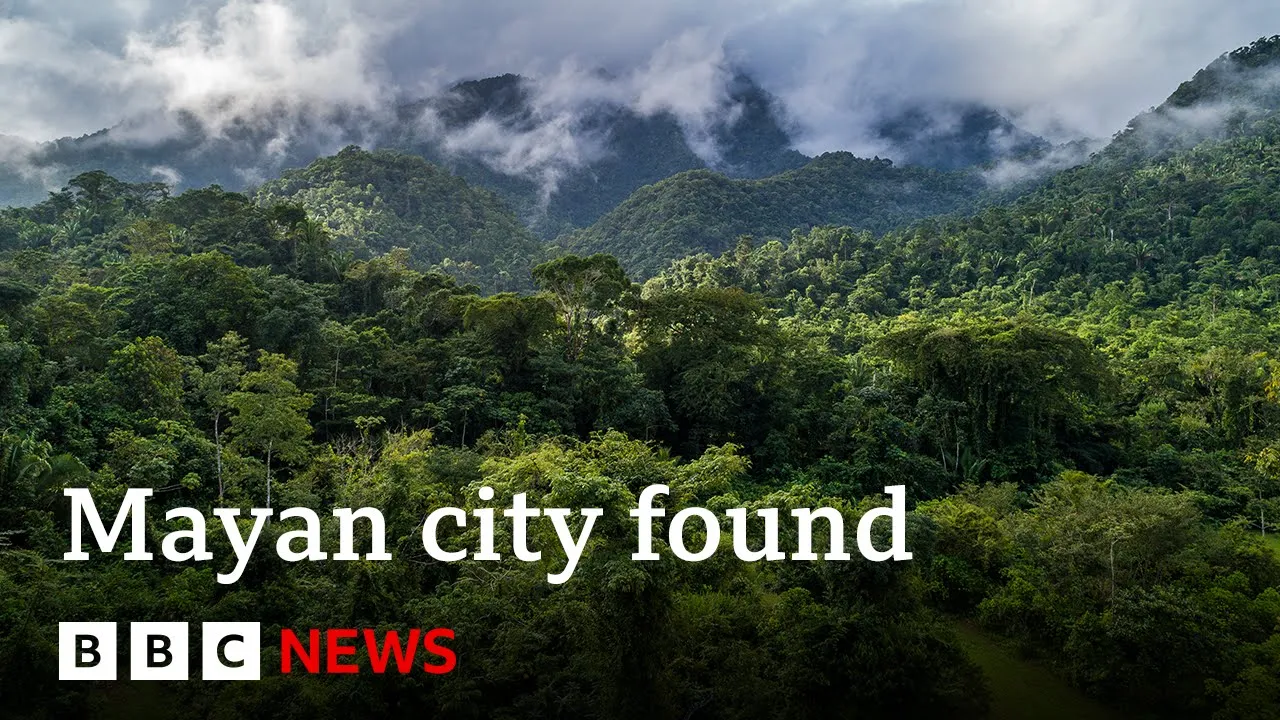
archaeologists have discovered a huge ancient city hidden underground in Mexico which may give a better understanding of the Maya civilization known for their distinctive temples and cities which stood for centuries but due to factors such as war and disease the Mayans faded Into Obscurity around 300 years ago however thanks to modern technology including radar archaeologists are now able to uncover the civilizations in their native North and Central American countries as Georgina ranard explains deep in the Central American jungle the trees are hiding Treasures radar fired from a plane peers through the canopy to search for
ruins this is in Guatemala but archaeologists have now discovered another huge City this time in Mexico they're calling it valeriana now we don't have any pictures of valeriana that's because no one's been there for hundred hundreds of years so we thought we'd show you what it might have looked like here in this virtual Studio this is a Mayan pyramid Temple similar to the ones that would have been found in the city people woried here brought riches like Jade masks and even buried the dead in total the team found almost 7,000 buildings in an area of
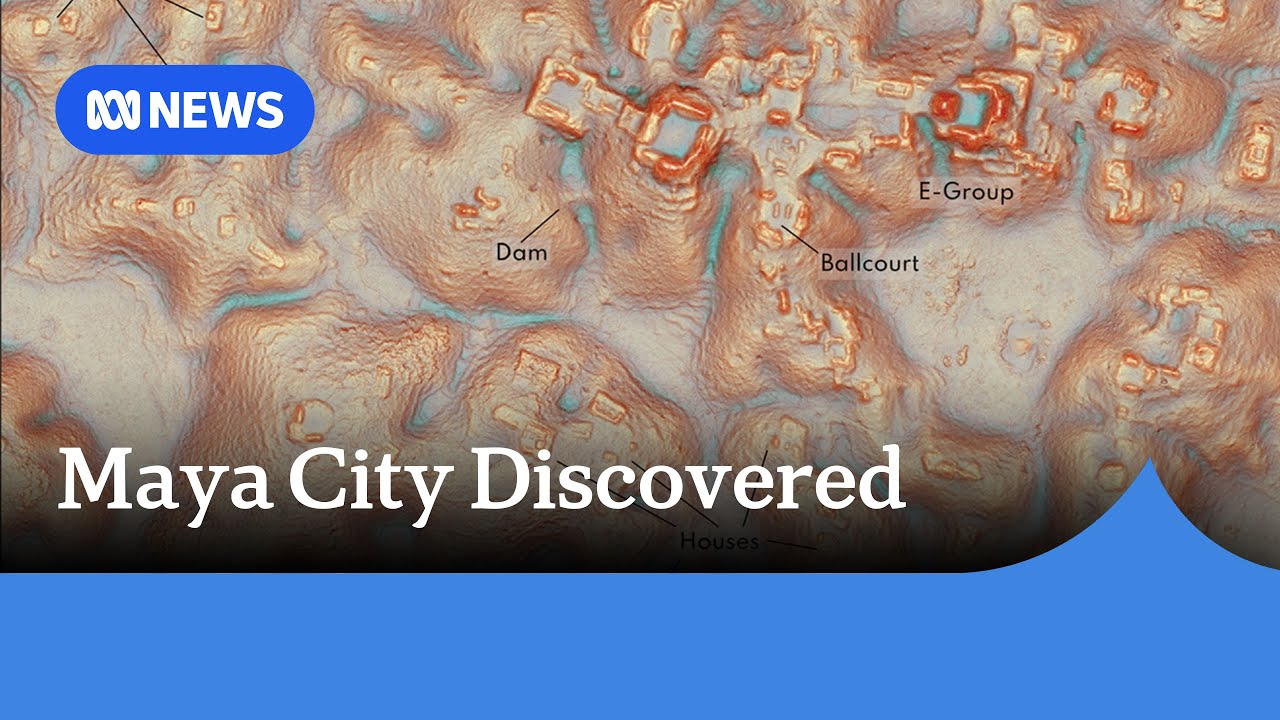
the Jungle about the size of Edinburgh up to 50,000 people may have lived in this area at its peak in the 9th century alongside houses the AR archaeologists found evidence of amphitheaters plazas and even a sports field for an ancient ball game it would have been a very colorful very uh Lush and I think very striking environment to move through things like palaces and Temple pyramids all of those would have been covered in uh lime plaster and then painted red pink and yellow and black there would have been clusters of buildings where people mostly SP
spend their time making Ceramics or mostly spend their time shaping stone tools um this part of the world there's some evidence for Market places it took centuries but War climate change and the Spanish Invasion caused the collapse of the Mayans but their descendants still live in ciche today and at the new site just 15 minutes from a busy road their ancient relatives lie beneath their feet Georgina ranard BBC News