hello and welcome to study iq i am your friend rahul sagankar i hope you are all in good spirits after so many requests from the aspirants today we are starting a lecture series of modern indian history so in the upcoming weeks i will be with you for your preparation of modern indian history for ups civil service examination as well as your state psc examination so today's lecture we are going to talk about sources of history now before we jump into this particular discussion there are certain frequently asked questions or faqs by the students which i would like to answer the first question that students have is how to approach modern indian history and what are the sources or the content that i have to follow the first question what's the approach the answer to that question would be given in the course of this discussion itself you will understand how to prepare normally people have a belief that history is very tough history is about dates i have to remember so many facts for example battle of class even was it 1757 battle of panipat there were three first one in 1526 second one in 1556 third one in 1761. what was battle of buxar when was battle of buxar 1764. so many people they get scared that i have to mug up so many facts and remember so many facts and there are different sectors also ancient history medieval history modern history how many facts can i remember see history is not just about remembering facts yes of course you have to remember a few things but history is about understanding so in the course of this discussion you'll understand how to interlink things how to interlink various events in history to understand a broader picture to understand why something happened for example the non-cooperation movement what led to it normally we see that non-cooperation we connected to the royal attacks we connected to the immediate incident etc but we forget to connect it to other events for example it was 1919 in 1920 the non-cooperative movement started but in 1919 the first war war ended world war one ended so we have to connect it to those events also so in this course of discussion you'll understand how to interlink these things how to interlink various events in history and understand a broader picture of the concept right so that would be our approach which you will understand in the interaction itself the next question about the content or the source see just just look it up on it that you will find so many things right the basic thing is ncrd of course i also said the same thing there are so many writers right there is chandra there's bipinchandra there's romina there is shaker bundle there is sumit sarkar so many writers so many books arjun dev what to follow what to do right the most sought out content for upc civil services examination is one book called as spectrum's a brief history of modern india and our discussion here would be about the spectrum book itself it's a book by rajiv again we will we are not going to rely purely on spectrum book itself but we are going to do a lot of value addition into this from different sources like the ncrts and the other books that i mentioned but the primary skeletal form of our discussion would be spectrum so chapter wise we'll discuss the spectrum's modern indian history book again it is at my discretion some chapters would be discussed in different parts some chapters would be skimmed through very quickly right depending on the importance of the topic right that would be our approach the next question that students have so how is this particular section or this particular series useful for me will it help me in my prelims will it help me in my means or will it help me in my interview i would say upsc is an integrated examination and this particular course is intended purely for that so we are going to prepare for prelims we are going to prepare for mains we are going to prepare for interview also so sometimes the discussion would be short for example today's discussion sources of history would be rather short discussion but we'll focus more and more on understanding through analogical discussion what are the sources of ancient history what are the sources of modern indian history you'll automatically get the idea why we are discussing this some chapters would be previously dedicated to prelims for example when we talk about sources of history in one of the snippets we'll talk about newspapers or journals as the source of modern indian history so from prelims point of view we are going to discuss which newspaper was published by whom which newspaper in history was very important for example the amrita bazar patrika what were the newspapers or generals published by gandhi what were the publications of what were the publications of so factual information would also be provided to you in some sections i'll mention that before beginning and most of the times will focus more and more on building your analytical skills so this particular lecture series is going to help you in the preparation of prelims as well as means and eventually in the personality test as well because questions can come from there also in fact when we talk about modern indian history the biggest question the students have sir what is the time frame that you are discussing here see weekly we are going to talk about events after 1600 because 1600 is a time period when the colonizers started to come to india the british the dutch the french many people came to india british eventually consolidated their empire then we're going to talk about the freedom struggle of course freedom struggle the nitty-gritties of all those things and then we'll eventually reach up to 1947 so this would be the first section of our discussion where we'll discuss the pre-independent history focusing more on british empire consolidation the coming of the europeans and british consolidation the india's freedom struggle the socio-economic scenario of india the political development in india and the freedom struggle eventually and how we attained independence in the second section in the latter half we'll this will try to discuss the post-independent india also after 1947 till the 21st century of course right so that would be our agenda so this is the first section of our discussion where we'll we'll talk we'll i'll i will take you through uh the indian independence from 1600 approximately all right now with this thing in background let's jump in and let's talk about modern indian history which is predominantly based on spectrum's book the first chapter sources of history but before we begin if you're preparing for ups a civil service examination or state pc examination do visit studyiq.
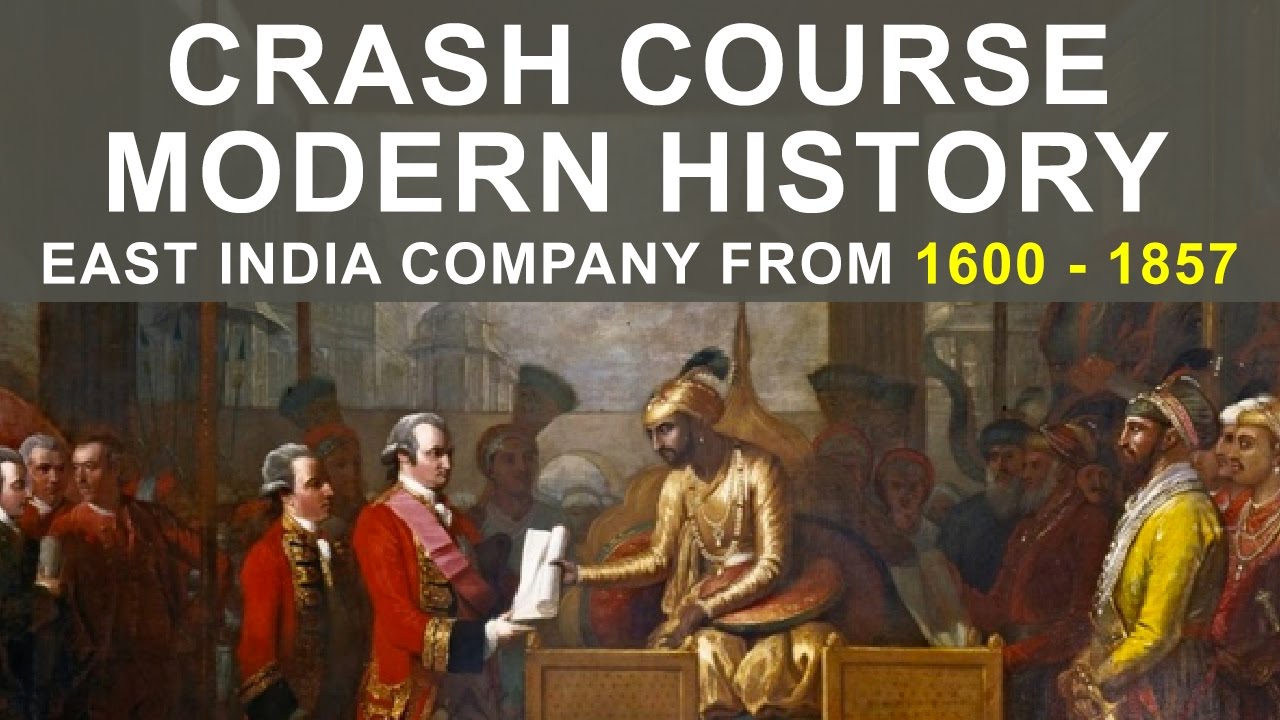
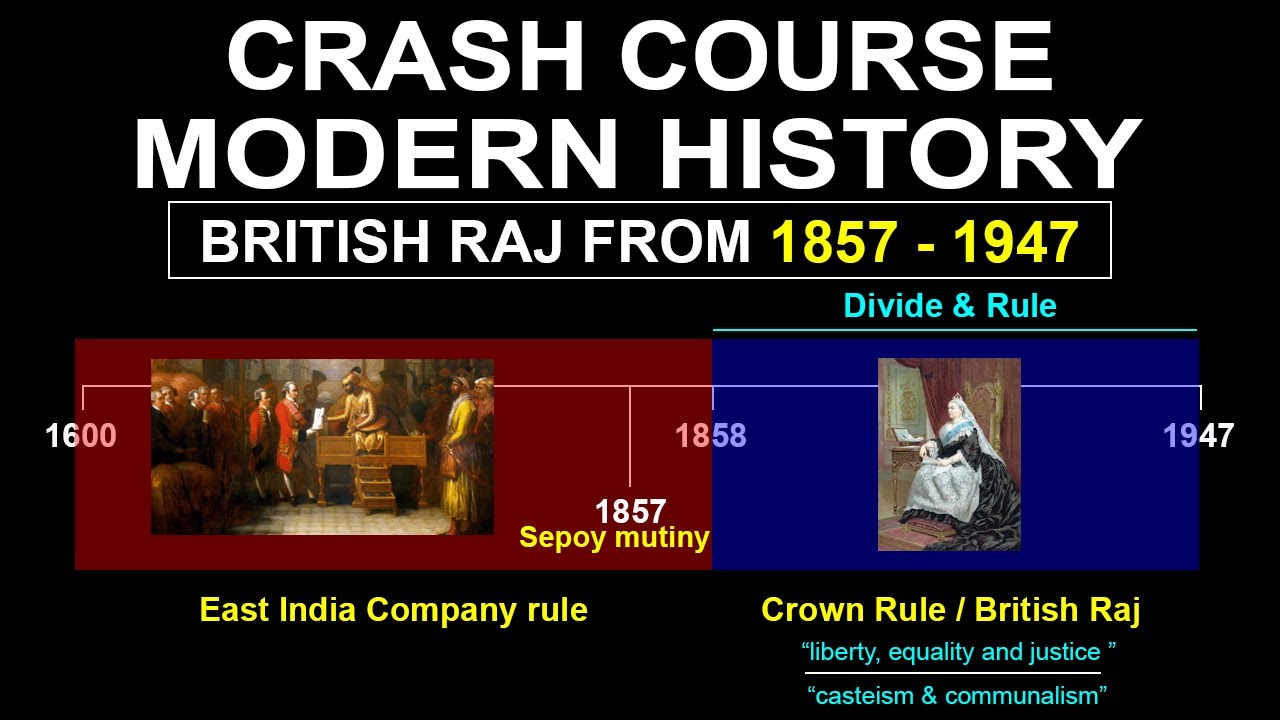
com or you can also download our app from google play store to know more about our courses in fact we have launched a gs foundation course plus a target prelims 2022 in one subscription just go to the details you'll get all the information there right let's talk about sources of history sources of modern history per se why are we discussing this at all we need to understand sir what is the use of discussing this at all now in this discussion i'll be telling you about how we have built up or the way we understand modern indian history on basis of what we understand that see whenever we talk about history we we talk about the ancient period vaguely we divide it into some time frame then the medieval history when the religion was very very prevalent then we talk about modern history in modern history we connected with the rise of intellectualism the rise of rationalism rise of humanism industrial revolution all these things right how do we know about these things say for example for ancient history what are my sources of ancient history if if i talk about the moral empire how do i know that something was like this in modern empire say for example i i do radiocarbon dating of a coin that i find and i come to know this is from maureen period or i find some ruins i find some places in ruins for example we have a lot of harappan civilization ruins left right we have a some ruins from modern empire we have architecture we have sculptures we are we have things and we do some sort of radio carbon dating and we try to explain history based on those sources right the terracotta figurines the coins the the cloth remains or the ancient remains of the bones or anything which is remaining from ancient time i do a radiocarbon dating of that and i tell the approximate age similar thing for the medieval history as well because i can come up with the time frame but there is a big difference when we talk about modern history because in modern history yes again we can go for radio carbon dating of course but we have the sources here at present which we can touch and feel which are already there just go to just go visit a museum an old museum for example if you are in delhi just go to national archives in delhi you will find the documents from the freedom struggle you will find the documents from even before so the sources of modern history are tangible sources where there are many archives central government archives in new delhi there are state or provincial government archives before there were many provinces and princely states in principles also many documents were maintained at the local level also some manuscripts or some papers would be maintained but when we talk about when we talk same about the ancient history or medieval history there was no paper now for all these things we do have paper we do have printing those sources are alive those sources are with us right now in the museum but if you talk about ancient scriptures we talk about the vedas we talk about ramayana mahabharata we talk about some sort of manuscripts that there is manuspriti what were they return on they were written on probably tree bark or some sort of a leaf whose remains are there some sort of writing the remains are there or in terms of medieval history there is some sort of etching which is done on a sculpture where something is inscribed on it by etching so that becomes a source but when you when you talk about the modern indian history we have these papers we have these records we have these archives the letters or the memoirs written by many people who travel to india all those become our sources so what are the sources that we have just go to the archives you will see the records just go to judicial records because see the court system the rule of lloyd was introduced by the british after they came so almost 200 years of history is there judicial records are there there was supreme court of bengal right before that there were presidencies the presidency of uh madras presidency of bombay presidency of calcutta right presidency bengal presidency to be precise so there the court system was set up the court records are still there there are many foreign archives now if you go to another country predominantly go to uk go to london museum you'll find many documents which are connected to india recently there was a news about mount baton letters right the memoirs the biographies the journals of people who visited india officials who visited india not the official papers but their own personal writings what happened in india right at that time what was the socio-economic scenario people will have a habit of writing a diary right now if if say some person who visited india writes a diary that he saw on this particular date he saw this thing in india that becomes our source of modern history newspapers are a source of history we have newspaper slippers even now in the archives which are stored in fact newspapers was a very very important means of political education in india at that time we can say that people came into politics people involved themselves in movement the non-cooperation movement the quit india movement or any other movement per se because of political education through these newspapers in the journals of prominent leaders then there is literature so a lot of literature is there especially after the british came into india a new genre of literature evolved where the life scenario of people was portrayed there were there are so many dramas literature books where people's people's position or people's condition are portrayed exploitation by british are shown apart from that there are paintings so these are all the sources of modern history let's jump into each of these things to get some examples in fact i'll be showing you some pictures also so that you get a feel of what are the sources of our modern indian history but the first thing that you need to remember is the difference what are the sources of modern indian history these are the sources which are tangible sources we have these things right again we have these things with the dates etc for example newspaper but what is the source of ancient indian history some sort of old manuscript some sort of old coin or some some written manuscript on on a bark of a tree which we have to go for radiocarbon dating to understand its age right so that's the basic difference between the sources of ancient medieval and the modern history now let's talk about the archives the first thing is archives now you have many archives what is what is an archive in fact i'm quite sure that you have an archive at your home also have you ever just become nostalgic and you've seen your own closet a closed closet where you have uh your your report card from first standard where you have your book from the second standard or four channel of your standard you must have seen that becomes your archive now very similar to that we have our types of records there is east india company archives from 1600 to 1873. there is survey of india records in 1767 in fact survey of india is one of the oldest institution of the government of india it is present even today then there are government archives the national archives in new delhi if you are in new delhi do visit here you will find a lot of information there in the museum itself in the archive you can go and relive the history there are many archives in calcutta madras and bombay presidencies apart from that there are foreign archives in uk france portugal etc in fact let me give you a simple information about the east india company do you think east india company has been dissolved if you if you knew that it was resolved yes you're right because the date also shows yes it was dissolved but there is a very interesting thing if you go to google and search east india company london the east india company is there working today it works towards fine food and bullion but a very interesting thing about this east india company is that it is owned by an indian just a very interesting information because an indian a mumbai-born entrepreneur sanjeev mehta he relaunched the east india company in 2010 and he said that eastern company is now mine just a great symbolism from an indian entrepreneur because in 1600 the east india company was set up it came into india and it uh in 1848 its powers were clipped obviously right in 1873 it was eventually dissolved and all the powers of this east india company they were taken by the government the british government the uk government so if you think east india company was dissolved and then what happened who ruled us east india company were in power from 1600 to 1873 in 1873 the company was dissolved and all its stakes all its territories all its resources everything was taken over by the government its assets as well as liabilities were taken over by the uk government so it was british who ruled india after 1873 and we have their archives the eic archives the survey of india archives you have national archives in india from there you get lot of sources and from there we have built history what happened in 1932 what happened in 1920 what happened in 1905 all these records are there apart from that there are judicial records now we talk about a case sedation case against right 1897 and we say that there was a sedation case on mahatma gandhi also where do we find these records we find these records in the offices the record offices in madras court in the mayor's court in fort st george in the madras which is uh since 1889 this is not 1999 1889 judicial records of mayor's court fort williams court record room in calcutta high court record room in mayer's code in bombay from 1728.



![THIS WILL CHANGE YOU! Navy Seal Admiral William H. McRaven [MOTIVATIONAL SPEECH]](https://img.youtube.com/vi/mMEq0r97T_k/maxresdefault.jpg)
![How To 10X Your Memory & Learning [New speech]](https://img.youtube.com/vi/HIdblMmSyl8/maxresdefault.jpg)