all right great thanks Deborah all and you should be able to see the screen excellent so we'll get started here and that'll work okay welcome so normally for quite a while now we get on and we go over the live charts and we set up trade who vetoes trade and take trades and all that all based off of our core strategy market timing strategy that but over the past couple months have had more and more questions come in and it made me realize that you know we haven't done a session that purely lesson based in
quite a long time so I thought we would do that today and will perhaps get to the live market a little bit but I think uh you know the most important thing we go over live markets because the most important thing is you really understand and learn you'll learn this the right way so do my best job to convey this market timing message from you today and let's begin will certainly focus on FX today but just understand that everything we're going to talk about works in any timeframe in any asset class stock futures Forex certainly
a certainly a huge part of options so you can see the kind of the title of this session your yfx banks make money and you go now that's not to suggest that nobody makes money and only banks make money but the reality is okay but the reality is it's pretty clear that you know I don't think we need to hide it right many uh retail traders right like you and I don't do very well I mean what's the success rate of an average FX retail trader not great at the same time big banks and institutions
tend to do pretty well yet both groups are buying and selling in the exact same market so why is that why is the gap so wide between you know big consistently profitable Bank and you know kind of Navis retail traders I want to take you back a little bit so it all understand to one more really important thing so I want to go over as much as that we can today but understand you know this is you know 4045 minutes together this is not the full-blown well this is not the full-blown you know seven-day courses
online trading data me it's not that you know the trading rooms that people are in for quite a long time but I'm certainly going to give you my best effort here I can promise you that okay let me explain it all to you here Ray Ray in now a shark chuck it so I started my career not as a trader not as a retail retail trader certainly not as an educator that came way later but I started on the institution side of the business the big bank side of business and I also started on the
floor of the Chicago market a little right back in the heyday of floor trading in the 90 so and the most important part of my education and there's a reason you know I'm telling you my little bit about my history because it's going to help you understand better G as we can into that in a few minutes so I started on the floor of an exchange from people on the institution sided didn't not the retail side of business and I had no experience and I will tell you you know looking back today that was the
biggest benefit I could have had learning this the right way from the beginning was absolutely key it was critical to you know the learning process learning a great way so I would get down to the floor and I actually started in the currencies right see Amy back then he had two floors currencies on one floor and pretty much everything else in another so I get down to the floor about an hour before the marks to get going it's kind of a training for Outlook like right there and I would be taking orders from banks institutions
money management hedge fund you name it and big orders right limit orders buy and sell orders you didn't have the Euro back then you have the deutsche mark and all the others right and everything and about I see a 1050 myths of what the markets would really get going you stop answering the phones you stop taking these orders because you have all these you know this big mess of unorganized paper in front of you so you create staffs of orders piles of orders all according to Christ okay put the buy orders to my left okay
and let me just give you tube is put the buy orders to my left and the sell orders to my right and off we would go now one thing I didn't need anybody to tell me is how and why price has turned in the market and where prices would turn in the market I can tell you that and be right almost always why because I had some of the biggest orders in the world in front of me alright and they had Morgan Stanley over directly for my right another big banks institutions all around me you
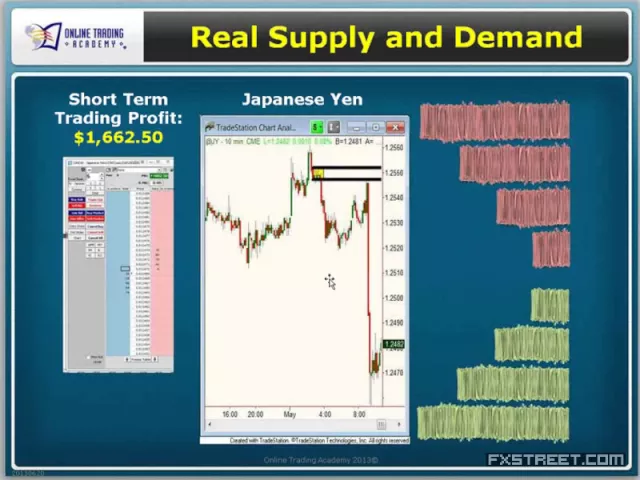
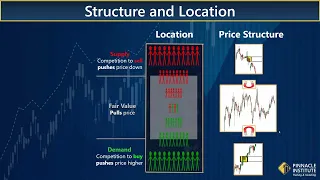
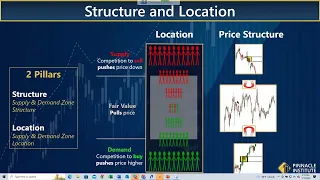
know and everybody had very similar orders okay for example if I wanted to know where the Japanese yen was going to turn low I was going to stop falling and turn higher and look down into my left and find a larger stack of buy orders below current price that was the markets real demand okay just like this well know where the market is going to stop rallying in turn lower it look down with my right and find a larger stack of sell orders above current price that was the markets real supply and all prices with
you every day just like they do today you go from demand to supply and back again until all the orders in that stack of orders are filled and price quickly shoots to the next stack of orders that's all that happened back then that's all that happened today to solve it is how it's always worked and that's how it always will work compare supply and demand in the market now as I'm saying this you may be thinking today the bids and offers you know require demand it's very easy to see on a four screen based trader
so you may be thinking because the form of vision offers on your and your trading screens let me make sure you understand that's not what I'm talking about I would argue those bids and offers that you see on your screen are not exactly exactly real how do I know that first of all how many times a day do you see the bid like 10 times the size of the offer and prices fall or they often like 10 times the size bid in pricing rally happens all the time futures FX for sure how could that happen
if those numbers are real well information is not exactly real are those numbers there now those numbers real yeah but are the intention real no now how do I know that the orders that I was dealing with on the floor the exchange were real these orders that I'm showing you here real demand a real supply first of all ball is completely illegal for me to trade my own account number one number two uh you know there's cameras pointed at you from every direction it's like worse than 15 oh there's the phone lines of recorded you
know you hear the beep every few minutes and on and on and on so my question you know is is my point is why was there so much security and scrutiny around what I was doing after all I just a false arc at the time it wasn't like I was making rings about I'm just so much security problem it's because what I had access to was the markets real willing buyers and real willing fellows and and the biggest in the world right some of the biggest buy and sell orders in those markets or right in
front of my fingertips and my question to you is if you have access to that information where banks are really buy and where banks are really selling do you need anything else is there anything anything else you need in your decision-making process or any other tool you need no exactly I agree so that and that alone is the focus of our lesson today and that's at the heart of our strategy today we don't see paper orders right and certainly screen based bids and offers not only don't show us what we need to see most of
the time they show us the opposite of what we need to see so how do we make sense of all this understand the whole supply-demand 101 concept when we look at a chart it's that same picture just sideways okay we're going to get pretty deep into strategy don't don't worry about that but when we look at a chart okay it's the same you have to be able to see the same supply-demand concept only it's sideways all right now what I want to I want to you know expose you to some pretty some pretty important information
here some things you have to wrap your head around in order to get this um these orders that I'm showing you on the right side of the screen right are these filled orders or unfilled orders the supply demand the stack of orders here now those traits happen yet they're unfilled correct okay those are unfilled orders now understand that the only thing that causes prices to turn in a market and move in the market are unfilled orders would we all agree with that everybody agree that the only thing that causes prices to turn and move in
markets are unfilled orders anybody disagree with that I just want to make sure we're all on the same page right we all agree here's here's the problem okay the chart what is the chart show us build orders or unfilled orders the price chart shows us filled orders whether you're looking at a candlestick chart in a line chart bar chart one finger chart buying any kind of chart you can cut possibly come up with on every platform out there they show you filled orders okay not only are we you know not looking at four filled orders
but we're looking for the opposite of that everybody kind of kind of see that you know so again when we when you think about when you think about the concept of you know why our individual retail traders so bad at this and why are banks so good at this and you start to see why the gap is so wide all banks are looking at our unfilled orders retail traders looking at the opposite that's a pretty big advantage does that make sense there's there's other reasons why the gap is so wide but that's a big one
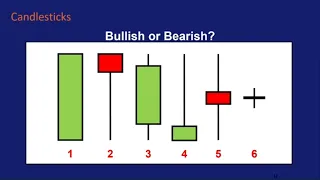
so now the good news is you can do a pretty good job of identifying key unfilled orders on a price chart if you if you know what you're looking for so we'll move on in a second your eye okay when you're when you're when you're looking at a chart your eyes are going to see you know candles or bars or whatever you're looking at your eyes are going to see this when you look at on the screen here but when your eyes see this your brain needs to process this that make sense okay now does
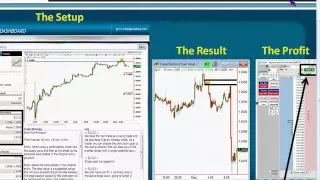
this little concept we just talked about here again it's not in training books or anything but it's very important you'd understand that most traders that just you know live on trading books and webinars and stuff they're never going to come close to realizing that that basic concept but it's a pretty big thing so we need to be able to look at a price chart that shows as filled orders and figure out where the unfilled orders are now here's a trade we took awhile back in the Japanese yen just identifying a price level where supplied tea
to the man where banks were selling and we sold there too but let's look back up here and go over this concept so we need to be able to see the two groups on a price chart okay banks and institutions and retail traders they both have very different footprints you need to be able to identify the difference in those footprints let's do that so in a short period of time we have together today oh I figured that the that they know what it is the two things I can cover that will help you at least
start to really help you understand this market timing concepts are right here and we're going to dive into the chart and sample number one we're going to start to learn how to identify those teams supply and demand levels specifically where banks and institutions are buying and selling the market and number two we're going to learn to identify the footprints of banks and the footprints of retail traders because you need to understand who is on the other side of your trade you need to understand that you need to you know wouldn't it be nice to know
say a Goldman Sachs or are please Bank or a big bay is on the other side of your trade versus maybe a novice retail trader would it be nice to know that well we can do a pretty good job of getting there so let's begin and let's start with step number one give me one second here just wanna just this cord here it's giving a little problem here one second you guys here okay great hopefully that's a little better so let's start with step number one let's start to learn how to identify these to fine-tune
and level we can do a pretty good job of quantifying how much supply or demand is there also with the odds and hands we'll have a little time you didn't tune that baseball all right look at the chart right here where I'm pointing I know there's probably a little lag in the connection and pointing everything so I'll take it nice and slow price is trading sideways here supply and demand appears to be in balance right while price is moving sideways in the base up here that's labeled supply we don't know its supply yet I don't
know if prices are going to rally out of that level decline out of that level and I really don't care actually we can come close to figuring it out but if that's not we're going to be talking about today but but so just hear me out so price you're trading side right the fine a man appears to be imbalance all of a sudden however there's a decline in price make sure you understand we are not trying to predict this decline in price we're not trying to make money on this decline in price we let this
happen right we don't know that this is going to happen until after it happened so sit back nice and relaxed and let this happen once prices do decline however that gives us very objective information for this level up here which is now a level understand that the only reason why prices can decline from this level because objectively supply exceeds demand up here there's a supply and demand imbalance yeah we'll get to that change with the as enhancers so once rise to drop out of this level this becomes a supply level okay based on a very
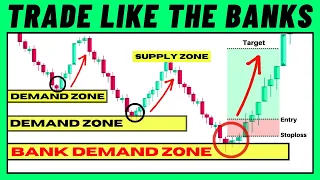
specific set of rules we wrapped two lines around this level there is it's level for Britain a supply zone or sells own we want to know where the sellers are now at the bottom just the opposite is true Prince's trading sideways all the sudden there's our strong allium play once this rally happens that's what we could say AHA we now know where the real willing buyers are market we're objectively demand exceeds supply get based on a very specific set of rule you have two lines around this level carry this level four rating that's a man's
level or by boat we want to remember where the buyers are okay another work for supply retail prices in other word for demand wholesale prices let's move on and right you know just a side note anything you don't finish today will go over next time so all right so now let's move on to step number two understanding who is on the other side of your trade okay so another thing I noticed on the trading floor don't need to study what I'm doing is trading floor you know we're not all this came from is when I
first learned the pumping halt Green Bay you know the first I learned of charge that you could get charged at home I started printing out charts and bring them over to the trade bill every day I would just figure out you know I see the orders they had them and I see the orders around us we're the big banks for buying and selling I put lines on the charts right there and sure enough price of about one side to the other okay the only other thing I ever put on the chart was over getting into
now I noticed that retail orders that would come into the trade depth for retail traders that were trade on the trading floor would almost always lose money they were really bad at this I don't know don't quote me on this but being like eight nine out of ten trade that they would all be losers and at the same time I did it faith in institutions were you know right most of the time in their decision-making process and make lots of money retail traders were equally that bad wrong in their decision making most of the time
and lost quite a bit of money so I started to track where retail traders would buy and sell in markets and I put a little dot on the screen there when I see those orders come in on the chart I mean and sure enough it took about two days to see this very consistent pattern in fact it was the most consistent thing I've ever seen right what we notice is and it became pretty clear why retail traders lost money consistently they made two of the worst mistakes you can possibly make okay they need to the
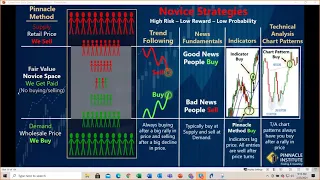
to the worst mistakes you can make let's go over those right now okay if we focus right here on the chart and we focus specifically on the buyers we see these are those novice traders I see there's a couple questions I'll get to in a few minutes okay these buyers making the same two mistake every consistent losing trader or investor makes fake number one they're making is they're buying after a rally and price you would never do that in any other part of your life and be successful right buying after rallying price think about it
when you when you buy a car you ever walk in and say I know that cars only thirty thousand dollars but I like it so much I want to be you for he's out for ever done that or the ice cream you buy the grocery store right no matter how much you like the ice cream give her offer more than what you know then the asking price for it of course not we would never do that you would never do that but why is it that that's exactly what people do in the trading world there's
a reason we'll get into in a minute mistake number two is even worse not only they buying after rally price but they're buying right into a price level where the chart already told subjectively supply feeds an and they almost guaranteeing a loss with that novice action precious Falls we would expect an out here at the bottom if we if we focus on the sellers it's that same group of novice traders making the same from the state selling after a drop in price mistake number one into a price level where demand exceeds supply mistake number two
and but instead of being that seller okay said upping that novice seller right here we want to be the buyer specifically right here at this line whatever price that is buying right here according to our rules is the lowest risk highest reward and highest probability value harmful that's the whole point of market timing that's why it's so critical okay it's the only way to obtain the low-risk high-reward and high probability entry now a lot of you have started out like most people do reading trading books or things like that and I'm not beating you up
for it not being there for it I just want to expose some things so you could have you know my whole goal with this is to give you information and you do what you want with it process it in your head and um you know I just want to expose you to everything and different ways of looking at this and I want you you know and I want to focus on you know how this really works in the real world that's what we care about most so let's talk about the training books right because understand
that if you're not successful right now in achieving your short term trading goals or your long term wealth goals whatever finance the goals you have it's ultimately for one reason and one reason only okay it's because you're thinking like a retail trader your brain is programmed from a very young age all the way through your development years the trading books everything you're programmed to think like a retail trader conventional technical analysis is the biggest culprit right that full school of thought has people buying after a rally and price and selling after a decline in price
that is a retail move my goal is to get you to understand that you're thinking like a retail trader and get you to stop doing that and get you to start thinking like the bank okay all right anyway so let's move on here so let's look at this example from the from the retail traders point of view the training books now the training books teach us don't buy here where I'm suggesting you buy because you don't know if is any buyers yet right wait for wait for confirmation at keyword confirmation and every training both ever
written wait for confirmation of a green candle like this and then buy but if we wait for that confirmation that green candle yes you absolutely um you know yeah you have confirmation but what's now happens to your ribs with they've gone up or down that's gone up and what if I write your reward profit zone it's gone down okay so you can have confirmation which may make you feel better or you can have a low risk entry at a low risk high reward entry but you can't have both does that make sense unless you've shift
your mindset and that word confirmation means something different to you than the training balls confirmation of someone's selling after the quantum price into a demand zone to me that's the confirmation I want someone's making a big mistake they're right the odds of price is turning or still high the risk is so low and the odds are stacked in my favor anyway um one more thing here and then we'll move on and take this this quite a bit deeper let's just and take a step back this is the point that you want to stand how you're
all your brain works how you make decisions why why pumps of trading and I'm not this isn't any like deep psychology or anything like that but it's important to understand you know why you make the decisions you do and why everybody built the retail trader think about it again what really hooked me into this business and I thought it was really one thing and one thing only on the training for I realized that the gap between those who knew what they were doing and those who didn't was so wide those who made money banks in
this Dusen and individual traders and investment retailers investors the gap you know who lost money that gap was so wide I thought you know what I was out pretty young at the time I thought to myself what if I could just learn what those guys doing those banks maybe I can make that kind of money maybe I could be right most of the time that makes sense so but if you think about it what are the what are the average what would you know again if you compare the average trader investments observed well the worth
we haven't all seen four before I think we'd all agree is pretty lopsided let someone tell me what is the average trader or investor around the world and what about the average person out there what do they do in the financial markets what is the action the average person thing most people do what they buy stocks right is that people do most people buy stocks right yeah someone tell me this so most people out there buy stocks sometimes I mean that's Wall Street does a lot of things but what's their primary business but Wall Street
the primary business they sell stocks exactly so one groups buying stocks and the other other group selling fact when the sellers are making all the money now on that at all suggesting you should stop buying stocks and and start selling stocks what I'm strongly suggesting is you need to something like that group because they laughing all the way to the bank they actually are the bank but it's too easy for that group and here's why how is that average person around the world taught or conditioned to say buy a stock for example right we've all
had the same lesson when your freshman your little kid in school and middle school and then high school in college won't end books it's all the same lesson right make sure it's a good company with strong management a healthy balance sheet what about earnings are they supposed to be good or bad and it's supposed to be good and what someone asked her this one what about the trend of the price of the stock we still divide and when it's an uptrend or downtrend uptrend yes but there's the track okay this is another major reason why
most people are not successful when all those five things I mentioned are true and good in that pumping of that stock where is the price in that market is it at wholesale level here on the chart or is it at retail levels yes everybody on the planet from a very young age is not only taught to do this wrong they're taught to do it backwards and they don't even know it okay and it's impossible for you as the FX trader to just come into the world of trading FX and and and not you know and
think that oh I'm not you know you're not conditioned wrong everybody is I am - their brains are wired backwards and I'm going to prove it to you in a minute so the big news is your competition the more you start to think and trade like a bank we're going to understand your competition is part two it's hard to do the opposite so again every band plan is taught to buy retail prices and sell it wholesale prices in the market all I'm suggesting you do is the opposite which is what banks do they sell it
retail prices and buys wholesale prices makes sense okay easier said than done let's move let's move on here let's take a look at UM let's take a look at more so this is another example take you to give me a second here hang on I guess we could use any of these okay let's use let's use this one that's fine okay so let's start to put all this stuff together and let's dive into some bevacizumab enhancement here so here we identified a demand level and if you look at the data I just I just got
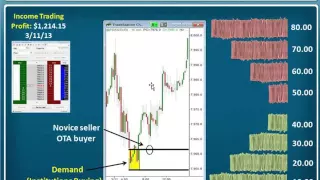
a whole week's worth of trading I'm usually update this every few weeks yeah so drew we want it we want identify supply demand levels which means wanted identify plate areas on the chart with our lots of on the field order sitting now so take a look at this area the chart we didn't provide it the man's own right where demand exceeded supply right where banks institutions were buying over here is where we bought and profited from this tree by the way all these prison filling you these are all real trades these are not hypothetical returns
a demo account so how do we know this is a man's own well let's go through it first of all we have the pattern which we haven't gotten through the 2d today prices rent rallied away from that level okay but let's get into a couple odds enhancers here how can we you know I'm telling you that's the demands on the face if I don't really know that like how can we be very confident in an you know to understand food when I see market timing specifically what what we're saying there is is to be clear
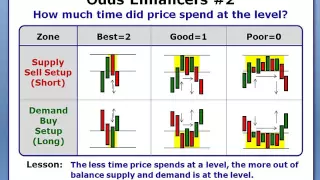
the ability to time write to predict market turning point and market move in advance with a very high degree of accuracy that's what we're doing here so how do I know how much demand is there how out of balance supply and demand it well as answer number one how did prices move away from the level so would you say that's a strong rally in price strong rally in price or a gradual rail what would you say strong I agree with you so what does that tell us about the supply demand equation there small amounts are
big imbalance yeah that's one clue that there's a big imbalance there but it's just one how about time how much time to price them at the level a lot of time or just a little time yeah just a small amount of time I agree with the little so when the trading books teach us about those words support and resistance which we do not buy into it online trading data mean this is a very flawed school of thought that's why you don't see people making money with it when the trading boats teach us about support and
resistance the lesson is always the same it's you know look for areas on the chart where there was lots of trading activity many candles on the screen above average volume right above average volume but if you think about it if you take the logic through and don't take my word for it and of course oh yeah I think you're going to find that the opposite is true for example in any market at play at a price level where supply and demand is most out of balance with what we're looking for ain't going to get many
trades and transactions are very few many trades are very few at price levels we're supplying the man is most out of balance and to answer that question or to help answer that question let's go back here we're on this town is grid this is just supplied to man 101 here where are you going to get the fewest amount of trades out at the extremes writing most of your trades are going to happen right here in the middle your to get you could be lucky to get any trades off out here and 80 are down here
at 10 however that's where the most that's where you have the most potential activity but the reason why you don't get it is because all that potentials on one side of the market the demand side supply side right by side or south side so if we all agree with that logic then what does that picture going to be look like on the chart is it going to be many candles like all the trading books say or is it going to be very few exactly it's going to be very few that's a good news - I
mean the training books kind of tend to teach you to ignore the levels that you want to look yet alright so the fact of price relative weightings of strong fashion the fact that there was very little trading activity at the level again both those are two of a few more odds and answers to tell us there's a lot of unfilled orders or now whoever was buying there the day did they buy all that they wanted to buy did they get all their orders filled right no they didn't okay when we know that because prices would
have stayed in that in that area again I'm saying is the demand level if that statement was not true and supply and demand we're in equilibrium here wouldn't prices just keep trading sideways they would but they couldn't affect our city for a short period hole so again there's more to it than this but doesn't get you an idea you know that that's a tells us demand exceeds supply there all right so banks on the buy side here when prices came back to this level we pushed the Buy button alright this is where you want to
push the Buy button right here make sure you ask yourself before you push the buy button who are you buying from is it someone who makes money or some of the losses is it the actions of a bank is it the actions of a novice retail trader okay so and keep it very basic go to go to the - you know the two mistakes is the seller who's selling to you here selling after a decline in price mistake number one and are they selling into a price level or the chart already told us demand exceeds
the blood take number two if the answers are yes and the risk in this trade associated with the initial profit zone meets the minimum criteria you're looking for we take the trade like a robot okay so you can have typically have a limit order in there in fact we encourage that an online trading model okay yeah Peter as long as your supply zone you know you're at least here your air supply up here is far enough away to give you to the 1/3 to 1/4 to one whatever you're looking for now you take the trade
now yeah francisco i would say take time out of it don't worry about that you'll find it when you're running into levels from a long time ago those will be some of your best levels that for those that have been at FX street with me for a while you've seen some of those really big ones from the past where we've hit level from a long time ago just some of the biggest best trades that because by definition if you're hitting a level from well from a long time ago by definition you're far out on the
supply-demand row which is which means high probability and huge profit profit zones ok all right so uh yeah I I always am afraid that what I'm saying and sharing appears too simple and and too easy and I want to make sure I want to be clear that of something you don't like anything in life when something seems too good to be true it usually is too good to be true I'm going to be a hundred percent honest with you this is definitely one of those things ok and what I mean by that is this I
would say well the logic and rules for doing it properly our place you know a strategy are very simple the act of doing it is not easy for the average person and will challenge you ok yes as Luke is pointing out you definitely have to trick the goalie here you have to train your eyes to identify these lovable that's really what the admin Hanson's are for it's more of an exercise to train your eye but but let's get back moving to the back to the point here so while the logic and rules are doing is
are very simple the act of doing it is not easy let me point out a few reasons why I already pointed out a big one a few minutes ago with the whole you know what is the retail trader do what's the bank do and how they're causing all that but there's more when we when we would push the buy button for this trade down here what was the short-term trend in price up or down the very short-term trend it's down exactly have you ever read a trading book that says buying a downtrend no doesn't exist
right yet that's going to be a downtrend on some timeframe and everyone isn't straight when we bought okay we also looking to buy here on like the biggest red candle that you see on the chart would anybody be a little nervous buying when the big red footprint candle happens would you be a little nervous pushing the Buy button remember you don't see any green yet I gave is saying totally a lot of people saying yeah yeah I'm not picking on you guys but but just understand and I'm saying this because I care the only reason
why you're saying yes is because you're you're thinking like a retail trader because if I told you if I said you know what this is not a an FX or trading market but this is actually the market for the Mercedes s-class right and which is normally I don't know yes 500 maybe normally about $125,000 today on this chart there's actually two and they're there and they're there they're selling brand-new for $30,000 what are you going to do I give you nervous to buy who's going to be nervous or what you're going to do anybody going
to be nervous Craig's going to buy two then you're going to try to sell them to the rest of us four more right I'm just kidding but you of course you're gonna buy they're going to be nervous you're going to be excited you're gonna be thrilled you're going to buy those two and you're going to call everybody you know and brag about what you just did right okay let me tell you that's exactly what's happening here but people don't think like that because it's a financial market the reality is how you make money buying and
selling anything in life is exactly how you make money buying and selling financial market but people's retail traders are wired you know vacuum brings water backwards the reality is what's happening right here when you push the buy button is you just walk in your favorite store there's a sign right there that says your favorite item that you came to buy today is not sale for half price and there's - laughing them back to the store you're going to run that's how you have to think about this and I can tell you I'll be honest with
you in when people come and take the classes an online training academy initial class they're not there yet they're loom they're nervous and we see it you know throughout the way their their little nervous person by button but then they get in the trading room right and things like that I'm not pushing you to do this I'm just want to want you understand the process you know after after you do this for a while and get success pushing the Buy button here not only are you not going to be nervous anymore okay but you're actually
you're going to start thinking I'm really backwards completely opposite of what you do now you're going to each sighted to buy they're not nervous all right yeah walk all right that's really just a function of time frame so don't worry about the colors of the handles at all don't worry about that oh yeah true that's what we almost always in these webinars we're looking at the live market we just set up trades and haven't happened yet so that that's what we always do today we're just taking a kind of a step back back to basics
and let's go to another one here okay so again right down here prices are trading sideways another trade we took is the right yeah DZ that is what we want to do okay right but but again so DV are you saying why not buy the yellow here and then make money when prices go up is that what you're saying shoroma here when you're asking me yeah so what everybody in our standing so these deviating wanted to find here in this yellow spot and the reason why we don't because how do we know that there's demand
there we don't I went when prices are trading this yellow area I don't know demand exceeds supply there okay I don't know that until prices move away from the level does that make sense but once prices move away from that level as they do here then I know haha demand exceeds supply there there were a certain amount there were quite a few buyers you know on the demand side much less on the supply side as soon as that last cellar door was filled here prices take off like a rocket but I don't know that until
prices move away from level so that's why we wait all right but once we know that then we wrap through lines around this level based on our rules and when prices come back to this level we want to buy at this line with our protective self stop just below the level and then our appropriate targets above which we we didn't get into today okay that make sense okay yeah prices will almost always come back in low in fact I don't think I've ever seen a level that person didn't come back to and the reason for
that again if you you know from the trading force to be obvious you know I work for a big you know Bank institution we've gotten a lot of orders to buy here we need to get those orders filled versus are going to come back is it these are you know our job is to get these filled okay as someone who fills orders you know you only get paid when the orders get filled you don't get you don't get paid on trading right there's no trading profit there it's you know so those orders are going to
get filled okay ah good question Walker what do you do if all the orders are filled I would say most I'd say a good chunk um you know that the orders that you know that the orders that are really low on the curve and really high on the curve let me go back here alright these orders down here these buy orders and these sellers up here I would say most of those actually don't get filled most of those don't get filled some do but the lucky few do that's why we wanna use limit orders right
but I would say most of those orders do not get built okay you know when you look any price chart um let me just pull up the chart here just a second we see how I share this can you see TradeStation now and face your tray station yeah okay um if you think about it you know the white space there's a lot of white space on these charts right what's really in that white space lots of unfilled orders okay so um you know again again the candle shows where you know phrase that have happened and
where they've happened let me see something here has me in a scratch up here oh you know the Euro good want to look at it really not a whole lot below I know we've been saying that for a while but let's go over this shirt yeah so ultimately euro um I'm showing these up okay so there's current price these level these areas here and not the man these are all pivot low prices been there and I know it sounds crazy but there's not a whole lot to stop that you're all from falling to the 128
51 28 25 to below 129 there's not a whole lot to stop your from falling to 129 I know there's a lot of like stuff in here but there's really nothing fresh and we didn't get a chance to talk about the you know that word fresh day but that is that is a key key word we want to make when most importnat enhancers make sure it's a fresh level in other words make sure there's still lots of unfilled order sitting there okay hopefully that makes sense there's my email address s side and at Trading Academy
nom you know I know I missed some questions today I really wanted to focus on getting the basic lesson out there and it's tough to do you know stuff to do possible do looking at the latter one thing a little great from that we'll get back to that soon I want to go over the basic lessons but hopefully we got the basics out there we have more webinars coming up next month or this month and next session we'll break it up into two parts we'll get into the mouth enhancers and then we'll go into the
live markets and start to apply this so hopefully that was helpful and it's really all about the basics all right thanks everyone for spending your time and have a great day see you next time